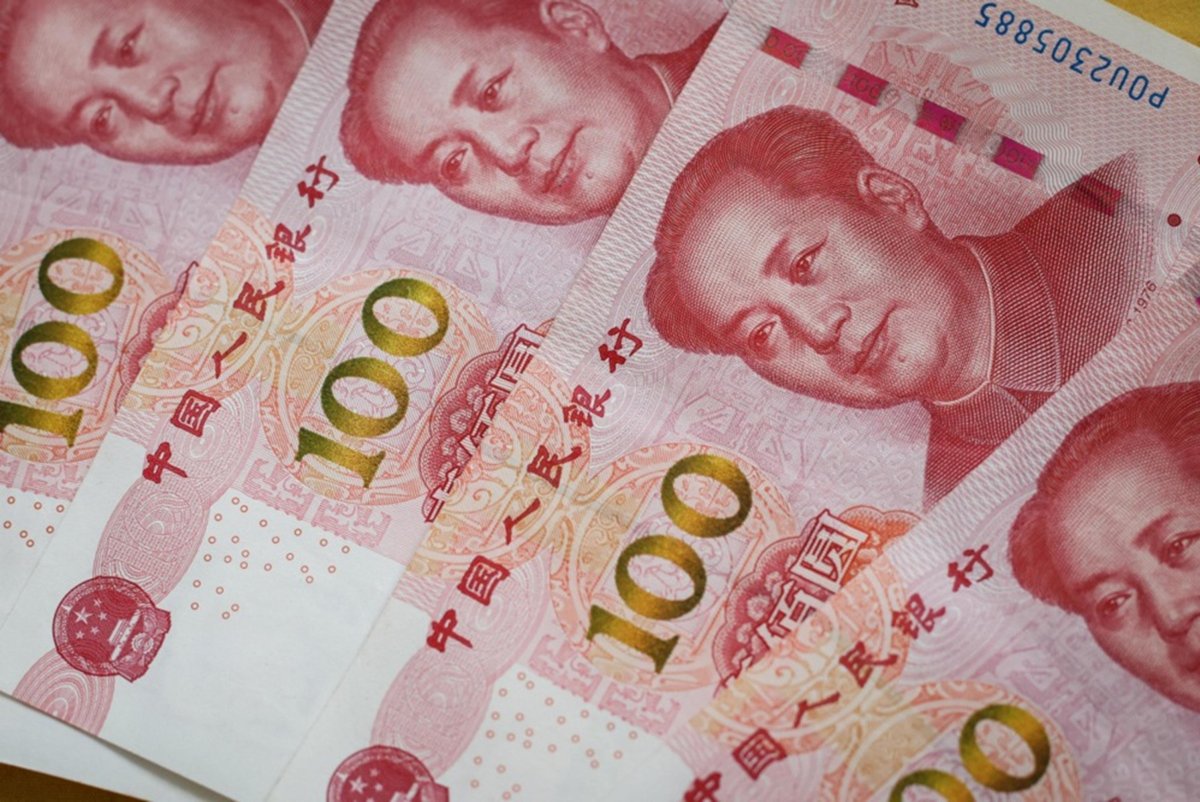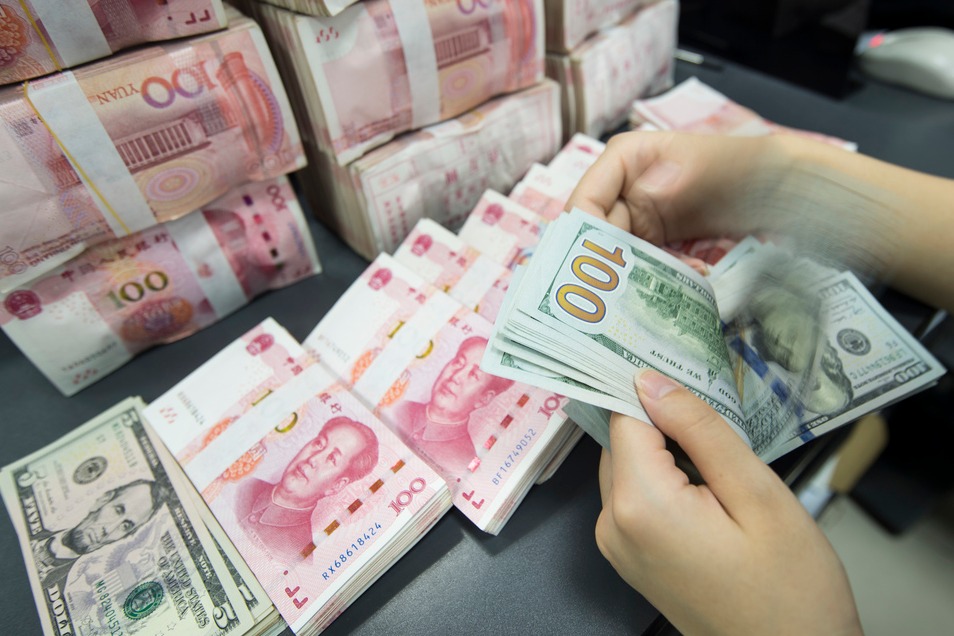
A more multipolar currency landscape — in which the Chinese renminbi could play a much larger role — is gaining traction, as intensifying geopolitical tensions and the rapid rise of emerging economies strain the traditional international monetary system, economists said.
"The world needs a new and balanced monetary system," Zhu Min, former deputy managing director of the International Monetary Fund, told China Daily during the two-day Tsinghua PBCSF Global Finance Forum, which concluded on Tuesday in Chengdu, Sichuan province.
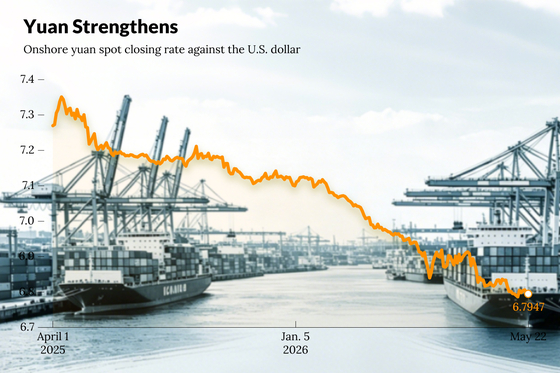
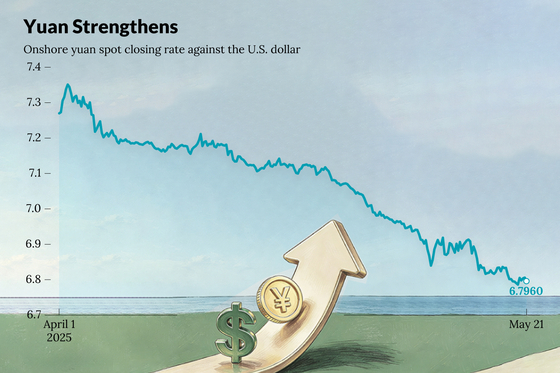
"A strong renminbi represents the needs of Global South countries, the needs of the global financial system, and also the needs of China's economy to further grow and strengthen," Zhu said.
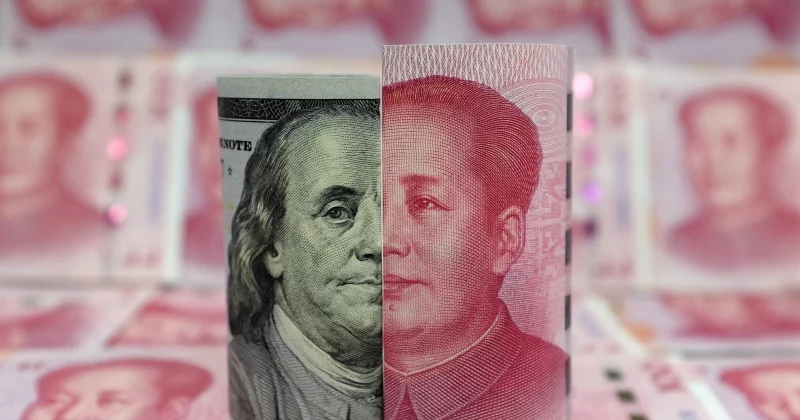
He pointed to a fundamental imbalance in the current international monetary system. While the United States' share of global GDP has dropped to about 24.5 percent and its share of world merchandise exports is just about 9 percent, the US dollar still accounts for 58 percent of global reserve currencies — far exceeding its underlying economic weight.
In contrast, Zhu said, China now accounts for about 16.6 percent of global GDP and 14.4 percent of world merchandise exports, yet the renminbi's share in global reserves is merely 2.4 percent.