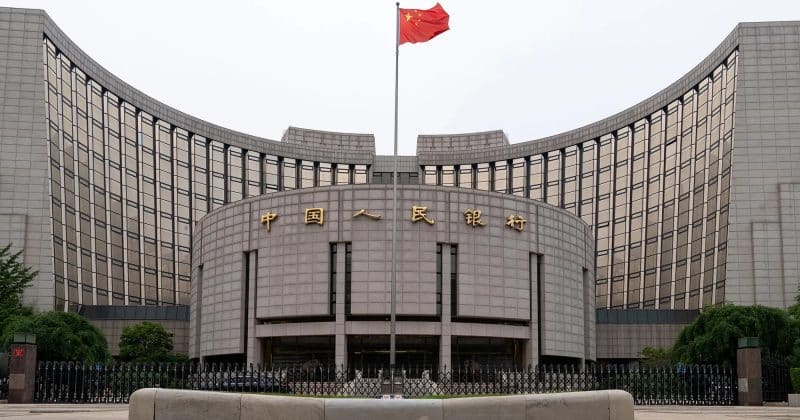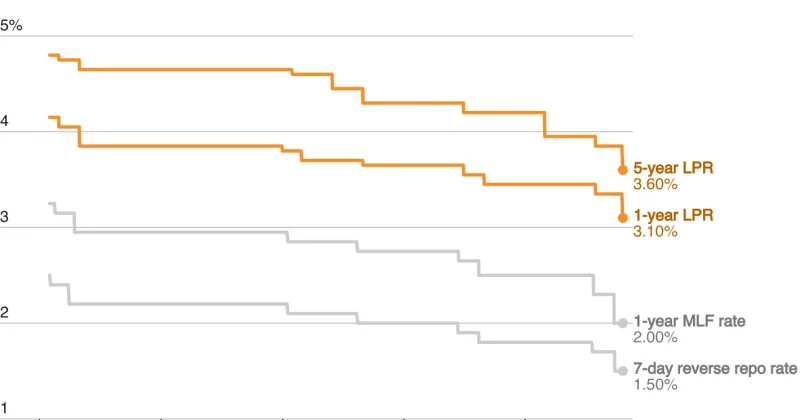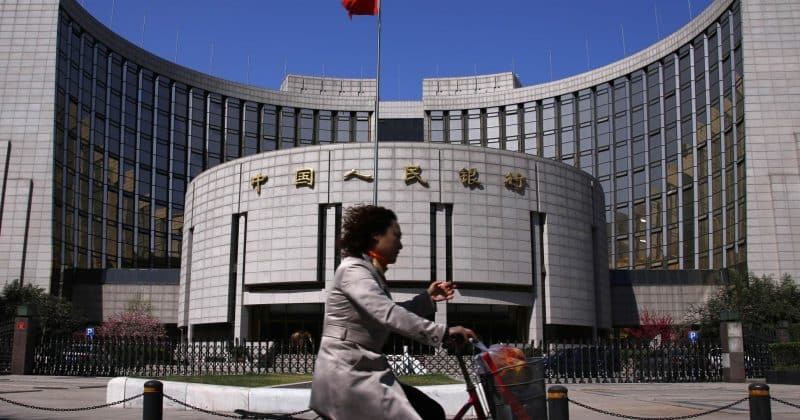
China’s central bank has quietly told select banks to stop re-discounting commercial bills below a 0.5% interest rate. It’s the kind of directive that sounds deeply unsexy until you realize it’s Beijing drawing a line in the sand on how cheap money is allowed to get.
The move, reported as of mid-July 2026, represents the People’s Bank of China doing what it does best: managing the economy through a blend of rate adjustments, quota tweaks, and what regulators politely call “moral suasion.”
What re-discounting actually means and why it matters
Re-discounting is one of those central banking tools that rarely makes headlines but keeps the financial plumbing running. Banks hold commercial paper and bank acceptances, essentially IOUs from businesses. When banks need cash, they can sell these instruments to the central bank at a discount, effectively borrowing against them.
By setting a 0.5% floor, the PBOC is telling banks that liquidity support has limits.