One winter evening in Dhaka in 2017, I went with my wife to the 300 Feet Road beside the Bashundhara Residential Area, a popular stretch of the city where many people go to get some fresh air and take a short break from the city's overcrowding. It was the kind of evening many Dhaka families know well: People eating popular street food, couples walking and friends sitting in makeshift shops beside the highway before returning home. Nothing unusual happened near us. The city looked tired, noisy and alive.
Two days later, while sitting at my office desk, I opened the news and read that former Ambassador Maroof Zaman had disappeared on his way to Dhaka Airport from the same road, on the same day that we had been there. The road, the hour, the city and the familiar route to the airport suddenly became frightening. In Dhaka by then, people had already learned the grammar of fear: the microbus, the men in plain clothes, the missing phone, the waiting family, the agencies denying knowledge, and the silence that followed.
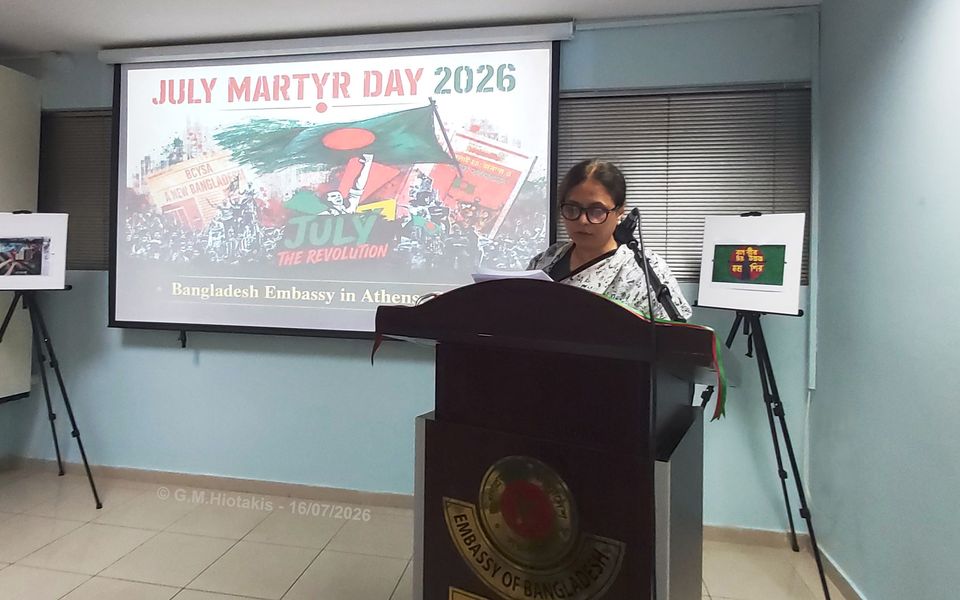
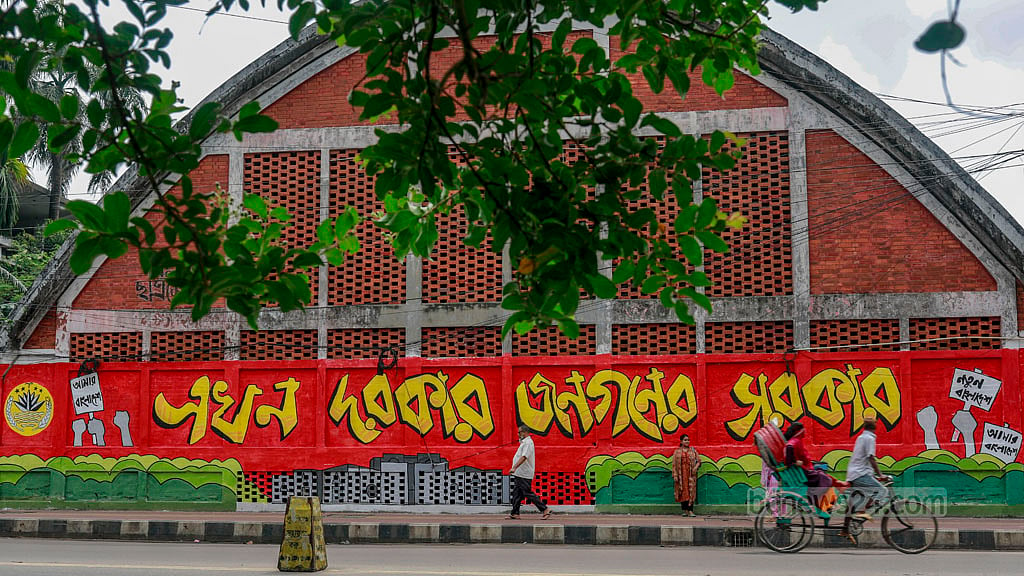
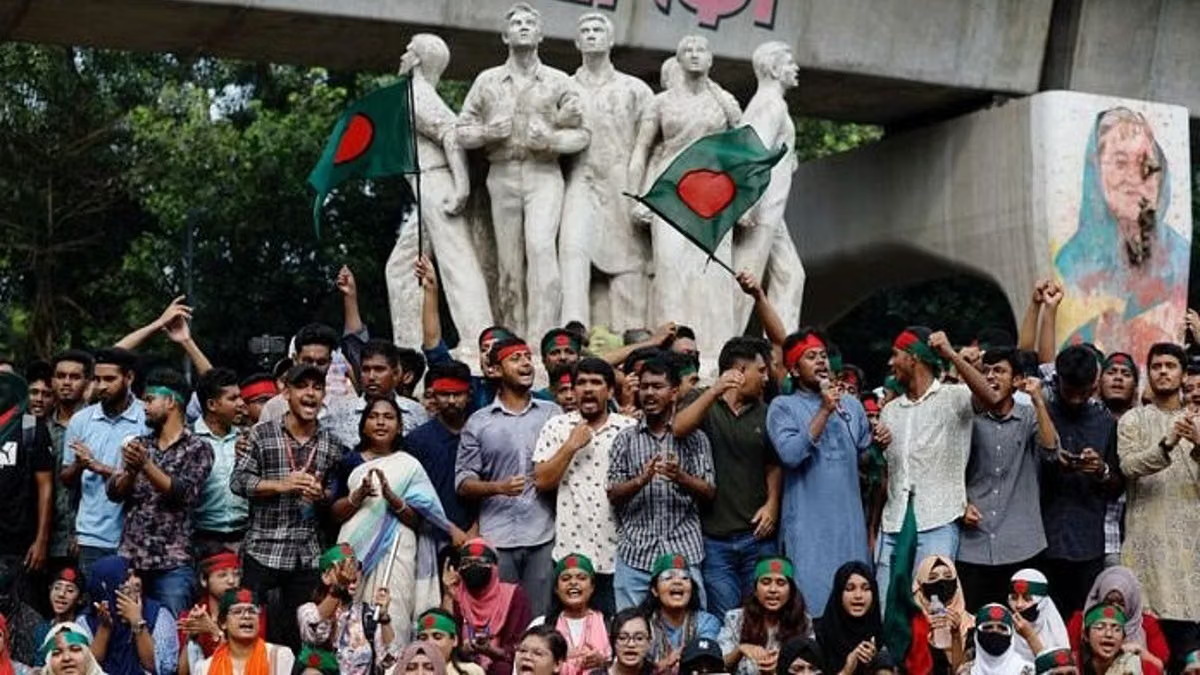
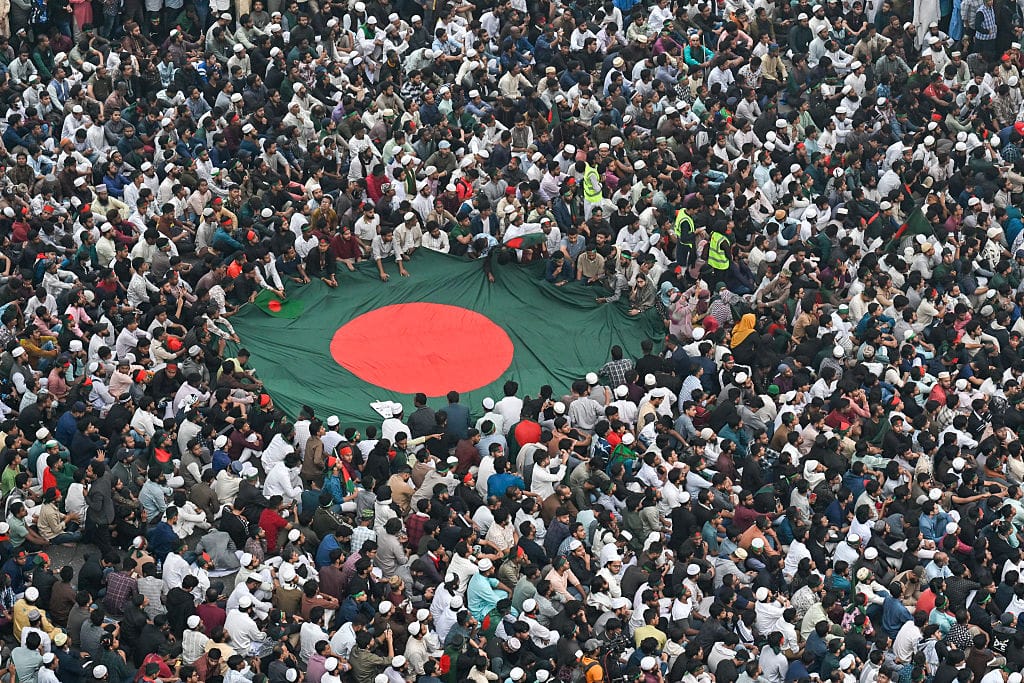
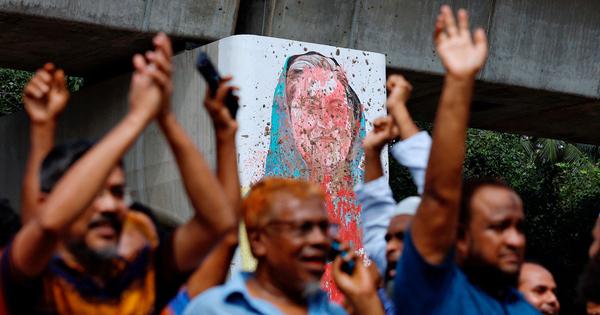
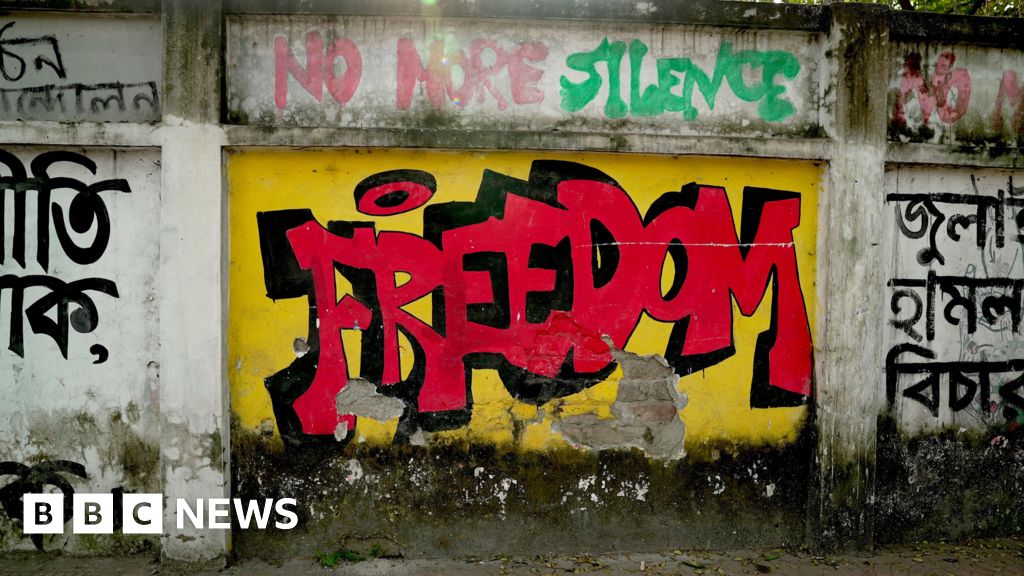
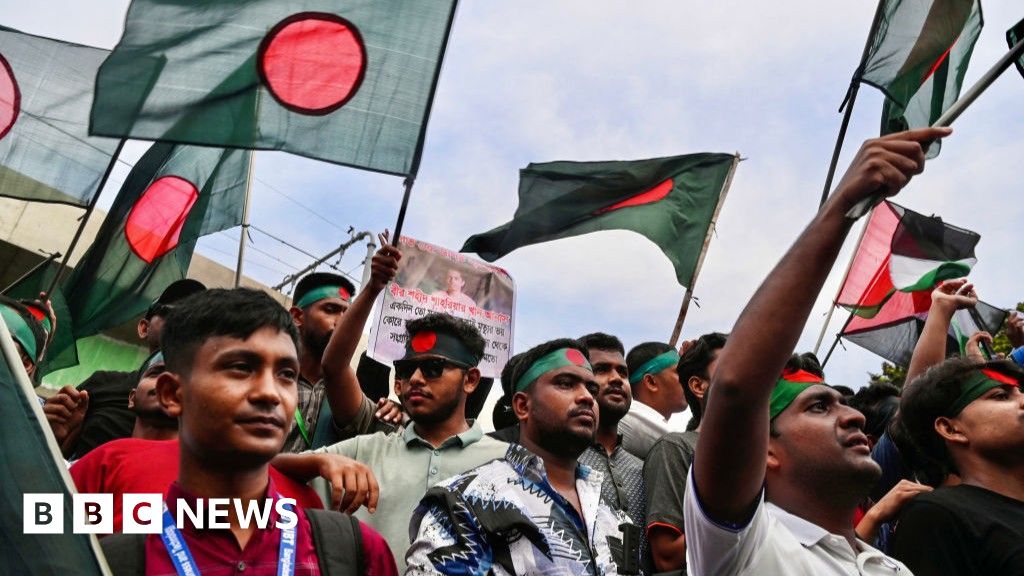
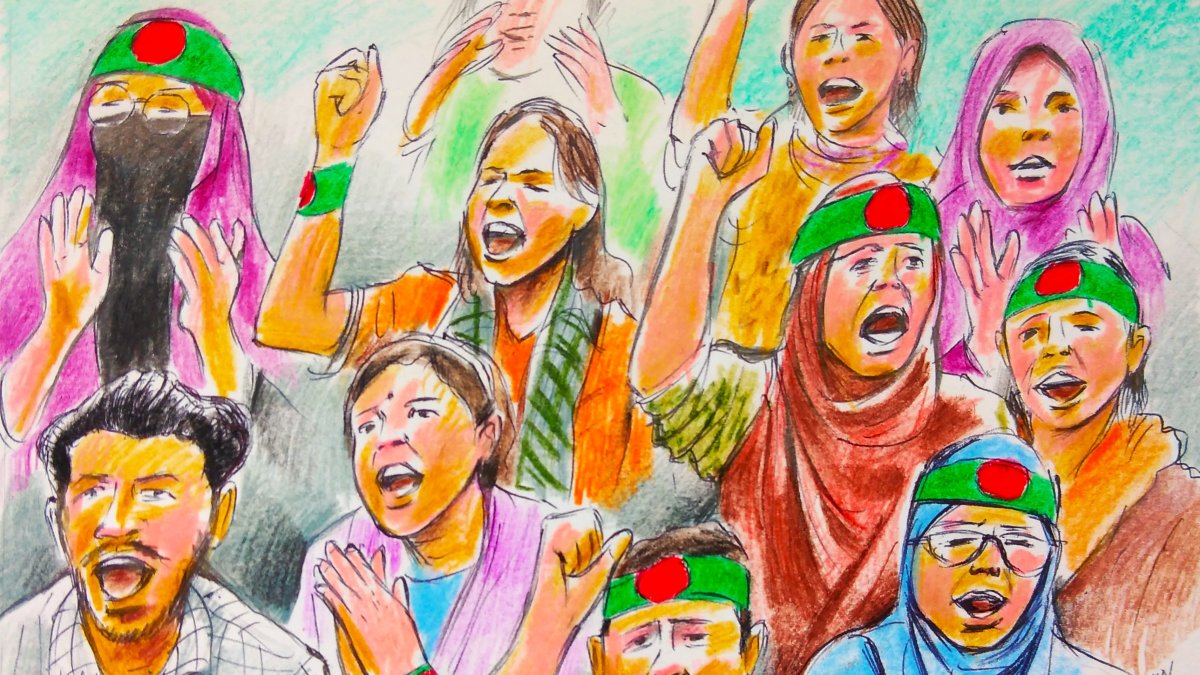
This is the memory that returns to me when I think of Bangladesh’s July uprising. It is often described as a sudden explosion, born from the quota-reform movement and expanded by state violence. But July was not sudden. It was the blast of rage that had gathered under 16 years of bad rule. The surprise was not that July happened. The surprise was that the Awami League believed it could avoid July forever.