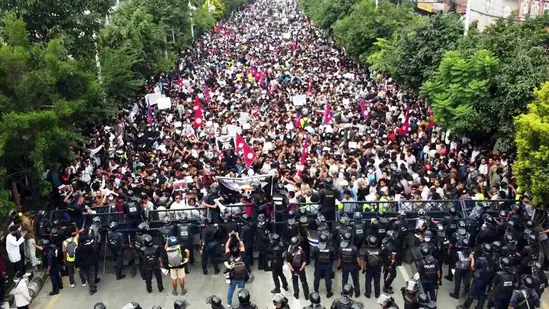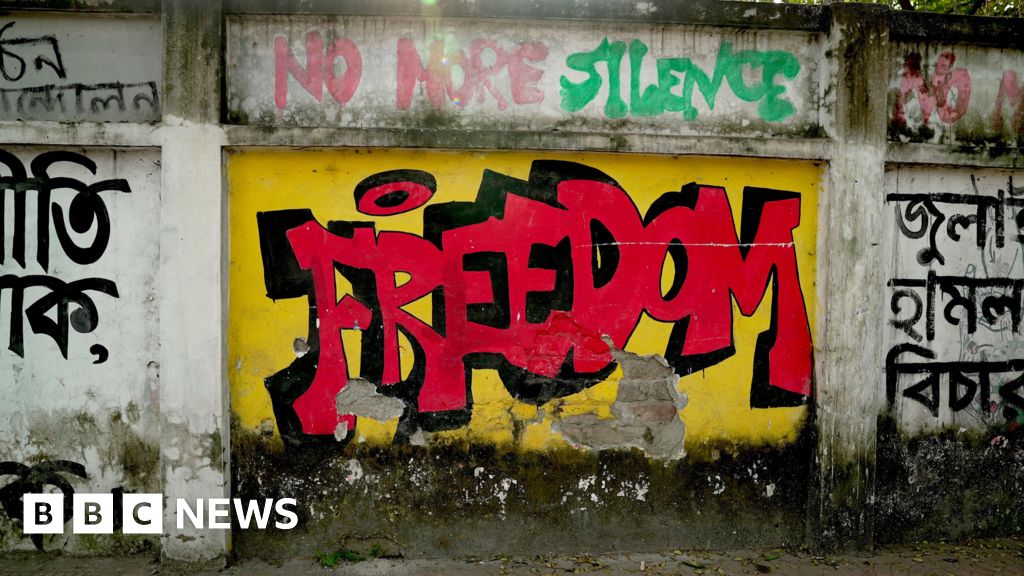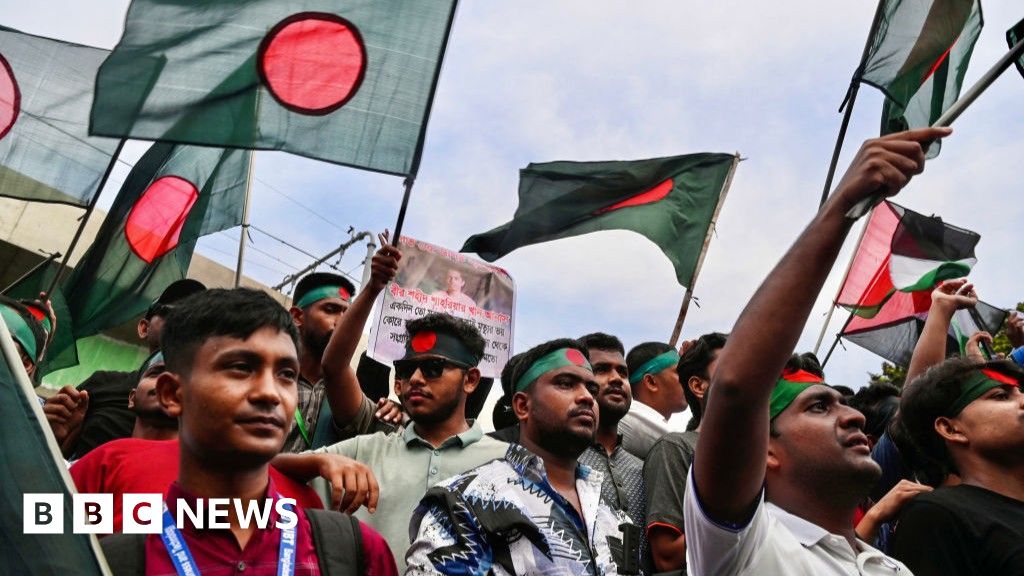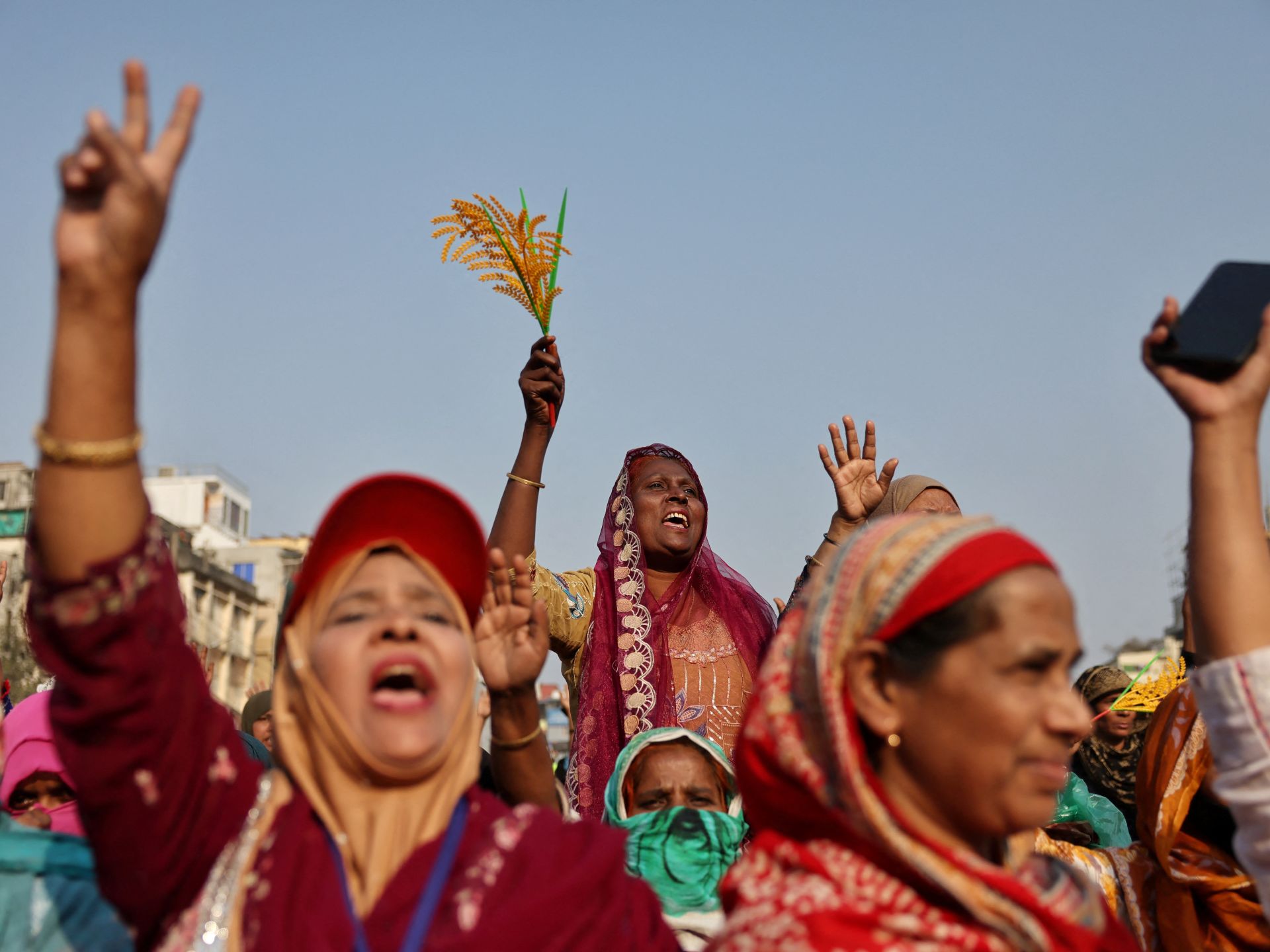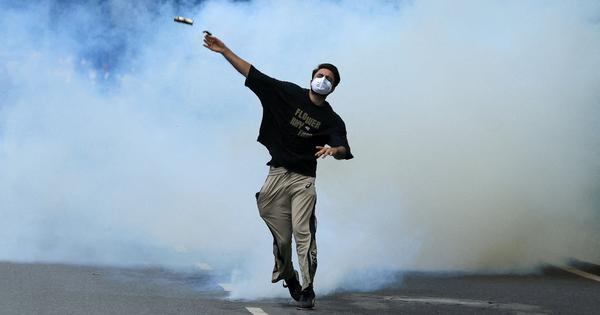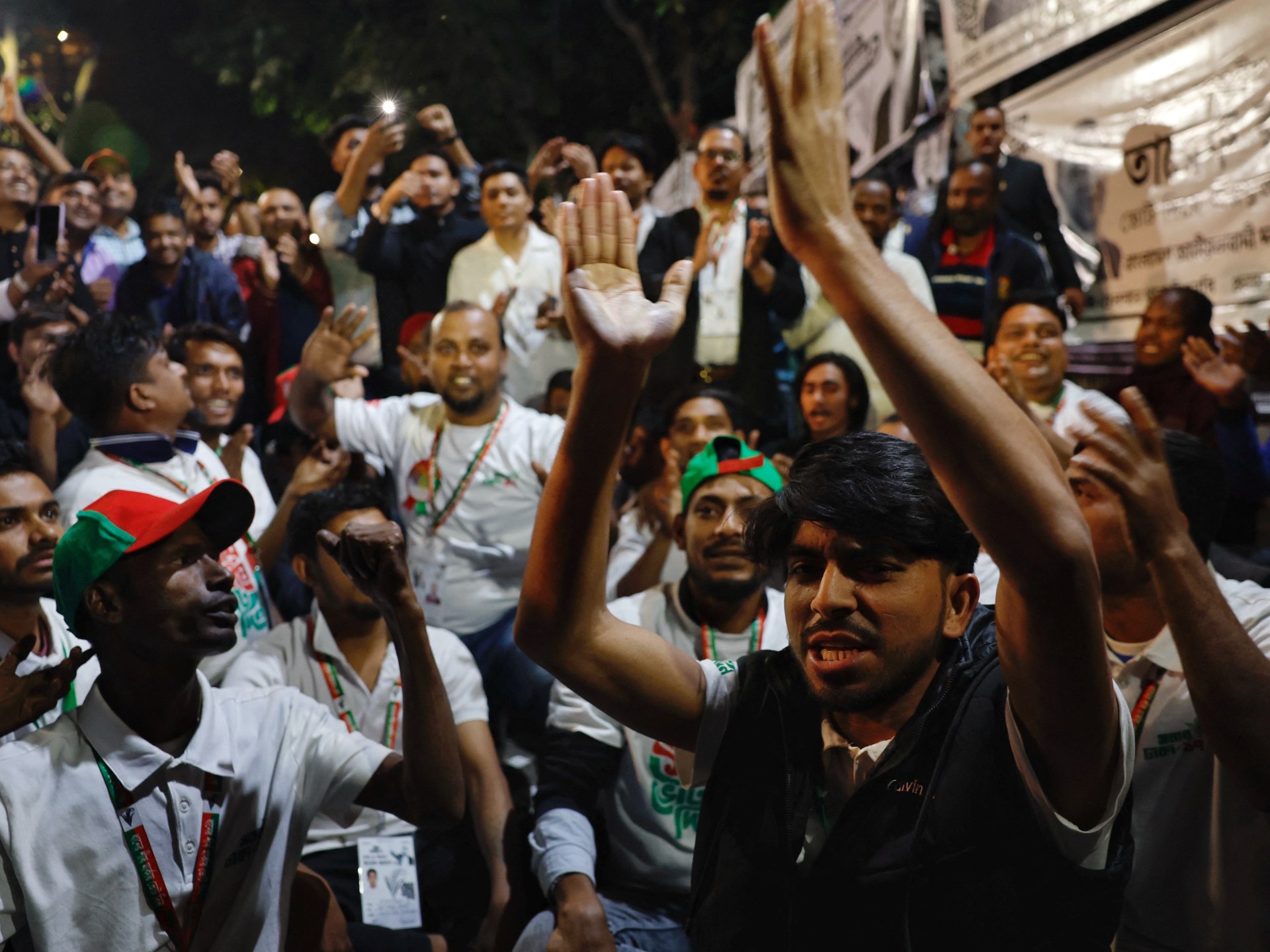
The historic mass uprising of July-August 2024 brought an unprecedented political change to Bangladesh. The youth, known as Generation Z, played the most crucial role in this transformation. Following the fall of the autocratic regime, these young people expected their aspirations to be fulfilled. Nearly two years have passed, and a gap remains between their expectations and the reality.
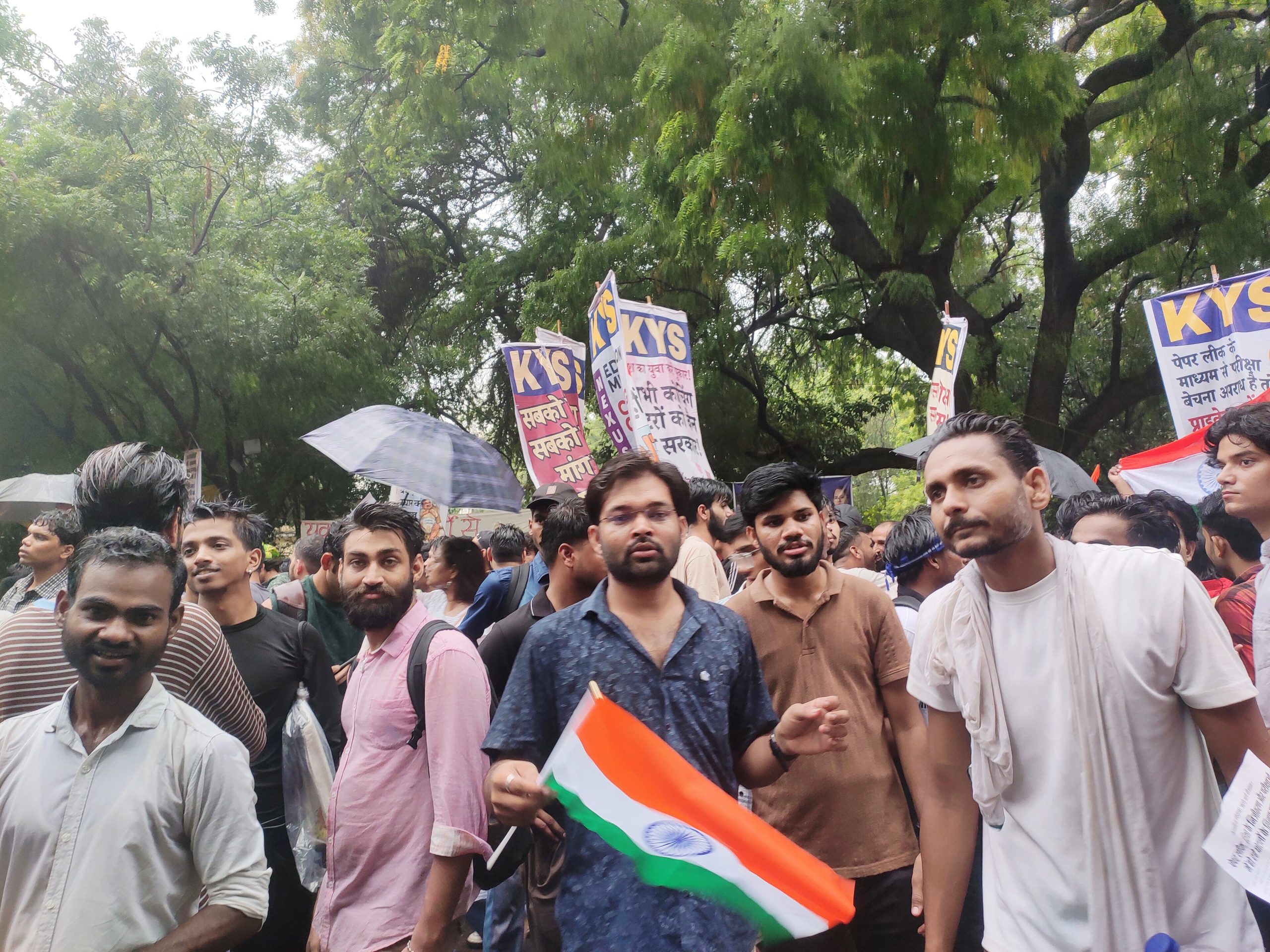
Following the interim government formed after the uprising, an elected government is now in power, led by the Bangladesh Nationalist Party (BNP). Less than five months after this government took office, Gen Z is back on the streets in Dhaka and other parts of the country. This time, they are demanding reforms to Bangladesh’s education system.
The controversy began with the weather. Higher Secondary Certificate (HSC) and equivalent exams began on July 2; around 1.3 million students are participating in the exam, which is the gateway to university admissions in Bangladesh. But by the second week of July, very heavy rainfall across the country created an extreme disaster situation. In particular, a flood situation developed in the Chittagong region, and waterlogging occurred in cities like Dhaka and Chittagong.