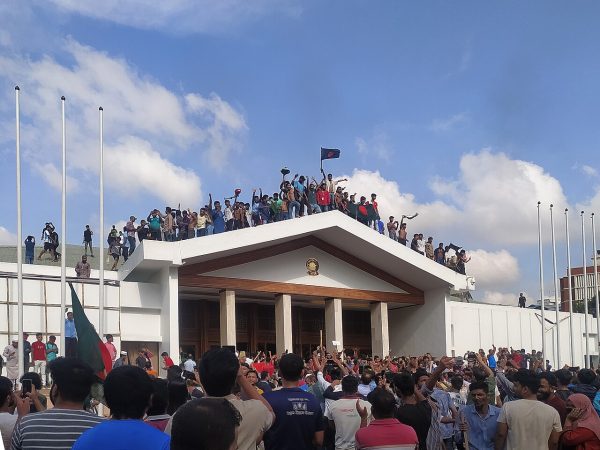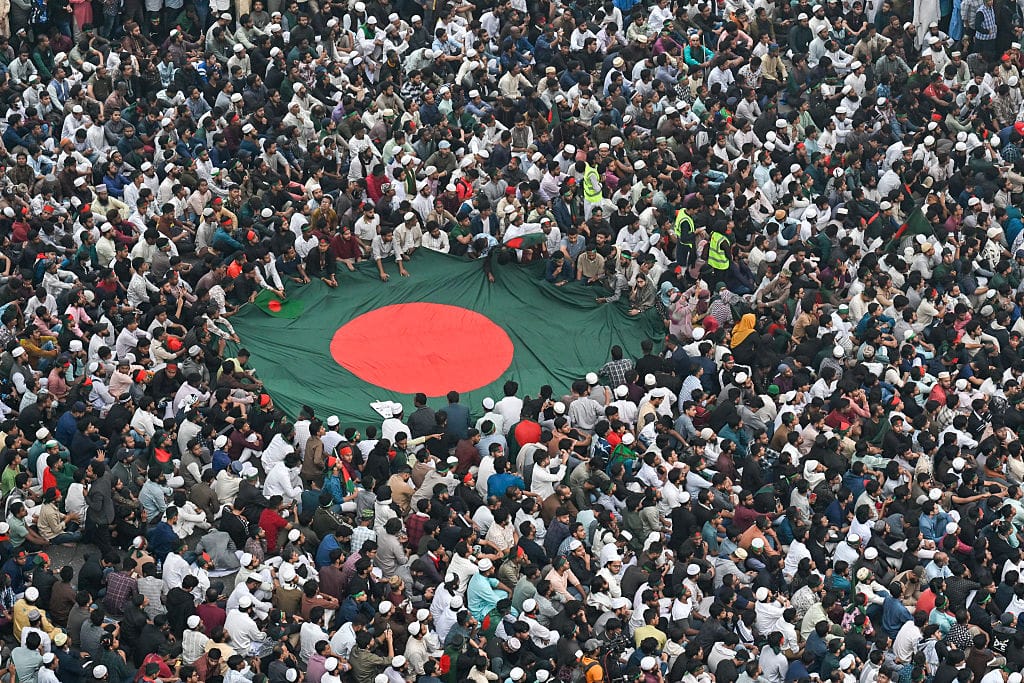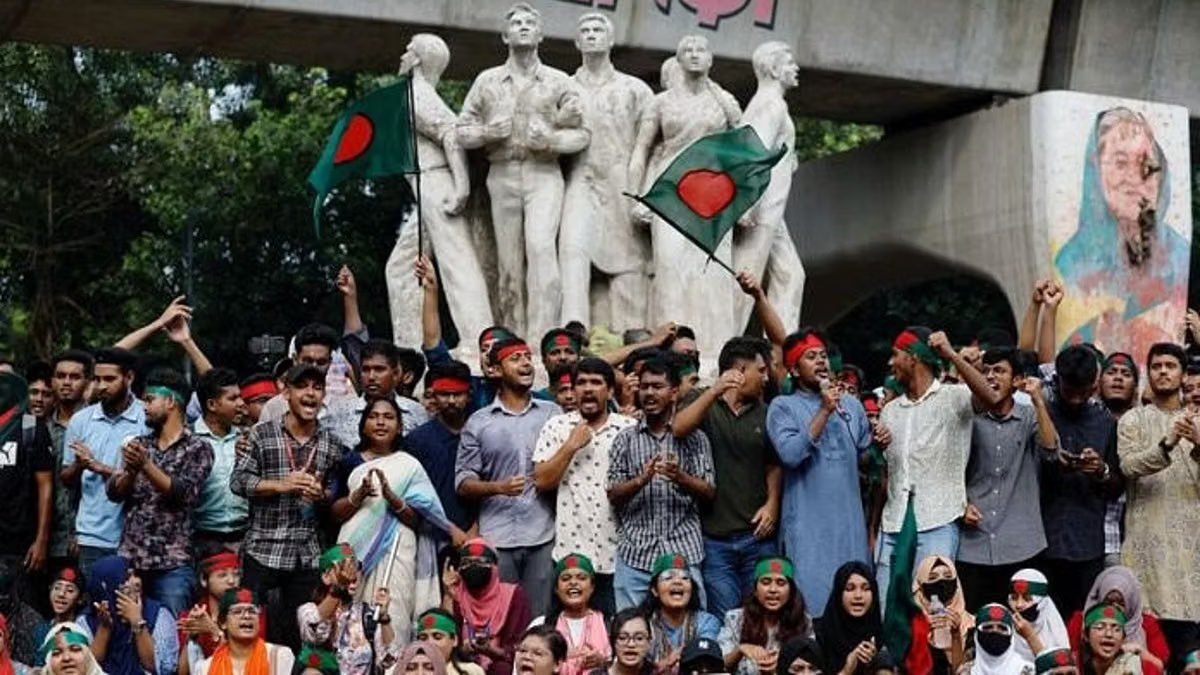
July is a busy month for Bangladesh. It is also the nation’s month of reckoning. In 2024, the students’ uprising that spread across the country like wildfire in July brought down the regime of then-prime minister Sheikh Hasina by early August.
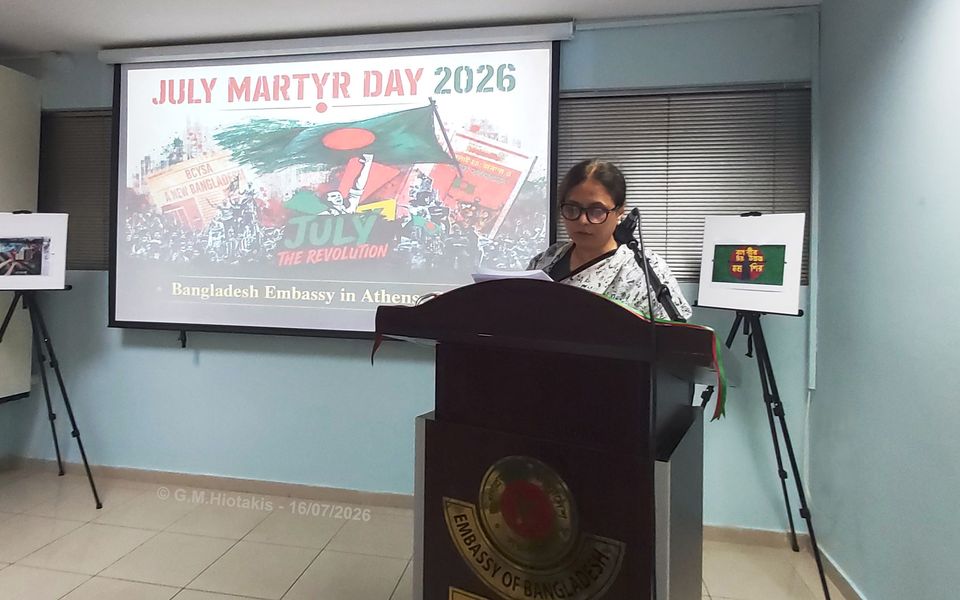
The two Julys since then have been marked by national days of remembrance, state homage by highest-ranking government officials, and rallies at landmark locations like Saheed Minar by parties such as the National Citizen Party (NCP), the new student-led party that came out of the 2024 uprising.But something has changed this July. The word itself has become a prefix for the divisive, cuss phrase ‘July CDI’. While the NCP and Bangladesh Jamaat-e-Islami, the country’s largest Islamist party, are now firmly in bed, Bangladesh is grappling not just with the Hasina question, but a more existential query: what was the point of so much bloodshed in July 2024?
‘July CDI’ and the Hasina hangover
On 1 July this year, popular Bangladeshi actress and director Meher Afroz Shaon made a controversial social media post referring to the 2024 uprising as “July CDI”. The abbreviation “CDI” is a common Bengali cuss word, used in both Bangladesh and West Bengal. On 4 July, The Daily Star reported that a general diary has been lodged with the Shahbagh Police Station against three women, actresses Meher Afroz Shaon and Mahiya Mahi and Shanta Farjana, for “allegedly mocking the July uprising and disrespecting its memorial on social media”.“According to the complaint, Shanta Farjana threw a shoe at the July memorial. Meanwhile, Shaon allegedly portrayed the July uprising as a ‘staged event’, while Mahi allegedly mocked individuals and organisations that participated in the movement,” the Daily Star report said. Since then, Bangladeshi social media has been filled with users referring to the students’ uprising as ‘July CDI’. In a viral Facebook post, user Joyturja Chowdhury is seen showing the middle finger to supporters of the “unholy” July uprising as he repeats the words ‘July CDI’ while speaking out against those who disregard Bangladesh’s 1971 war of independence, the leaders and supporters of the Jamaat-e-Islami, and other fundamentalist forces.From the other side, the term ‘Mujib CDI’ has been coined to attack those who are putting up posts deriding the students’ uprising. Popular YouTuber Elias Hossain put up a post telling his viewers that to answer those who are shouting ‘July CDI’, the words ‘Mujib CDI’ and ‘Hasina CDI’ would be used from now on.For retired Bangladeshi diplomat Mohammad Harun Al Rashid, the social media disenchantment with the July uprising and the coinage of slangs around it have to do with the realisation that under the garb of a students’ revolt, Islamists have been empowered in Bangladesh. “First, Muhammad Yunus gave a free run to the Jamaat-e-Islami and other radical forces, and now Tarique Rahman is carrying on with the same policy of pandering to Islamists. Naturally, a large chunk of the citizenry is agitated with the direction Bangladesh is taking,” Rashid told ThePrint over the phone. For Bangladeshi political journalist Sahidul Hasan Khokon, even on the second anniversary of the July uprising, the Hasina question still haunts Bangladesh. “Hasina’s declaration that she would return to Bangladesh this December has the country divided. The Tarique Rahman government is rattled. A court has given Hasina the death verdict yet there is considerable social media and ground support for her in Bangladesh,” Khokon told ThePrint, adding that the popularity of the phrase ‘July CDI’ goes on to show how a sizeable section of the population has turned away from those who thought overthrowing Hasina would change Bangladesh for the better.“Despite government crackdown there are now open processions across Bangladesh in support of Hasina. This, even as the Tarique Rahman government has effectively cut off legal avenues for the Awami League to return to electoral politics,” Khokon said.