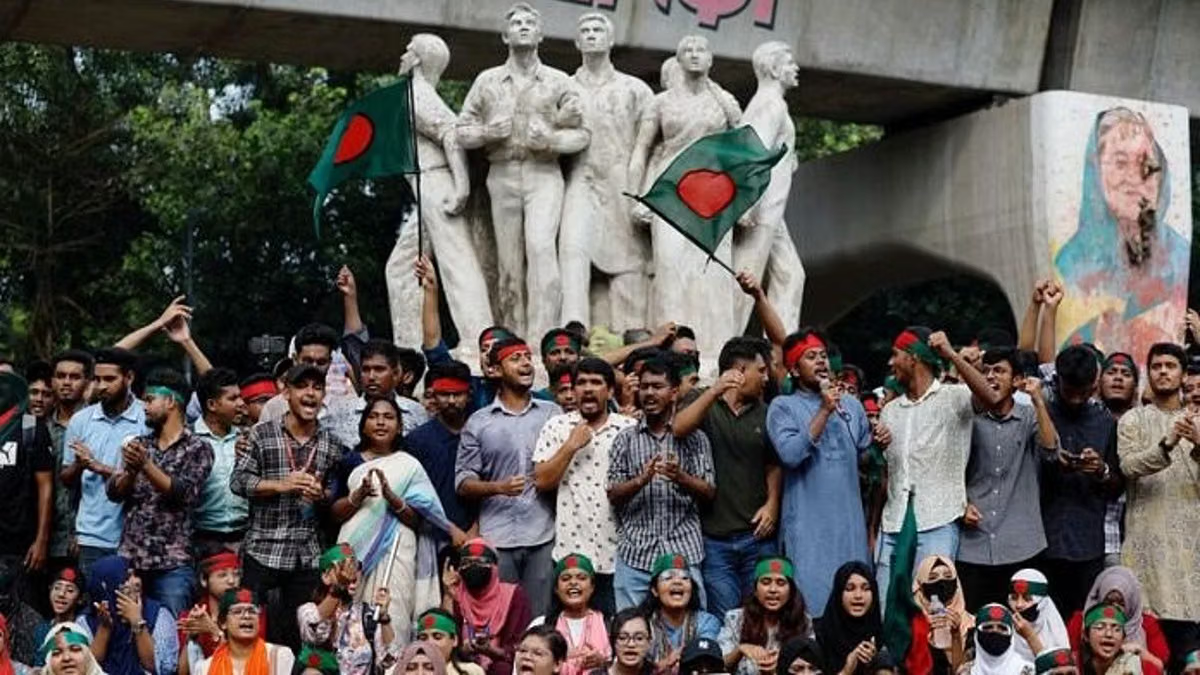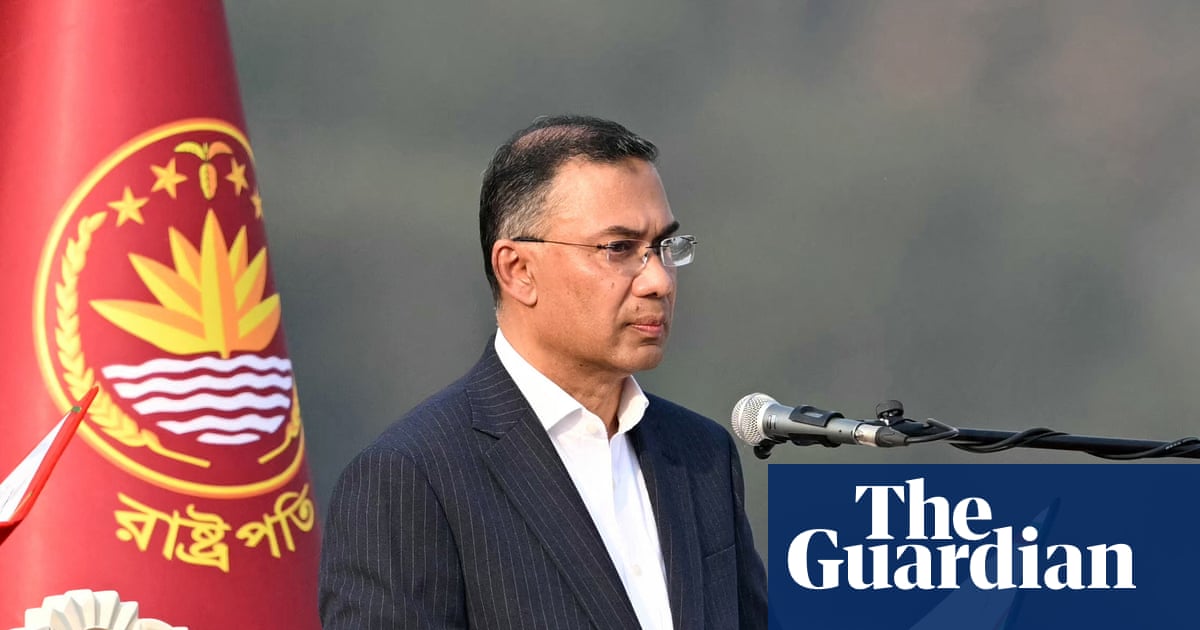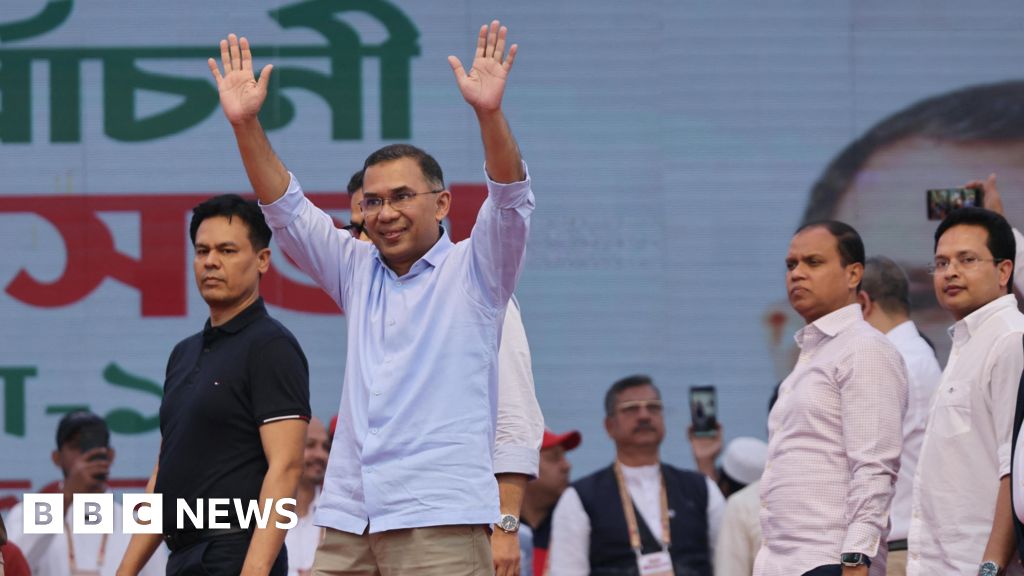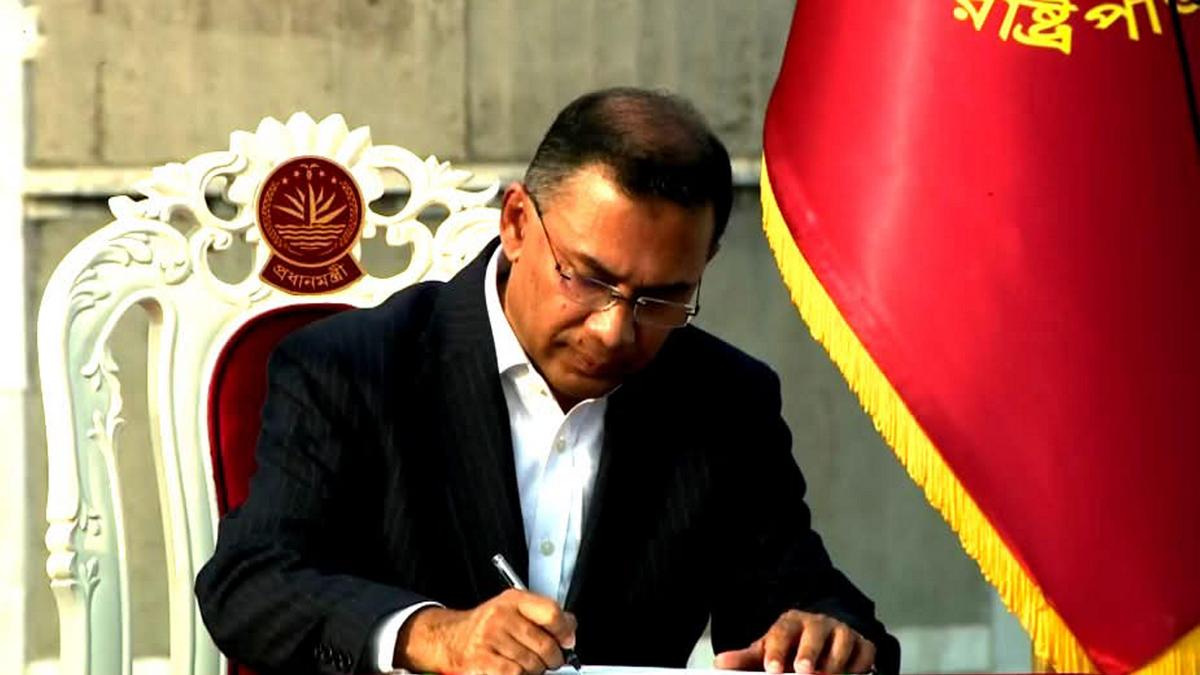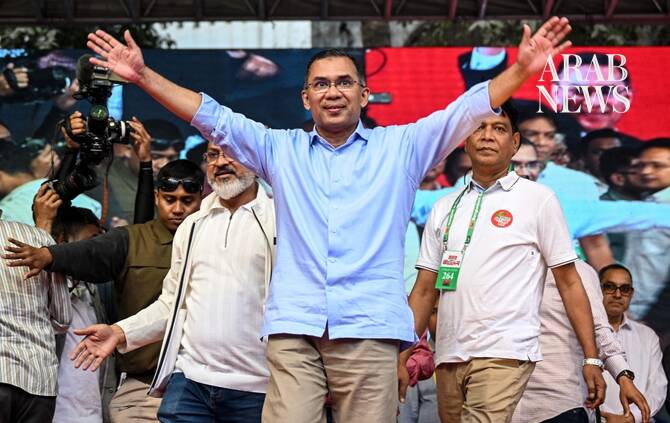
On July 4, Bangladesh’s Prime Minister Tarique Rahman joined the July National Conference-2026, organized to mark the second anniversary of the July revolutionary mobilization. “The conference is being held in remembrance of the bloody July Revolution. The program is dedicated to the martyrs,” Rahman’s additional press secretary Atikur Rahman Rumon said.
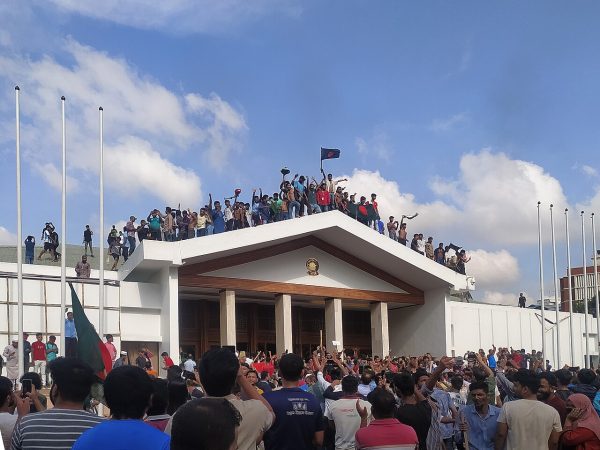
The July Revolution ended the 15-year authoritarian rule of Sheikh Hasina. This was a 36-day-long mass protest, which initially ignited over civil service quota reforms and then rapidly transformed into a nationwide revolutionary movement that culminated in Hasina’s ouster from power on August 5, 2024. She fled to India that day. Several ministers, parliamentarians, police officers, high court justices, bureaucrats, military officers, university teachers and central mosque imams (clerics) either fled abroad or went into hiding in Bangladesh.
In the 24 months since the July Revolution, Bangladesh has gone through immense turmoil due to institutional transitions and mob violence.
Nobel laureate Muhammad Yunus took charge as head of an interim government. On February 12 this year, a general election was held, which brought the Bangladesh Nationalist Party (BNP) under the leadership of Rahman to power. Bangladesh’s largest Islamist party, the Jamaat-e-Islami, is the main opposition party.