Yueyang, a city in Hunan province, is famous for its tower, an elegant three-story pavilion immortalised in millennium-old prose still memorised by schoolchildren. But these days it is the streets around the tower that matter more, at least for those concerned with Chinese governance. They feature an ambitious project to revitalise the city. More than that, they represent a new turn in China’s economic management, as officials try to ease fiscal straits by squeezing more out of state assets.
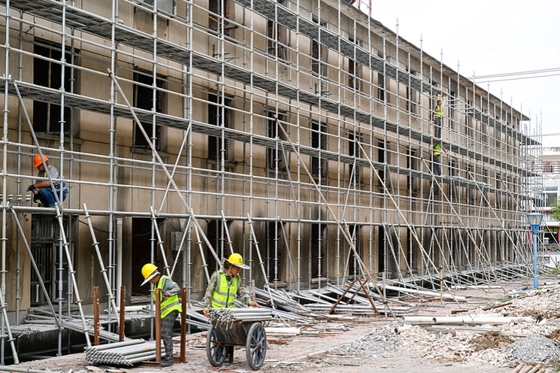
The physical transformation is stunning. The area covers three square kilometres—roughly the size of New York’s Central Park—and until recently featured dilapidated buildings, messy markets and a run-down harbour. Crucially, these properties were almost all owned by local authorities and many lay unused. The city has converted streets into attractive pedestrian spaces, renovated the buildings and spruced up the waterfront. Restaurants, shops and hotels have opened up in the new digs, generating rent for municipal coffers. On a recent summer evening, tourists and locals flocked to outdoor tables. A local official who has helped oversee the project told Chaguan that his mission was far from accomplished: „The next big challenge is to make money.”