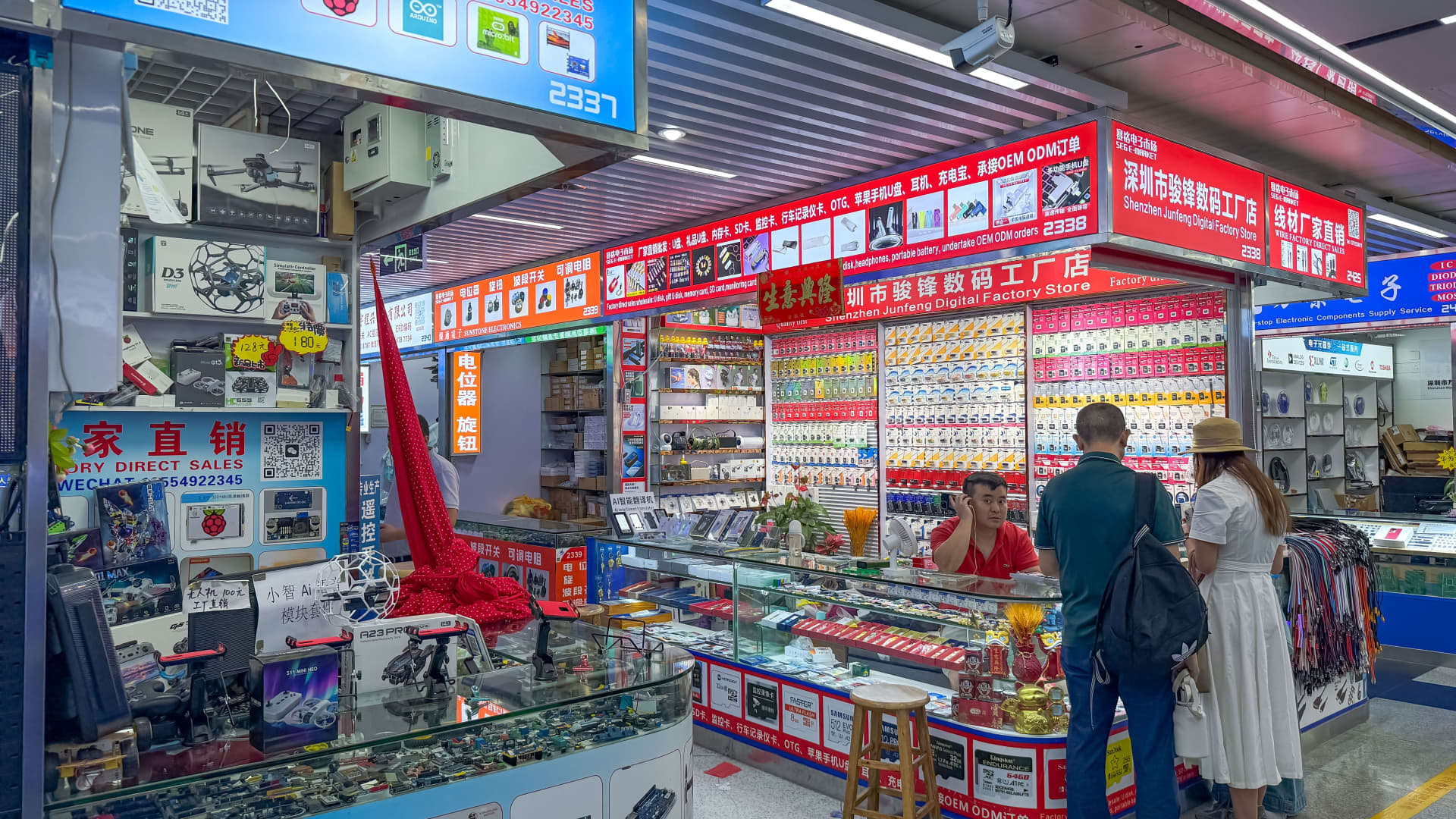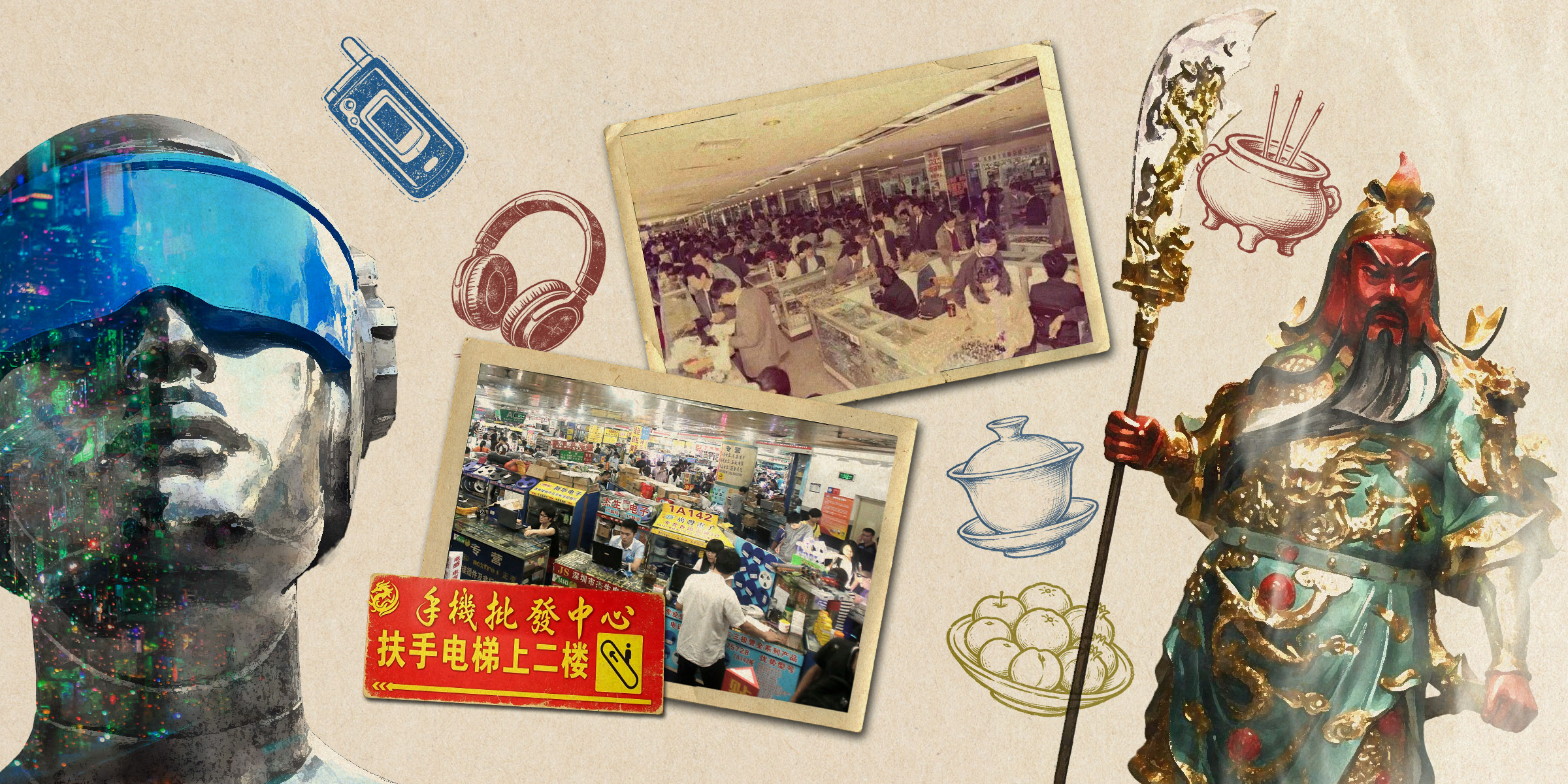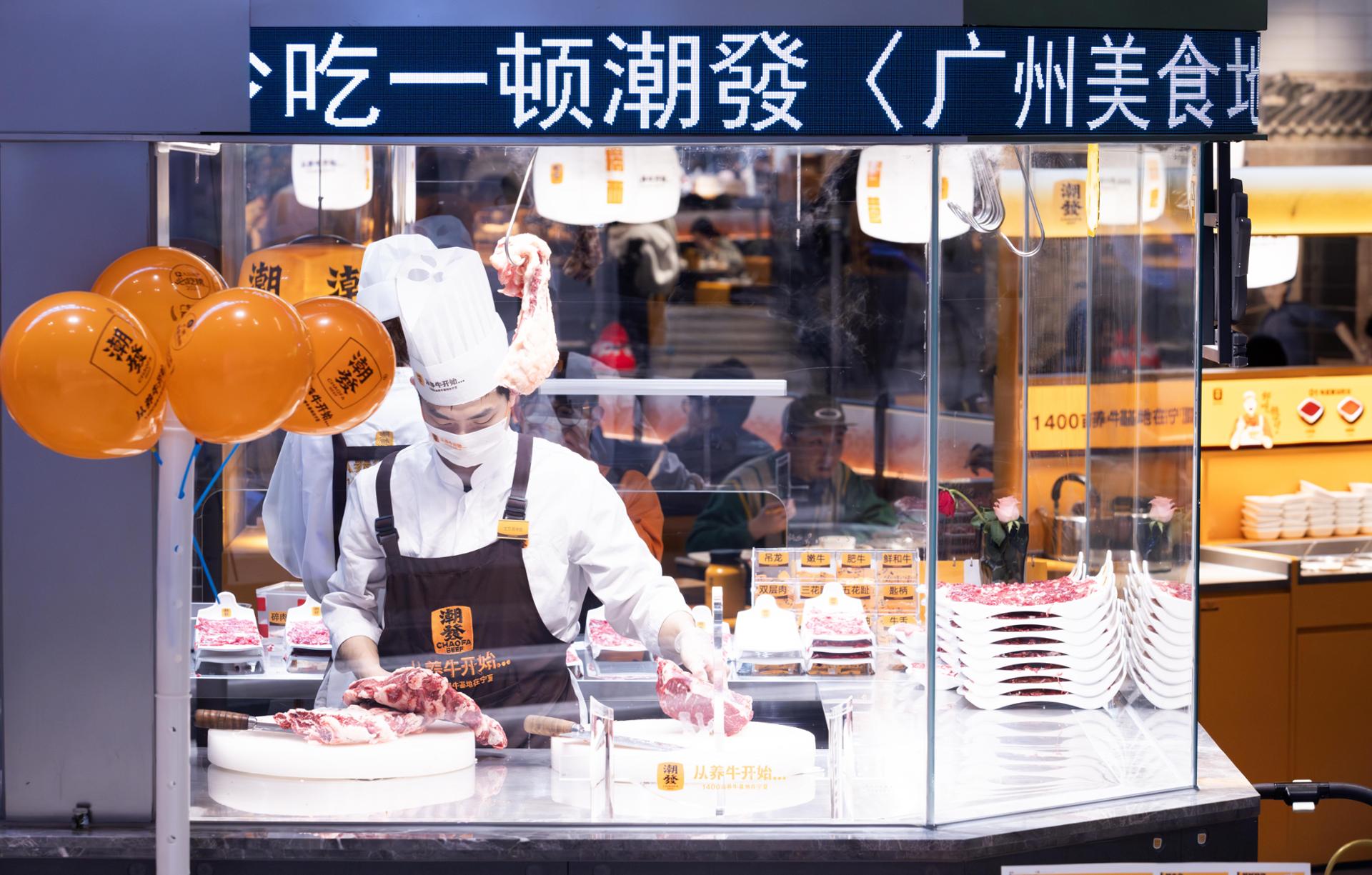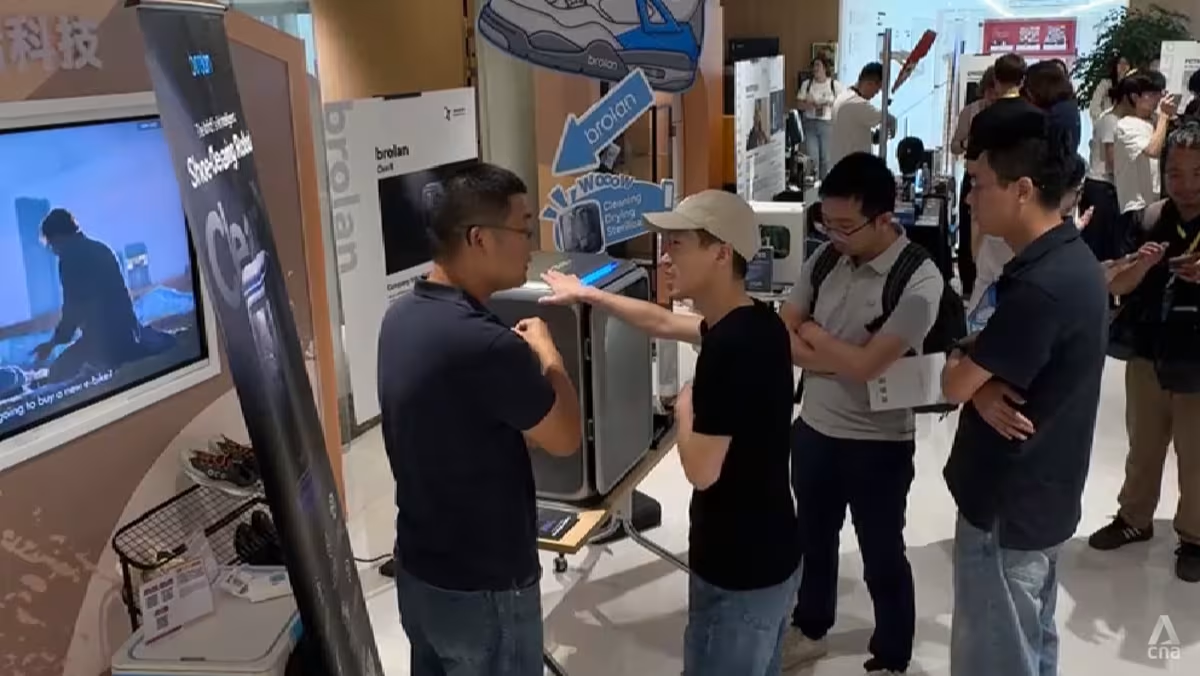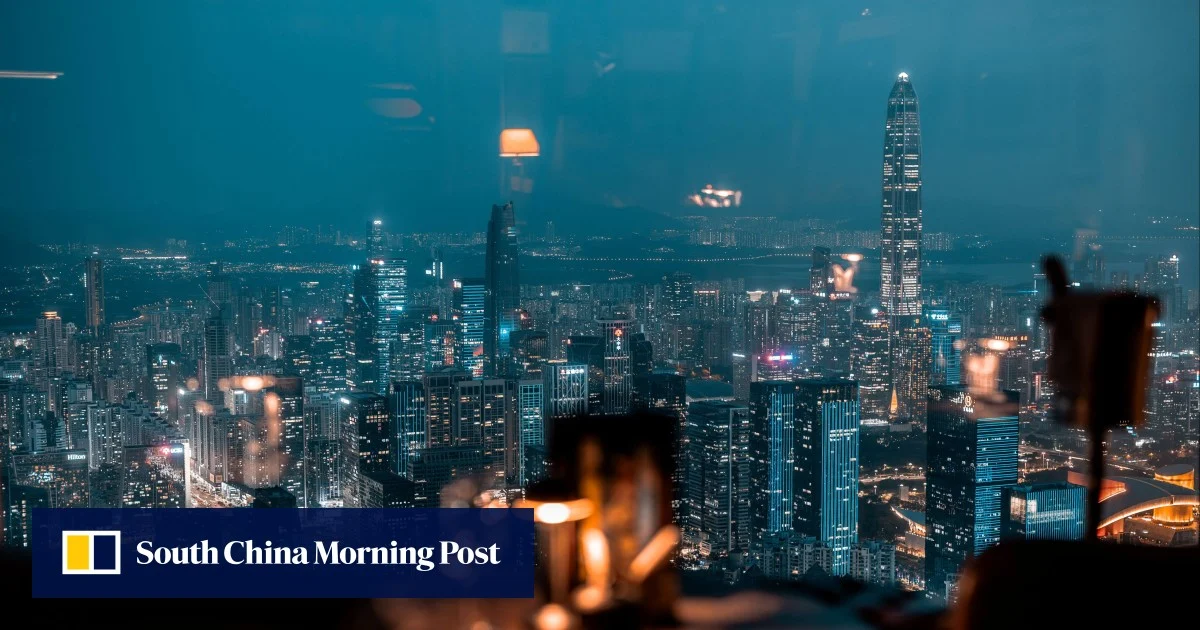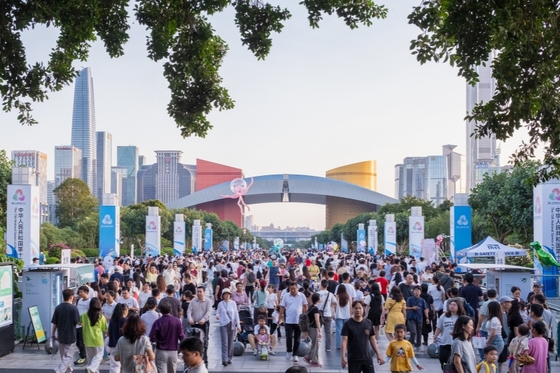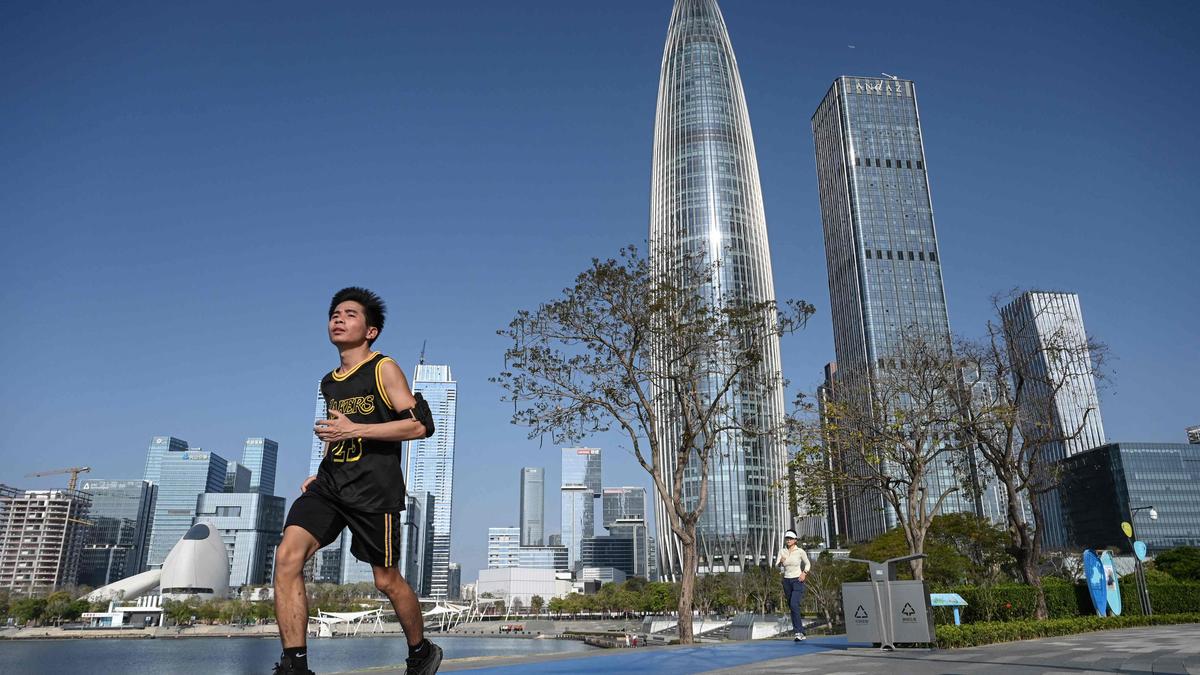
Back here in Kolkata, I often hear friends marvel at the skyline of Shenzhen, wondering if such gleaming towers could truly rise from what was once marshland and sleepy fishing hamlets. Even among those who have not set foot in China, the names of its corporate giants — Huawei, BYD, Tencent — are deeply familiar, echoing through our regional dialogues on technology and commerce. There is a sense of healthy admiration, not just for the wealth generated but also for the seamless integration of innovation into the rhythms of daily life. While lacking the historical depth like West Bengal, Shenzhen shares a similar ambition to transform its economic landscape and improve the lives of its people.Four decades ago, however, that future was far from certain. Mirroring countless settlements across the Global South, Shenzhen grappled with typhoon-battered coasts, inadequate infrastructure, scarce capital, and limited prospects.Today, that same locale has evolved into a global metropolis of over 18 million people, boasting a per capita GDP exceeding $30,000. It stands as a compelling case study in a new development philosophy — one anchored in innovation, coordination, green growth, openness, and shared prosperity.Innovation as the prime moverTo champion innovation is to chart the course for the future. Shenzhen has cultivated a holistic ecosystem for start-ups and tech enterprises, providing tailored support spanning funding, infrastructure, and housing. The city now hosts over 25,000 nationally recognised high-tech firms. Its artificial intelligence and robotics sectors are witnessing explosive growth, with industrial output climbing by 12.7% and 15.9%, respectively. Crucially, this innovation engine has become a massive jobs creator, absorbing waves of skilled and semi-skilled workers. Here, innovation transcends boardrooms; delivery robots navigate the metro to restock stores, while drones traverse the skyline delivering meals.True progress demands harmony between the old and the new. Over a thousand urban villages house more than half of Shenzhen’s population. Rather than opting for indiscriminate demolition, the city has pursued organic integration. A prime example is Nantou Old Town, a settlement with a 1,700-year history. With only 30% of the area redeveloped, the site has been transformed into a vibrant landmark where heritage and modernity coexist seamlessly. In Shenzhen, development is not a zero-sum game of replacement, but a process of symbiosis.Shenzhen recognises that economic advancement must not come at the expense of ecological health. In 2017, it became the world’s first city to fully electrify its public bus fleet, followed by taxis in 2018 and ride-hailing vehicles by 2020. Concurrently, the city injected over US$17.7 billion into river restoration. Waterways once choked by pollution have been reborn as ecological corridors and public parks, enhancing the quality of life for all residents.Openness as an indispensable pathwayProsperity thrives on engagement. As a core engine of the Guangdong-Hong Kong-Macao Greater Bay Area, Shenzhen encourages its enterprises to expand globally while maintaining a welcoming stance toward foreign investment. From 2021 to 2025, the city witnessed the establishment of 44,000 new foreign-invested enterprises, attracting over US$44.3 billion in actual utilised capital. In 2025 alone, its total import and export volume soared to US$670 billion. This influx has been pivotal in refining the ease of doing business, turning the city into a magnet for global capital.Development must ultimately serve the people. The local adage, “Once you arrive, you are a Shenzhener,” encapsulates the city’s inclusive ethos. In 2025, fiscal spending on education, healthcare, social security, and housing reached US$45 billion, accounting for 67.7% of the municipal budget. On the streets, 24-hour “food banks” operate on a model where businesses donate surplus goods for tax credits, ensuring that those in need have dignified access to essentials.A story beyond ShenzhenShenzhen’s journey offers a lens through which to view a distinct approach to modernisation — one defined by the principles outlined above. It is not a rigid template, but a framework refined through practice.Endowed with a rich cultural heritage and a deep pool of skilled talent, West Bengal is similarly striving to revitalise its industries and embrace green growth. As the state prioritises industrial acceleration and job creation, Shenzhen’s blueprint offers tangible insights into building a predictable and efficient business environment. While China and India differ in historical trajectories and institutional designs, our peoples share common aspirations: cleaner air, seamless connectivity, and better livelihoods.With direct flights between our nations gradually resuming, people-to-people exchanges are poised to flourish. China stands ready to deepen dialogue and cooperation with India, particularly in urban governance and sustainable development. Diverse civilisations may offer varied solutions, but through candid conversation, we can unlock new possibilities for shared progress.Xu Wei is the Consul-General of the People’s Republic of China in Kolkata
Shenzhen: the story of a new development philosophy
Discover Shenzhen's transformation from humble origins to a thriving metropolis through innovation, sustainability, and inclusive development principles.
764 words~3 min read