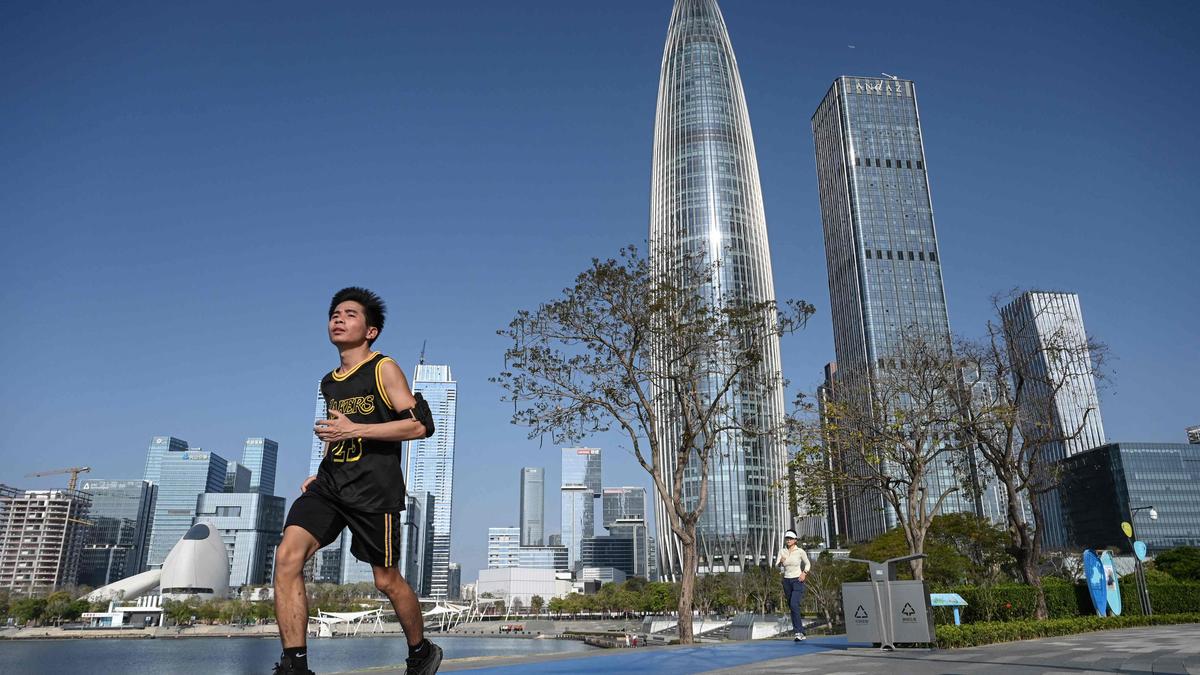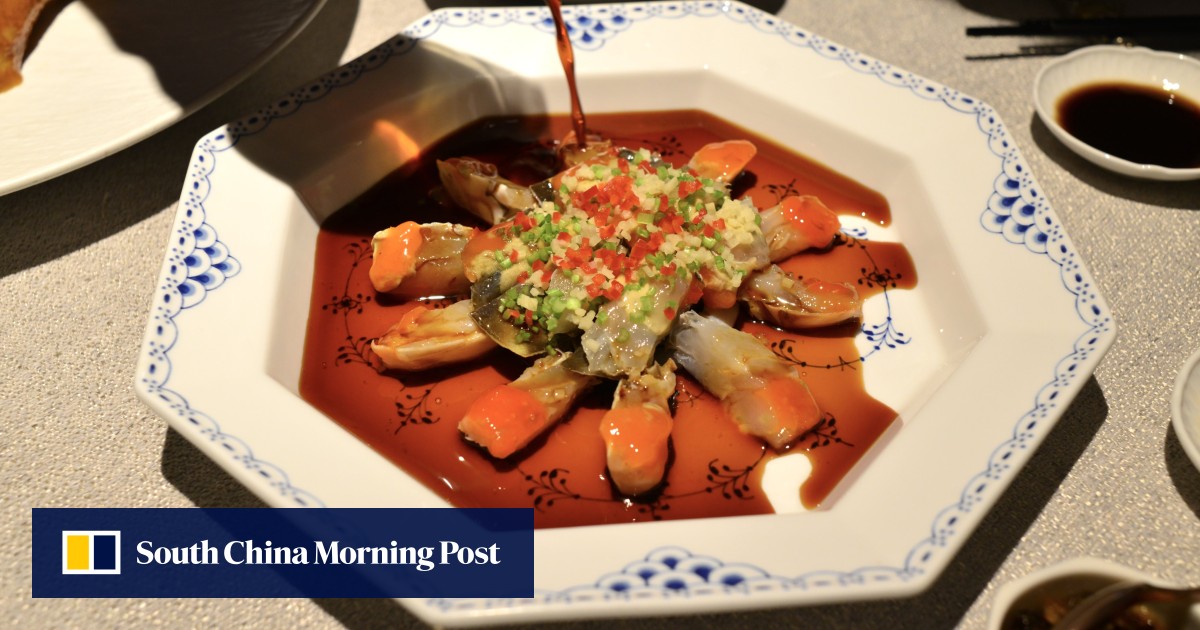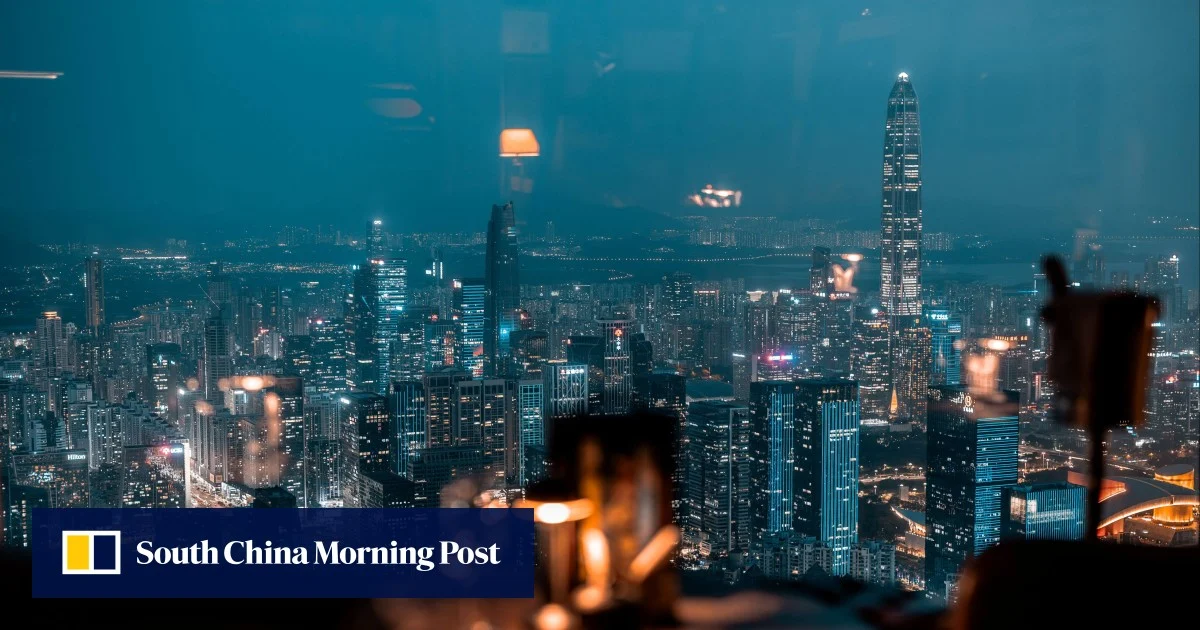
Driven by an affluent and youthful population, Shenzhen – aka China’s Silicon Valley – has witnessed a boom over the past decade in high-end contemporary restaurants, offering everything from sophisticated modern Chinese gastronomy to Western fine dining. No longer famous for fake handbags and electronics, Shenzhen is making a name for itself as Asia’s newest culinary hotspot.This transformation has deep roots. After Shenzhen was declared a special economic zone in 1980, the city experienced an exponential increase in employment opportunities almost overnight. Migrant workers flooded in from across China, and gradually this economic development gave rise to a middle class with disposable income and the free time to spend it.Shenzhen’s dining scene has come a long way since McDonald’s opened its first mainland branch in the city back in 1990. Photo: Paul LakatosYet the high-end dining landscape did not catch up until much later. As noted by Tata Dai, a China-based fine dining consultant, “Before the pandemic, high-end dining was limited to a few Cantonese, Chiu Chow, and five-star hotel restaurants, plus a smattering of Japanese and Western options.”That is not to say Shenzhen was devoid of innovative restaurants pre-pandemic. Pioneers like Ensue – then a progressive establishment following a Californian farm-to-table ethos – set benchmarks for local fine dining and laid the foundations for what was to come.“When Ensue opened in 2019, it was one of the best fine dining establishments not just in Shenzhen, but in all of Asia,” says Yang Guang, 50 Best Academy vice chair for mainland China. “So many chefs, restaurant managers and marketing professionals today can trace their roots back to this institution.”Elegant ambience and sophisticated cuisine at Ensue. Photo: HandoutThen Covid-19 hit, acting as both a challenge and an opportunity for Shenzhen’s dining industry. Although establishments endured temporary shutdowns, restrictions on international travel spurred a new-found interest in local dining experiences. With nowhere else to go, food enthusiasts drove demand for high-quality dining at home. Jeff Wu, executive chef of Ensue, recalls, “Covid helped accelerate a change in people’s tastes. During the three years when international travel was restricted, people became more connected to local flavours and developed a deeper appreciation for regional cuisine.”
Inside Shenzhen’s evolving culinary scene
Once infamous as a hub for counterfeit goods and cheap spa treatments, China’s Silicon Valley has matured into a gastronomic destination.
361 words~2 min read