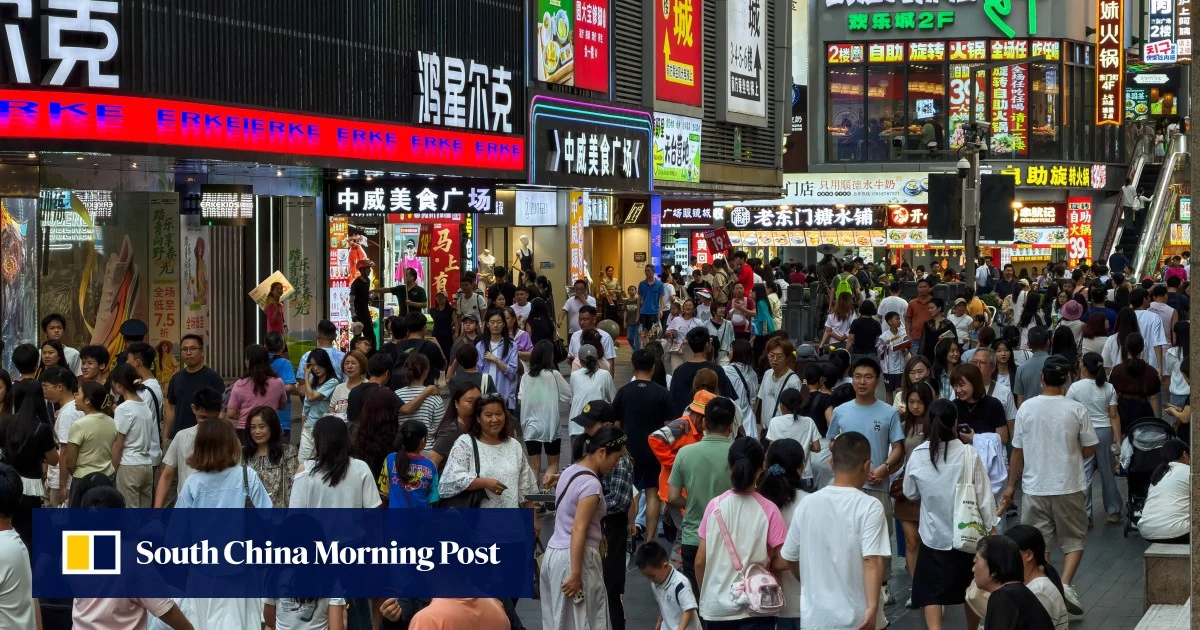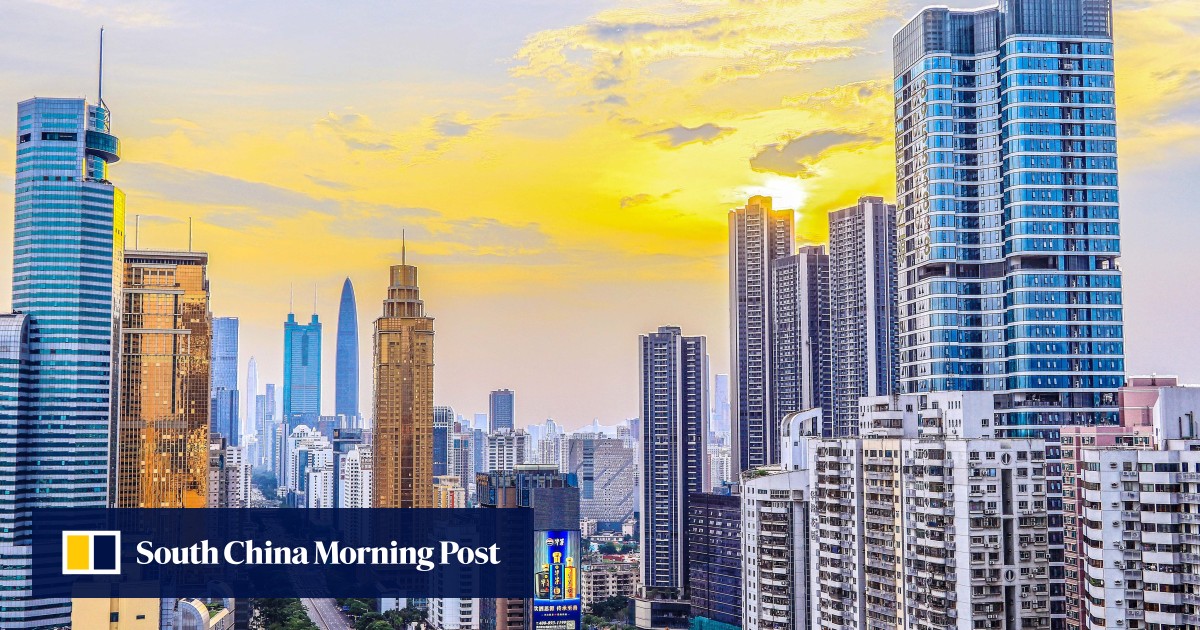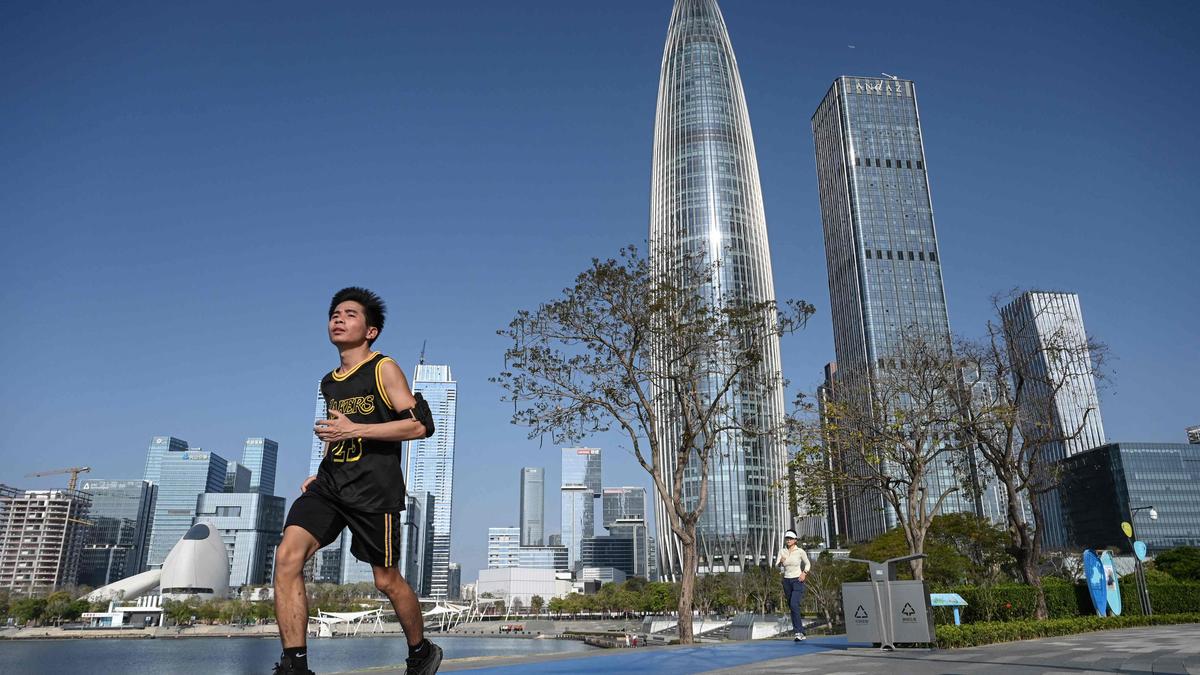
1. Shenzhen has emerged as the leading winner in China's nationwide competition to attract residents and counter demographic decline [para. 1]. By the end of 2024, its permanent population reached 18.25 million, adding 259,000 residents—the largest increase among major Chinese cities that have released data so far [para. 2]. This growth is part of a broader trend where only five major cities saw gains exceeding 100,000 last year: three in Guangdong province (Shenzhen, Dongguan with 229,600, and Guangzhou with 123,000) plus Changsha and Jinan [para. 4]. Shenzhen's population has grown by 586,700 over the past three years, accelerating its expansion [para. 5].2. Unlike many Chinese cities that rely on local births, Shenzhen’s growth is driven primarily by migration [para. 6]. It has the largest nonlocal population among China's four largest cities, with 11.68 million residents lacking local household registration (hukou), accounting for 65% of the population [para. 6]. The city's demographic pull is rooted in its vast industrial economy: in 2025, Shenzhen's total industrial output and value added for enterprises above a designated size ranked first among Chinese cities for the fourth consecutive year [para. 7]. Manufacturing-heavy districts (Baoan, Longgang, Longhua) house 62.7% of the population and contributed 59% of last year's growth [para. 8]. Meanwhile, high-end service sectors like finance, technology, and logistics drew educated professionals, generating 62,300 new jobs from government projects and emerging industries [para. 9]. Shenzhen also streamlined talent attraction with a digital "one-stop" registration system covering graduates and professionals [para. 10].3. This magnet-like pull contrasts with other first-tier cities: Guangzhou posted moderate growth, while Beijing and Shanghai tightly control population sizes—Beijing's nonlocal population has fallen by 430,000 over the past decade under a 23 million cap [para. 11]. Shenzhen remains notably young, with an average age of 32.5 versus the national average of 38.8, and over 8 million residents aged 14–35, nearly half the population [para. 12][para. 13]. Its relatively young demographics supported a rebound in the birth rate, rising to 9.57 per 1,000 in 2024 from 8.46 in 2023, well above the national rate of 6.77 per 1,000 [para. 13][para. 14].4. However, the influx of young workers and families strains public infrastructure [para. 15]. Shenzhen invested nearly 500 billion yuan ($74 billion) in education from 2021 to 2025, adding 965,000 public school seats, and braces for a surge in middle and high school enrollments [para. 16]. Growth is approaching a hard ceiling: the city's master spatial plan caps the permanent population at 19 million by 2035 due to resource and environmental constraints, leaving fewer than 750,000 spots over the next decade, which will sharply slow annual gains [para. 17][para. 18]. As migration inflow slows, Shenzhen will face aging pressures: by end of 2023, there were 1.38 million residents aged 60+ (7.77% of population), projected to reach 1.49 million (10.52%) by 2029, officially entering an aging society [para. 19].AI generated, for reference only
Analysis: Shenzhen Defies China’s Demographic Slump With Continued Population Growth
Young migrants and a powerful industrial base are driving the southern tech hub’s expansion, helping it attract more residents than any other major city
TL;DRAI
Shenzhen gained 259,000 residents in 2024 (18.25M total), China's largest city gain, driven by migration—65% of residents lack local hukou—and ranked #1 in industrial output for four straight years. A hard 19M population cap by 2035 leaves under 750K spots, signaling tightening labor supply for companies scaling manufacturing or tech operations in China.
478 words~2 min read