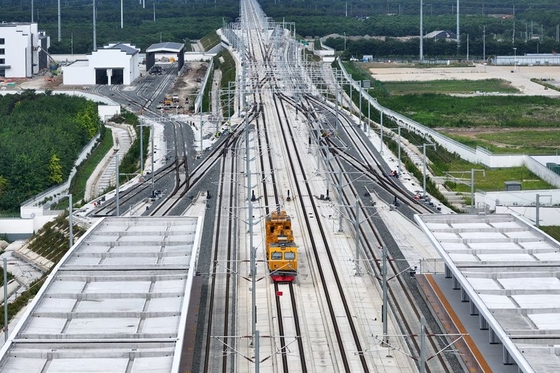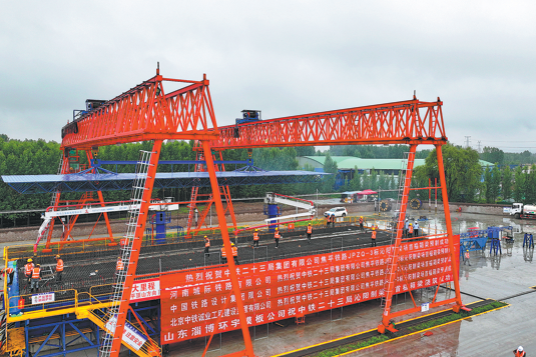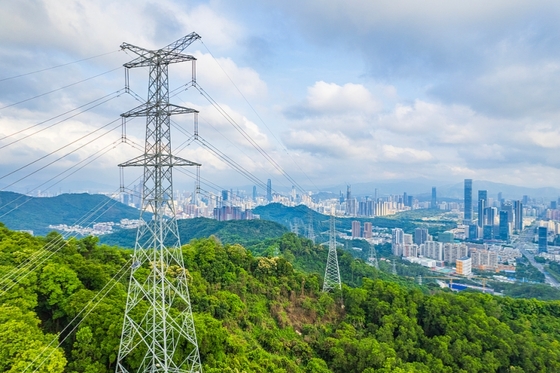
SynopsisChina is accelerating national infrastructure projects to boost economic growth this year. This strategy aims to offset reduced local government investment and tighten spending oversight. Beijing plans significant spending on various infrastructure upgrades and high-tech industries. Local governments face debt constraints, limiting their investment capacity and borrowing. Central government responsibility for growth support is increasing as controls tighten.ETMarkets.comChina has been looking to stabilise economic growth this year by speeding up already-budgeted national infrastructure projects rather than rolling out broad-based fiscal stimulus, as Beijing seeks to offset a sharp decline in local government investment, according to economists and a government adviser cited by Reuters.The strategy reflects the central government's effort to support growth while maintaining tighter oversight of local government spending, which policymakers believe has contributed to inefficient infrastructure projects, industrial overcapacity and persistent deflationary pressures in recent years.National Projects to Offset Local WeaknessRecent economic data showed a broad-based decline in investment, weighing on China's growth momentum. According to Reuters, officials believe accelerating centrally backed infrastructure projects could help cushion the slowdown caused by tighter local government budgets.State media has reported that Beijing plans to spend around 7 trillion yuan ($1 trillion) this year on infrastructure projects, including upgrades to water networks, logistics systems, underground pipelines, power grids, telecommunications infrastructure and computing power centres. Brokerage Changjiang Securities estimates that such investment could total nearly 26.9 trillion yuan over the next five years.Economists, however, say the latest push represents a recalibration of China's long-standing investment-led growth model rather than a major shift toward consumption-driven growth. The focus is on improving the quality of investment while reducing waste and excess industrial capacity.Policymakers expect centrally directed infrastructure spending, along with greater investment in high-tech industries, to improve productivity and create jobs after years in which investment generated rising debt with diminishing economic returns.Local Governments Face Debt ConstraintsPressure on local governments has emerged as one of the biggest drags on China's economy this year. Local administrations are facing stricter scrutiny over capital expenditure while simultaneously working to reduce heavy debt burdens.China's fixed-asset investment contracted 5.7% year-on-year during the first six months of 2026. Infrastructure investment declined 2.4%, manufacturing investment fell 1.2%, while investment in the property sector dropped 18%, extending the prolonged real estate downturn that began in 2021.Reuters calculations also showed that local governments issued 2.07 trillion yuan worth of special bonds during the first half of the year, representing 47% of their annual quota, slightly below the pace recorded during the same period last year.One government adviser told Reuters that the Communist Party's Politburo could, at its meeting later this month, encourage local governments to accelerate approved projects and allow some fourth-quarter borrowing quotas to be brought forward into the third quarter. However, projects that cannot generate sufficient revenue to service their financing costs are unlikely to receive approval.Limited Scope for Large-Scale StimulusAnalysts believe Beijing is unlikely to introduce sweeping fiscal stimulus despite weaker investment data.According to Reuters, economists expect policymakers to utilise remaining fiscal resources to stabilise investment and growth while avoiding excessive borrowing at the local level. The emphasis remains on directing resources toward projects considered strategically important by the central government.At the same time, some policy advisers have argued that greater fiscal support should be directed toward households instead of additional infrastructure investment, warning that projects in regions with shrinking populations could create another cycle of debt without generating adequate economic returns.Greater Responsibility for BeijingAs Beijing tightens controls over local government finances, the responsibility for supporting economic growth increasingly shifts to the central government.Reuters reported that authorities have also introduced stricter rules governing local government incentives, including limitations on practices such as unauthorised tax rebates, discounted land sales, subsidised electricity and company-specific subsidies.Economists note that the central government retains relatively low debt levels compared with local governments, giving Beijing greater capacity to finance priority investment projects if growth requires additional support.While infrastructure spending is expected to remain a key pillar of China's growth strategy, analysts say policymakers are focused on making investment more productive rather than launching another broad expansion driven by debt-funded construction.Read More News on(What's moving Sensex and Nifty Track latest market news, stock tips, Budget 2025, Share Market on Budget 2025 and expert advice, on ETMarkets. Also, ETMarkets.com is now on Telegram. For fastest news alerts on financial markets, investment strategies and stocks alerts, subscribe to our Telegram feeds .) Subscribe to ET Prime and read the Economic Times ePaper Online.and Sensex Today. Top Trending Stocks: SBI Share Price, Axis Bank Share Price, HDFC Bank Share Price, Infosys Share Price, Wipro Share Price, NTPC Share Price...moreless(You can now subscribe to our ETMarkets WhatsApp channel)Read More News on(What's moving Sensex and Nifty Track latest market news, stock tips, Budget 2025, Share Market on Budget 2025 and expert advice, on ETMarkets. Also, ETMarkets.com is now on Telegram. For fastest news alerts on financial markets, investment strategies and stocks alerts, subscribe to our Telegram feeds .) Subscribe to ET Prime and read the Economic Times ePaper Online.and Sensex Today. Top Trending Stocks: SBI Share Price, Axis Bank Share Price, HDFC Bank Share Price, Infosys Share Price, Wipro Share Price, NTPC Share Price...moreless
Global Market: China eyes faster national infrastructure spending to steady growth amid local investment slump
China is accelerating national infrastructure projects to boost economic growth this year. This strategy aims to offset reduced local government investment and tighten spending oversight. Beijing plans significant spending on various infrastructure upgrades and high-tech industries. Local governments face debt constraints, limiting their investment capacity and borrowing. Central government responsibility for growth support is increasing as controls tighten.
852 words~4 min read