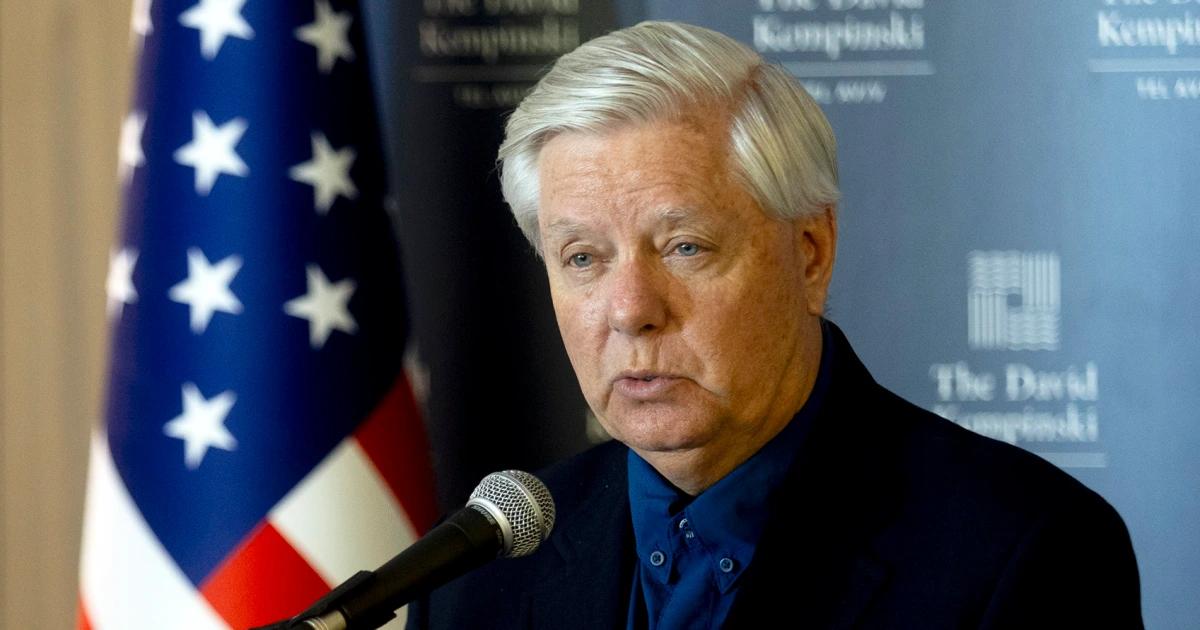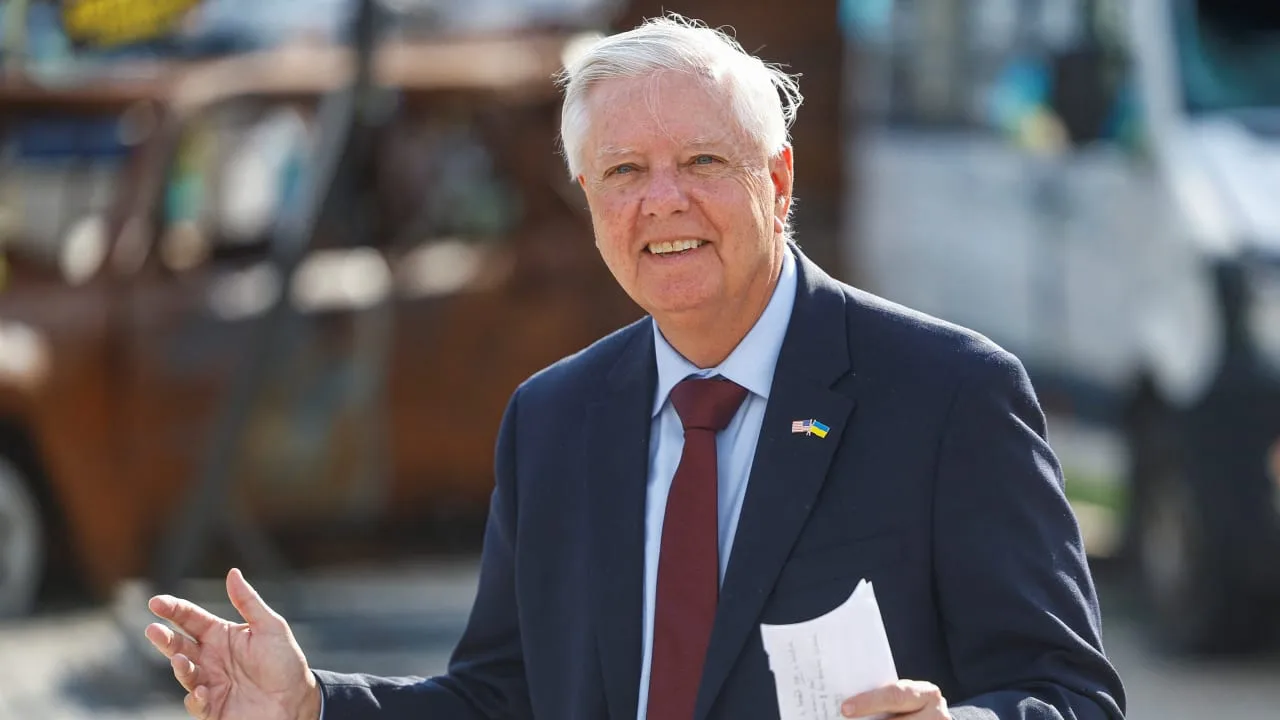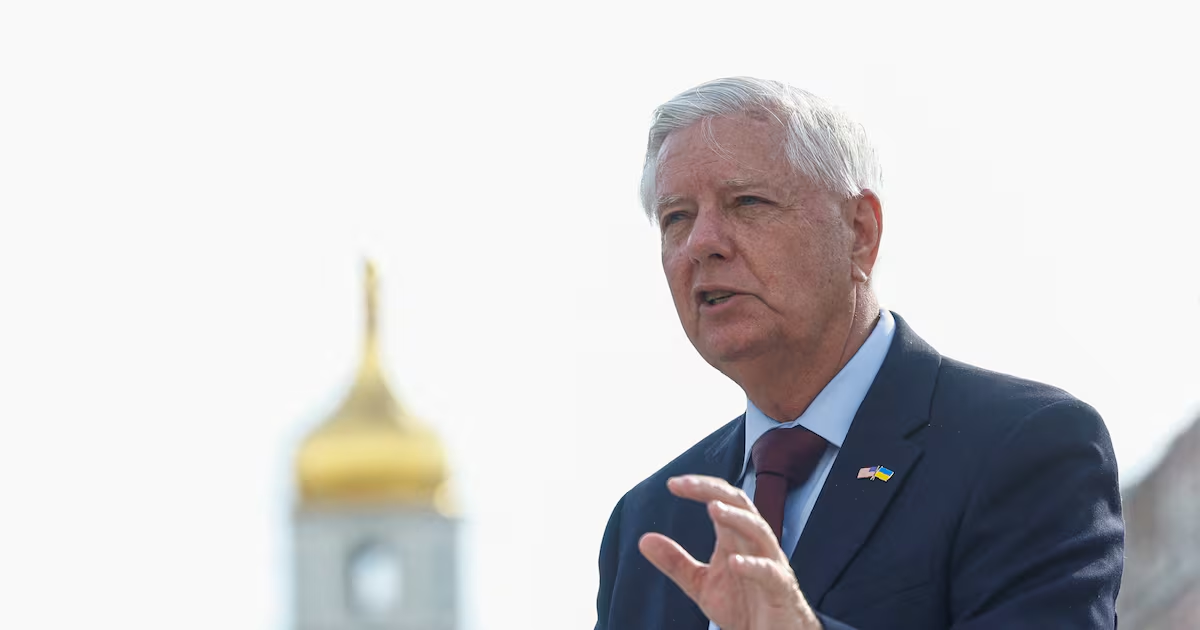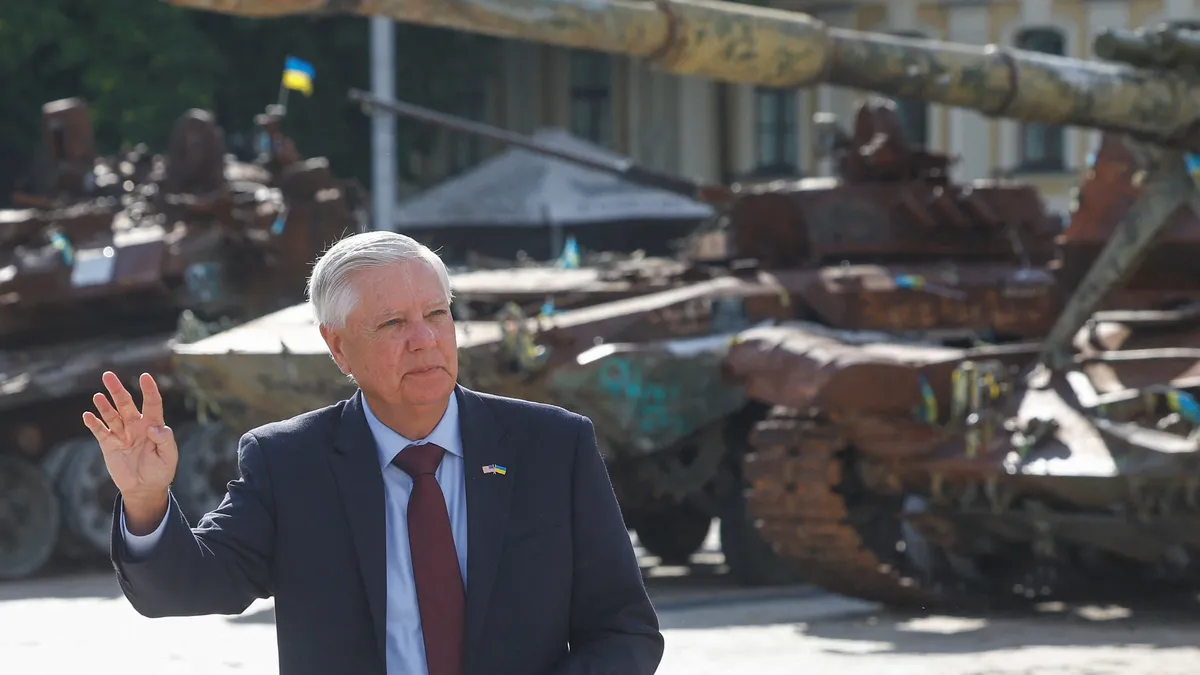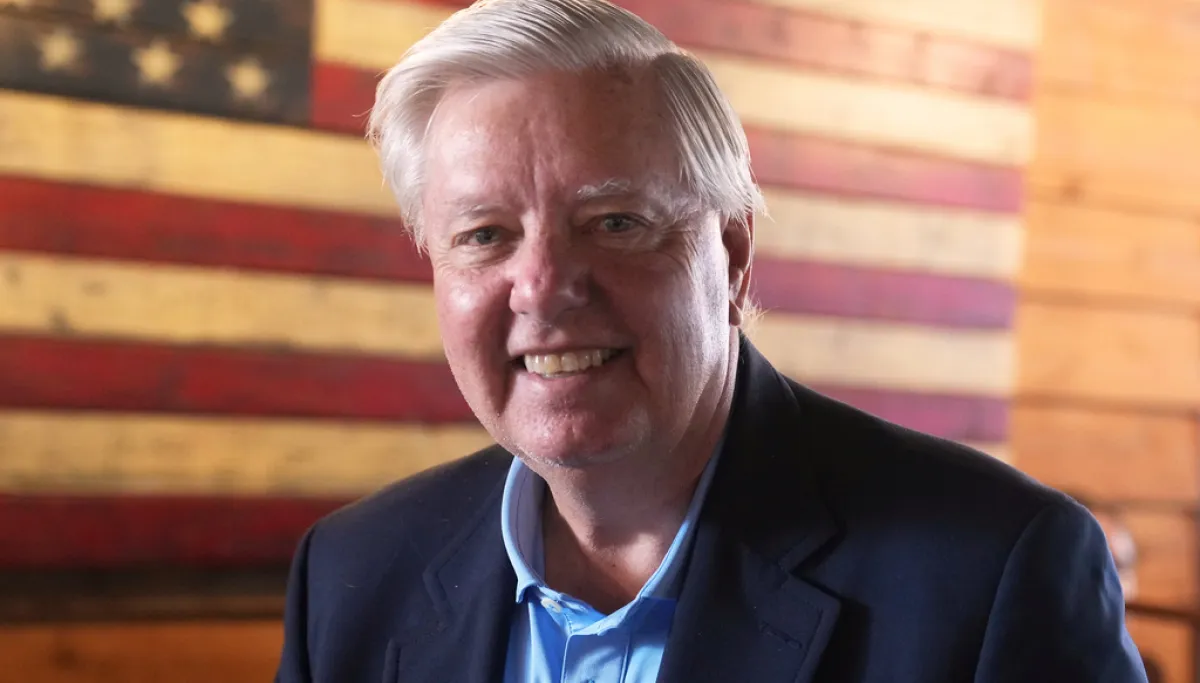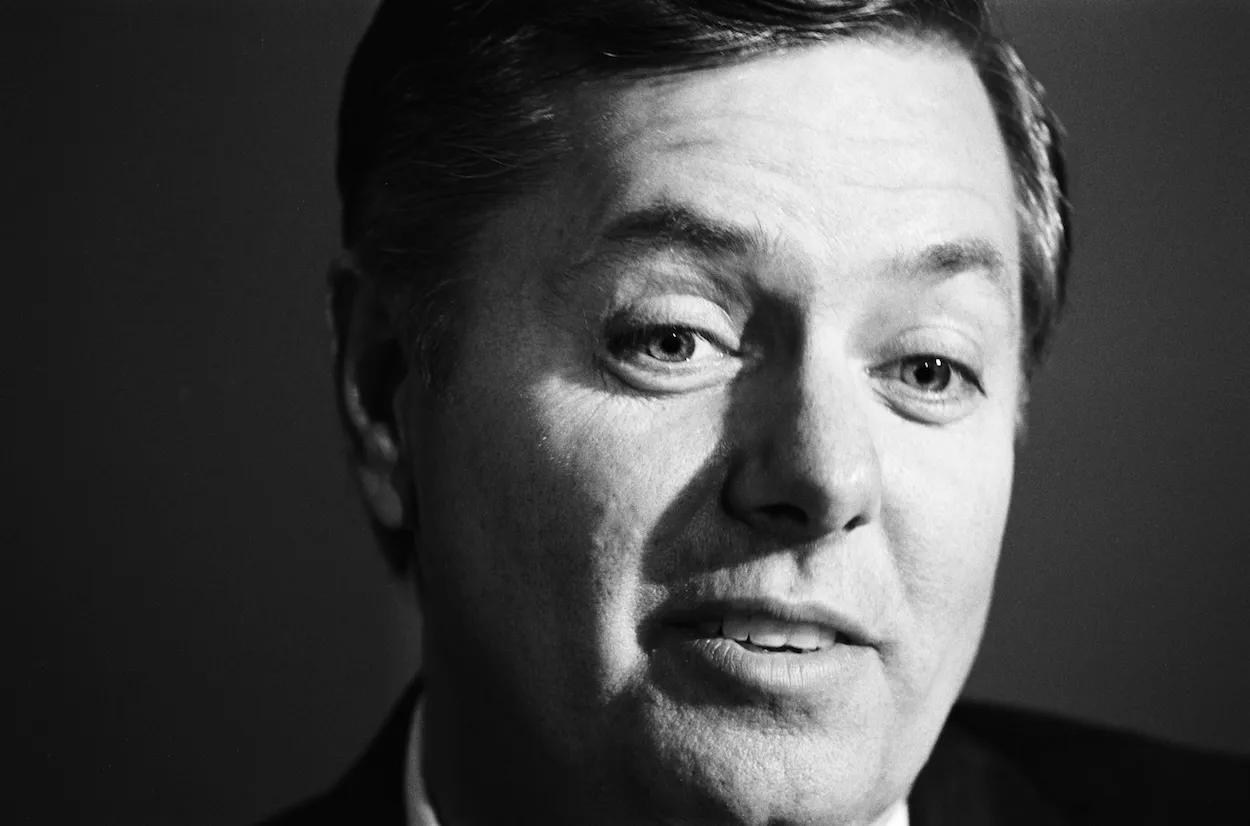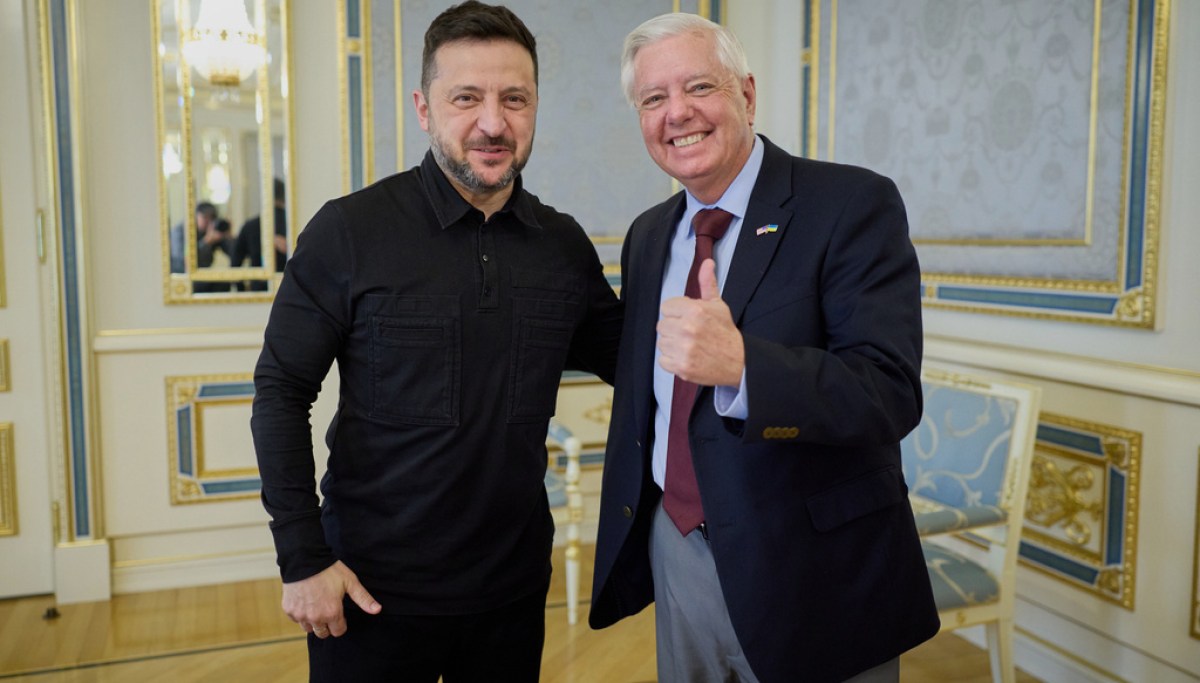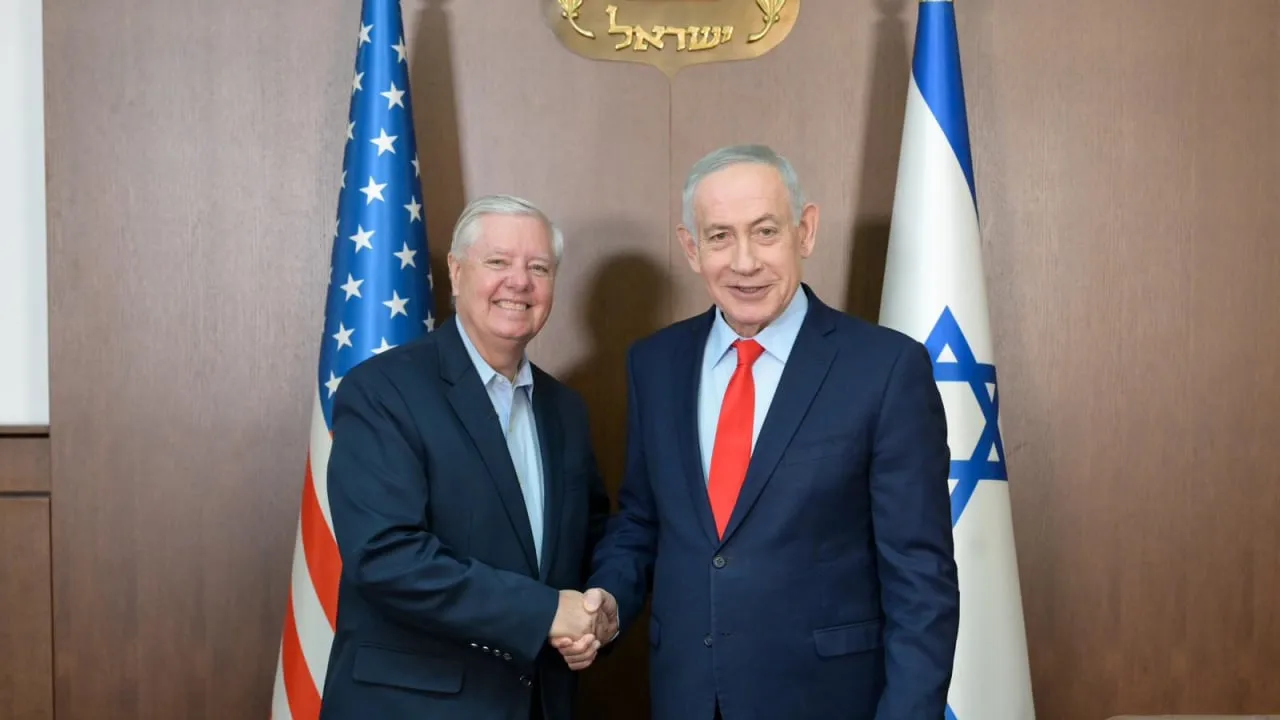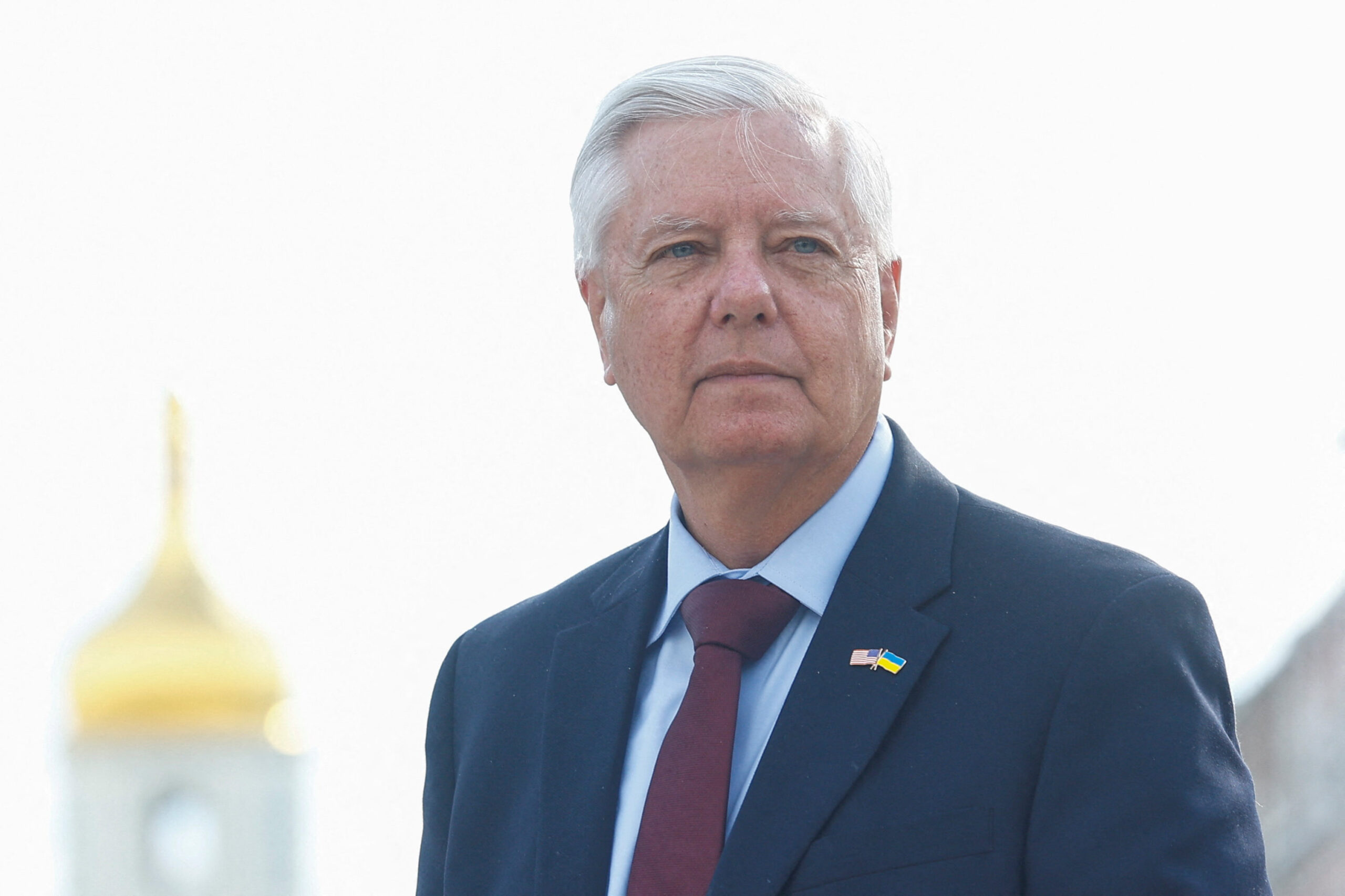
Lindsey Graham died with two of the world’s most consequential pieces of unfinished business on his desk. One was Ukraine’s survival as a sovereign, independent democracy, and the other was Saudi-Israeli diplomatic normalization. Either accomplishment would redraw the global map for the better while advancing US interests.
That says more about the South Carolina senator than much of what I have read following his death this past weekend. The commentary seems split between hagiography written by admirers of the happy warrior of American internationalism and indictments of an opportunist who transformed himself from a Never Trumper into a Trump sycophant.
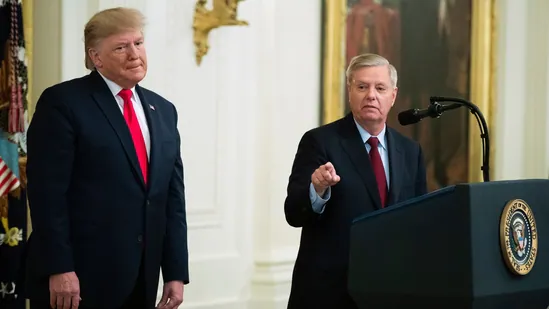
But to assess Graham’s impact, one also must take into account his work with the Trump administration and other partners on some of the defining issues of our time.
I knew Graham for almost thirty years, first meeting him when I was a reporter at The Wall Street Journal and he was in the House of Representatives. On several occasions, I joined him and Senator John McCain on plane rides to the Munich Security Conference, where they argued with evangelical fervor on behalf of international engagement by the United States. They were determined to sustain US global strategic purpose, driven by principle and always alongside allies.