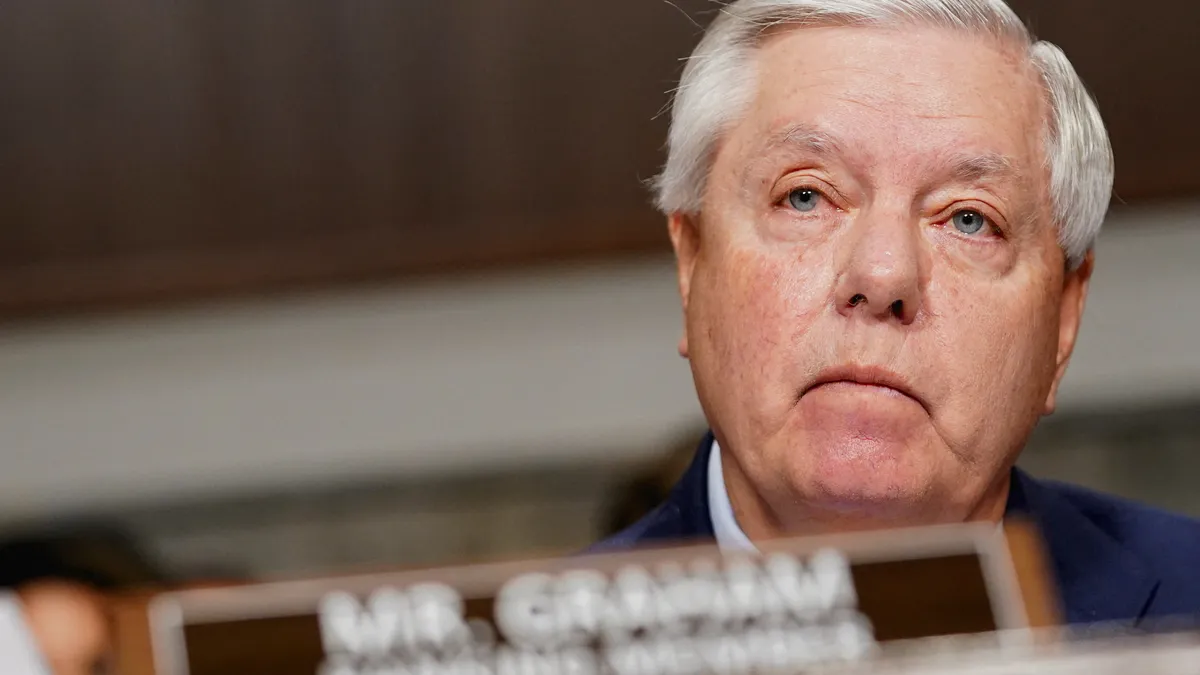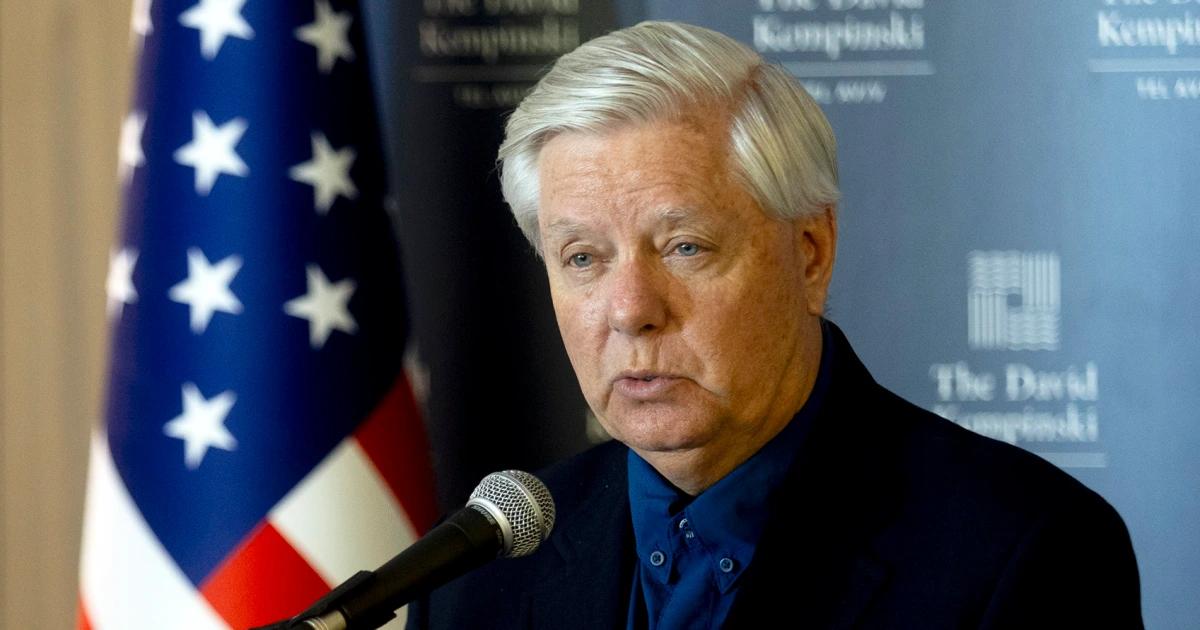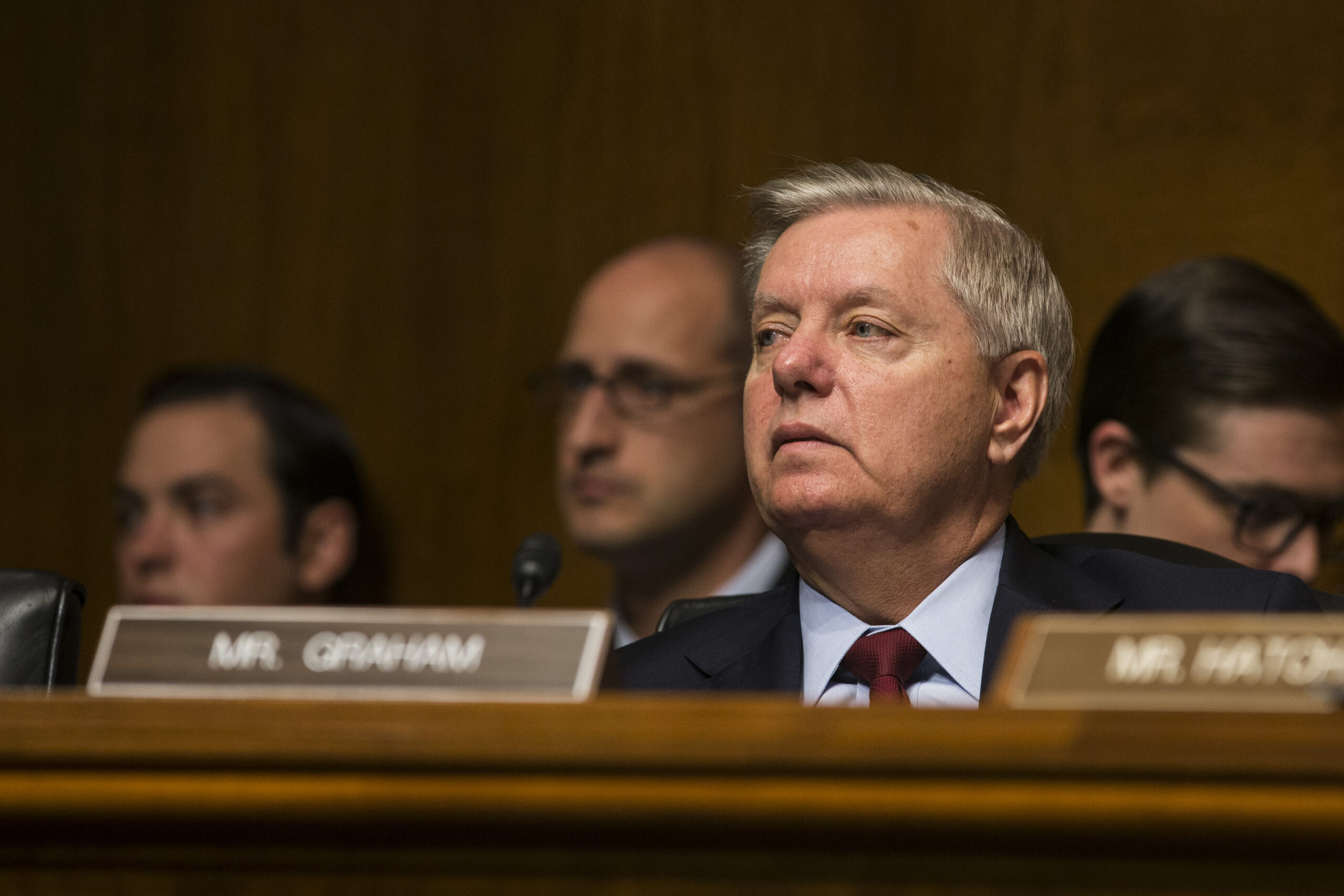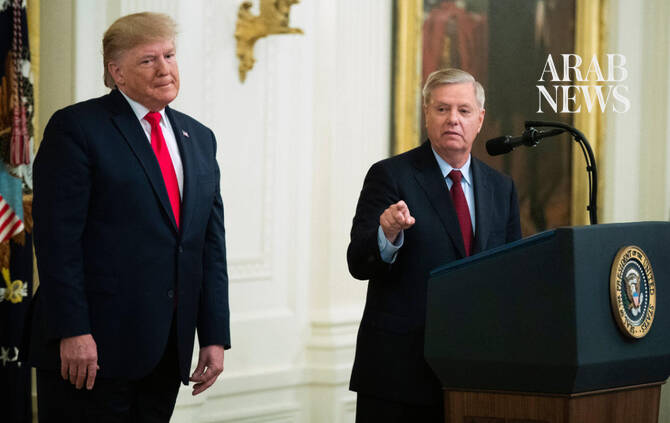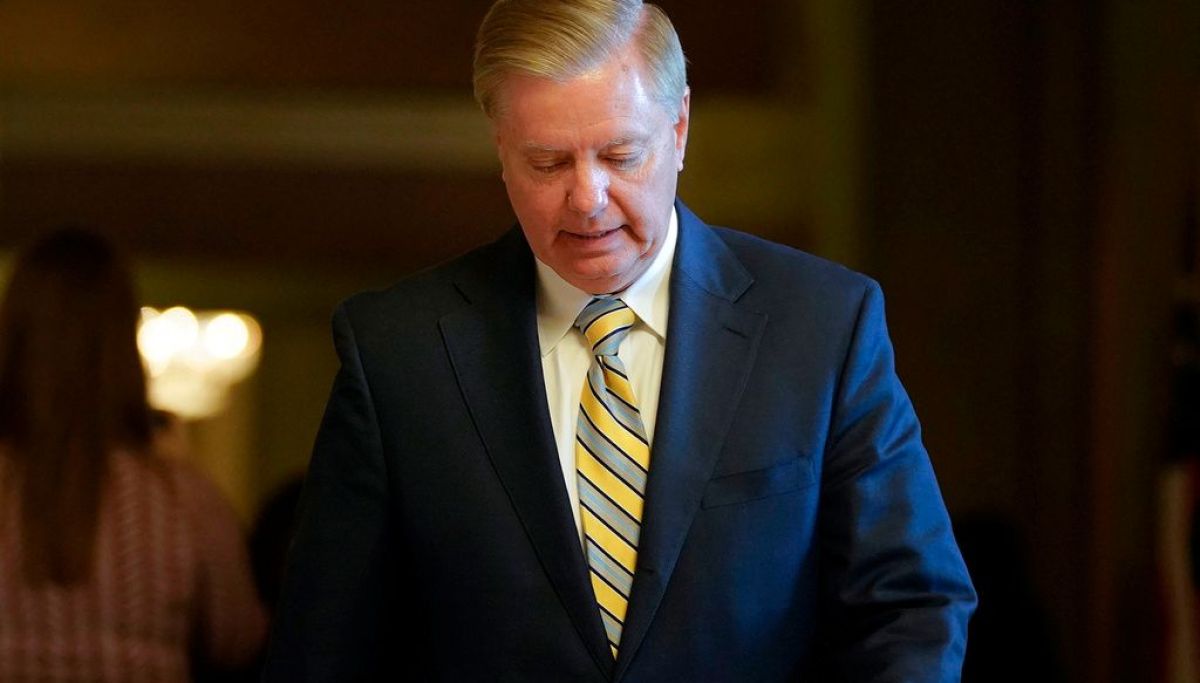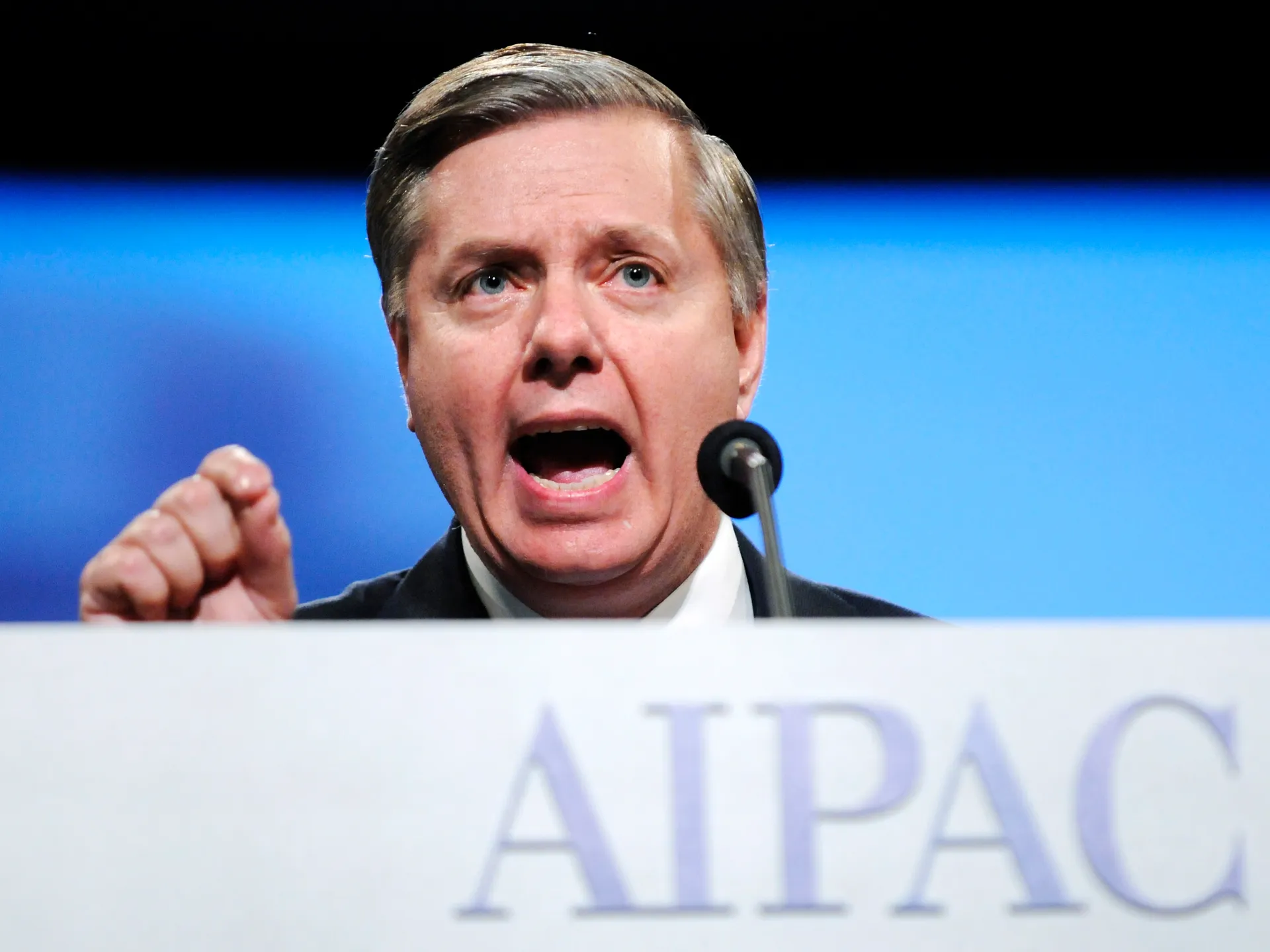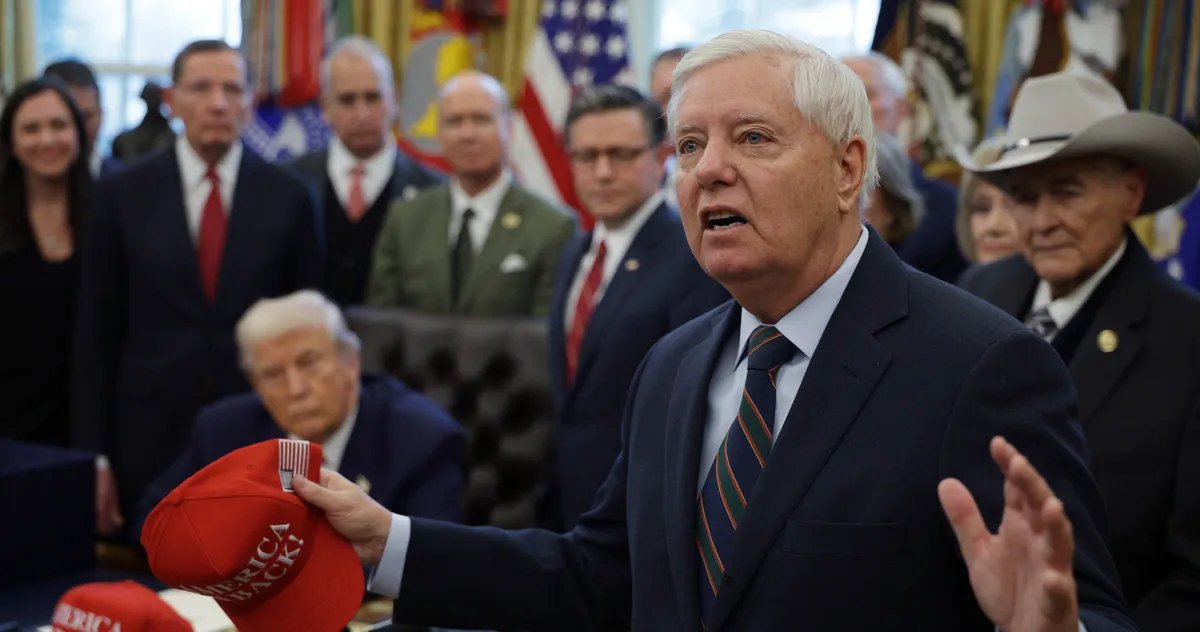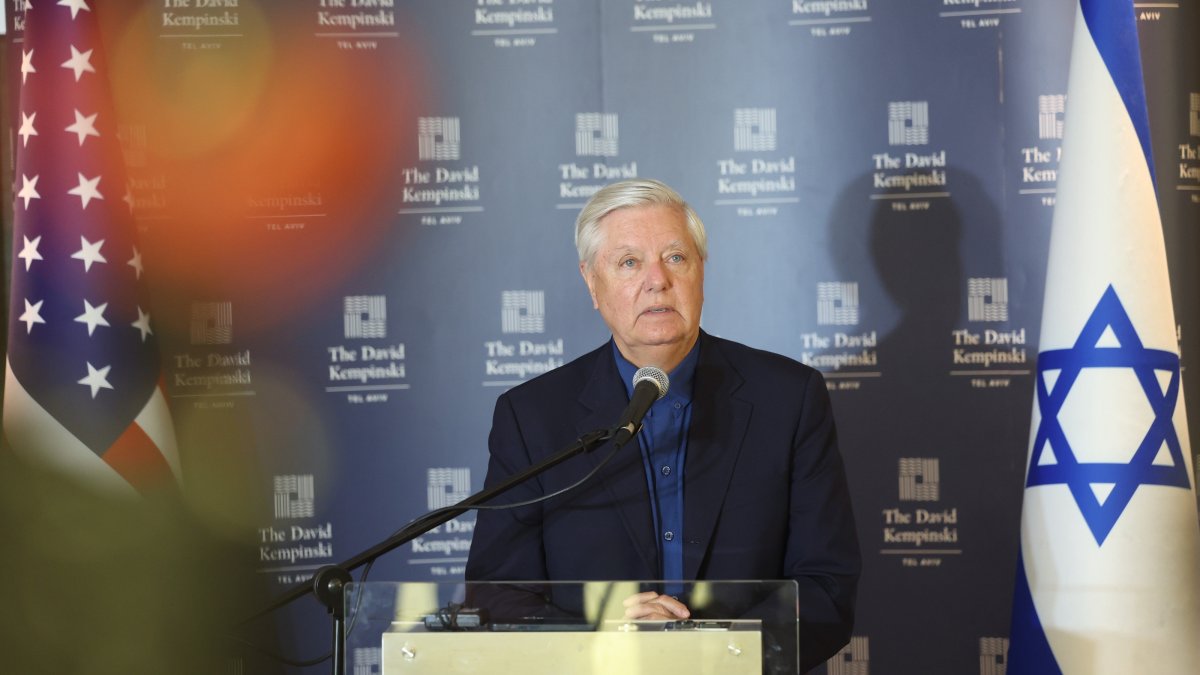
Lindsey Graham, the long-serving senator from South Carolina, passed away unexpectedly on July 11. His death marks the end of a long and often controversial political career that had a significant impact on American foreign policy and the Republican Party. Graham will likely be remembered as one of the strongest advocates of a hawkish U.S. foreign policy. Yet Graham's legacy extends beyond the foreign policy positions he held. His political career also offers an opportunity to better understand how influence actually works in Washington. He is often presented as an example of the power of lobbying in American politics. However, his career trajectory shows that a senator's influence largely depends on the power dynamics within the American political system.
U.S. Congress, personal influence
Organized interest groups play an important role in Congress. Through campaign donations, advocacy networks and long-term political relationships, many groups seek to shape legislation and influence policymakers. However, assuming that lobbying by itself dictates U.S. foreign policy oversimplifies how the American political system functions. Congress is undoubtedly open to outside influence, including from foreign actors and foreign policy interest groups. But Congress is not the only institution that makes foreign policy, nor can any lobby guarantee political outcomes simply by cultivating influential senators.