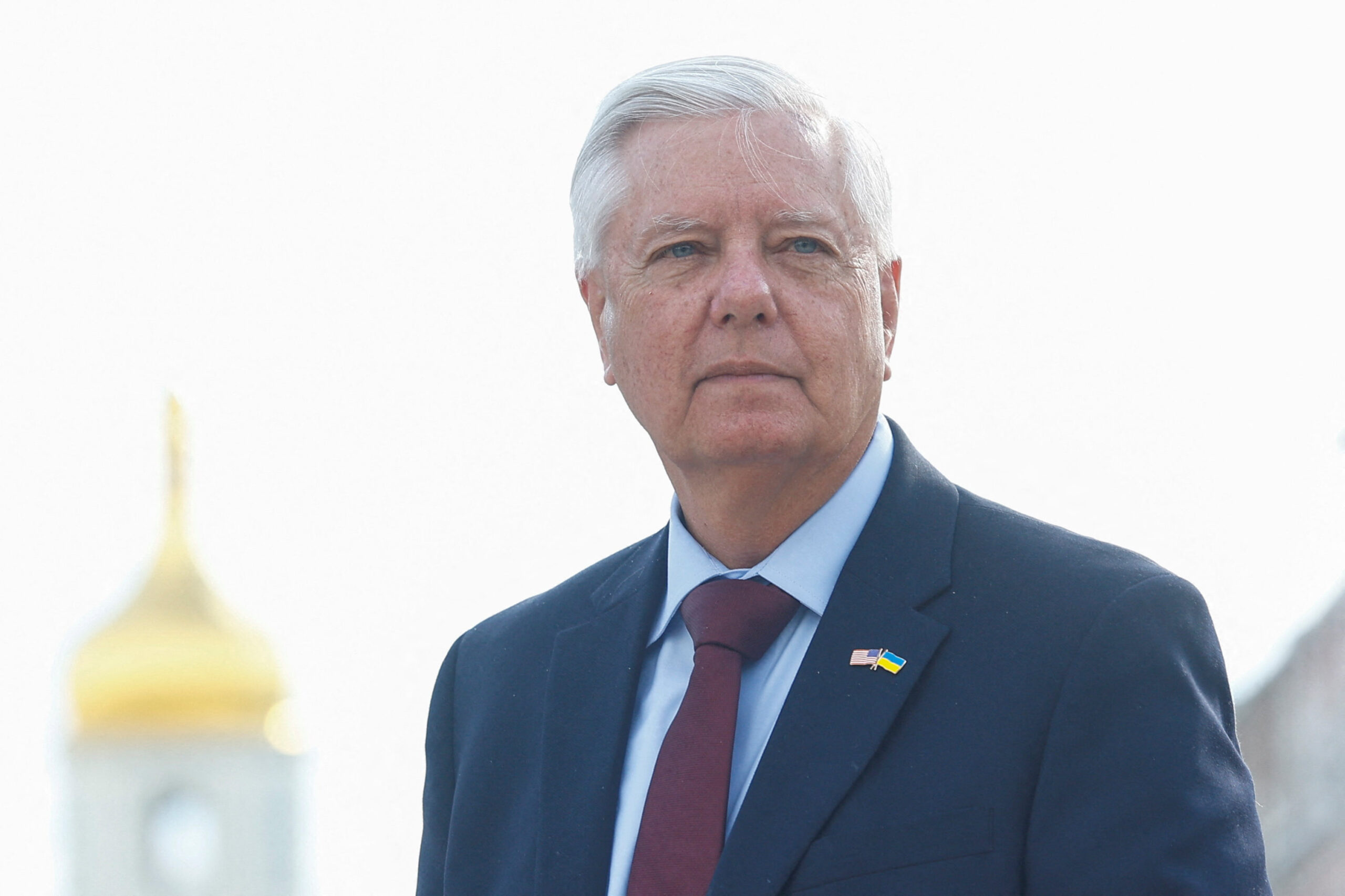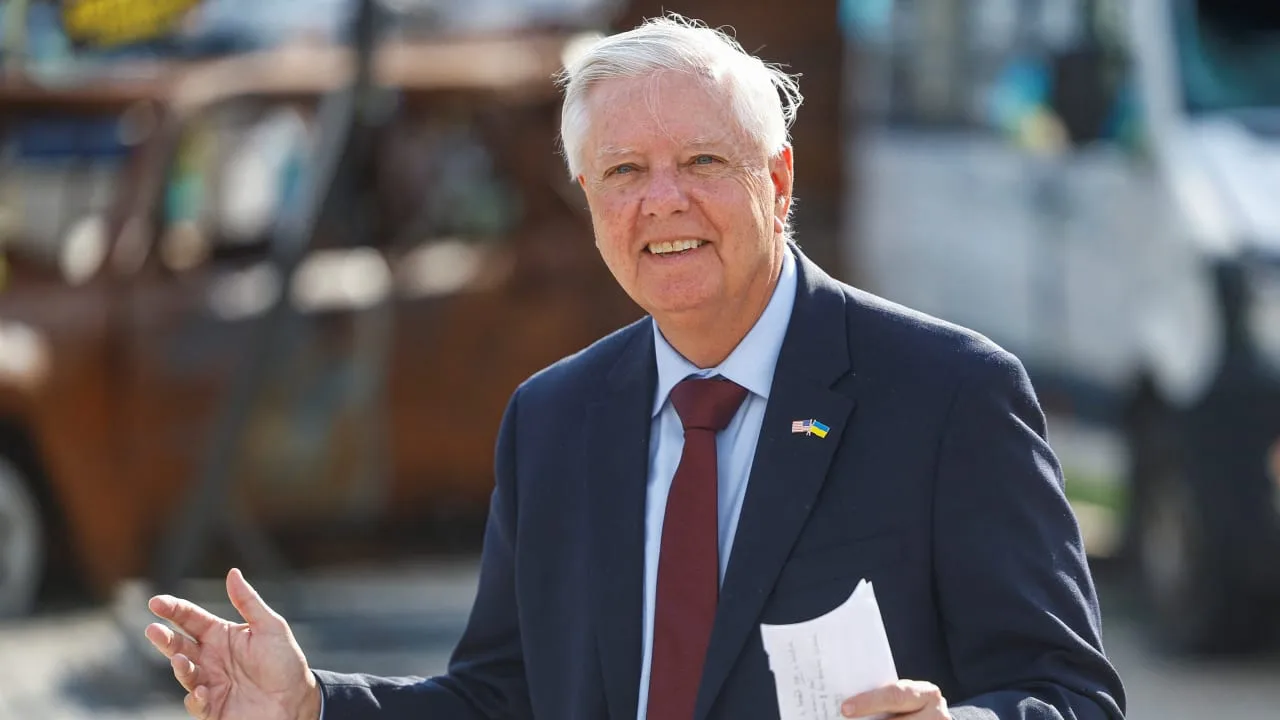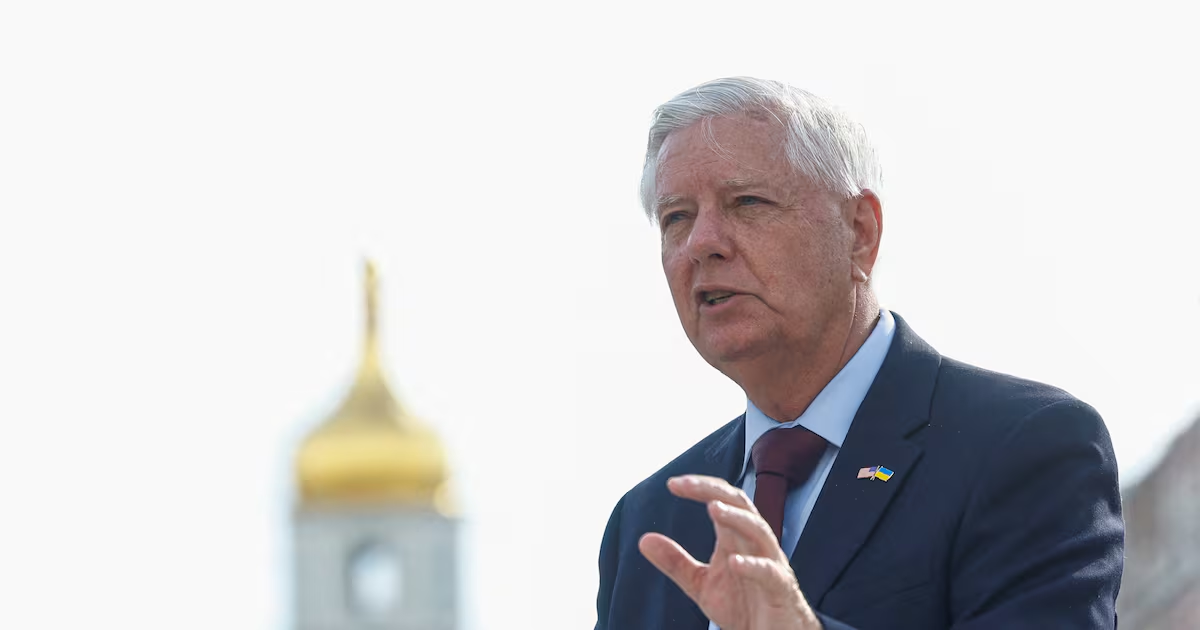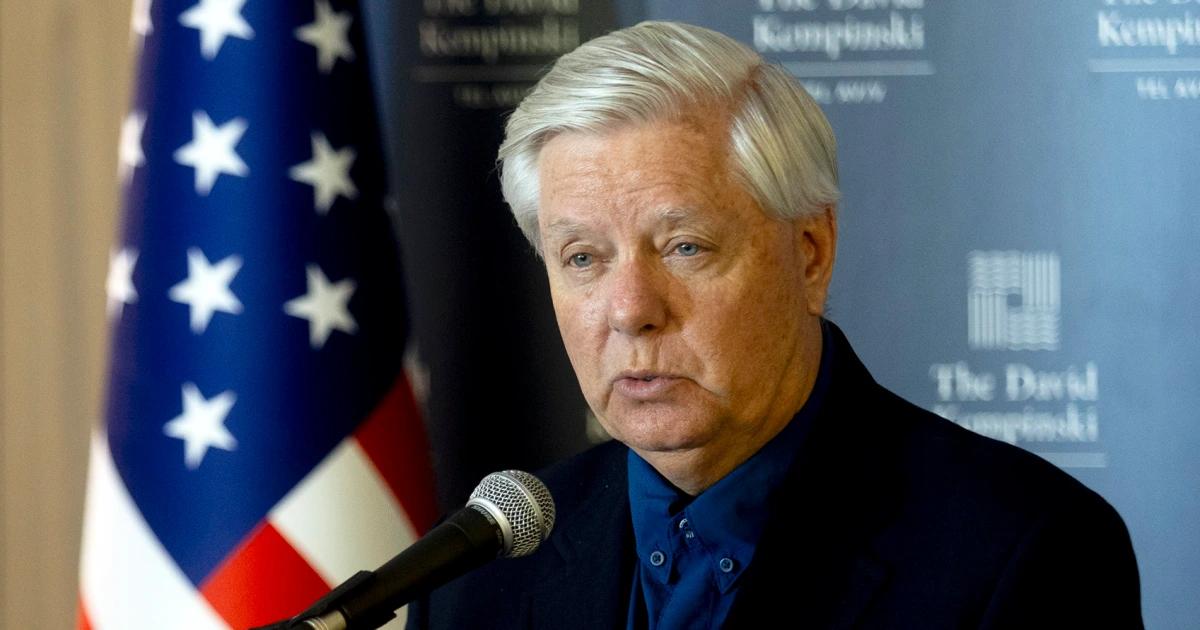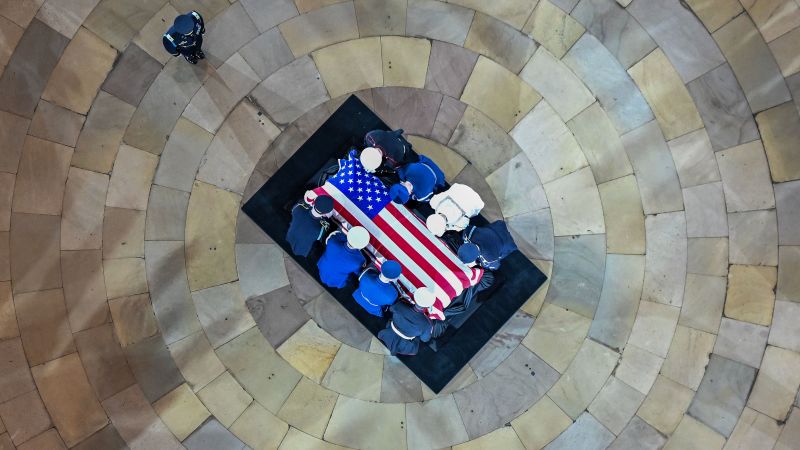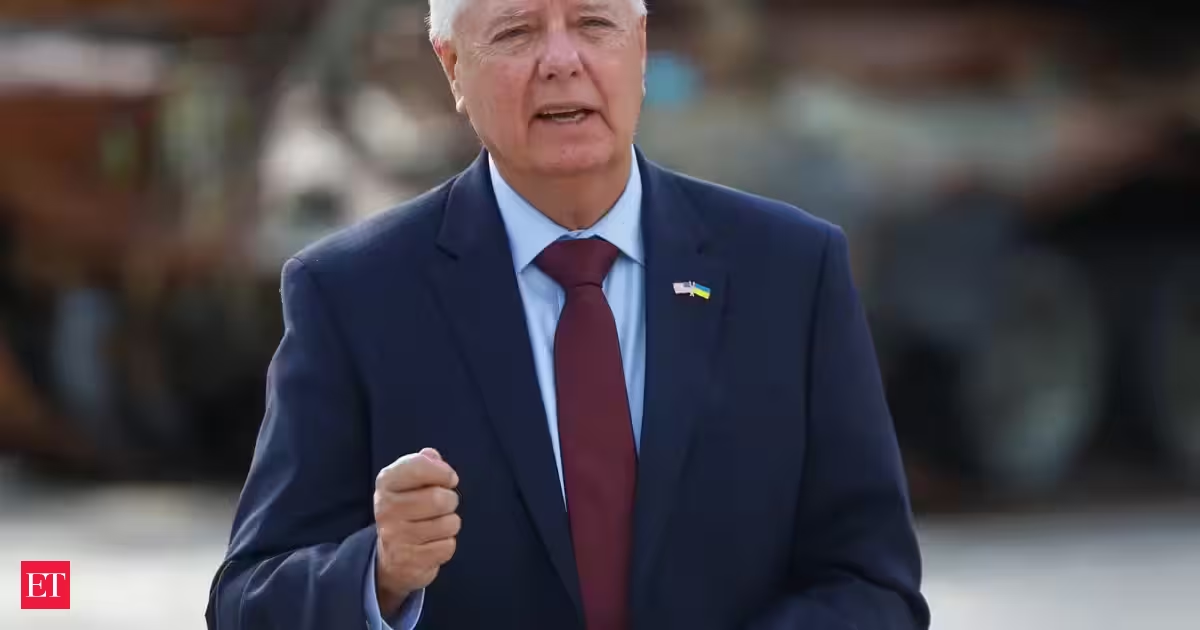
Lindsey Graham’s last moments were emblematic of the way he lived: in service. On his final Friday, he stood in Kyiv beside Ukrainian President Volodymyr Zelensky and announced that the White House had agreed to advance his Russia sanctions bill. The next night, an aortic dissection killed him at 71. After the funeral on Tuesday, now that the eulogies have been delivered and the flags lowered, the question he would have posed is the one the rest of us must answer: How can we carry this legacy forward?Graham understood duty because he had lived it long before he entered politics. He was commissioned as a judge advocate general officer in the United States Air Force in 1982 and served on active duty for more than six years, including a posting as the Air Force’s chief prosecutor in Europe at Rhein-Main Air Base in Germany. After leaving active duty, he joined the South Carolina Air National Guard and later the Air Force Reserve, where he continued serving for decades. Even after winning his Senate seat, he deployed to Iraq and Afghanistan during congressional recesses, working on detainee policy and rule-of-law issues in active conflict zones. He earned a Bronze Star for meritorious service and retired as a colonel in 2015, after 33 years in uniform. Most senators talk about supporting the troops. Graham was the troops.That instinct to serve did not begin with a commission, but began with loss. Graham’s mother died of Hodgkin’s lymphoma when he was 21; his father suffered a fatal heart attack 15 months later. Graham, still in college, became the legal guardian of his 13-year-old sister. He described the experience as forcing him to grow up almost overnight and gave him a framework that shaped everything that followed: When people depend on you, you show up.
I am a Palestinian activist. Here’s why I’m mourning Lindsey Graham
Lindsey Graham’s foreign policy legacy proves that robust American leadership is vital to counter tyranny and secure global peace.
771 words~4 min read