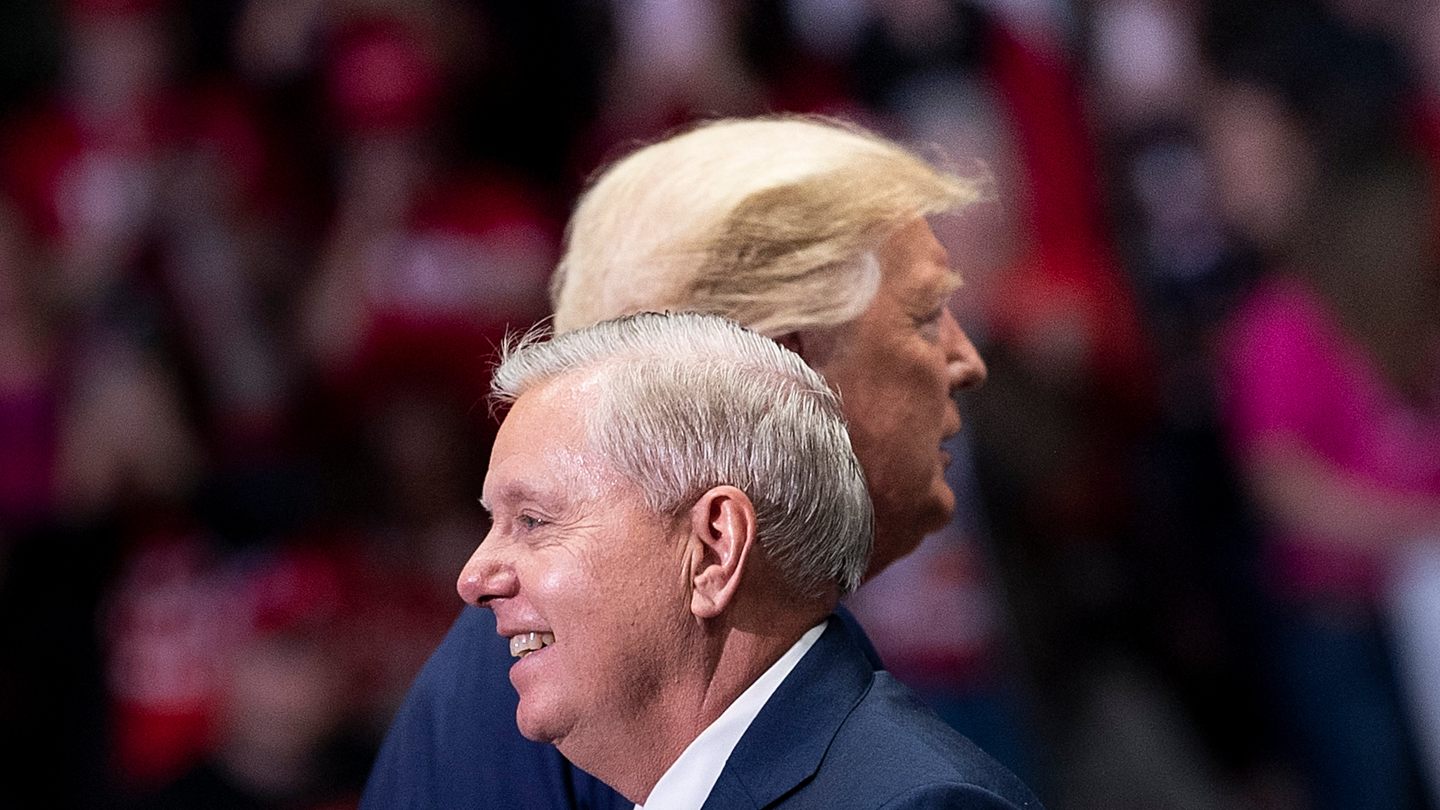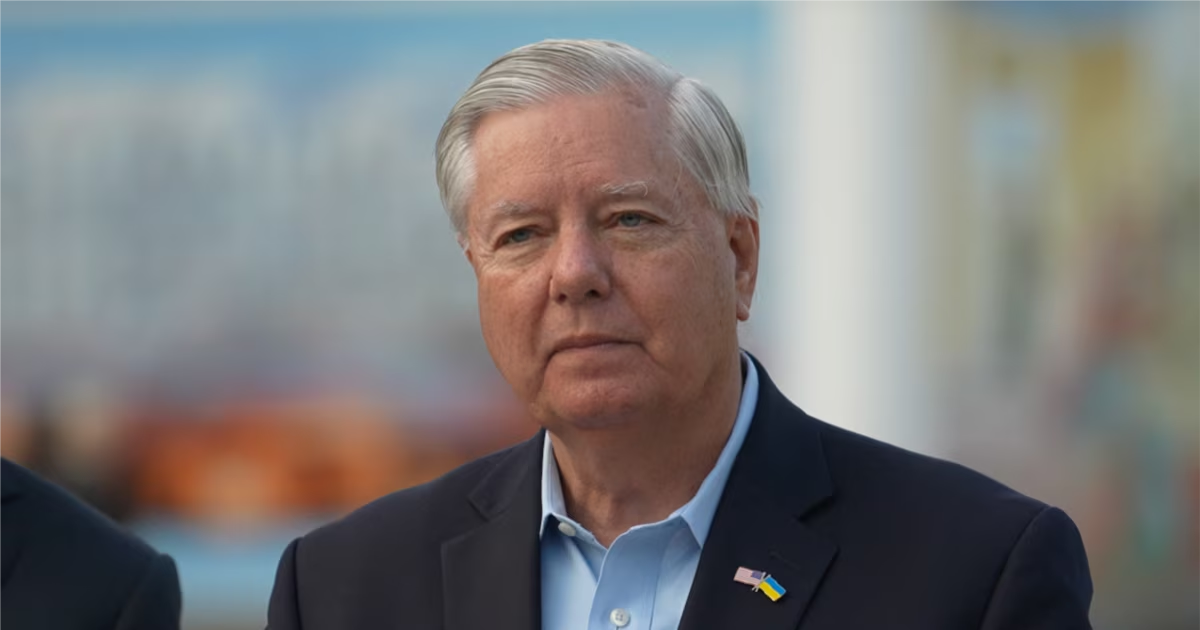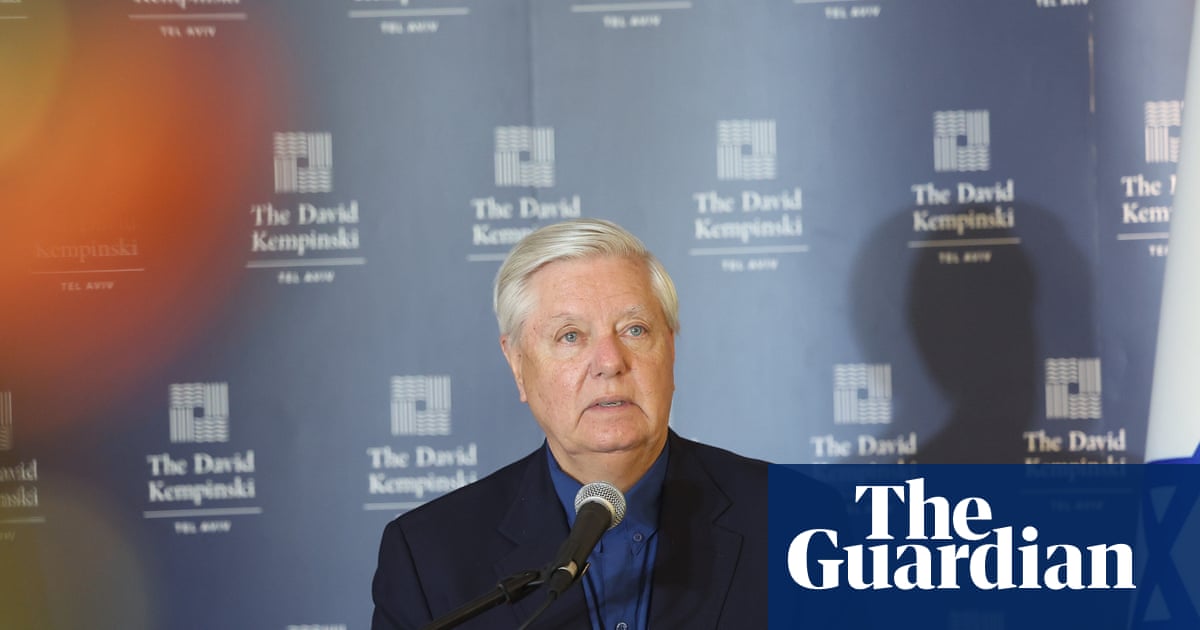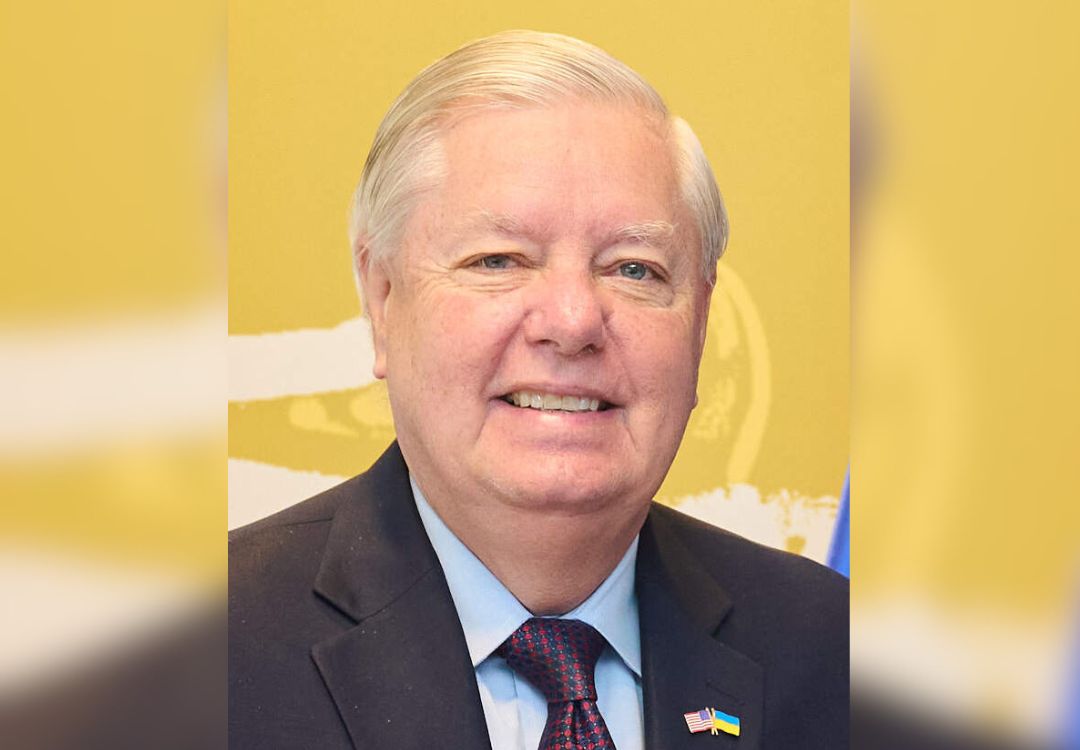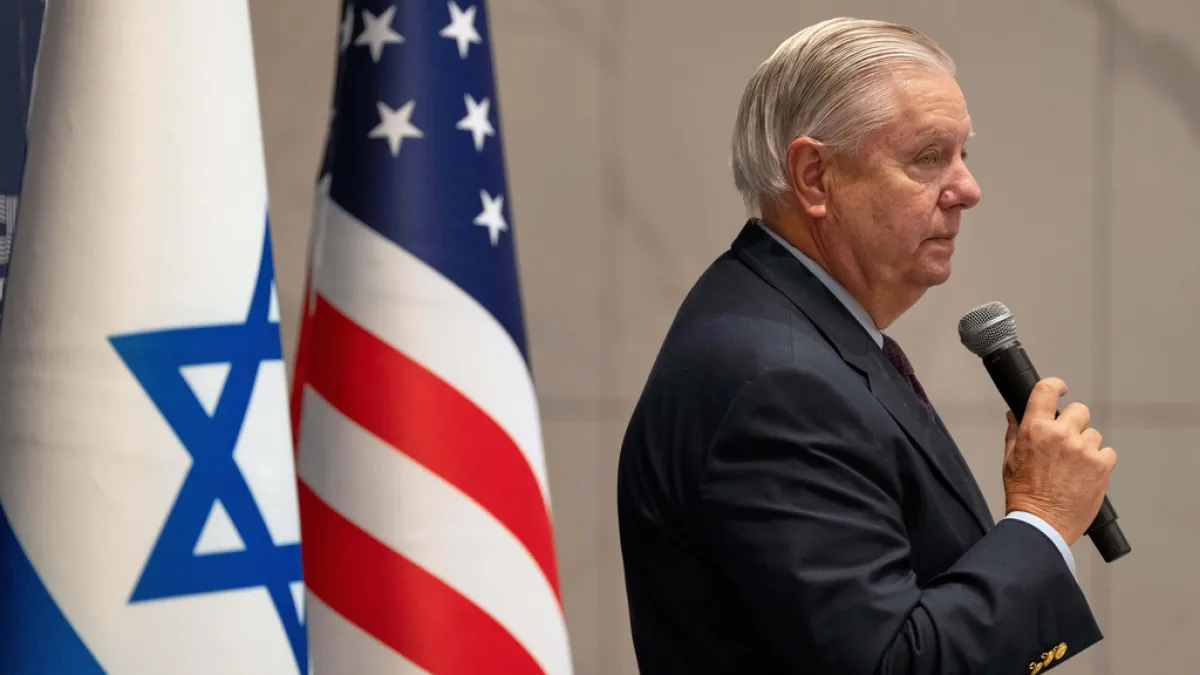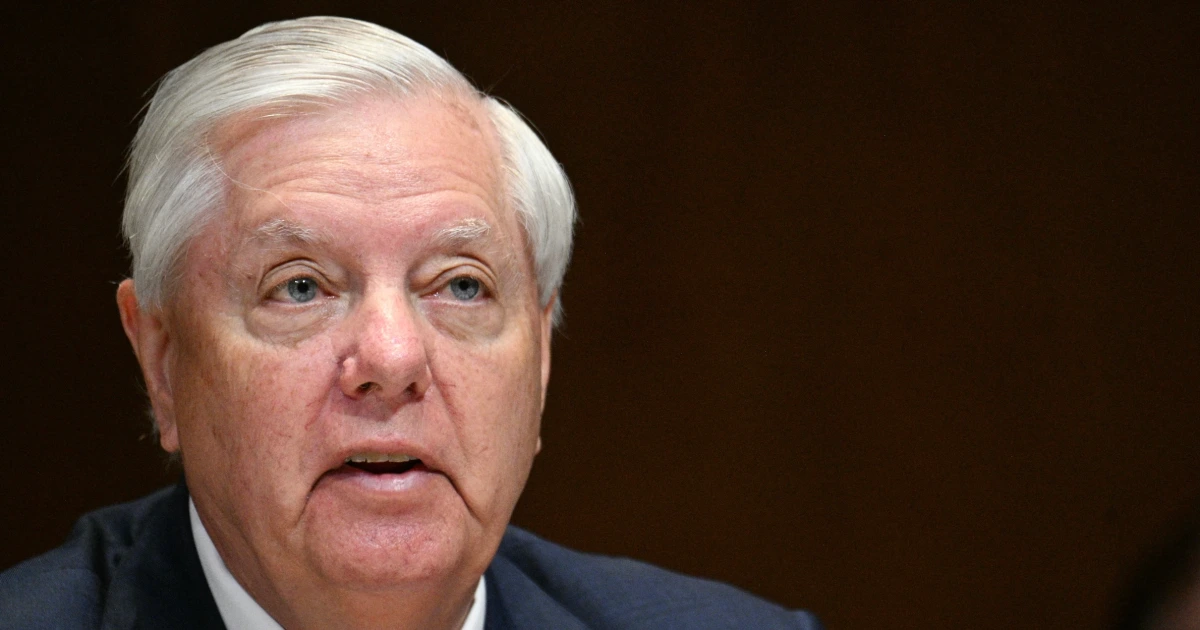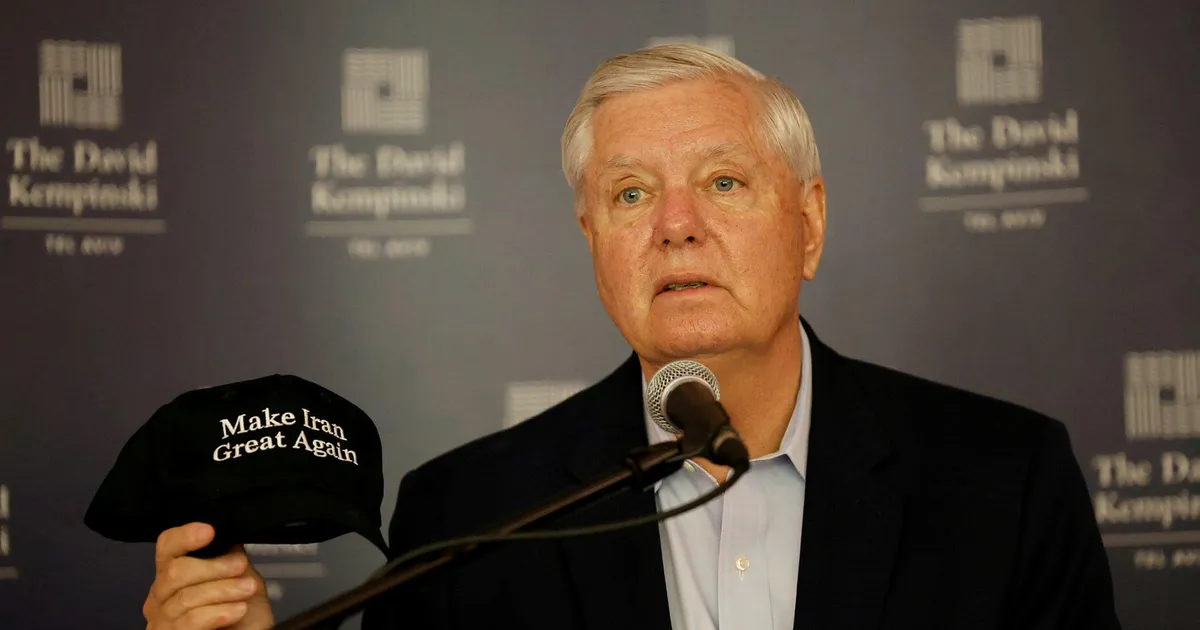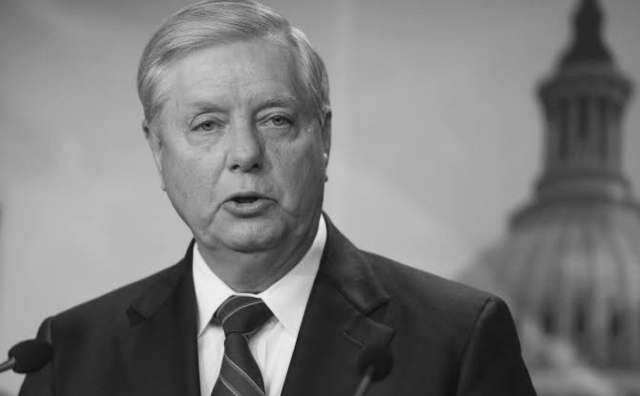
ByGABRIEL COLODRO/THE MEDIA LINEJULY 13, 2026 14:01Two days before his death, US Sen. Lindsey Graham was in Kyiv discussing Russian sanctions, Ukraine’s air-defense needs, and the future of American support. It was his 10th visit to Ukraine since Russia launched its full-scale invasion in 2022, and the South Carolina Republican appeared to be following the same routine that had defined much of his career: travel to an allied country, meet its leaders, return to Washington and push their case inside Congress and the White House.For more stories from The Media Line go to themedialine.orgGraham died Saturday aged 71 following what his office described as a “brief and sudden illness.” His office did not immediately disclose an official cause of death. His death removed from the Senate one of its most visible champions of US military power and close alliances, including strong support for Israel and Ukraine and pressure on Iran. In Jerusalem, Israeli leaders treated his death not simply as the loss of a supportive legislator, but as the end of a political relationship that they had come to rely on.US President Donald Trump called Graham “one of the greatest people and senators I have ever known,” describing him as a tireless worker and “a true American patriot.” Senate Majority Leader John Thune emphasized Graham’s military service and his belief that American strength could be used to support democratic allies abroad. South Carolina Gov. Henry McMaster remembered him as a relentless fighter for both his state and the country, saying, “We shall not see his likes again.” Graham spent years developing ties with Israeli political and security officialsThe most personal statements came from Israel, where Graham had spent years developing ties with political and security officials. “Lindsey understood that the security of Israel and America are inseparable,” Prime Minister Benjamin Netanyahu said. “Israel has lost one of its greatest friends. America has lost a great patriot. I have lost a beloved friend.”Senator Lindsey Graham (L) meets Prime Minister Benjamin Netanyahu (R) at the Prime Minister's Office in Jerusalem, February 16, 2026. (credit: MA'AYAN TOAF/GPO)President Isaac Herzog described Graham as “a beacon of moral clarity” and a central figure in the US-Israel partnership, while Defense Minister Israel Katz recalled how the senator repeatedly returned to Israel after the Hamas attack of October 7, 2023.The tributes crossed Israel’s normal political divisions. Foreign Minister Gideon Sa’ar said Graham had been “the best senator and the best friend.” Opposition Leader Yair Lapid recalled Graham less as a Washington power broker than as a man with humor, warmth and a genuine affection for Israel.Former Prime Minister Naftali Bennett said Graham had stood with Israel during the country’s hardest months. Former Defense Minister Benny Gantz pointed to a different part of his record: his work on security and on efforts to bring Israel closer to Arab states.Graham’s bond with Netanyahu was well known, but it did not define all his ties in Israel. He kept in touch with politicians who opposed the prime minister and returned to the country often enough to build relationships of his own. Several of those officials had dealt with him directly for years, which helps explain why the tributes came from both within and outside the government.Marc Zell, chairman of Republicans Overseas Israel and a vice president of Republicans Overseas, told The Media Line that he had interacted with Graham for almost 30 years, beginning when Graham was still serving in the House of Representatives. Their paths crossed at Republican National Committee meetings, party conventions, and during Graham’s visits to Israel. Zell described him as “one of the most courageous, outspoken, and articulate proponents of the American-Israel strategic alliance” in American politics at the time.Zell also credited Graham with influencing Trump’s approach to Israel after the two men developed a close political relationship following the 2016 election. “I think his passing, really a sudden passing, is going to be a major loss, not only for Israel, but for the American people, the Jewish people and the world at large,” he said. Zell said the alliance itself should endure, pointing to Trump and other supporters of Israel in Congress, but he questioned whether Graham’s successor could match his effectiveness as a public advocate.Elie Pieprz, director of international relations at the Israel Defense and Security Forum, said Graham’s value extended beyond speeches and public expressions of solidarity. What set him apart, Pieprz said, was his willingness to remain focused on a problem long after other politicians would have claimed success and moved on. “Relentless is probably the word that I would say,” he told The Media Line.Pieprz pointed to the Taylor Force Act as perhaps the clearest example. The legislation, named for an American military veteran killed in a 2016 Palestinian stabbing attack in Tel Aviv, restricted certain forms of US assistance benefiting the Palestinian Authority (PA) unless it ended the so-called “pay-to-slay” payments to imprisoned terrorists and the families of terrorists killed in the attempt. Graham was one of the leading congressional figures behind the measure and continued pressing the issue after it became law.According to Pieprz, Graham was not satisfied with formal Palestinian assurances that the payment system had been changed. He continued examining how the money was distributed and whether the PA was finding ways around the restrictions. Most politicians, Pieprz said, prefer to identify a problem, announce that it has been resolved and take credit. Graham was prepared to return to the same issue when implementation failed or when officials attempted to disguise what had changed.That persistence, Pieprz argued, also characterized his approach to Iran, Ukraine and other foreign-policy questions. He did not adjust the facts to fit an announcement of success and was willing to criticize leaders from his own party when he believed a policy left an ally exposed. Graham’s access made that independence more consequential. Pieprz said very few senators could openly disagree with the White House on a major national-security issue and still expect their arguments to be heard. Graham had that ability with Trump, while also maintaining a relationship with Netanyahu built over many years. “Very few senators had the ability to have their voice penetrate the White House, particularly voices that on occasion could be critical,” Pieprz said.That combination became especially visible in Graham’s approach to Iran. He supported Trump but did not hesitate to challenge diplomatic arrangements he considered insufficient. He consistently advocated strong pressure on Tehran, defended military action against Iranian-backed organizations and warned against agreements that he believed could leave Iran capable of threatening Israel. Zell cited Graham’s criticism of the recent memorandum of understanding with Iran as an example of a lawmaker whose loyalty to the president did not require silence on security policy.Sen. Graham’s positions generated a sharply different response in Iran. Iranian state television announced his death in openly hostile terms, describing him as an anti-Iranian warmonger. The reaction reflected years of anger over his support for sanctions, military pressure and opposition movements seeking to end clerical rule. Reza Pahlavi, the exiled Iranian opposition figure, offered the opposite assessment, calling Graham a steadfast friend of the Iranian people and noting that some Iranian opposition supporters had affectionately referred to him as “Uncle Lindsey.” Pieprz recalled one episode that illustrated how Graham operated in person. During a bipartisan Senate visit to Israel before the COVID-19 pandemic, members of the delegation traveled to the Gaza border and later gathered at Jerusalem’s King David Hotel. Pieprz recalled that the group had endured a long day and was speaking cautiously about the issues it had encountered. Graham eventually stated his position directly, without the diplomatic language others were using.'He just understood the dynamics so well'The other senators did not necessarily share Graham’s politics, Pieprz said, but they accepted that his interpretation of the situation was correct. “He just understood the dynamics so well,” he said. By the end of the discussion, there was a sense among the delegation that Graham “had it right.” For Pieprz, the episode showed both his command of the subject and the respect he could command from colleagues who did not normally follow his political lead.According to Pieprz, Graham’s eventual place in the US-Israel relationship was not obvious at the beginning of his congressional career. He had not arrived in Washington with the profile of a foreign-policy specialist expected to make Israel a defining cause. The commitment developed over time, Pieprz said, as Graham traveled more often, learned the country and became increasingly involved in its security debates. “The more he got into the issue, the more he embraced it,” he said. “Eventually, it became a part of him.”Graham developed that understanding through repeated visits. Pieprz said the senator knew Israel in a way that was difficult to gain from briefings in Washington or occasional congressional travel. “He understood the country, understood so many things about it,” he said. “And that’s very hard to replicate.” His familiarity with Israeli leaders, security concerns and regional politics allowed him to speak with an authority that came from years of direct contact rather than from a single committee assignment.His final visit abroad showed that the same approach extended to Ukraine. Ukrainian President Volodymyr Zelensky said their meeting focused on additional pressure on Russia, diplomatic efforts, urgent air-defense requirements and arrangements discussed with Trump concerning Patriot systems. After Graham’s death, the Ukrainian president called him “a true defender of freedom and the values that make our world safer.” Estonian Foreign Minister Margus Tsahkna and Lithuanian Foreign Minister Kęstutis Budrys also remembered Graham as a supporter of Ukraine and NATO’s eastern members. Graham’s path to the Senate was shaped as much by family responsibility as by politics. He grew up in Central, South Carolina, and was the first in his family to finish college. After both of his parents died while he was still young, he helped take care of his younger sister. He later worked as a US Air Force lawyer and remained in military service through the Air National Guard and Air Force Reserve, retiring as a colonel after more than 30 years. South Carolina voters sent him to the US House of Representatives in 1995 and elected him to the Senate eight years later.His alliance with Trump developed later. Graham had been one of Trump’s harshest Republican critics during the 2016 primary campaign, but the relationship changed after the election. He became a regular White House ally and one of the senators able to speak directly with the US president. That access did not always produce agreement, and Graham occasionally challenged the administration in public, particularly over foreign policy. Sen. Graham retained enough independence to object publicly, but enough access to continue making his case directly.Pieprz said that part of Graham’s influence may survive through the national security advisers who worked in his Senate office. Over the years, he watched staff members enter Graham’s orbit and emerge with a deeper command of foreign policy and a similar view of American and Israeli security as closely connected. Some may now carry pieces of that approach into other positions in Washington, he said, even if no single lawmaker can reproduce Graham’s role.“To think that someone could replace that is, frankly, not likely,” Pieprz said. Instead of one figure able to move between Jerusalem, Congress and the White House, he predicted that the work would now be divided among several people. “It’ll take a little bit more effort on Israel’s side.”Follow us on Google
Lindsey Graham’s legacy: Support for Israel, Ukraine and pressure on Iran | The Jerusalem Post
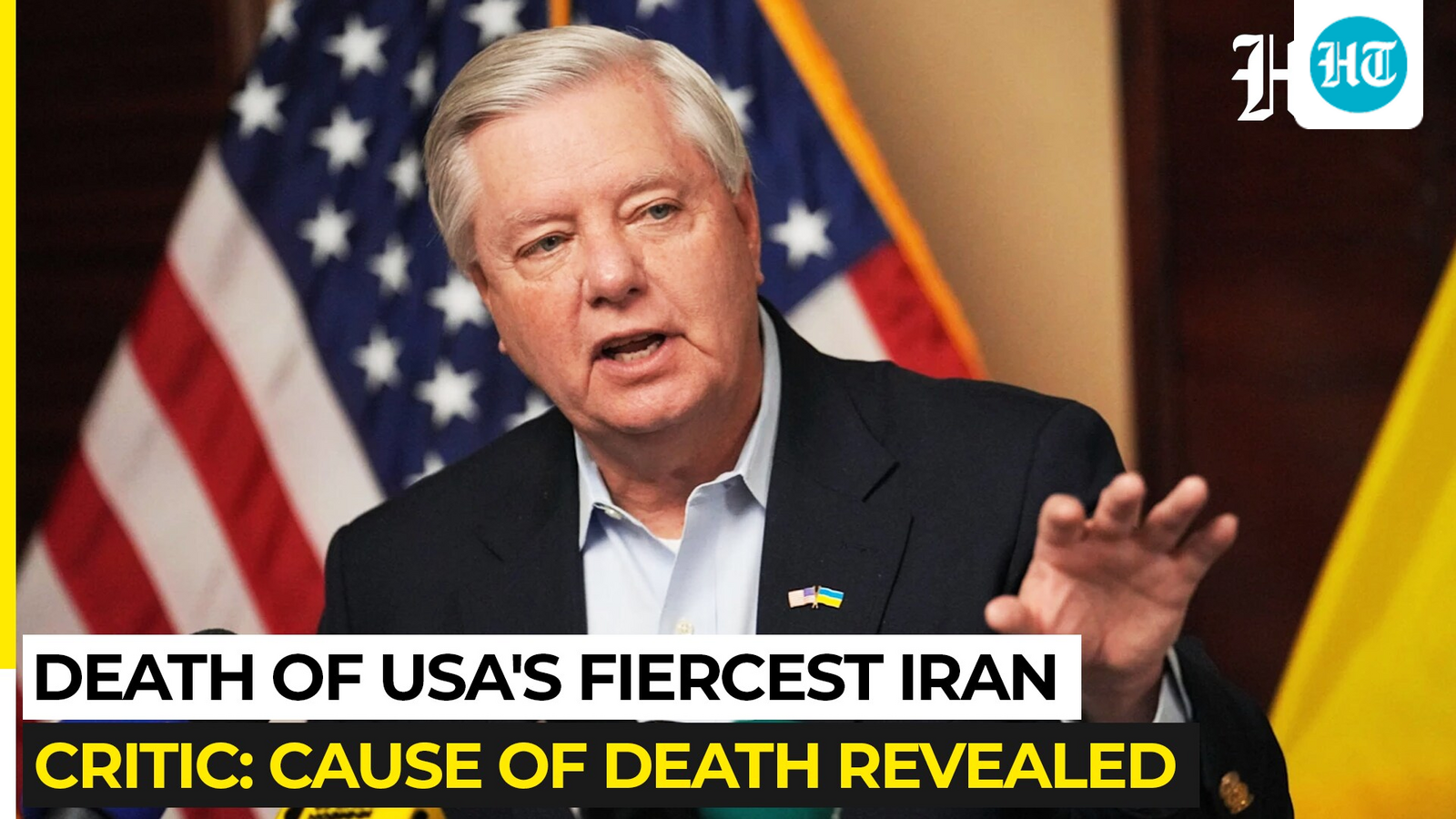
Graham died Saturday, aged 71, following what his office described as a “brief and sudden illness.” His office did not immediately disclose an official cause of death.
1,902 words~9 min read