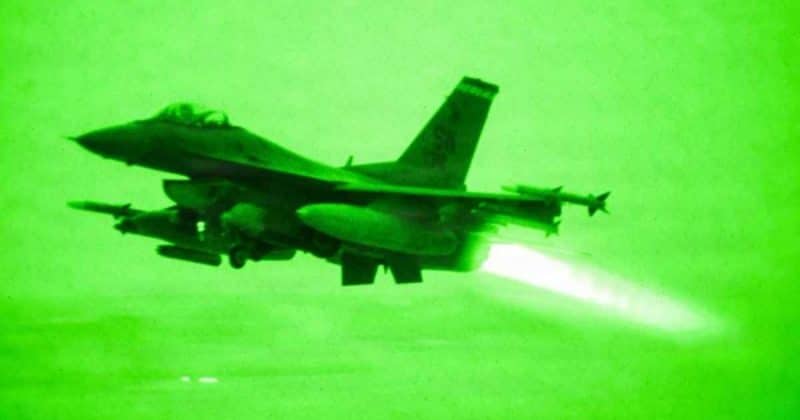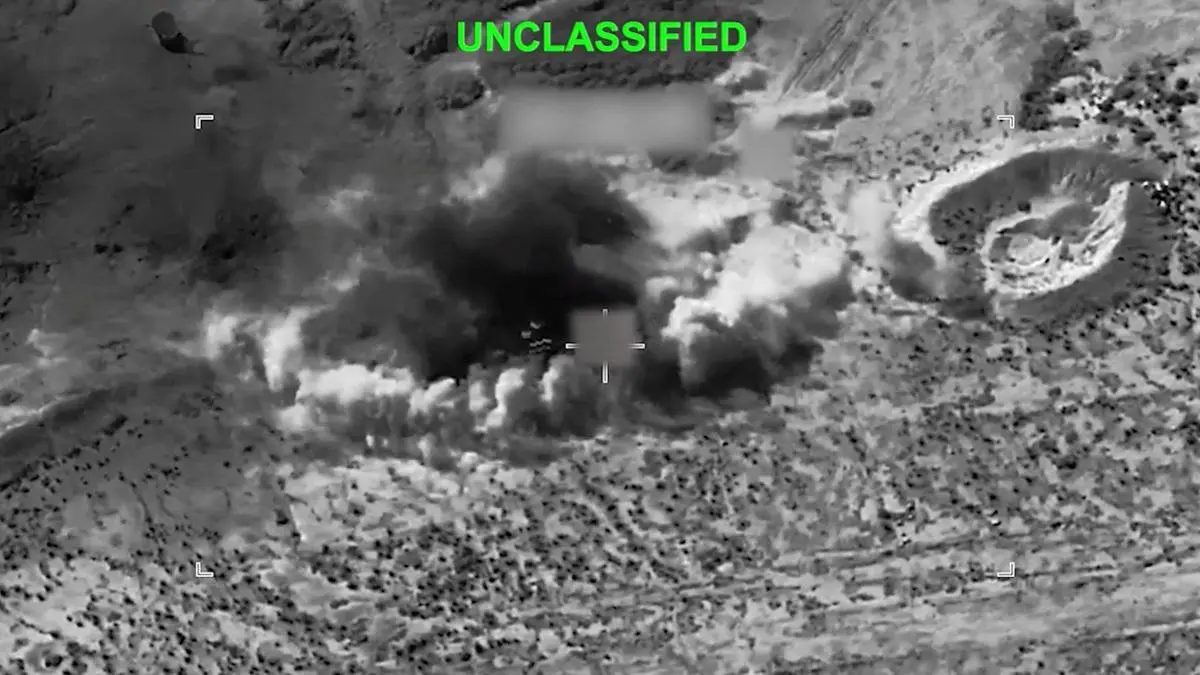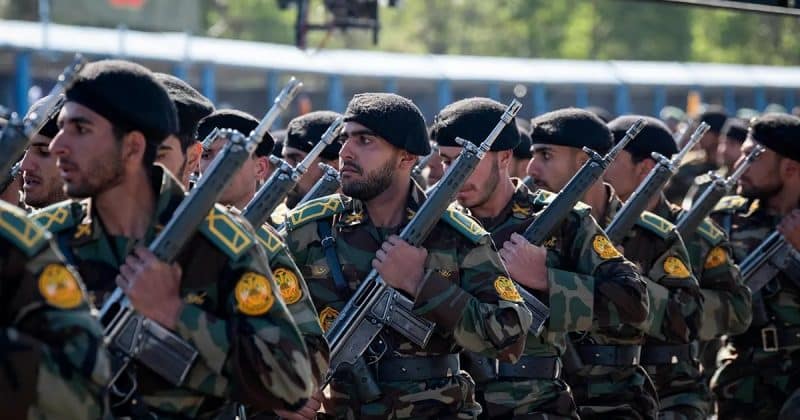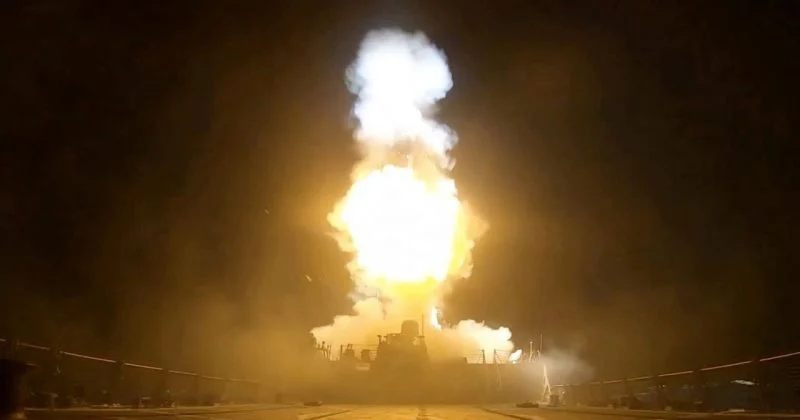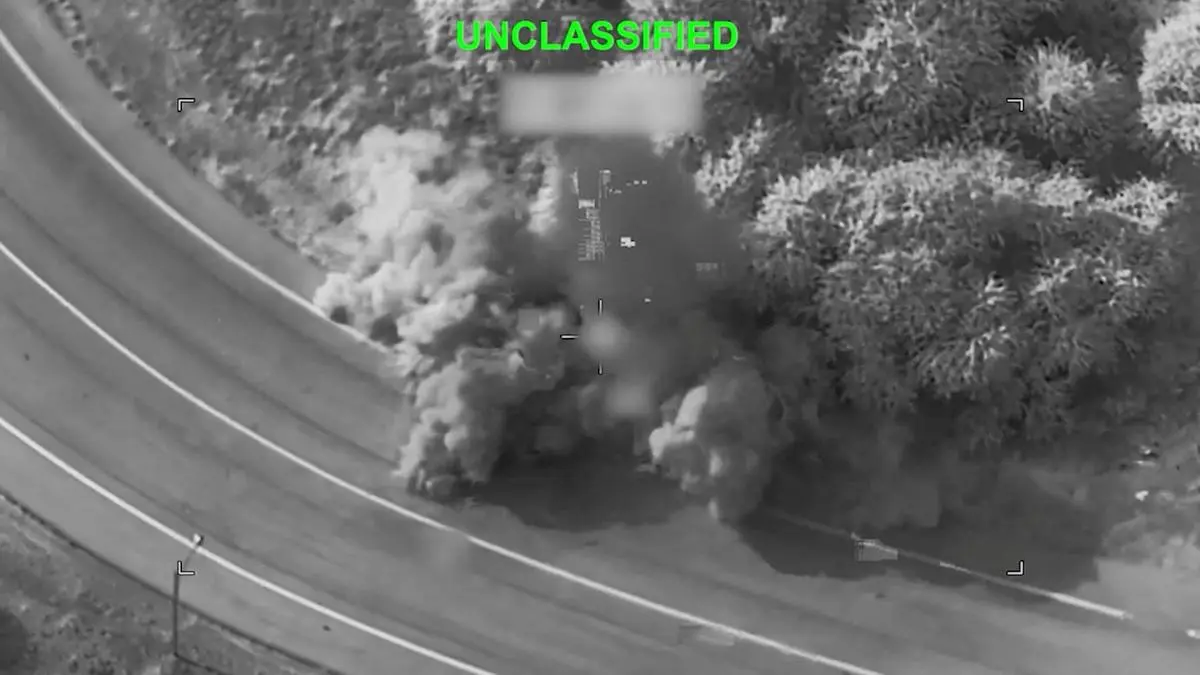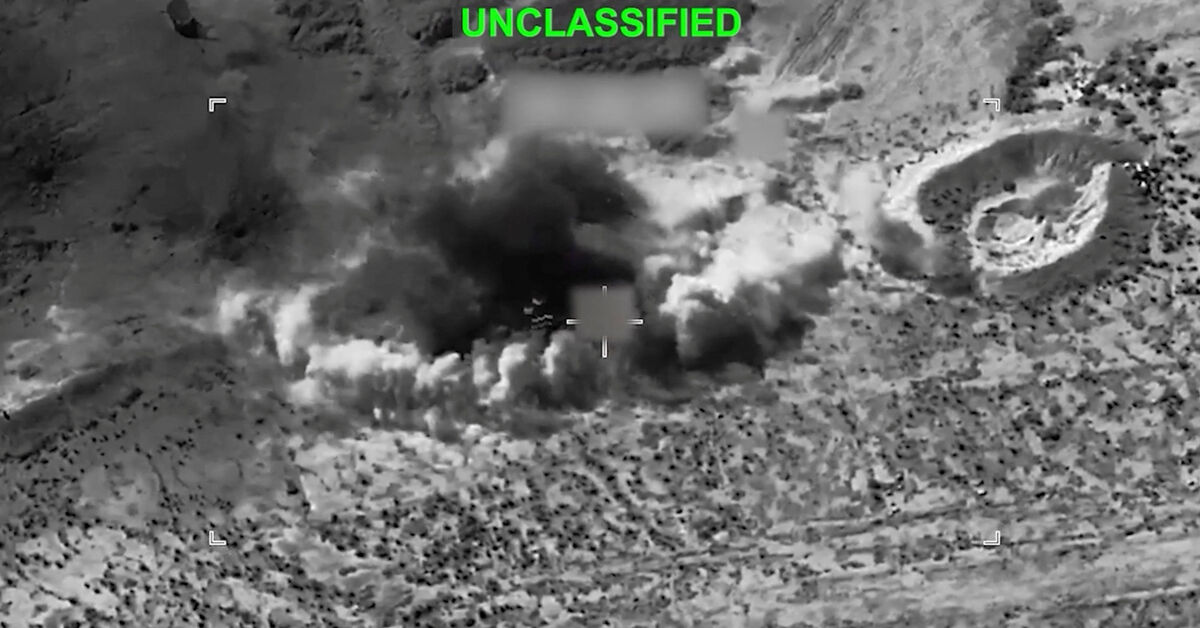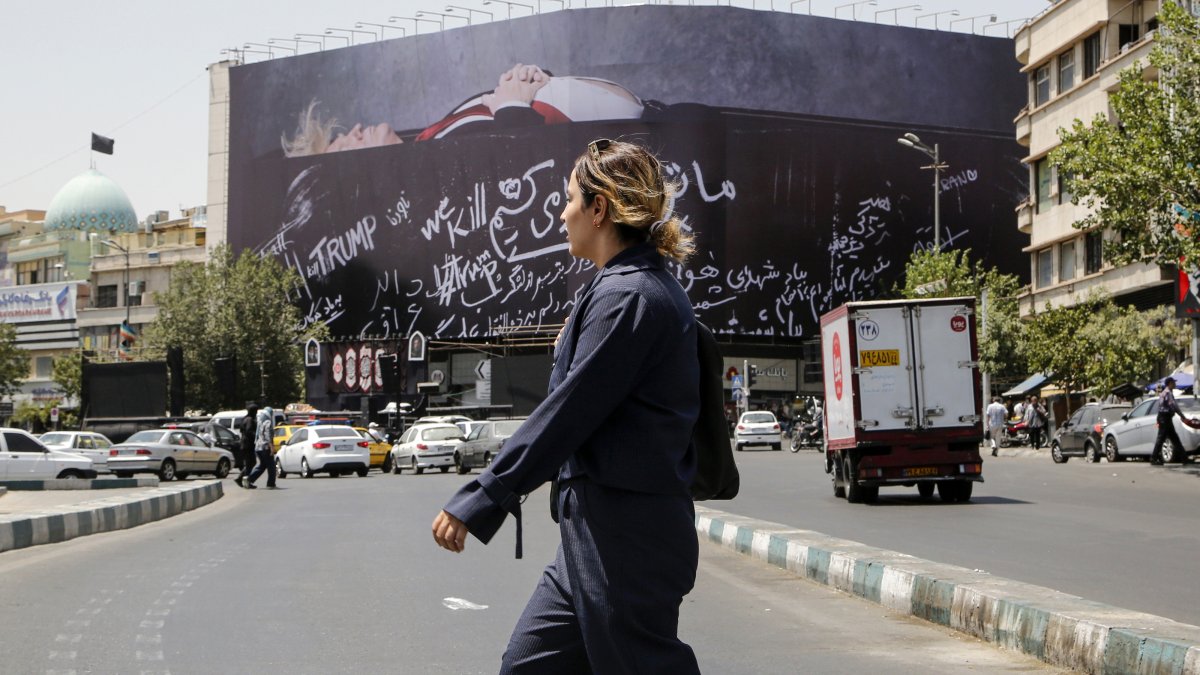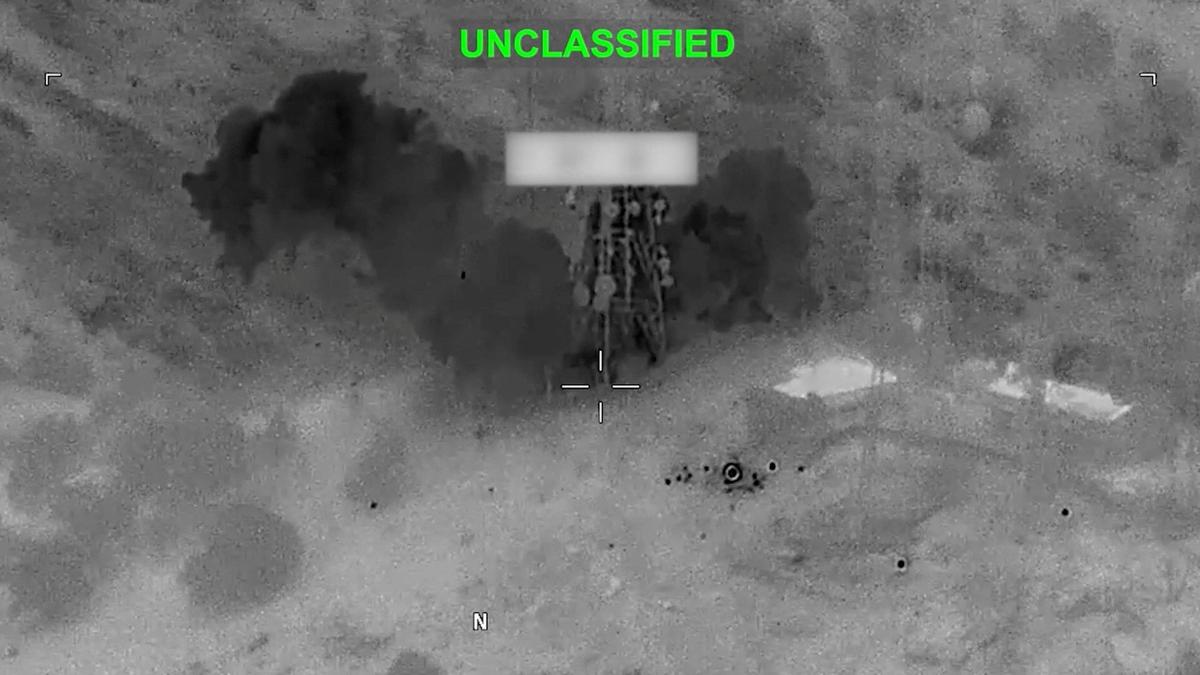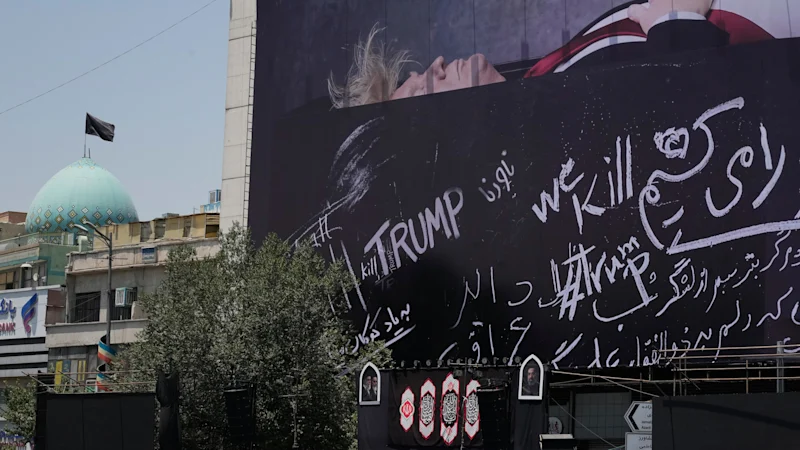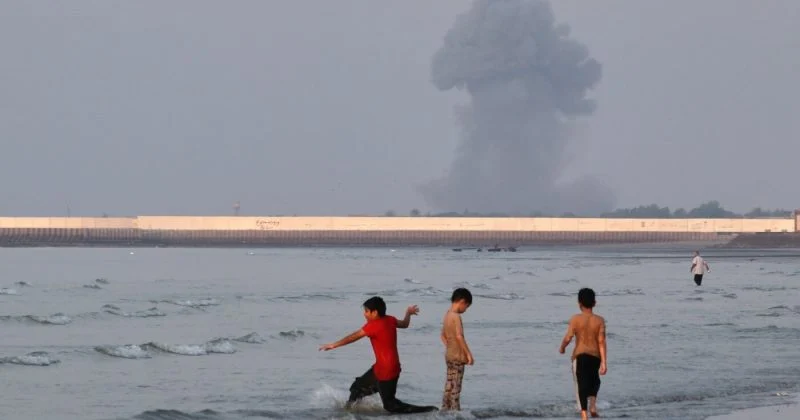
The Middle East is burning hotter again. New US airstrikes targeted Iran on July 14, 2026, while Tehran responded with threats to block maritime traffic through the Strait of Hormuz, one of the most consequential chokepoints in global trade.
How we got here
The current hostilities trace back to February 28, 2026, when the US and Israel launched coordinated strikes under operations named Epic Fury and Roaring Lion. Those initial strikes were staggering in scale: nearly 900 strikes in the first 12 hours, targeting Iranian military infrastructure across the country. Among the reported casualties was Supreme Leader Ali Khamenei, a development that restructured Iranian leadership overnight and left the country’s chain of command in documented disarray.
US Central Command has continued operational activities since then, with July 14 representing the latest escalation rather than a fresh start. The conflict has produced thousands of casualties and widespread displacement across the Middle East in the months since February, according to reporting from multiple outlets tracking the engagement.
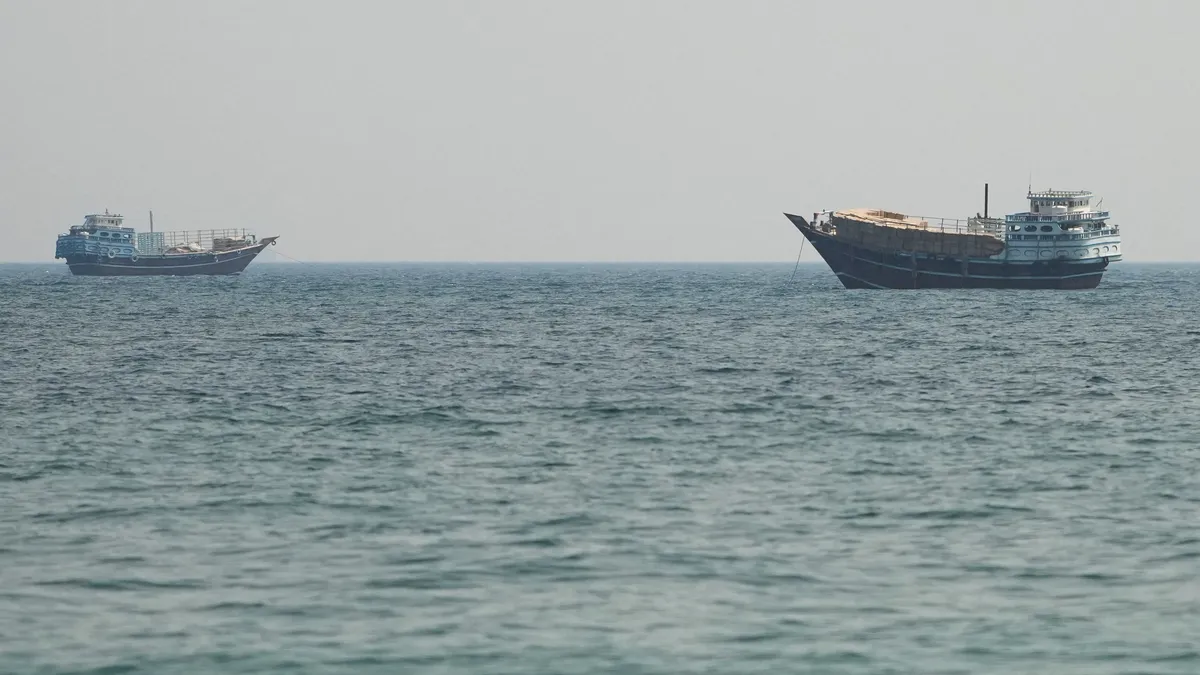
Iran’s threatened response centers on the Strait of Hormuz, the narrow waterway between the Persian Gulf and the Gulf of Oman. Roughly 20% of global oil supply transits through this corridor. A credible blockade, even a partial one, would be the energy equivalent of unplugging a power strip that half the world’s refineries depend on.