Show Caption
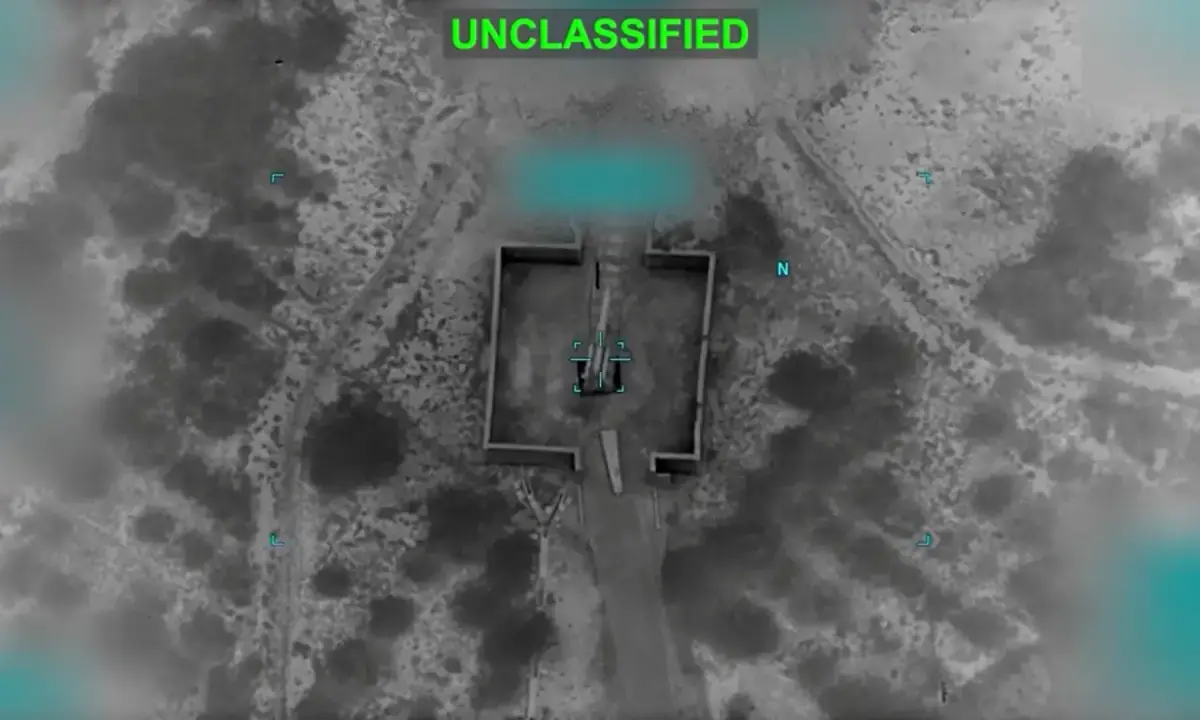
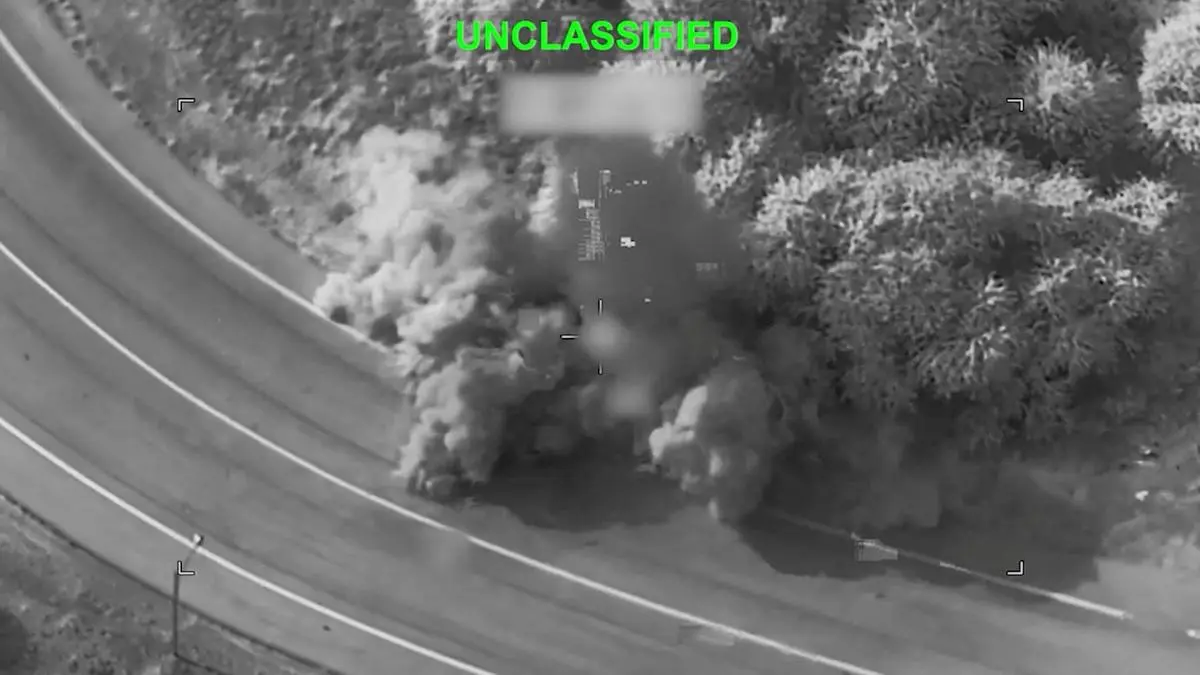
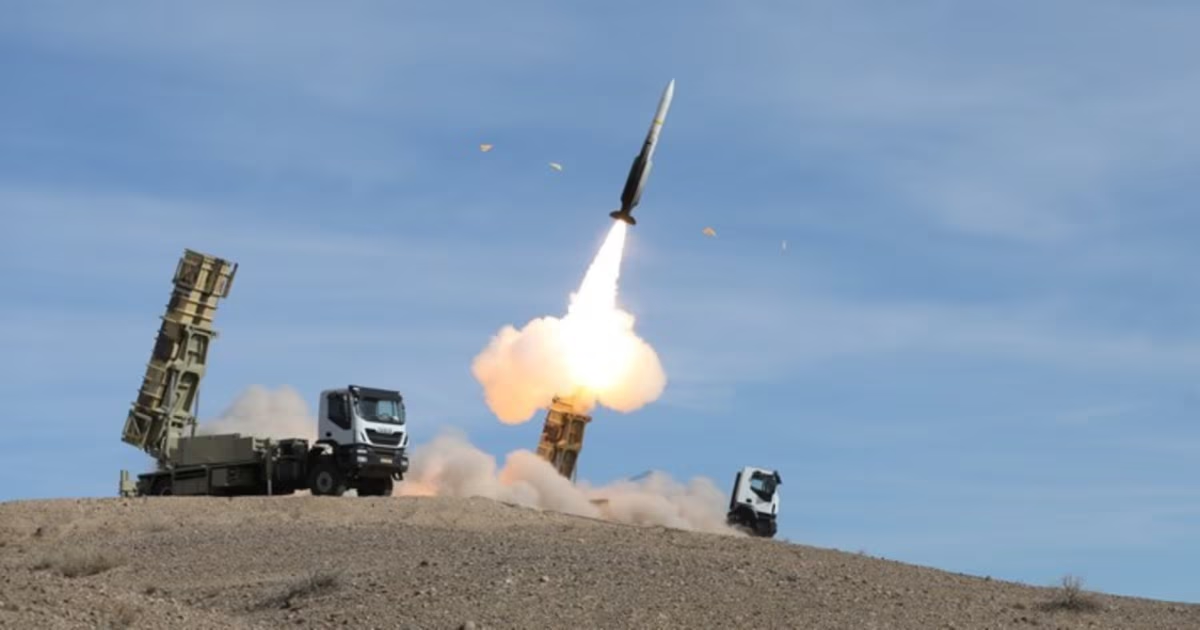
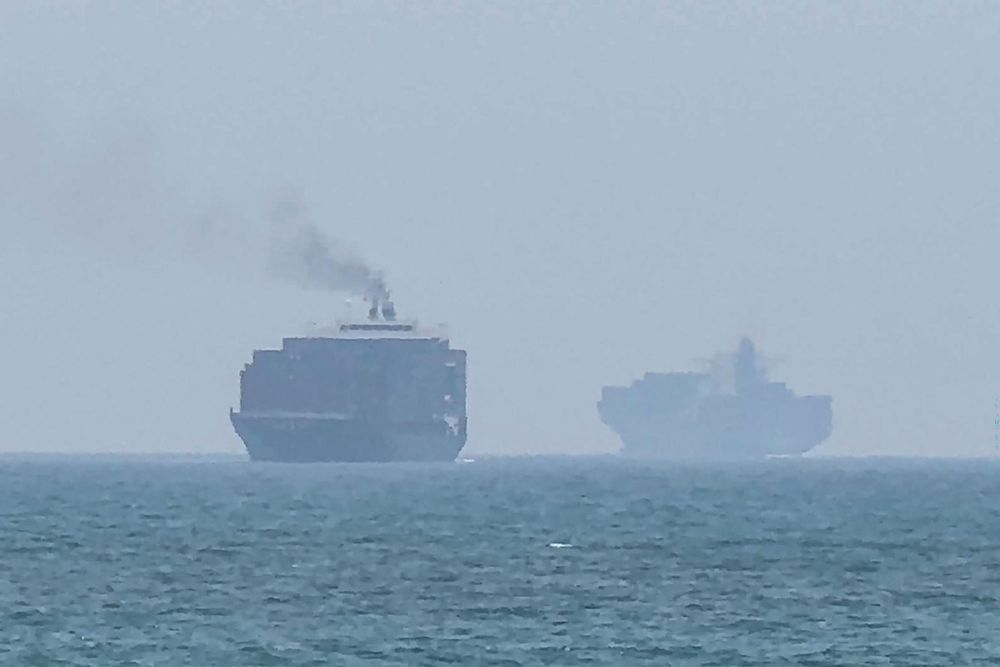
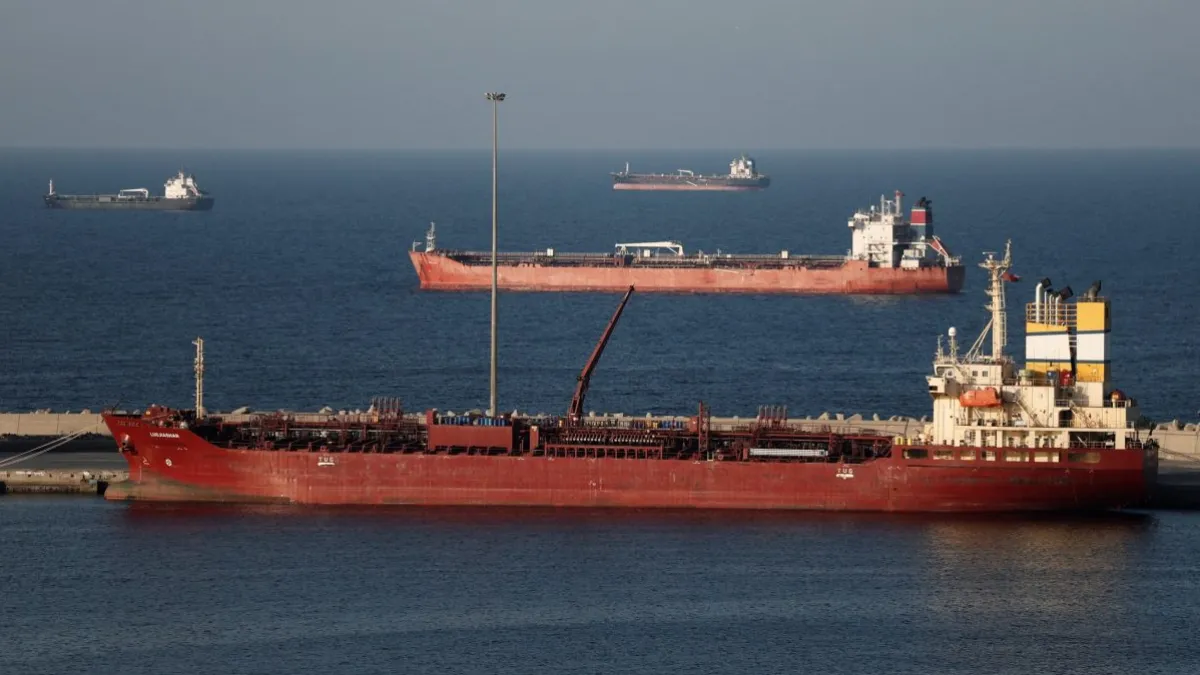
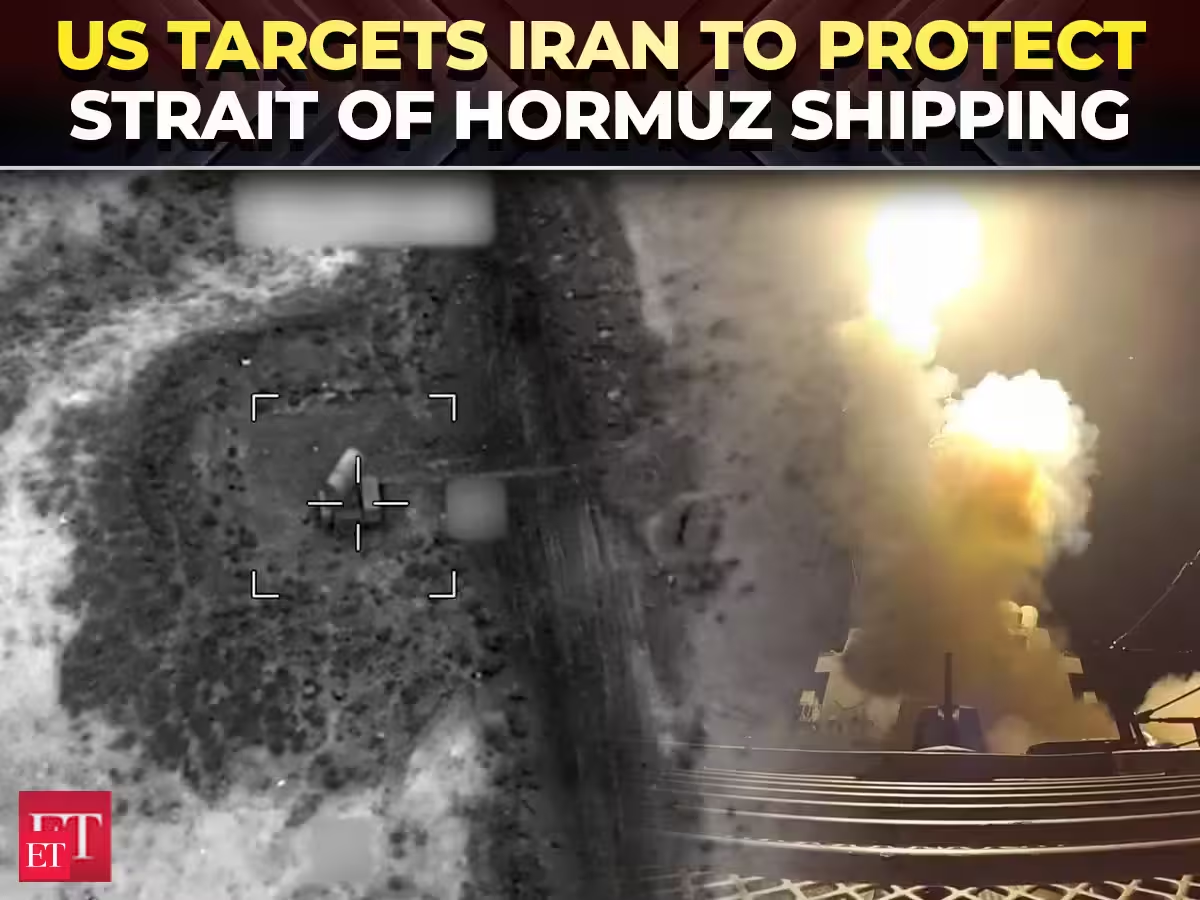
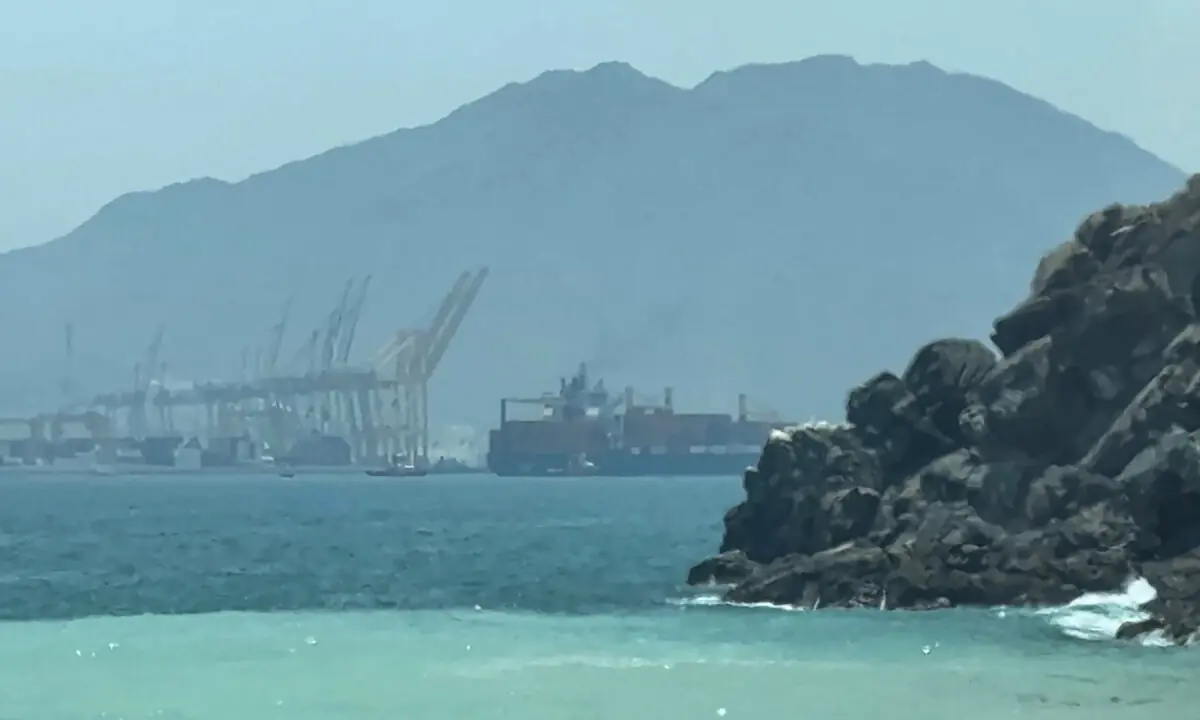
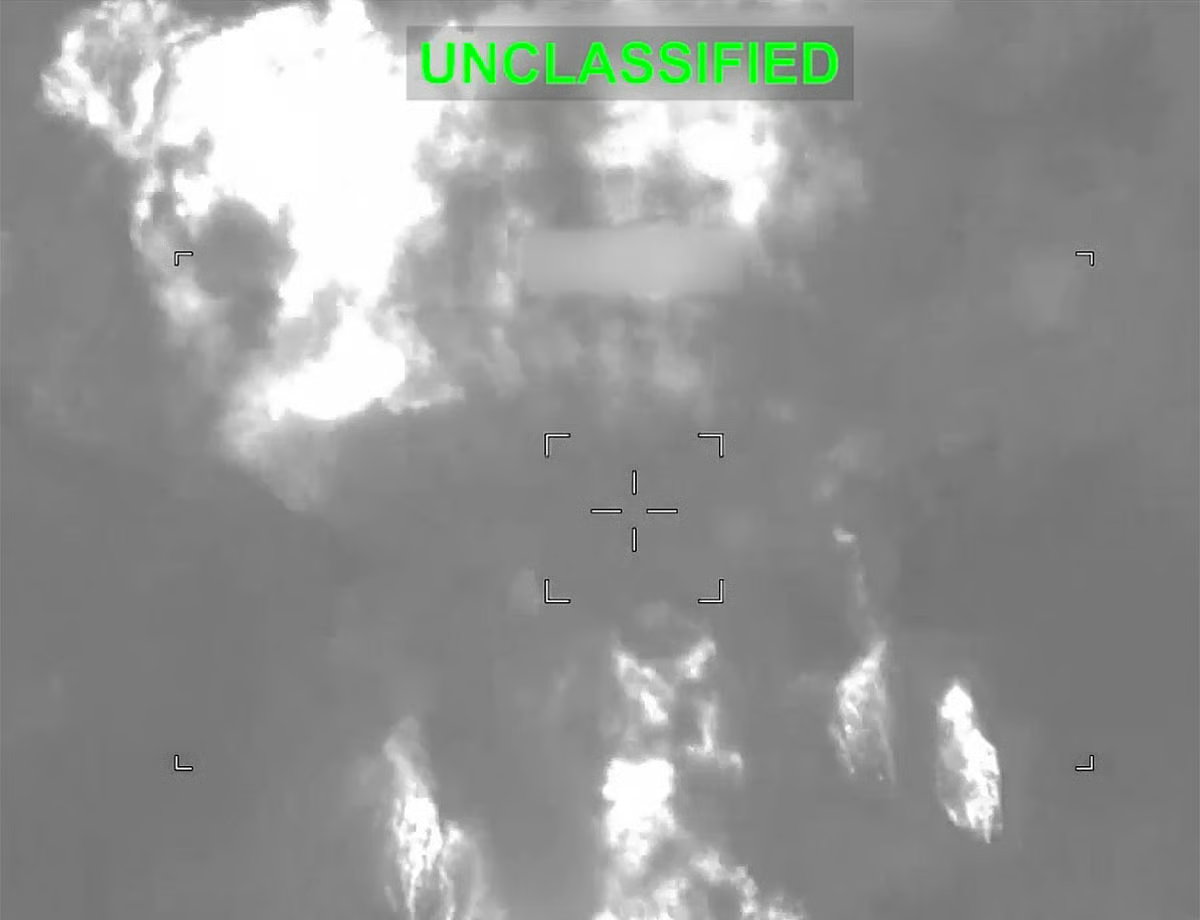
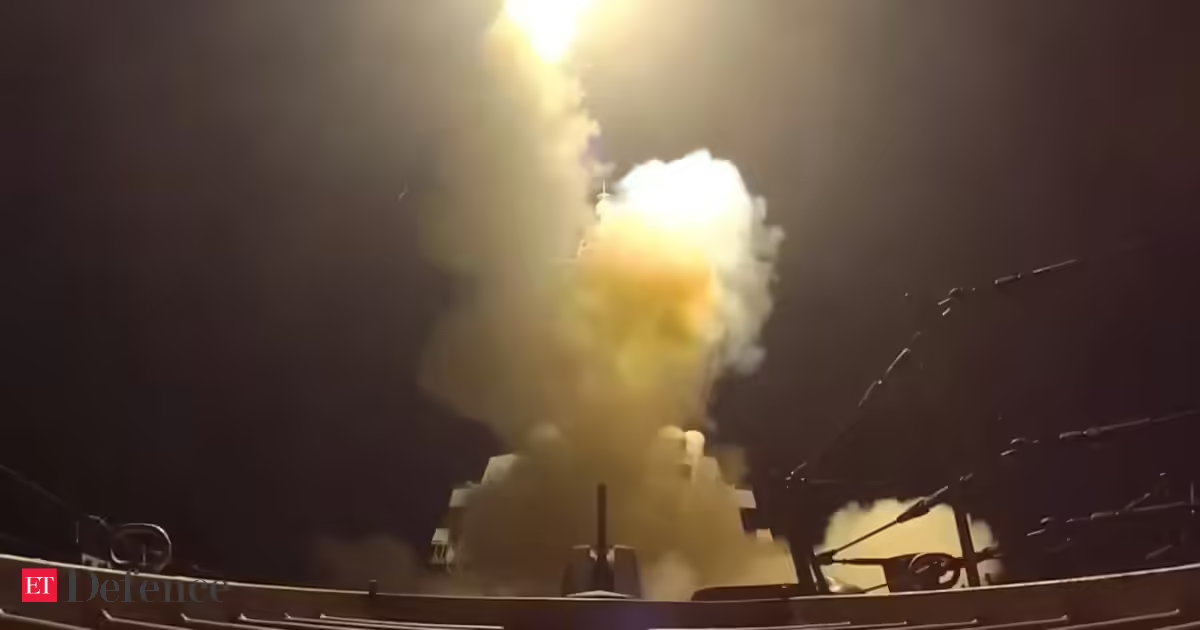
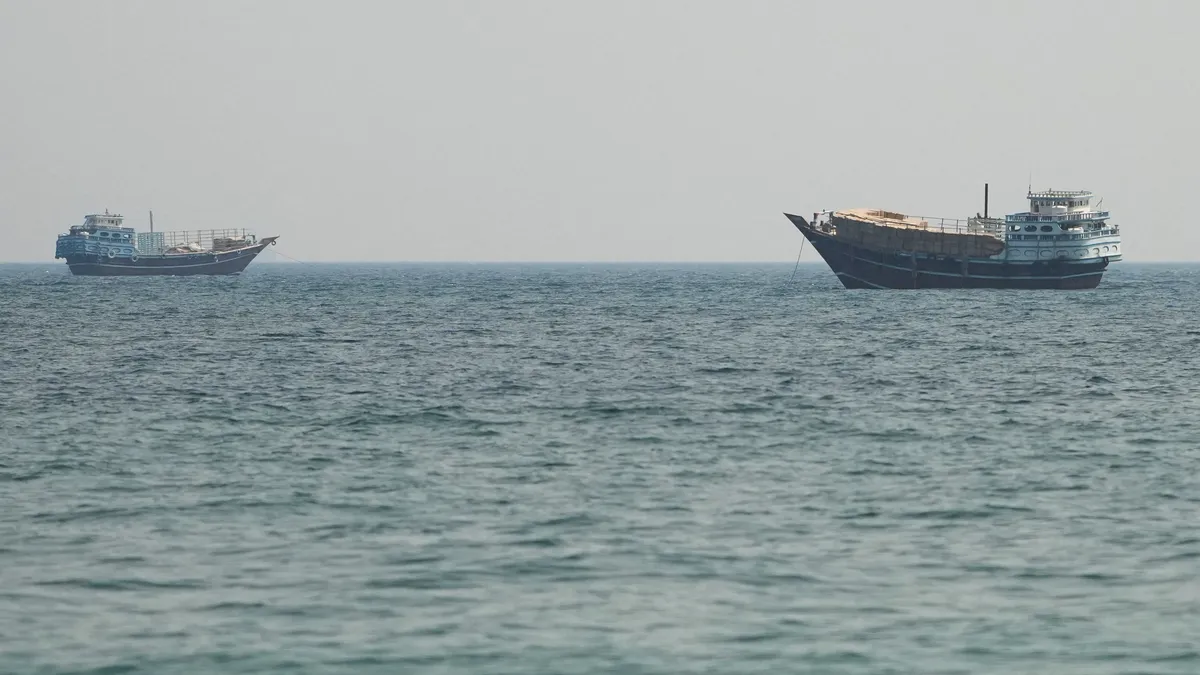
The United States launched a new round of military strikes against Iran on July 12 after Tehran targeted U.S. facilities across the Persian Gulf and declared it had again closed the Strait of Hormuz, marking another escalation in the diplomatic breakdown between the two countries.U.S. Central Command said it began conducting strikes against Iran at 5 p.m. ET on July 12 "to continue degrading their ability to attack civilian mariners and commercial ships freely transiting the Strait of Hormuz." President Donald Trump "directed the strikes to hold Iranian forces accountable," Central Command added.The latest exchanges intensified a struggle over control of the Strait of Hormuz, a vital energy corridor responsible for carrying a fifth of the world's oil and liquefied natural gas shipments before the war. Iran said it had once again shut the waterway, while U.S. officials insisted that the strait remained open.In a brief interview with Reuters, Trump said of the weekend attacks that "we’re beating them up," days after indicating that he considered the ceasefire over.The renewed fighting cast doubt on an interim U.S.-Iran agreement signed last month that was intended to reopen the strait and provide a framework for ending the war through an additional 60 days of negotiations. The latest exchanges have instead heightened fears of a wider regional conflict and further disruptions to global markets.Gulf nations caught in the middleIran expanded its military operations beyond previous targets, launching strikes that reached Qatar and prompting air defense responses in the United Arab Emirates.Qatar, which has played a central role in mediation efforts between Washington and Tehran, said three people, including a child, were injured by falling shrapnel. The Gulf nation accused Iran of being "fully legally responsible" for the attack and noted that the strike could further complicate diplomatic efforts.Officials across the region reported additional incidents. Bahrain said it intercepted several aerial attacks, Jordan reported missile strikes, and Oman said it was targeted by drones. Kuwait later reported damage from strikes and said one worker was injured after an attack on an oil drilling platform.Oman also summoned Iran's ambassador to protest drone attacks in two regions of the country. The U.S. Embassy in Oman advised Americans in affected areas to shelter in place as security conditions deteriorated.In a statement, Iran's foreign ministry condemned what it called "aggressive" U.S. military actions and said talks held on July 11 between Iranian and Omani officials were unable to reach a result because of "overt and covert" U.S. pressure on Oman.U.S. military officials said on July 11 that its forces struck 140 Iranian military targets, and that more than 300 had been struck over three nights this week.Oil prices climb as fears of disruption growThe escalating confrontation sent oil prices higher and threatened energy shipments in the Strait of Hormuz. Brent crude — the international benchmark — rose more than 3% on the evening of July 12, while U.S. crude also gained roughly 3%.Trump said on July 12 that the strait is open to commercial traffic, though Iran declared earlier that it had closed the key waterway after a vessel traveled on an unapproved route and was struck.Six vessels transited the strait in July, the lowest number in five weeks, Reuters reported, citing shiptracking data from Kpler.Contributing: Reuters