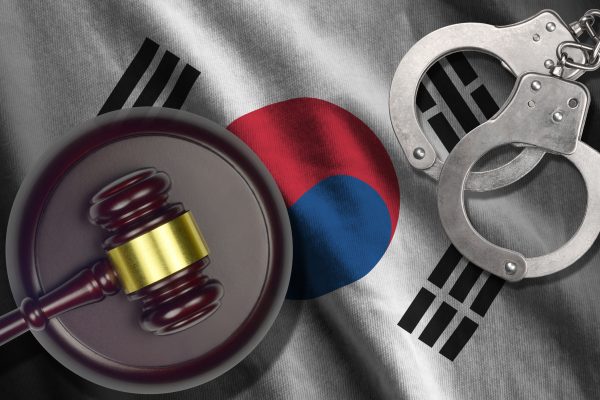
France’s legal reform in 1808 laid down the cornerstone of modern prosecution. It effected separation of powers for its criminal justice system, compartmentalizing investigation, prosecution, and trial to be handled by different parties. Putting any of the two elements within one hand had almost inevitably led to judicial prejudice and abuse of power. Most of Europe soon followed the French model. And today, developed liberal democracies hew to this legal sanctity and practice.
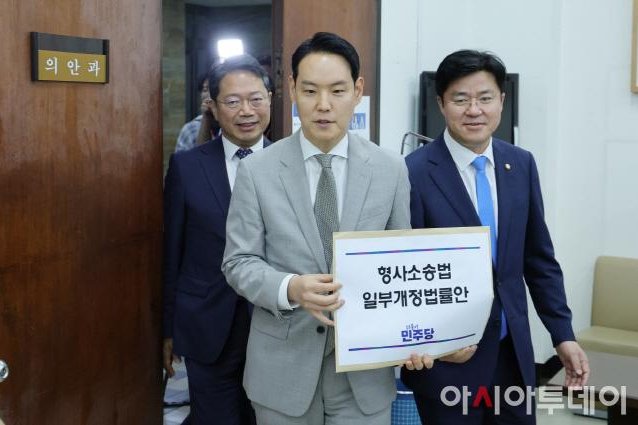
South Korea, however, is an exception. Its prosecution is highly centralized with a monopoly on investigation and prosecution – a model more commonly found in autocracies. The prosecutors also exercise coercive powers reserved for the police in other countries. They have used their distended legal capabilities to pull strings behind South Korean politics.
For people they no longer wish to see in public, they dig up dirt first with the assumption they must be guilty of something, however trivial. For the actually guilty ones they want to keep indebted to them, they withhold indictment. (This “discretionary indictment” is even their statutory right.) Not surprisingly, the prosecutor’s office has been synonymous with corruption, where investigations can be swept under the rug or unleashed upon political nemeses.