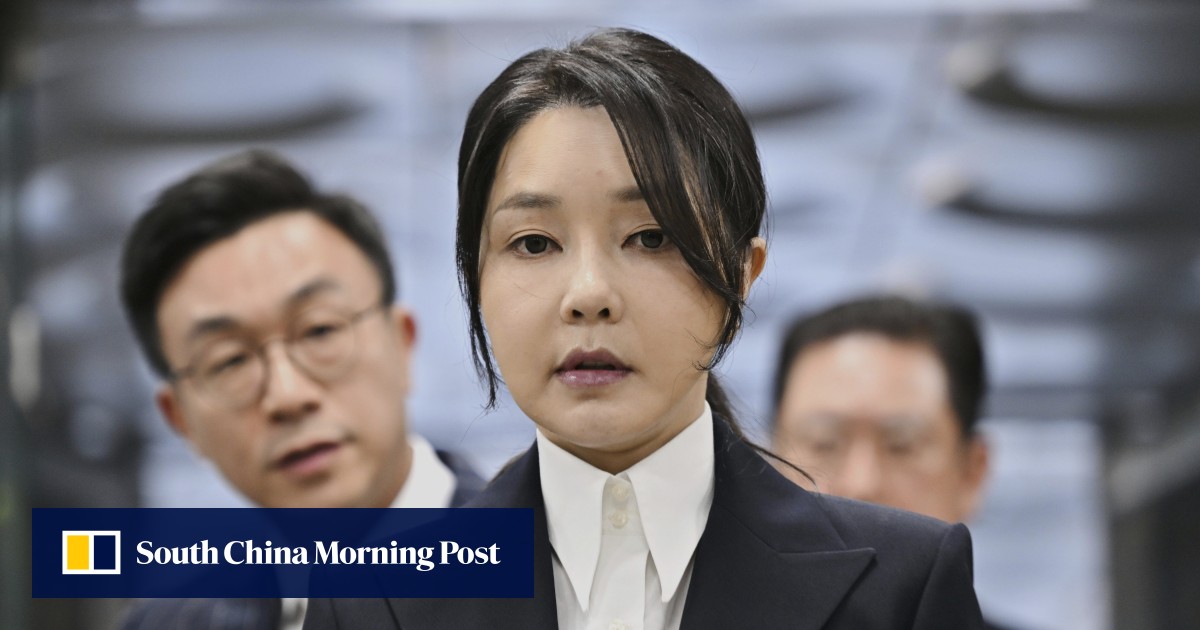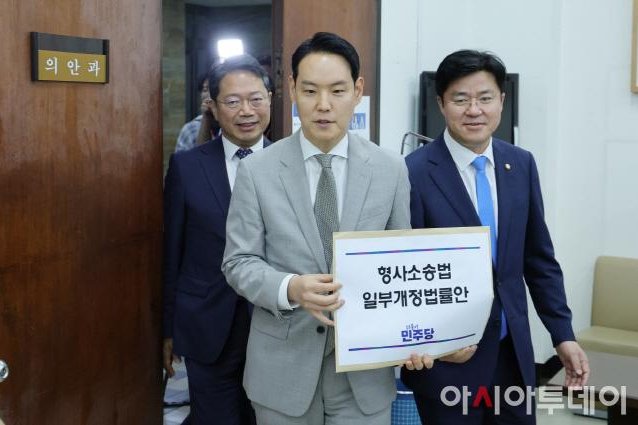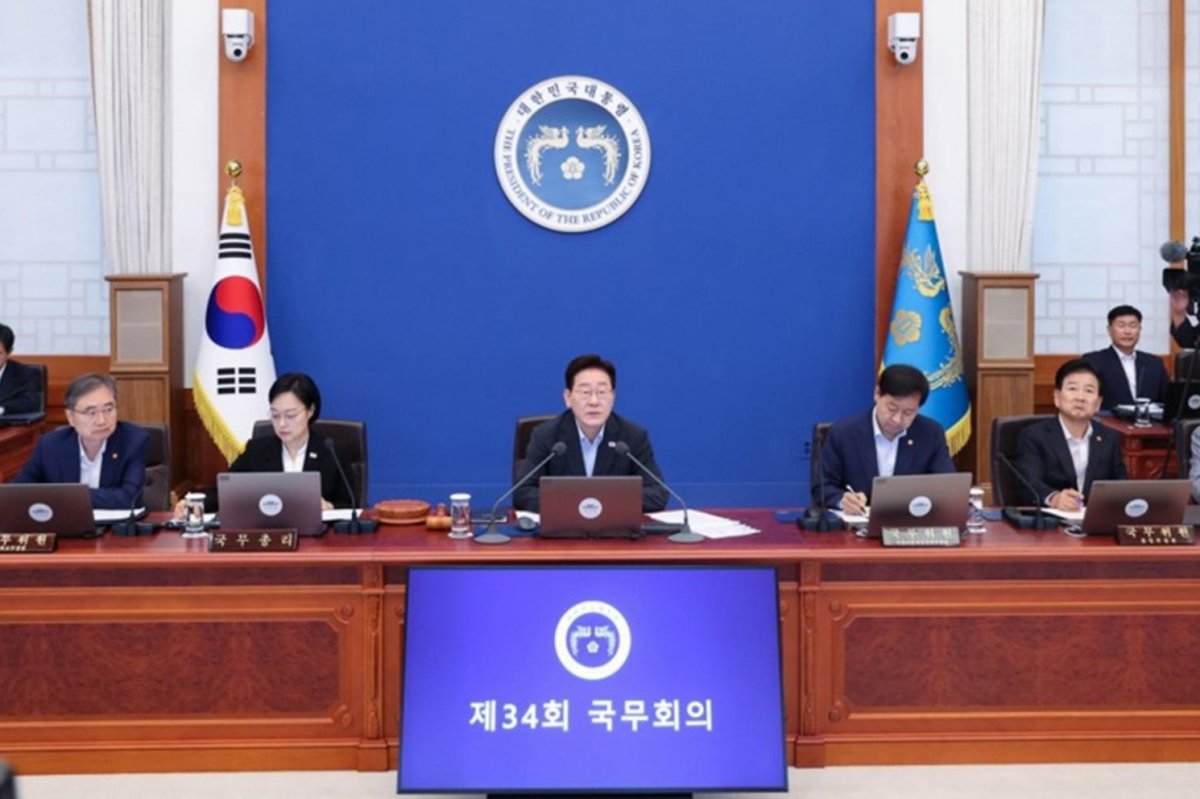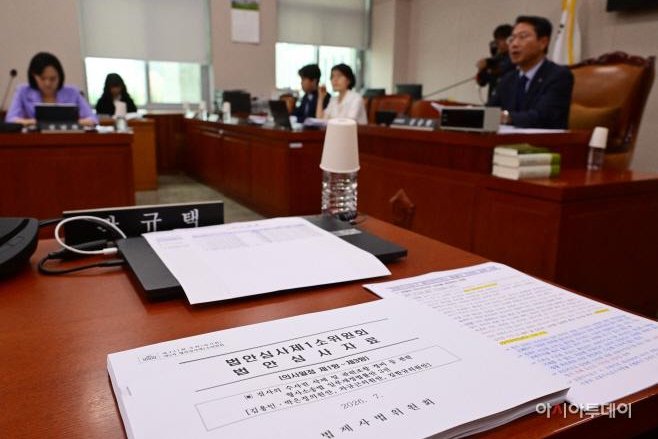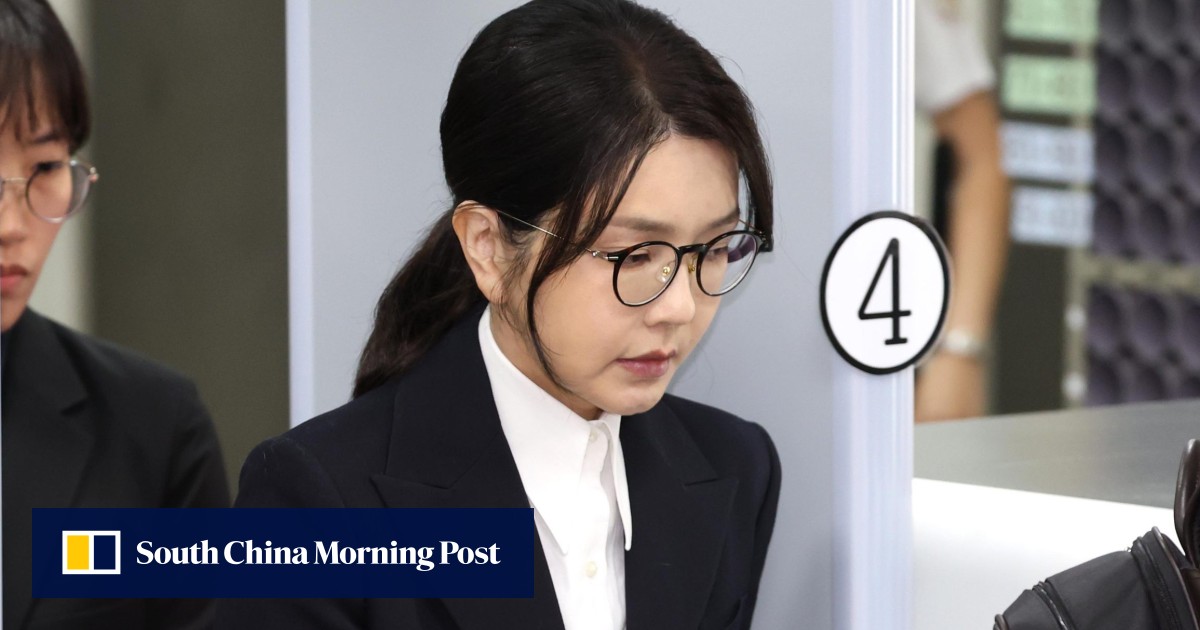
A key flashpoint was Kim Keon-hee’s case, which critics say highlighted a pattern of selective and politically motivated law enforcement
But critics warn the move may create constitutional disputes and deepen political fault lines.
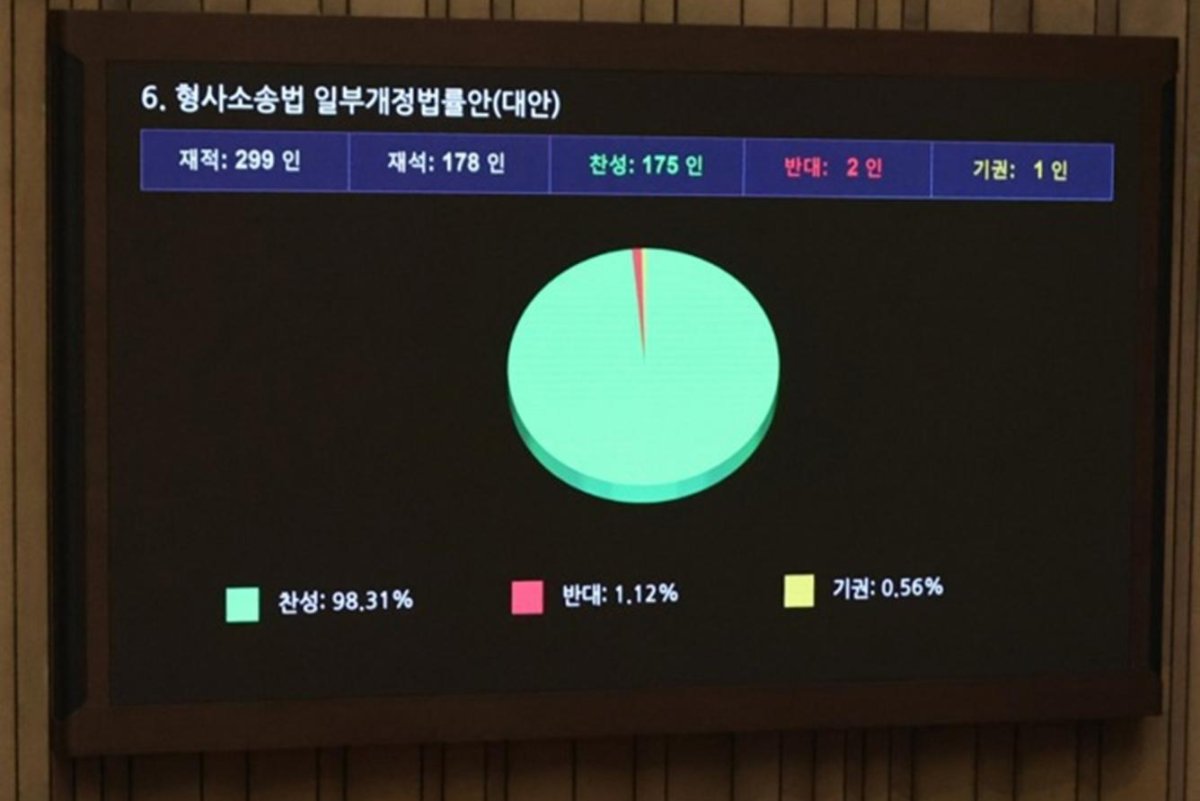
Under the measure, a new agency will oversee investigations while a separate body will hold powers of indictment – functions prosecutors had until now monopolised.
“This is a disaster that the prosecution has brought on itself by enforcing the law unfairly,” Lim Sung-hack, a political scientist at the University of Seoul, told This Week in Asia.
“This reform comes as there is little hope of the prosecution service breaking with the past and reforming itself voluntarily.”