C
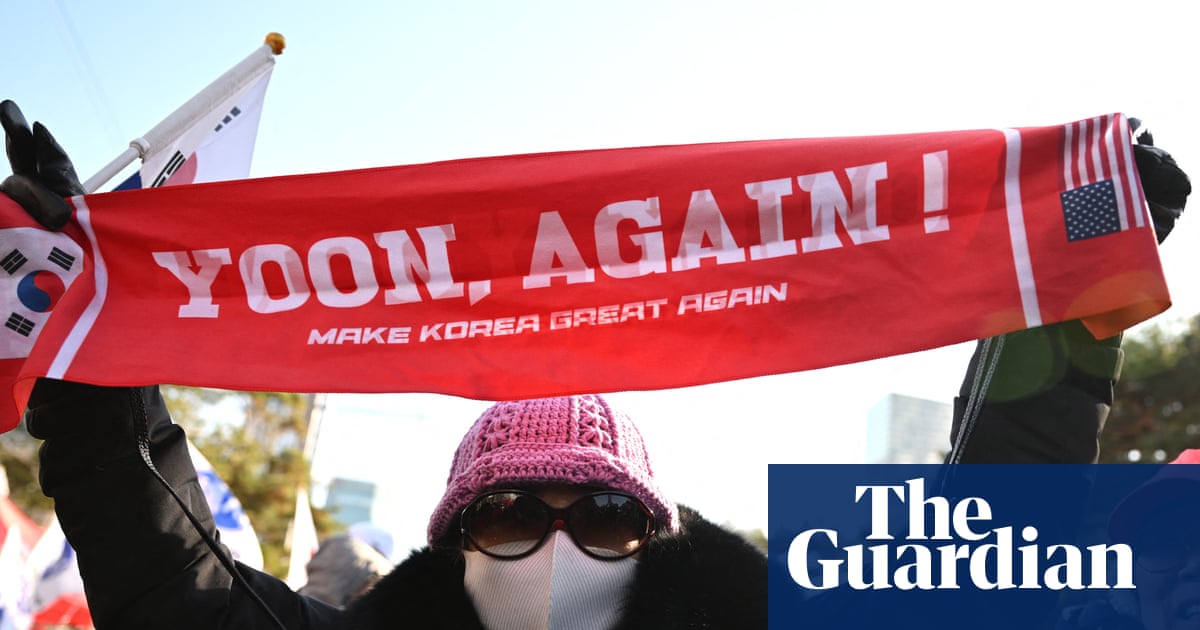
onstitutional reform is a stated priority of the new South Korean presidency, which came to power following the impeachment of the conservative Yoon Suk Yeol, who abusively declared martial law in December 2024 before being removed from office. The reform, however, has encountered substantial resistance.
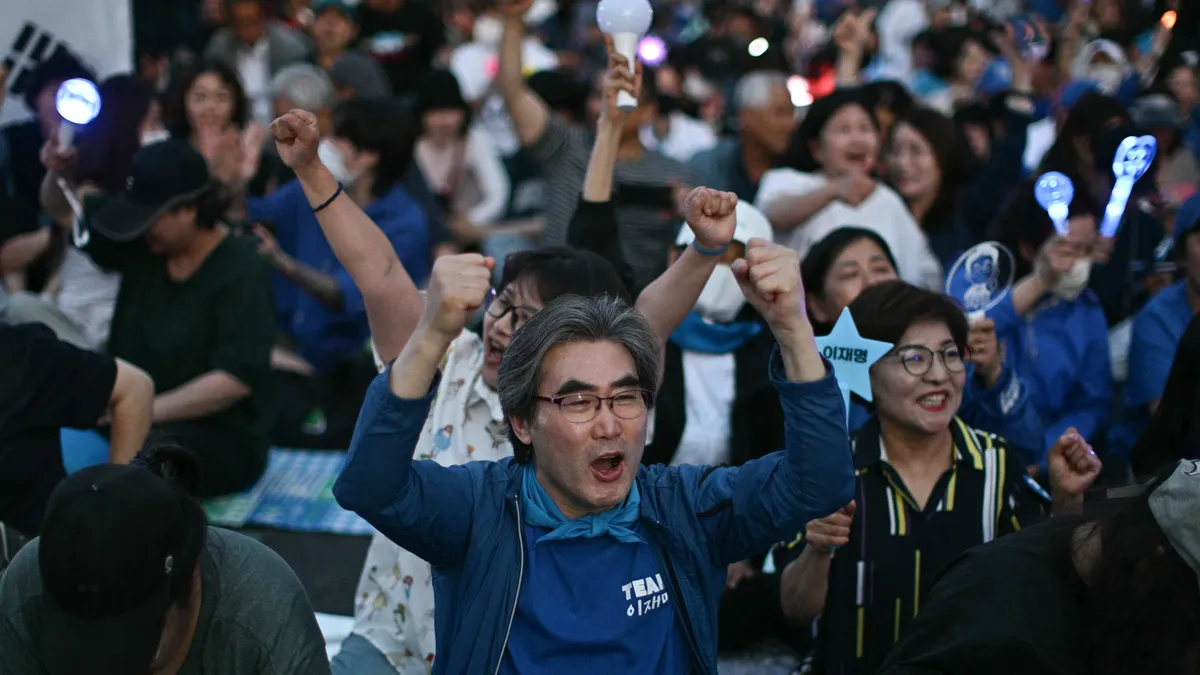
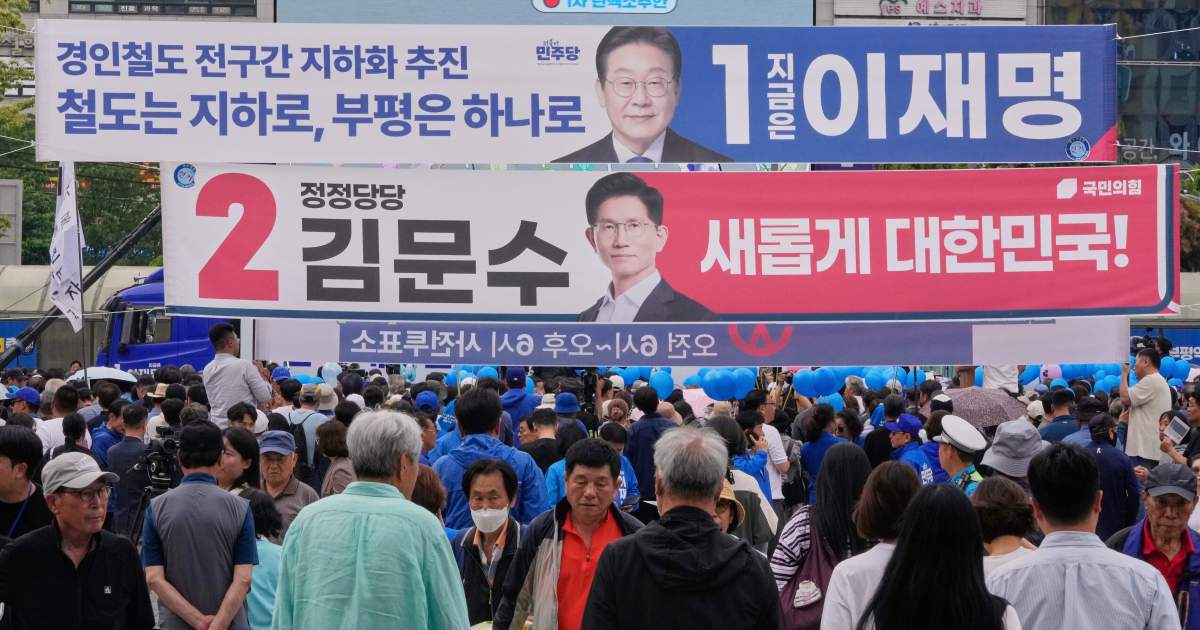
Yoon's departure and the June election of his successor, the progressive Lee Jae-myung, ended six months of political turmoil. Yet this tumultuous transition has sparked intense debate about the Constitution of the Sixth Republic, which was adopted in 1987. Although the Constitution marked the beginning of the democratic era in Korea − weary after 40 years of military dictatorship − its flaws are seen as having the potential to foment additional political crises.
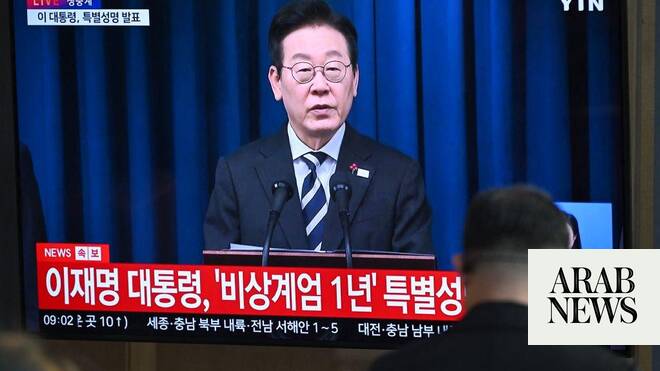
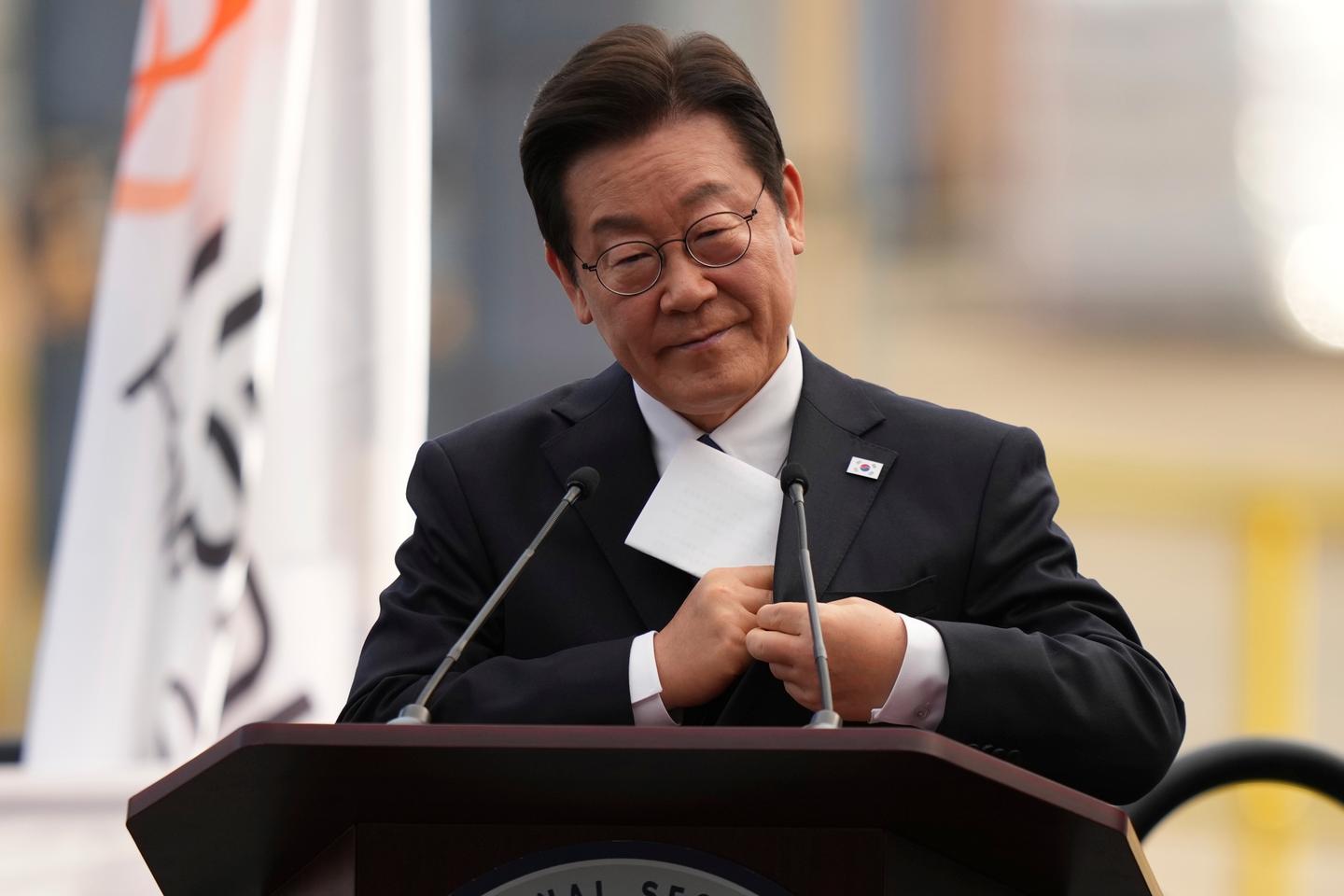
Lee pledged to overhaul the text, but did not set a timeline. "Determined to end the era of the 1987 Constitution, the Lee administration will propose amendments based on citizen participation to open a new era for South Korea," said Lee Hae-sik, MP for the progressive-majority Democratic Party (DP), on August 13.
Correcting imbalances