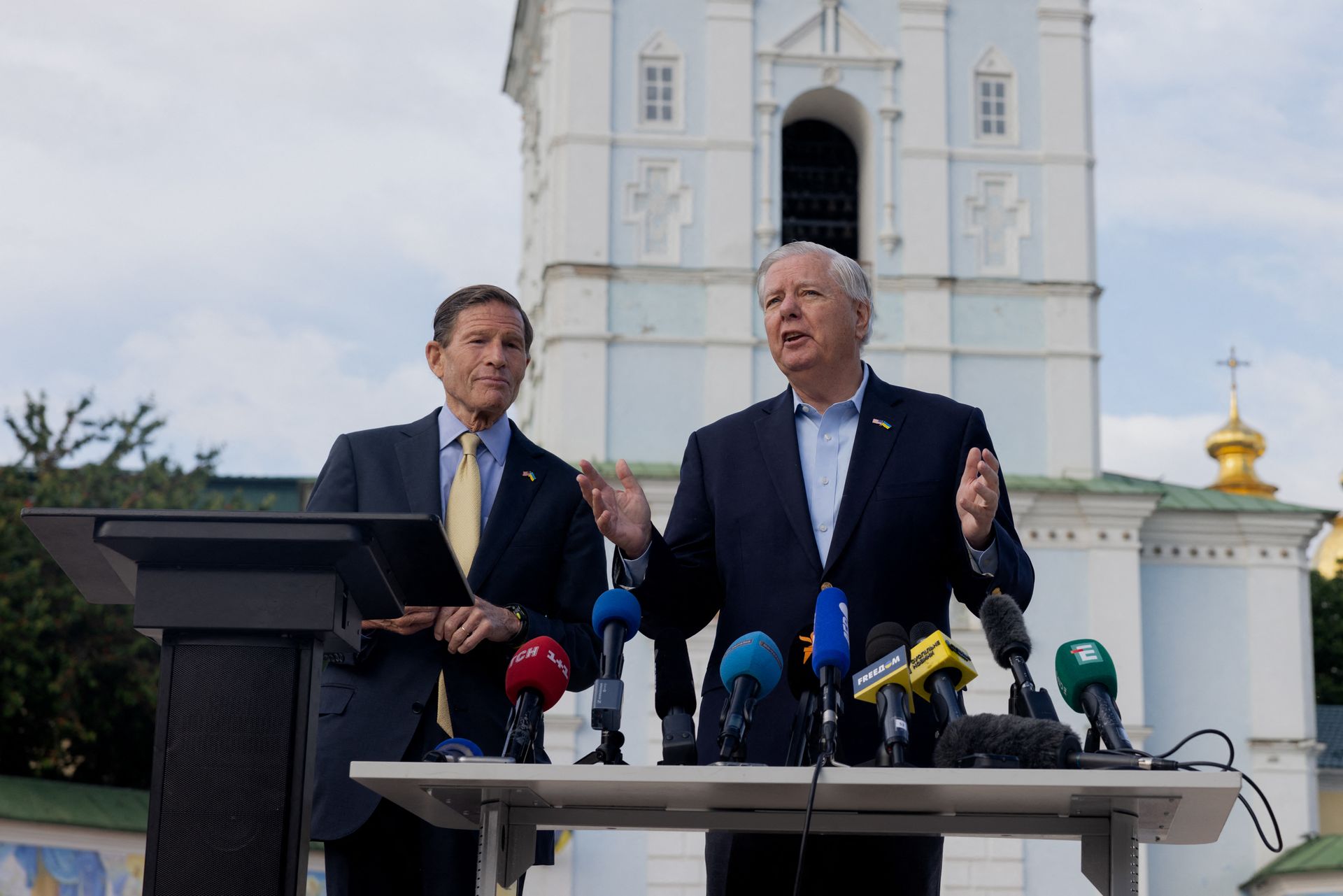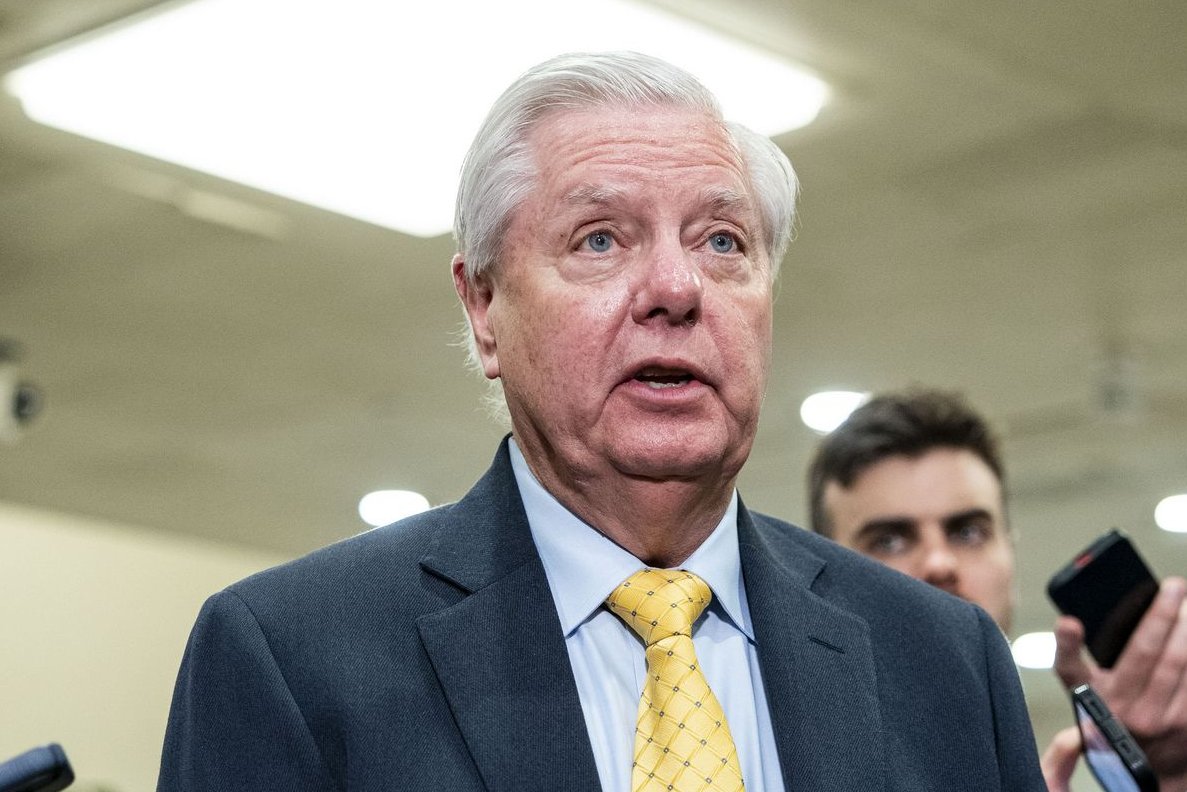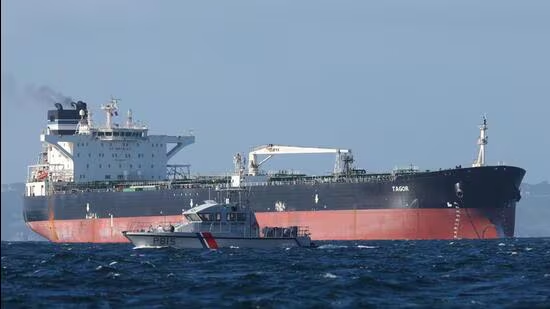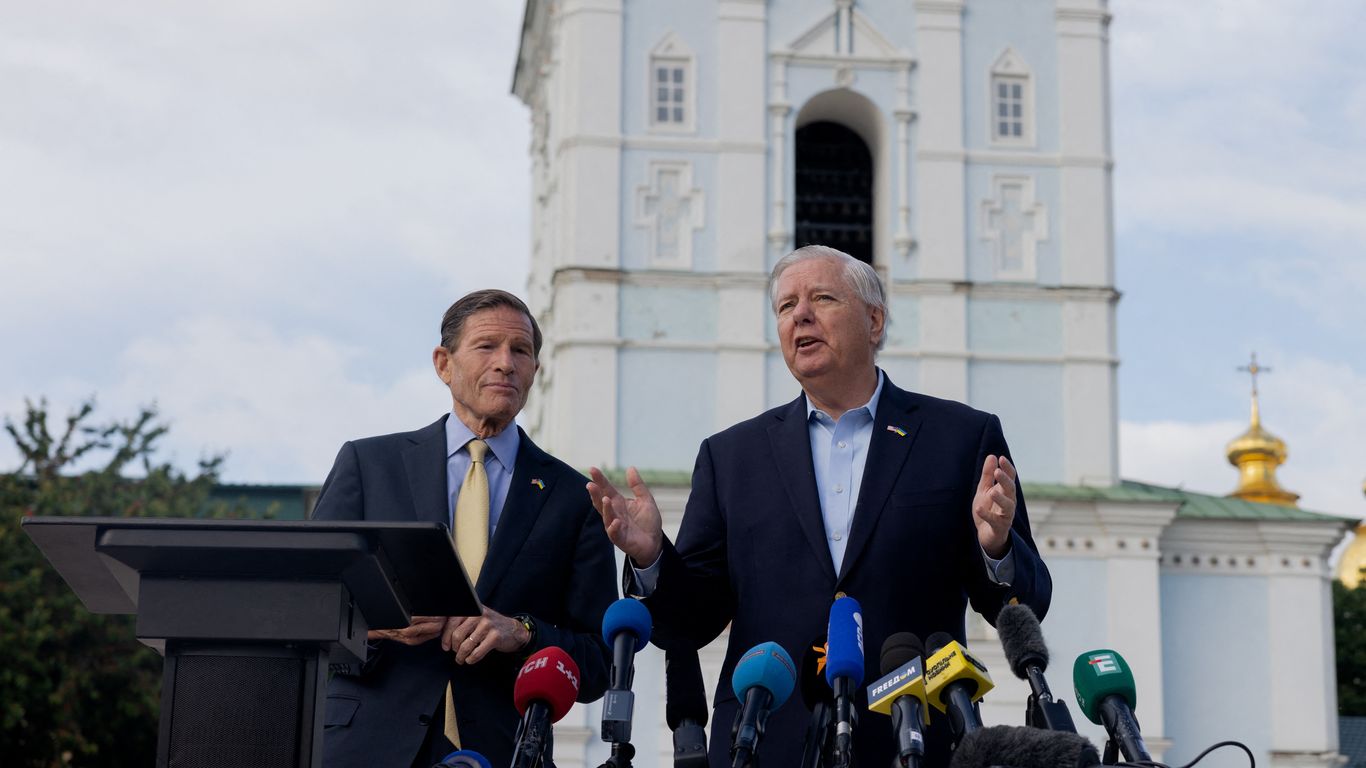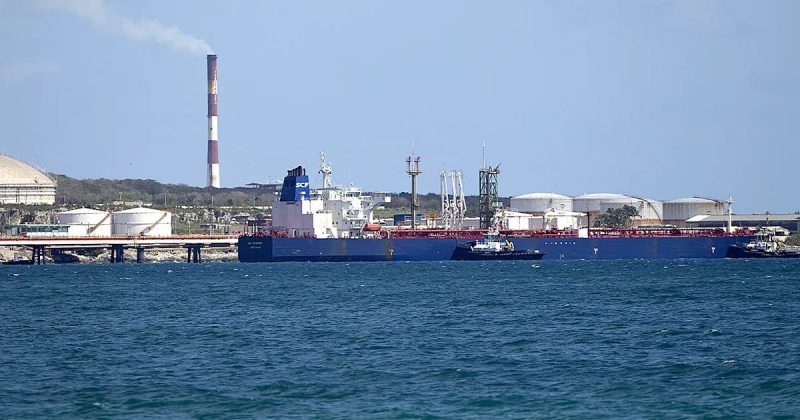
A new U.S. sanctions bill, the Sanctioning Russia Act of 2026, aims to target Russia’s oil exports and its shadow fleet, according to a report from OilPrice.com. This bipartisan effort, led by Senators Lindsey Graham and Richard Blumenthal, seeks to impose mandatory sanctions on unmarked or reflagged oil tankers that evade Western sanctions and tariffs of up to 100% on the top buyers of Russian oil. The bill has received support from the White House under President Trump and is part of the ongoing U.S. strategy to cut off Russia’s primary war-funding revenue amid the Russo-Ukrainian War.
The impact of these developments appears to be reflected in the prediction markets, particularly concerning Russia’s military activities. The introduction of these new sanctions may suggest increased economic pressure on Russia, which could reduce its capacity for military aggression. Markets related to Russian military movements, such as the likelihood of Russia entering cities like Sloviansk, have shown a decrease in YES pricing, suggesting a perceived lower probability of such events.
In the context of the prediction markets, the odds for Russia entering Sloviansk by December 31, 2026, currently stand at 21.5% YES, with various other related markets also reflecting adjustments. This shift indicates that market participants might interpret the sanctions as a potential factor that could lead to a decrease in Russian military aggressiveness.