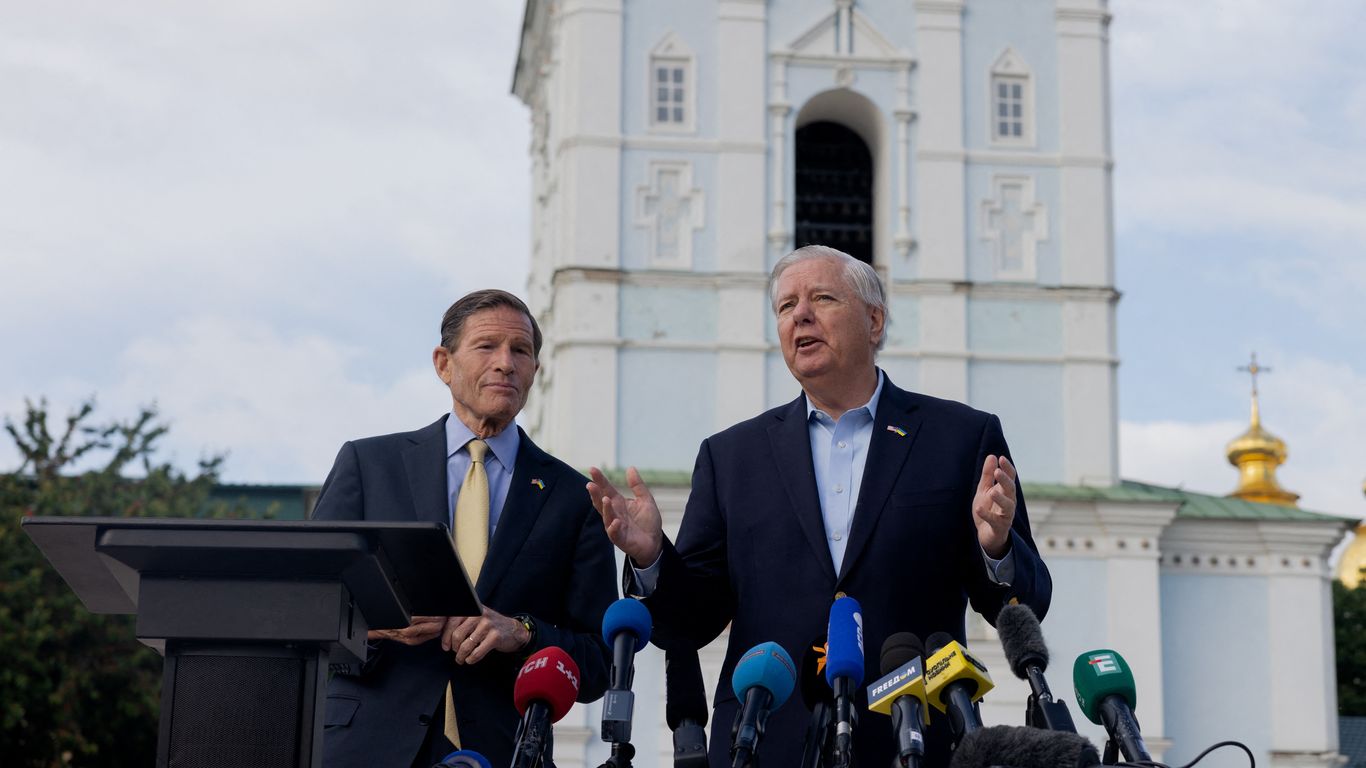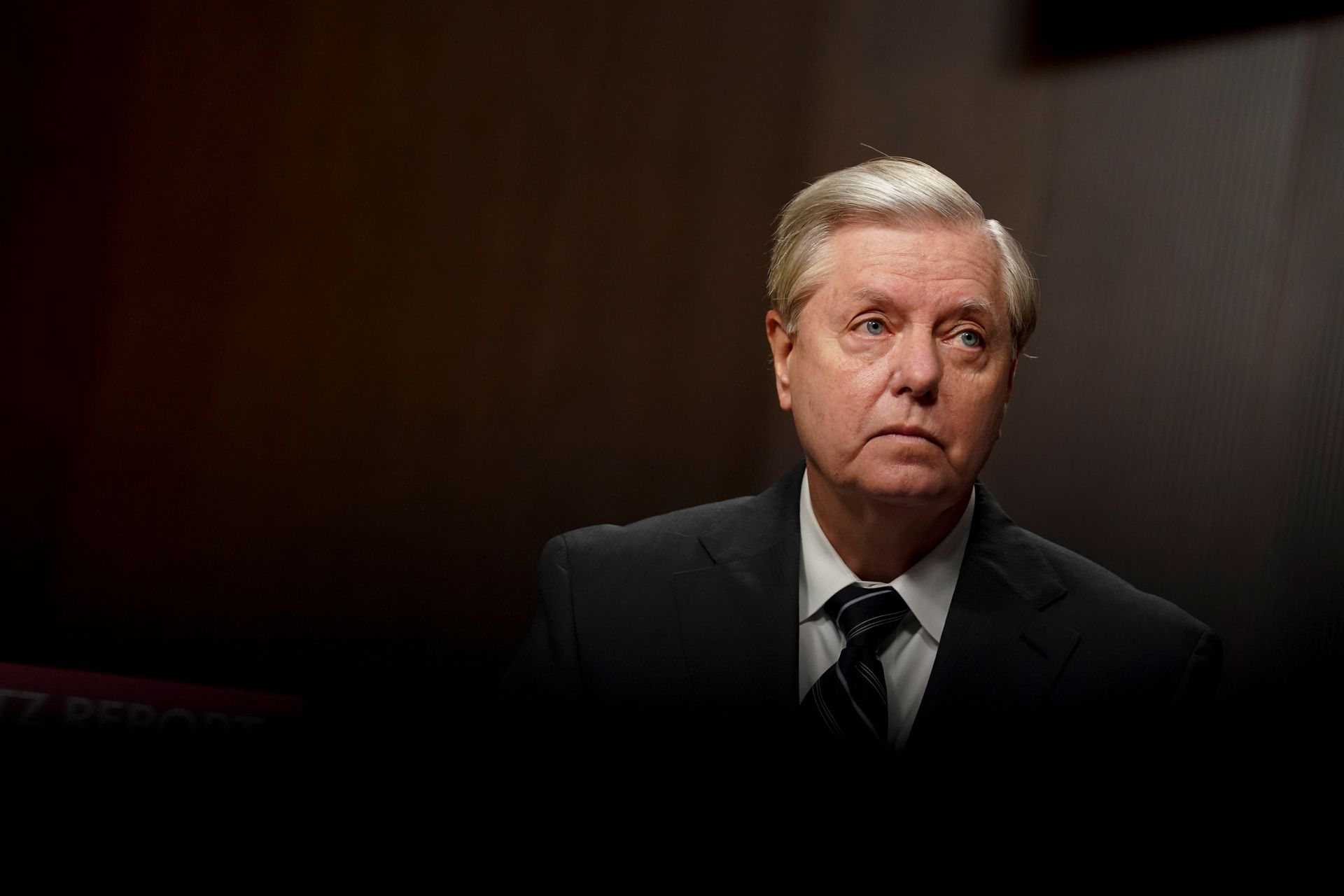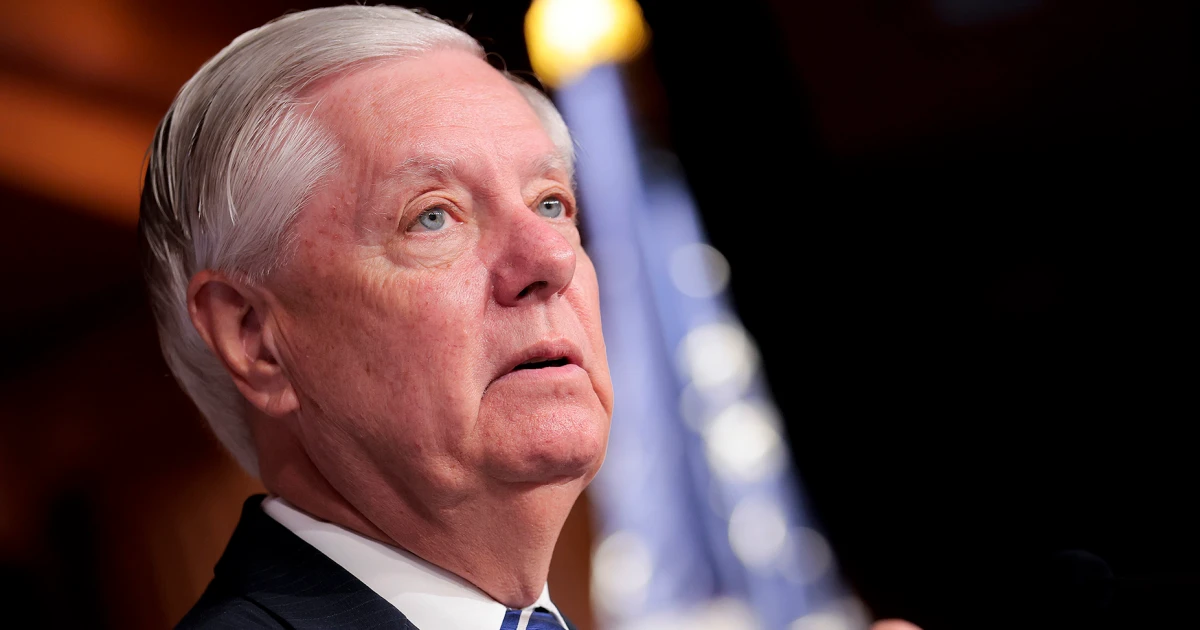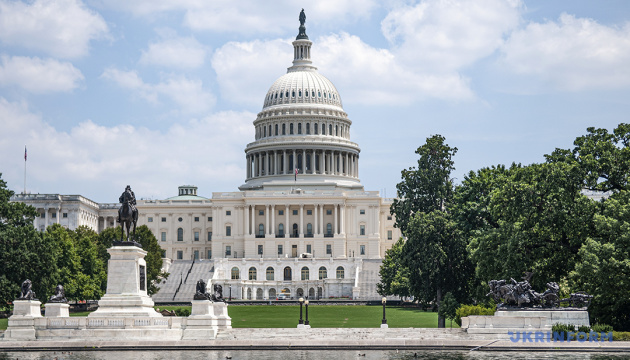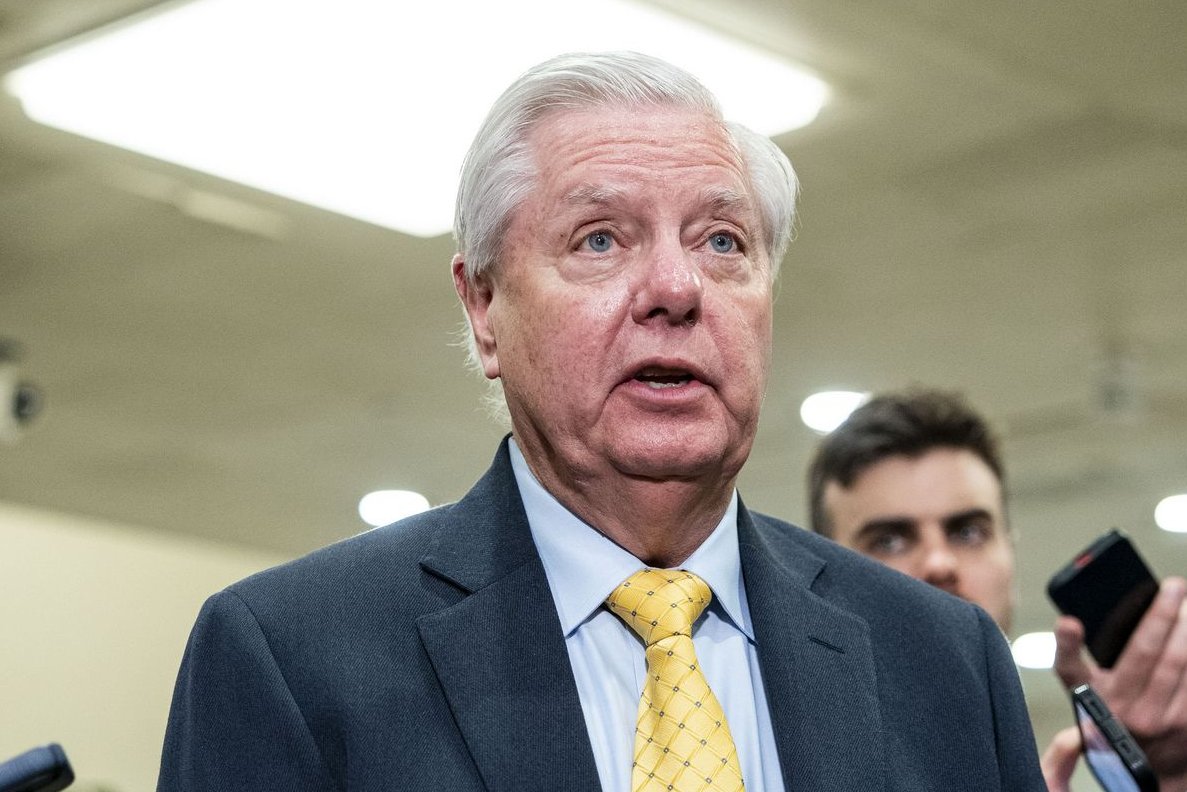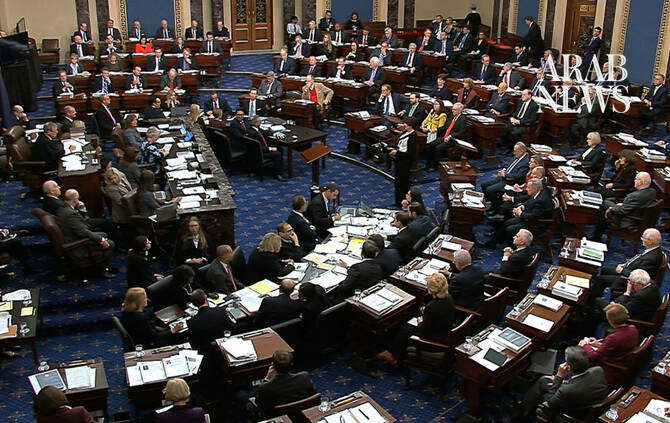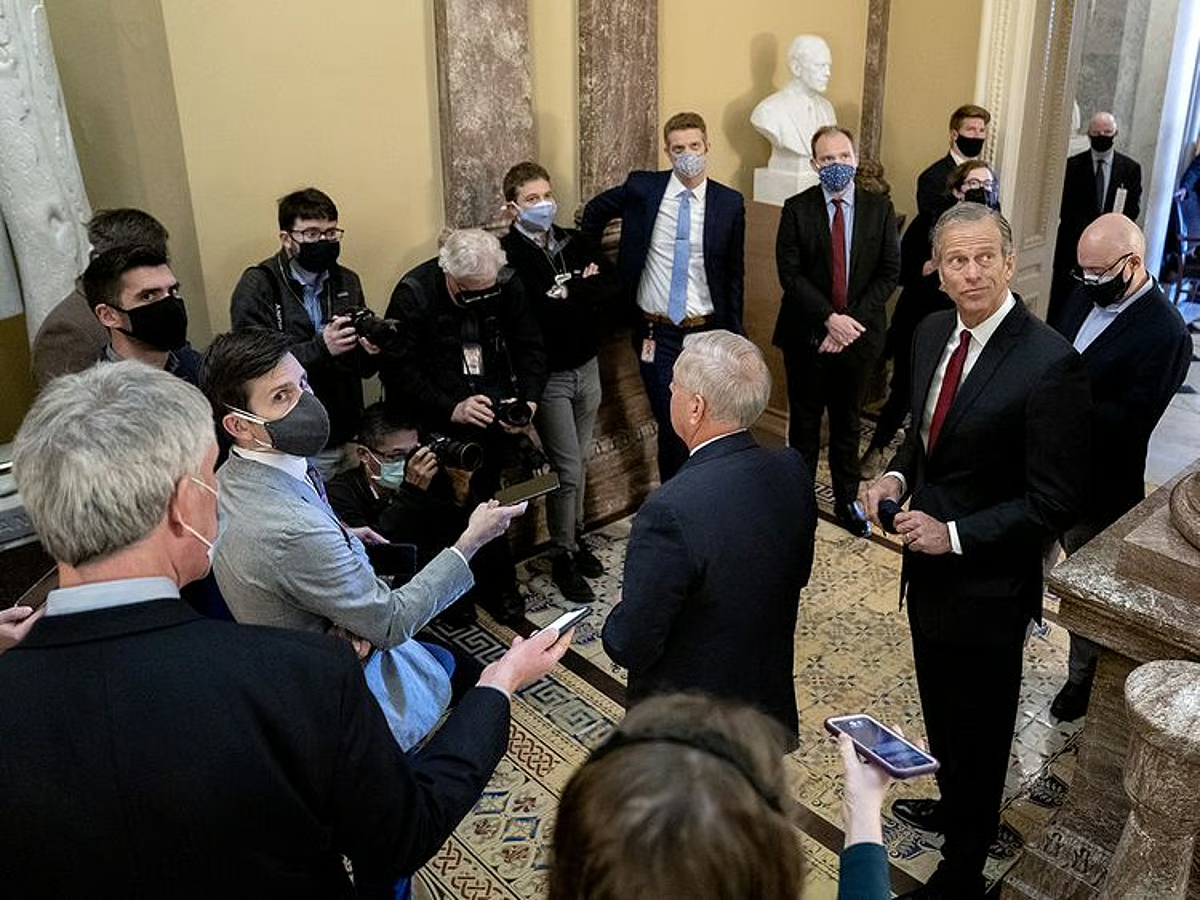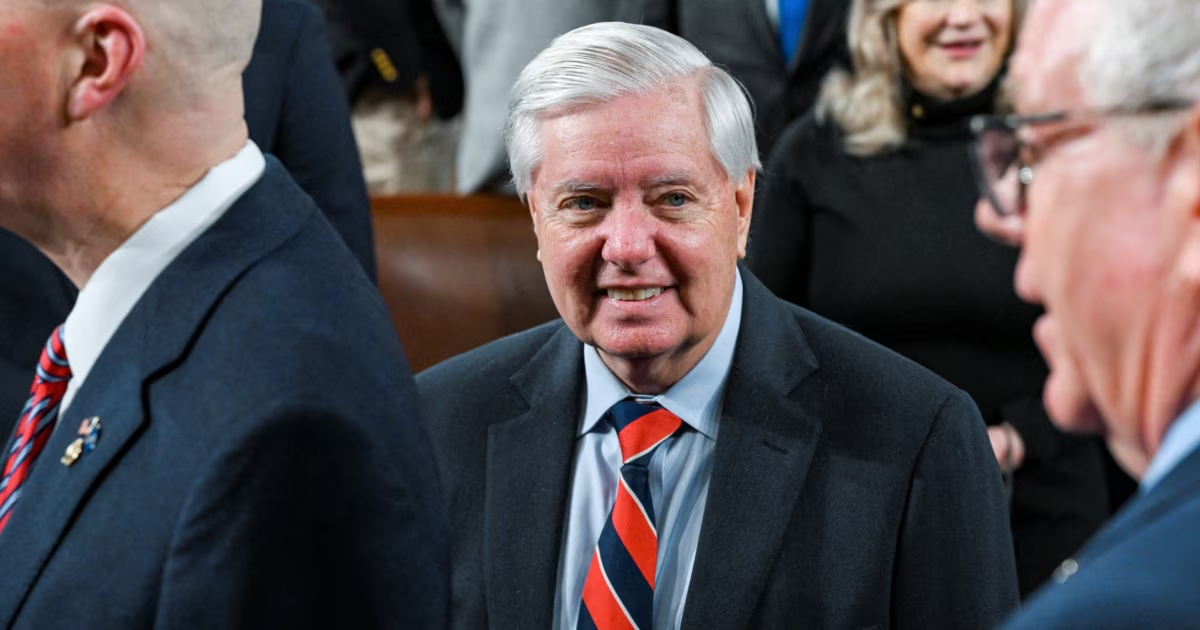
WASHINGTON -- A bipartisan group of US senators on July 14 introduced the Sanctioning Russia Act of 2026, unveiling a revised package of sanctions and tariffs aimed at squeezing Moscow's war finances while seeking to overcome concerns that had stalled earlier versions of the legislation.The bill, which has gathered more than 26 bipartisan co-sponsors, with supporters expecting that number to quickly grow, has taken on added political significance following the sudden death of Senator Lindsey Graham of South Carolina, one of its chief architects, over the weekend.Senate Democratic Leader Chuck Schumer of New York called for an immediate floor vote, saying the legislation should be passed "in honor of Lindsey," while Senate Majority Leader John Thune of South Dakota said he was "hopeful we can make that happen."The legislation represents the culmination of more than a year of bipartisan negotiations, with Graham announcing just one day before his death that lawmakers had reached agreement with the White House on key provisions after months of discussions.According to colleagues, Graham had returned from Ukraine shortly before his death and had spoken with US President Donald Trump about the sanctions package, expressing optimism that the administration was finally on board.“He was absolutely ecstatic," Democratic Senator Richard Blumenthal of Connecticut, Graham's chief Democratic partner on the bill, said of their final conversation. "I've never heard him quite as exuberant.”Blumenthal said he supports naming the legislation after Graham, calling it "part of his legacy."Bill Shifts Focus To Major Buyers Of Russian EnergyThe revised legislation significantly reshapes an earlier proposal that had drawn criticism from lawmakers and US allies over the breadth of its tariff provisions.Rather than imposing a blanket 500 percent tariff on countries buying Russian energy, the new version authorizes tariffs of up to 100 percent targeting the top five purchasers of Russian oil and natural gas, a group that sponsors said includes China and India.The legislation also creates exemptions for countries importing less than 15 percent of Russia's annual natural gas exports, provided they are taking "significant steps" to reduce their dependence on Russian energy.
US Senate Unveils Revised Russia Sanctions Bill As Lawmakers Push To Cement Graham's Legacy
A bipartisan group of US senators on July 14 introduced the Sanctioning Russia Act of 2026, unveiling a revised package of sanctions and tariffs aimed at squeezing Moscow's war finances while seeking to overcome concerns that had stalled earlier versions of the legislation.
995 words~5 min read