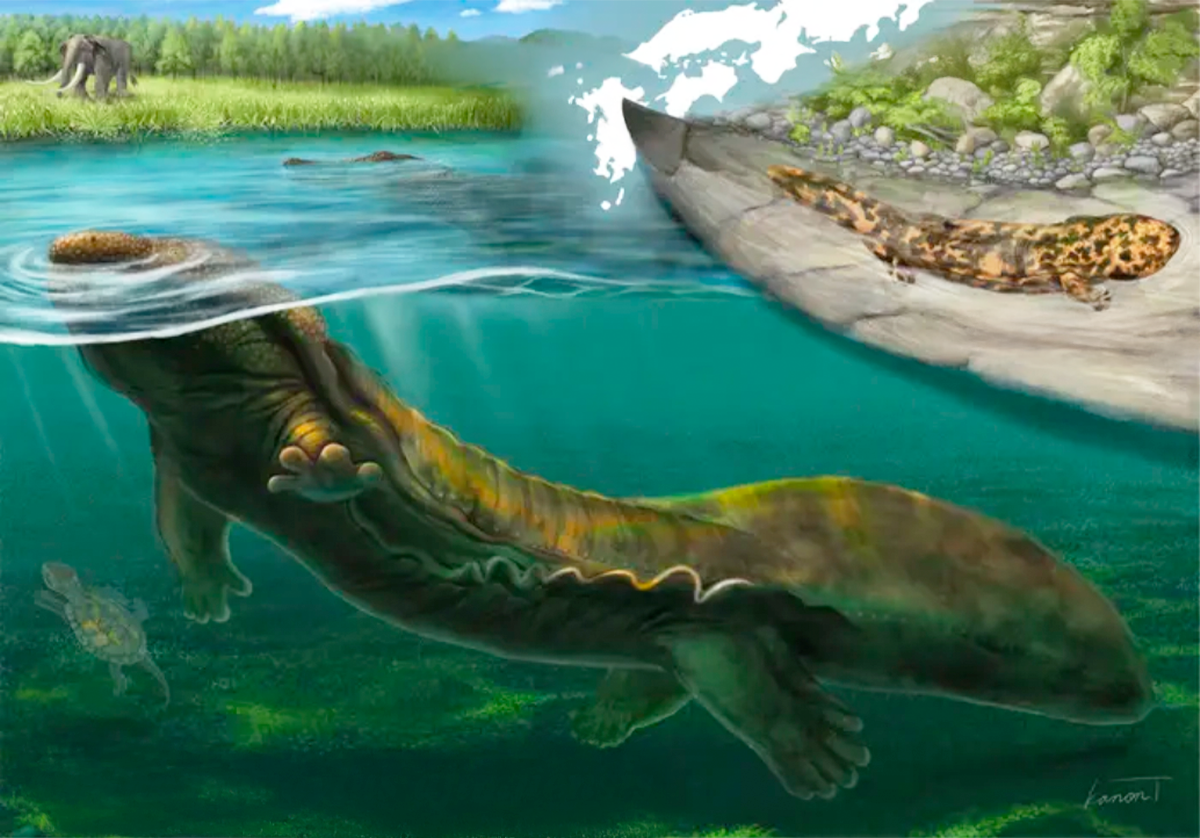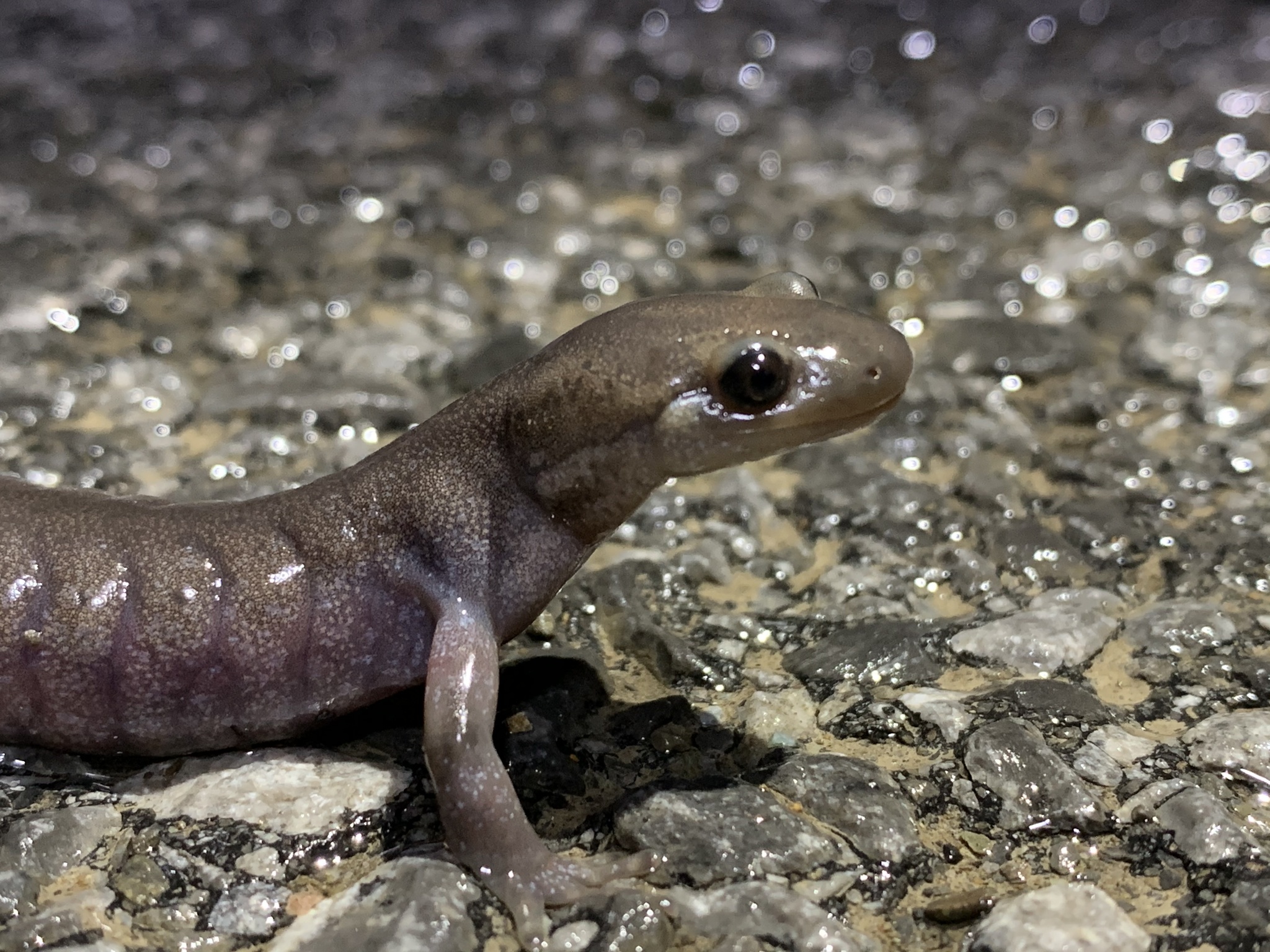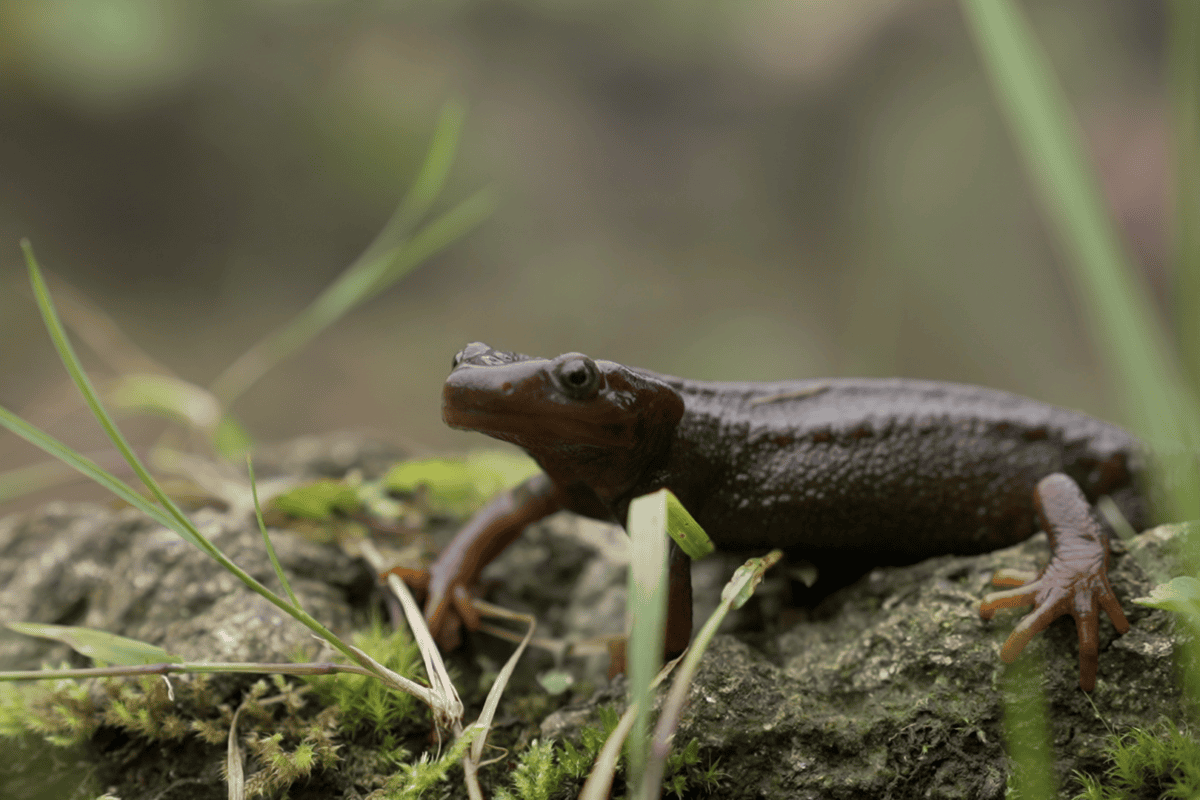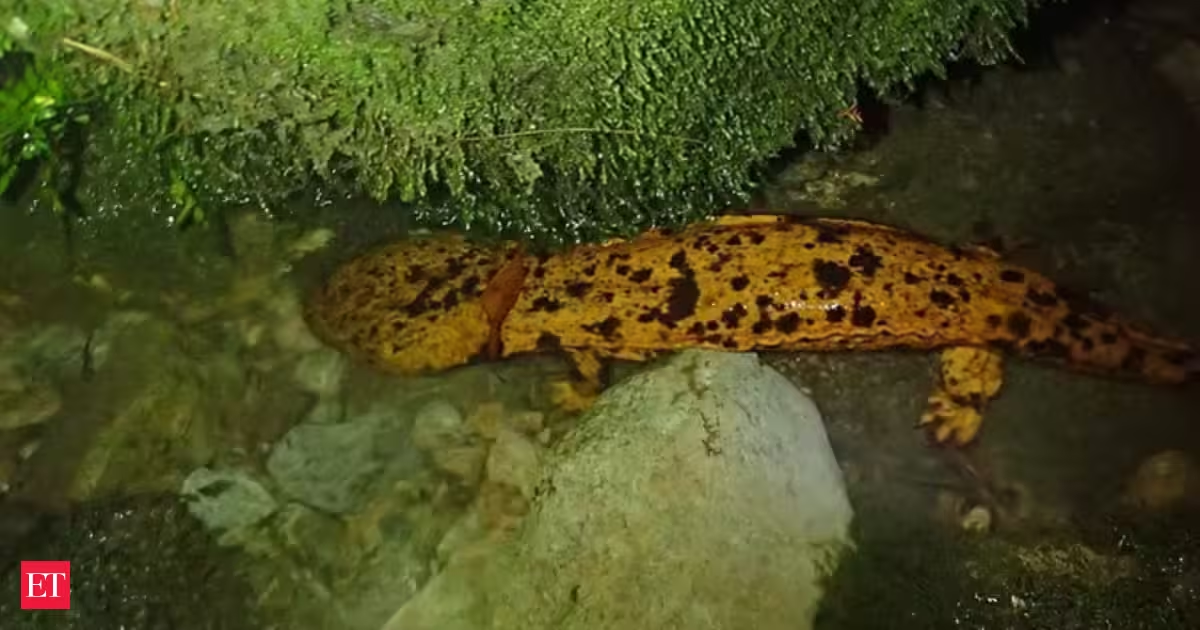
River dams are often criticised for blocking fish migration, but they can also create major obstacles for one of the world's largest amphibians. Rather than removing every small dam standing in the way, researchers in Japan tested an unusual alternative: specially designed ladderways that allow giant salamanders to climb over river barriers.The approach, described in a 2016 study published in the International Journal of River Basin Management, showed that carefully designed "salamander ladders" could help reconnect fragmented river habitats without dismantling existing infrastructure. The findings suggest that relatively simple engineering solutions may support wildlife conservation where dam removal is not practical.Why river dams are a problem for Japanese giant salamandersThe Japanese giant salamander (Andrias japonicus) is among the largest amphibians on Earth, with some individuals growing well over a metre in length. The species is found only in Japan and has been designated a Special Natural Monument because of its ecological and cultural importance. Japan built 'salamander ladders' instead of removing river dams and the idea actually worked, says studyUnlike many amphibians, Japanese giant salamanders spend almost their entire lives in cool, fast-flowing rivers. They depend on connected waterways to search for food, establish territories and reach breeding sites.However, decades of river development have altered many of these natural habitats. According to the 2016 study cited by TOI, low-head dams and weirs have fragmented river systems, preventing Japanese giant salamanders from moving freely between upstream and downstream habitats. The researchers noted that restricted movement can isolate populations, reduce genetic diversity and make the species more vulnerable to environmental change.Scientists tested different ladder designsInstead of focusing solely on removing dams, researchers investigated whether artificial ladderways could provide a practical route for salamanders to cross barriers.The study, titled Use of ladderways in fragmented habitat to aid the movement of Japanese giant salamander, tested four different ladder conditions to determine which design worked best.Researchers compared:Step-type ladders with slope-type laddersFlowing water versus still waterLadder placement on the left or right side of the channelDesigns built with and without an adjoining side wallBy observing how salamanders responded to each configuration, the researchers were able to identify the features that most improved climbing success.Step-type ladders proved far more effectiveThe results showed that ladder design mattered considerably.According to the study, Japanese giant salamanders consistently preferred step-type ladderways over sloping designs. The animals were able to grip the steps more effectively, making it easier to climb past river barriers.Another important discovery was the role of the side wall.Researchers observed that salamanders frequently used the adjacent wall for support while climbing. Without the wall, many individuals slipped backwards before reaching the top of the structure.The study also found that the exact position of the ladder within the river channel had relatively little influence on success. Instead, ladderways installed against a side wall, particularly where water continued flowing over the structure, provided the most reliable crossing route.These findings highlighted that relatively small design improvements could significantly increase the effectiveness of wildlife passage structures.Removing every dam is not always practicalRiver restoration projects often identify obsolete dams for removal because reconnecting rivers benefits fish, amphibians and many other freshwater species.However, removing infrastructure is not always possible.Many small dams continue to provide flood management, irrigation, water storage or other community benefits. Their removal can also be expensive and technically challenging.The researchers argued that salamander ladderways could offer an effective compromise by improving habitat connectivity while allowing existing infrastructure to remain in place.Rather than replacing broader river restoration programmes, the ladderways could serve as an additional conservation tool where dam removal is economically or practically unrealistic.Habitat fragmentation remains one of the species' biggest threatsThe findings are consistent with broader research highlighting habitat fragmentation as one of the major conservation challenges facing Japanese giant salamanders.Studies have shown that barriers restricting movement can separate populations, limiting opportunities for breeding and reducing long-term resilience. As rivers become increasingly fragmented, maintaining connectivity has become an important focus for conservationists.Helping salamanders move safely between habitats may improve access to feeding areas, breeding sites and suitable shelter while supporting healthier populations over time.The idea could help freshwater wildlife beyond JapanAlthough the research focused on Japanese giant salamanders, its implications extend well beyond a single species.Freshwater ecosystems across the world are intersected by thousands of dams, culverts and weirs that interrupt the movement of aquatic animals. While fish ladders have become common in many countries, comparable structures for amphibians remain relatively uncommon.The Japanese study demonstrates that species-specific engineering can make a meaningful difference. Designing passageways that reflect how individual animals move through their environment may improve conservation outcomes without requiring major reconstruction projectsInputs from TOI
In 2016, when river dams trapped Japan's giant salamanders, scientists came up with an unusual solution: building custom ladders instead of removing the dams
Researchers in Japan developed special ladderways for giant salamanders to cross river dams. These step-type structures with side walls proved most effective for amphibian movement. The innovative approach helps reconnect fragmented river habitats without dam removal. This method offers a practical conservation tool where dam removal is not feasible. The findings suggest similar designs could aid freshwater wildlife globally.
764 words~3 min read