Kyoto's gardens provide habitats for local amphibians
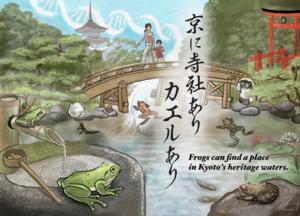
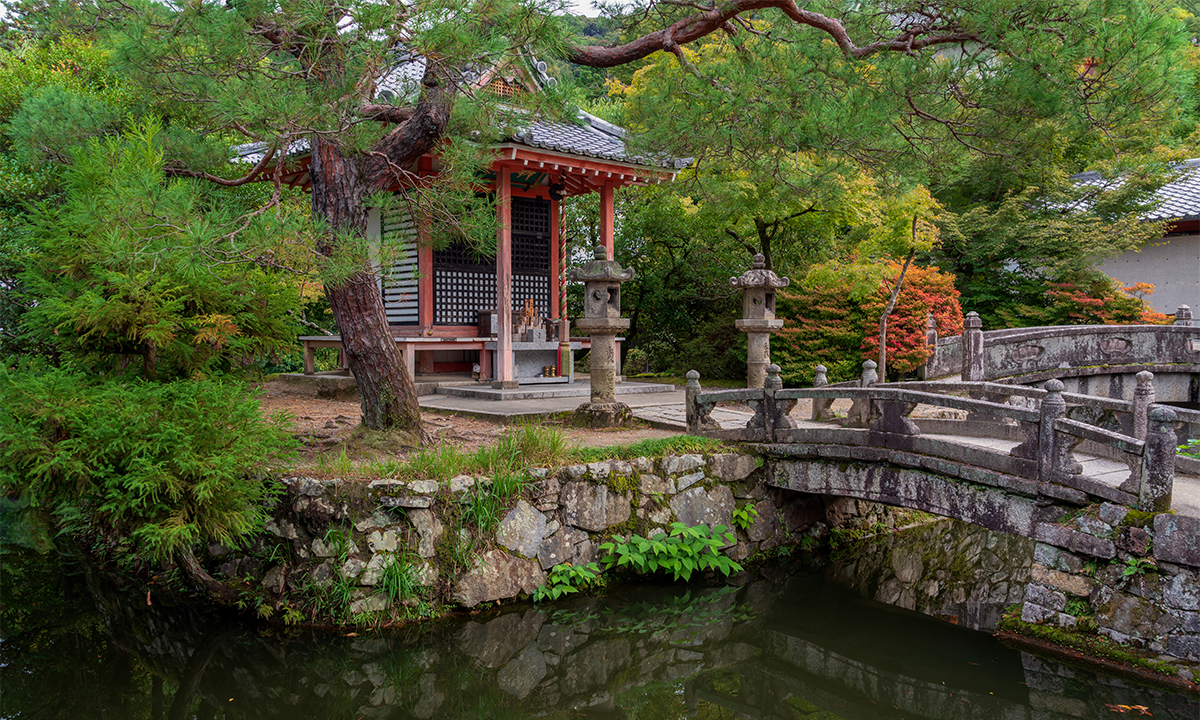
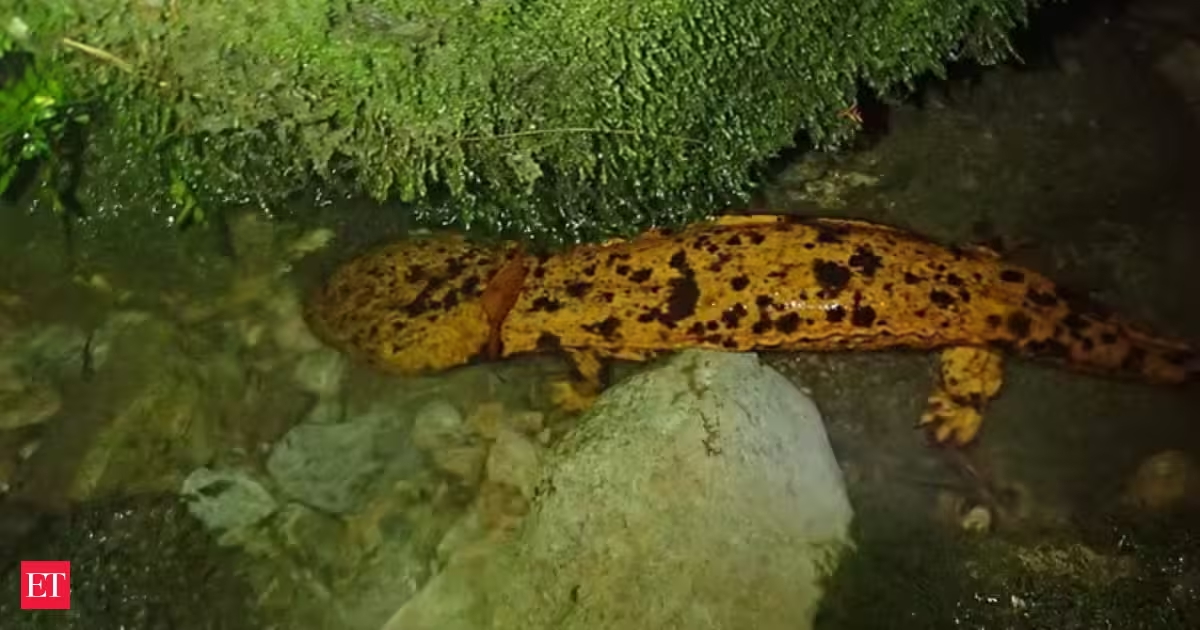
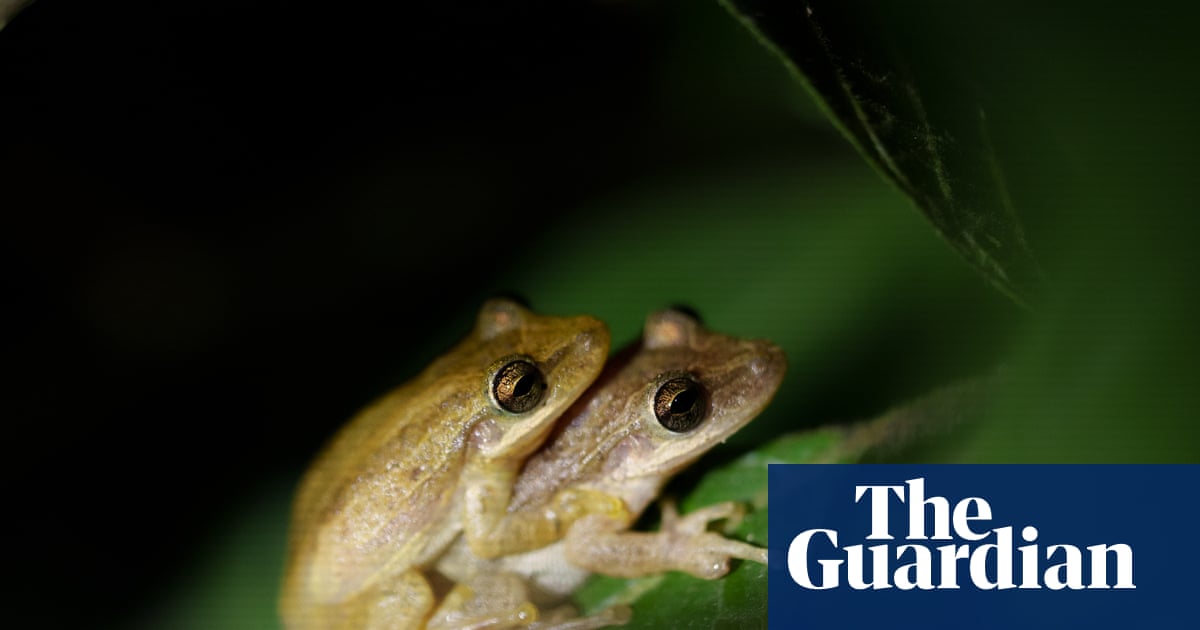
Kyoto, Japan -- Where they could once hop and amble freely, urbanization is diminishing the habitats of amphibians. Yet, small-scale water bodies managed by people -- such as those found in the gardens of Japan's temples, shrines, and schools -- remain within urban areas, providing oases for our moist neighbors.
Though the ponds and streams found in the gardens of Kyoto's temples and shrines are maintained as cultural landscapes, their function as habitats for urban amphibians has not been fully explored. This inspired a Kyoto University-led research team to examine the habitat capacity of these gardens. The team saw their potential as biocultural aquatic landscapes, where culture and biodiversity intersect.
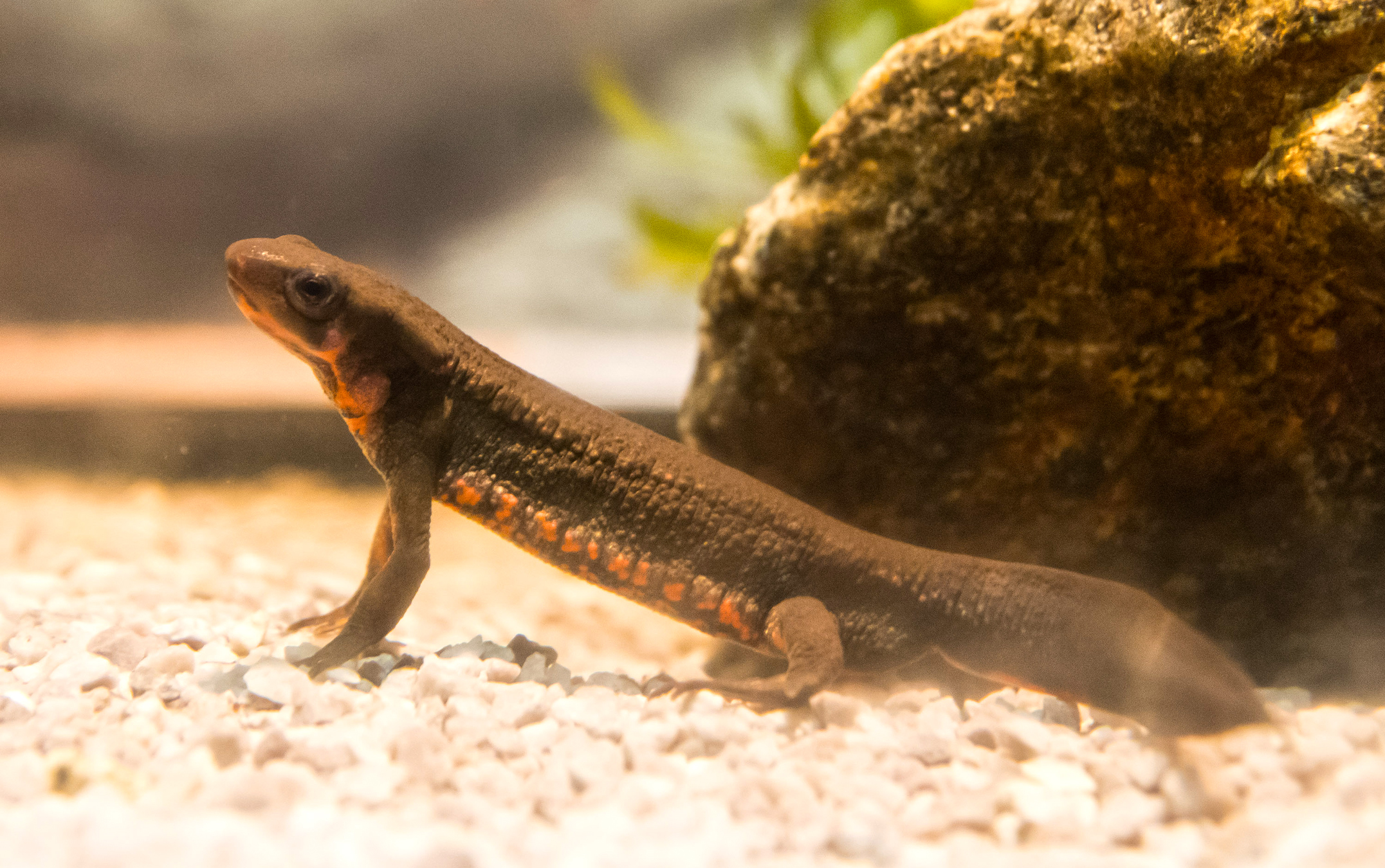
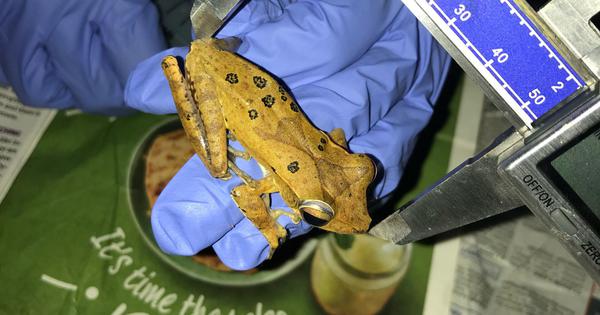
The researchers utilized both visual and DNA analyses in their search for local amphibians, as some species are difficult to observe directly while others are hard to detect at certain times of the year. They conducted visual surveys at 80 water bodies located within 31 temples, shrines, and associated facilities in Kyoto's Higashiyama area, which helped them identify adults, eggs, and larvae, while an auditory element helped them identify calls. The team also performed environmental DNA analyses at 43 of these water bodies, in addition to recording the type of water body, water source and flow, distance from forest, riparian structure, and the presence or absence of carp in order to analyze the relationship between species and environmental conditions.
Kyoto, Japan -- Where they could once hop and amble freely, urbanization is diminishing the habitats of amphibians. Yet, small-scale water bodies managed by people -- such as those found in the gardens of Japan's temples, shrines, and schools -- remain within urban areas, providing oases for our moist neighbors.
Though the ponds and streams found in the gardens of Kyoto's temples and shrines are maintained as cultural landscapes, their function as habitats for urban amphibians has not been fully explored. This inspired a Kyoto University-led research team to examine the habitat capacity of these gardens. The team saw their potential as biocultural aquatic landscapes, where culture and biodiversity intersect.
The researchers utilized both visual and DNA analyses in their search for local amphibians, as some species are difficult to observe directly while others are hard to detect at certain times of the year. They conducted visual surveys at 80 water bodies located within 31 temples, shrines, and associated facilities in Kyoto's Higashiyama area, which helped them identify adults, eggs, and larvae, while an auditory element helped them identify calls. The team also performed environmental DNA analyses at 43 of these water bodies, in addition to recording the type of water body, water source and flow, distance from forest, riparian structure, and the presence or absence of carp in order to analyze the relationship between species and environmental conditions.