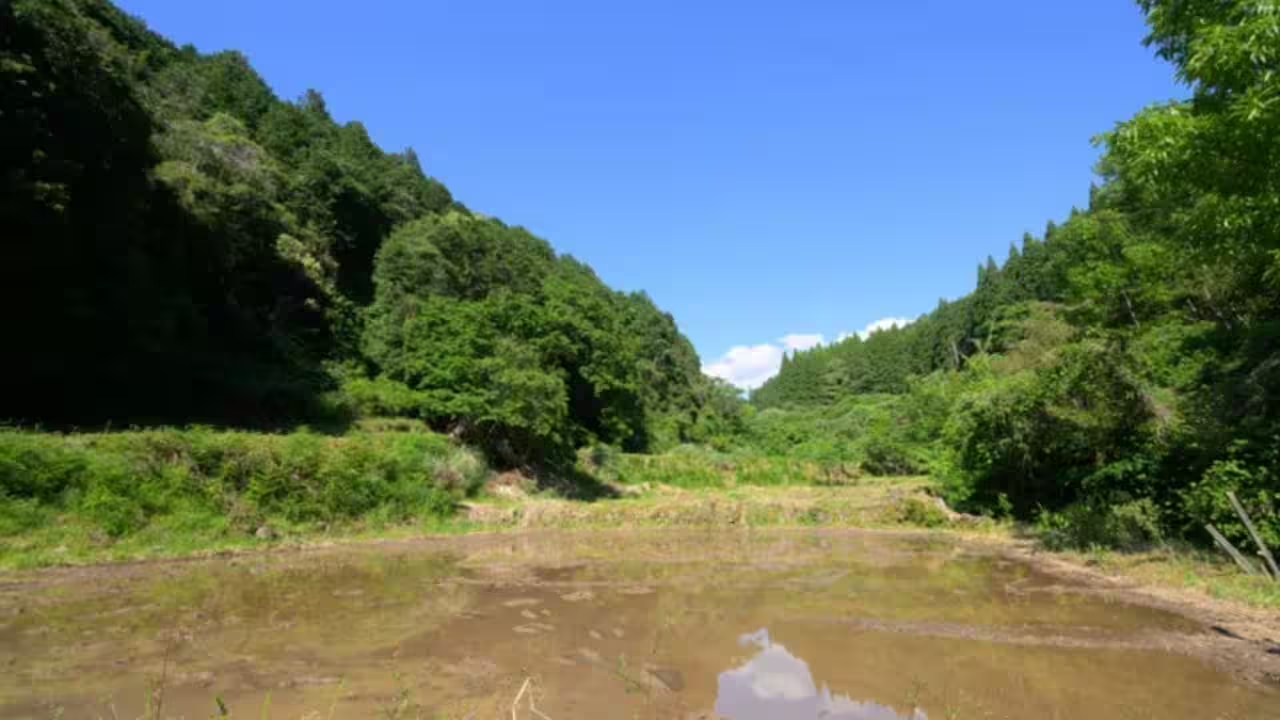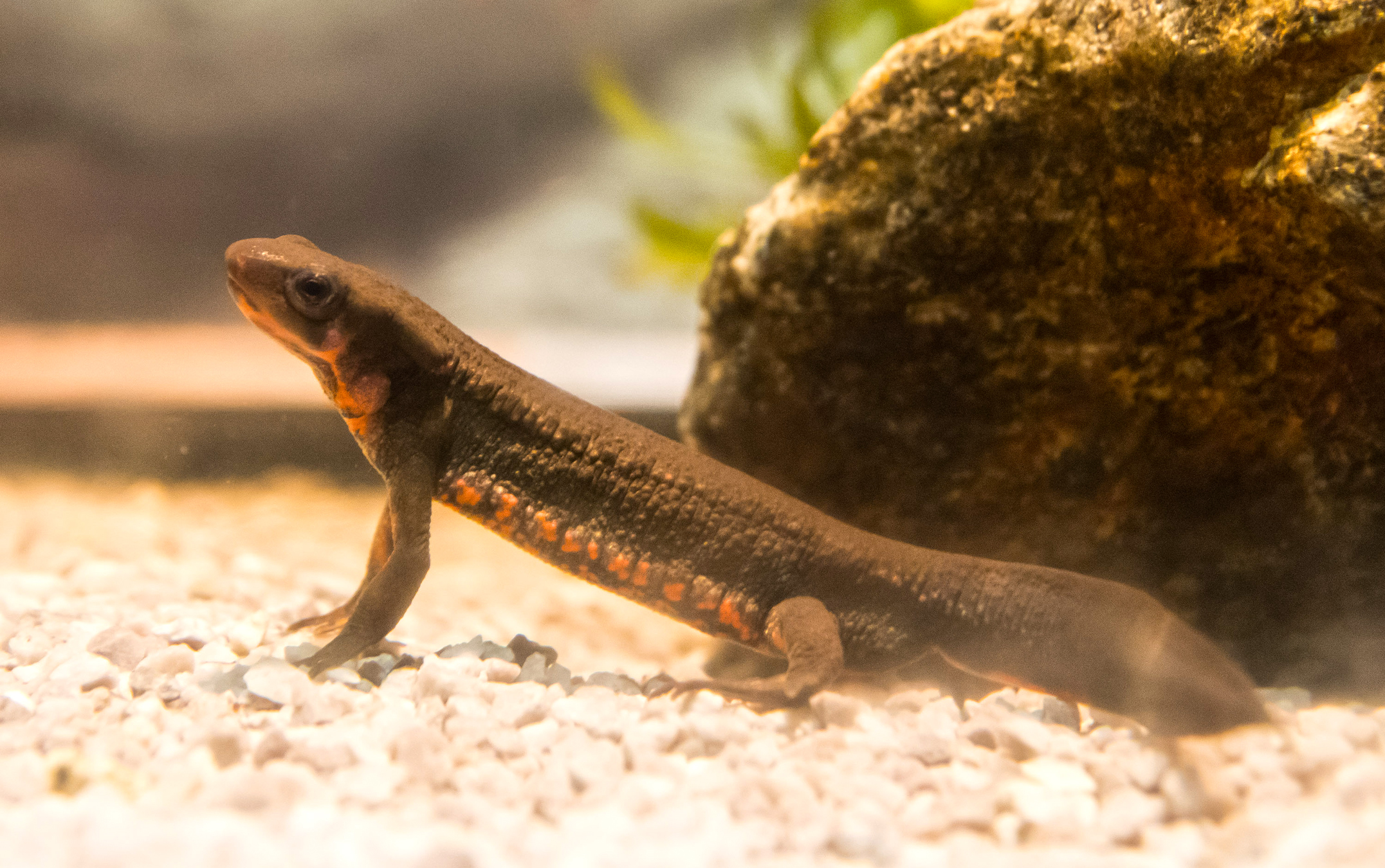
In Japan, satoyama are rural landscapes with natural attributes that have also been shaped by centuries of human activity.Tokyo’s satoyama provide habitat for many kinds of animals, including ecologically sensitive amphibians.A recent study examined a satoyama conservation initiative in Tokyo, finding that it succeeded by prioritizing mutual trust and collaboration — an approach the study defines as “gentle power”.Yet, some say this approach, which is based on volunteer participation, can stagnate as the volunteers are typically older, leading to the challenge of “how to pass this on to the younger generation.”
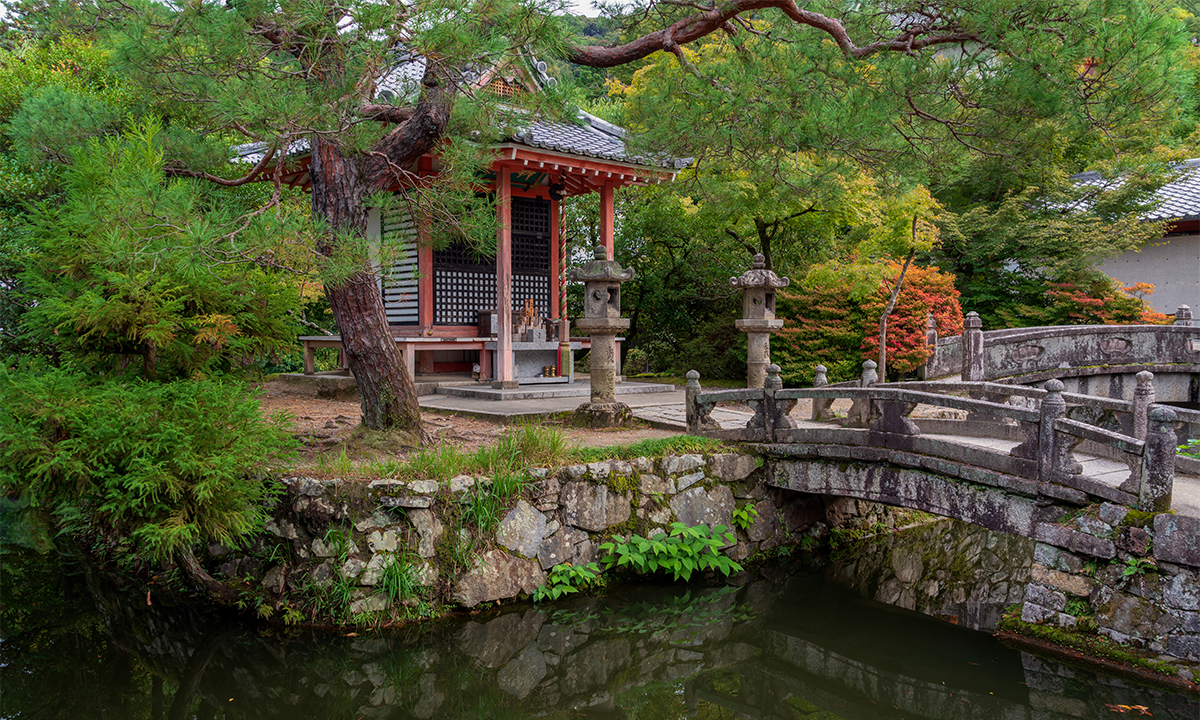
The Zushi-Onoji Historical and Environmental Conservation Area nestles among Tokyo’s sprawling western suburbs. The area provides habitat for endangered species and a space to pass on traditional ecological knowledge of satoyama, Japanese rural landscapes that have been shaped by centuries of human activity. A recent study of a conservation initiative in Tokyo, Japan, explores how citizens and local government can adapt existing frameworks to maintain traditional landscapes rich in biodiversity.
Coining the term “gentle power” to denote “influence based on mutual trust and collaboration,” the paper was published in March in the journal Frontiers in Water. It chronicles the contentious beginnings and eventual collaborative transformation of the Zushi-Onoji Historical and Environmental Conservation Area, nestled among Tokyo’s sprawling suburbs.