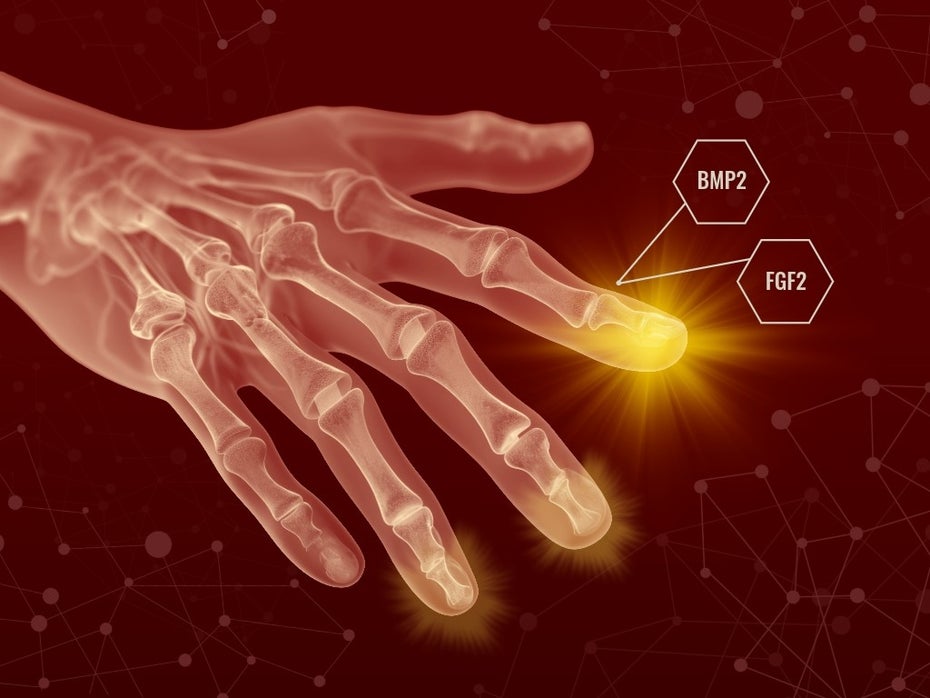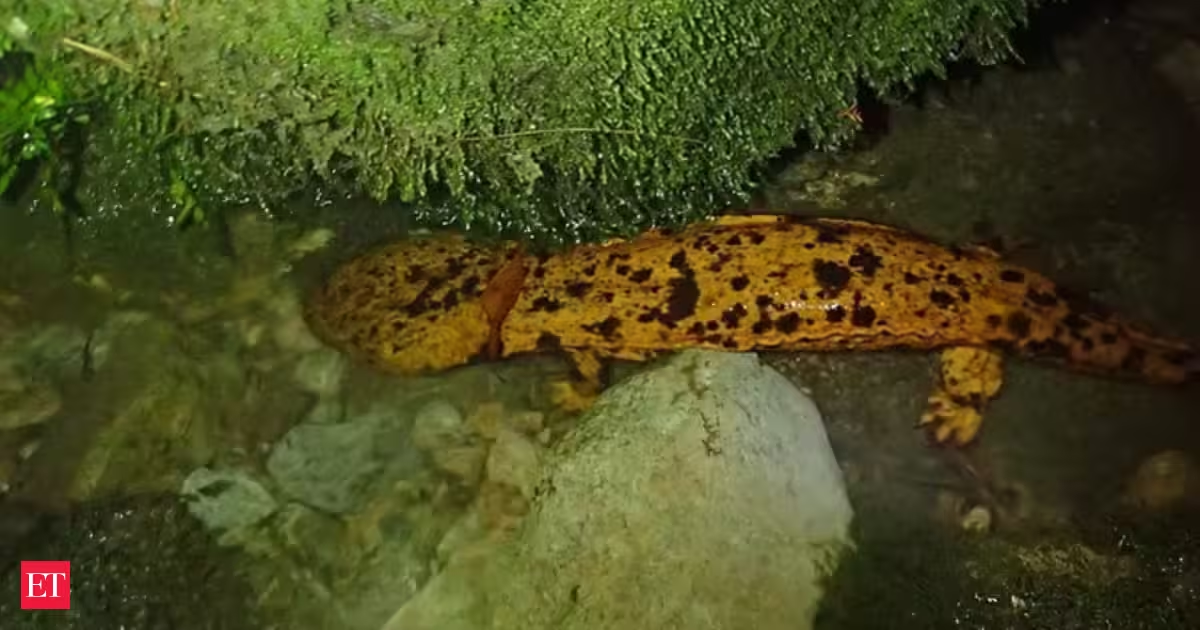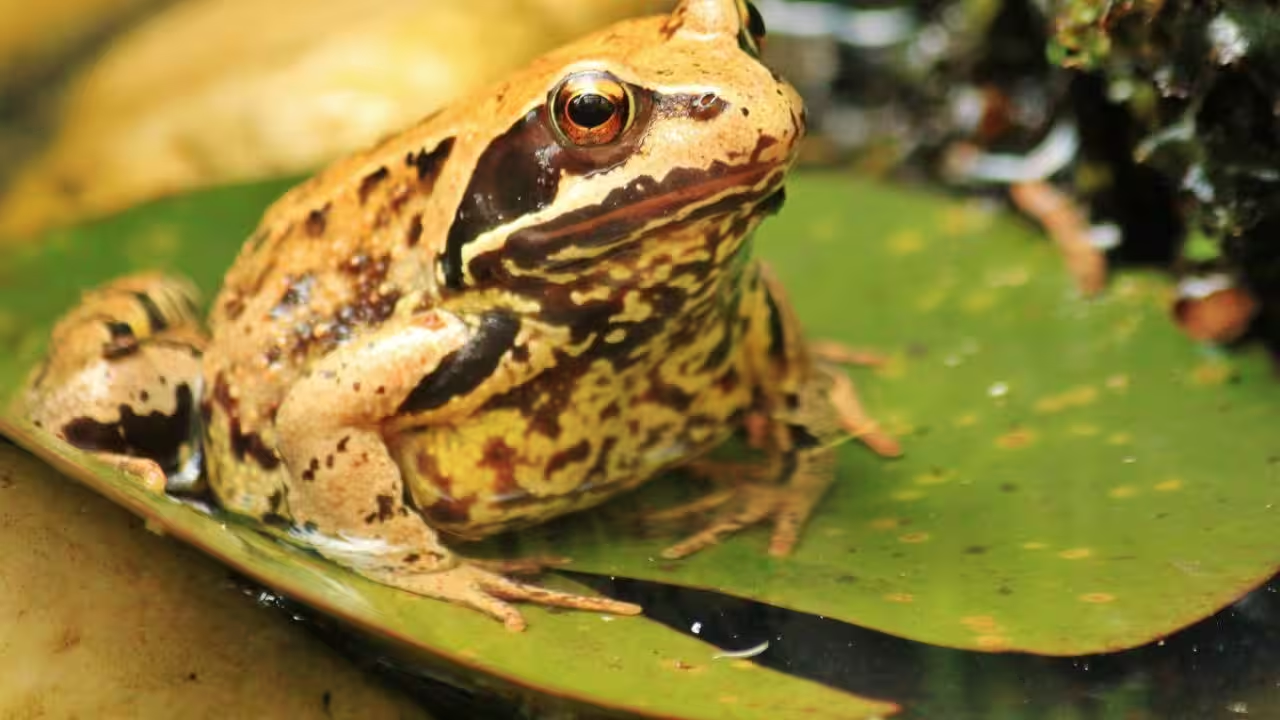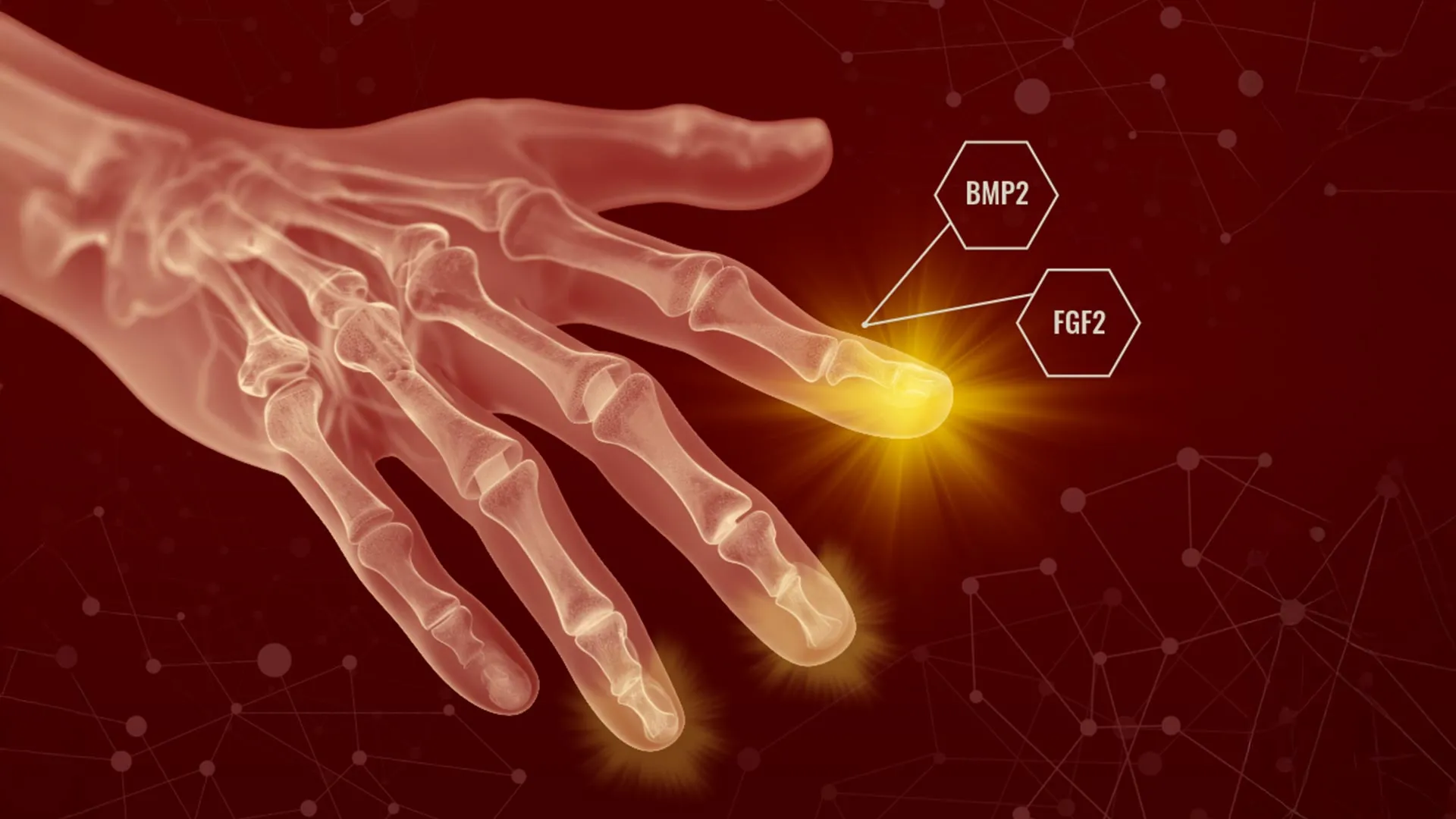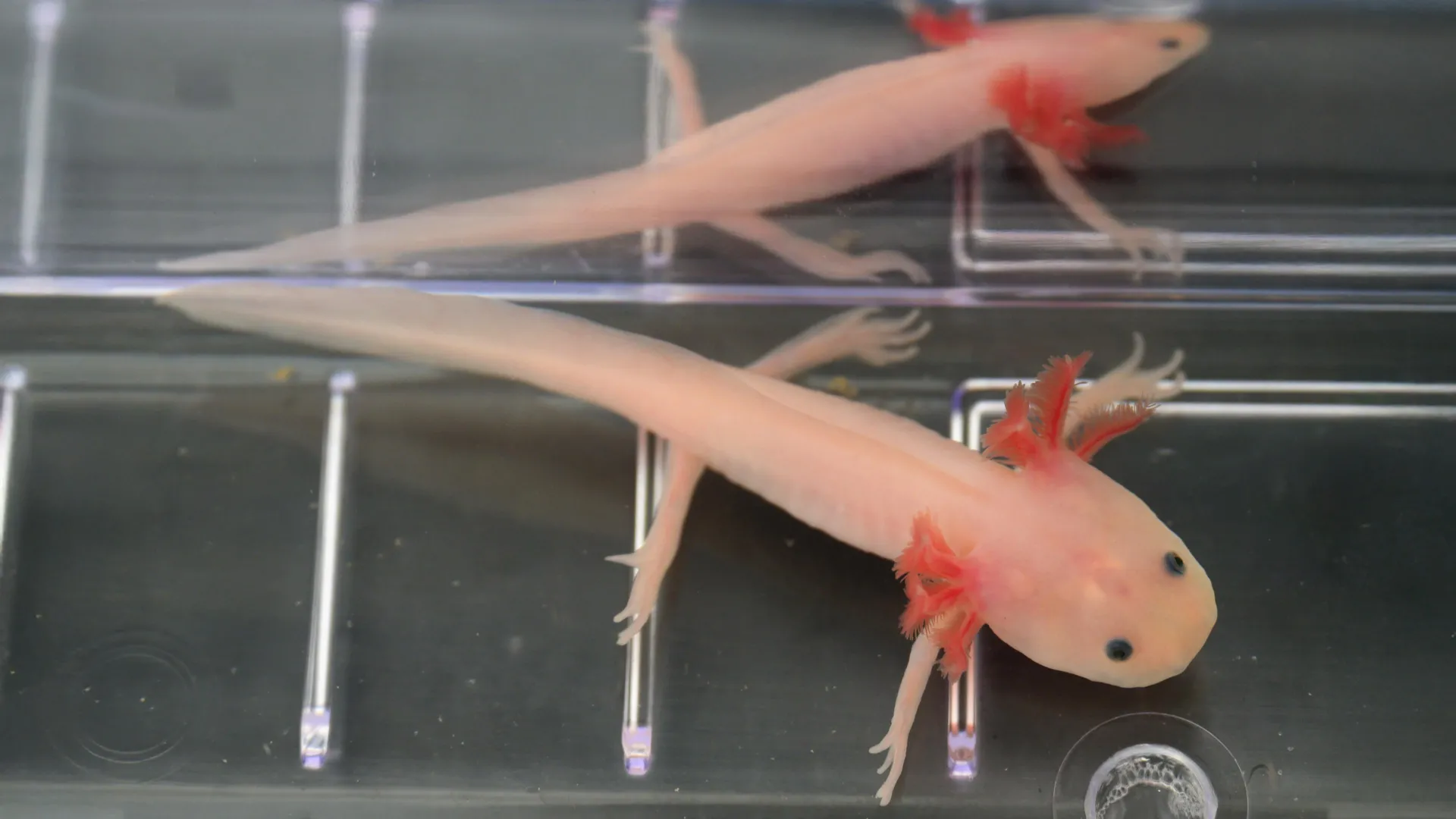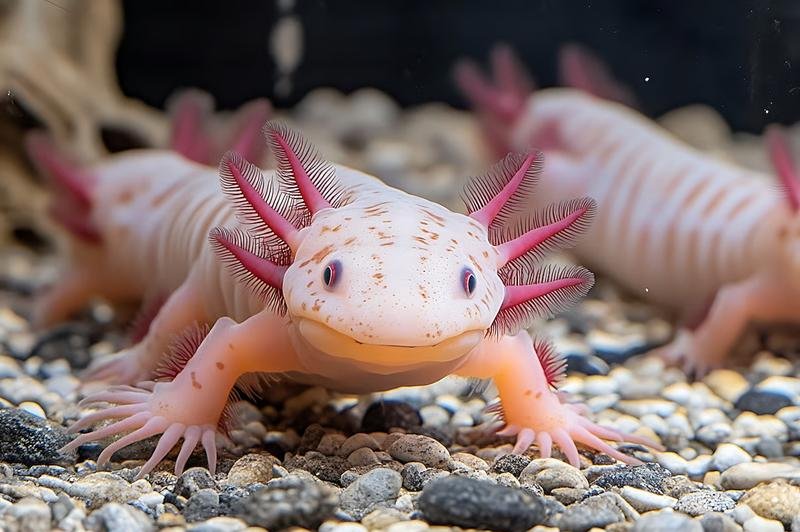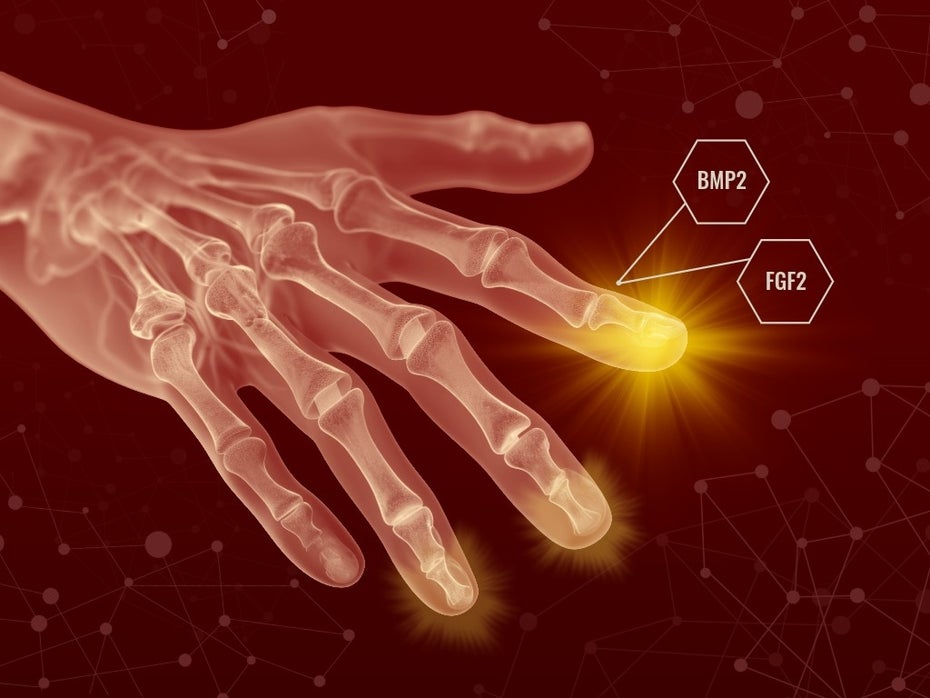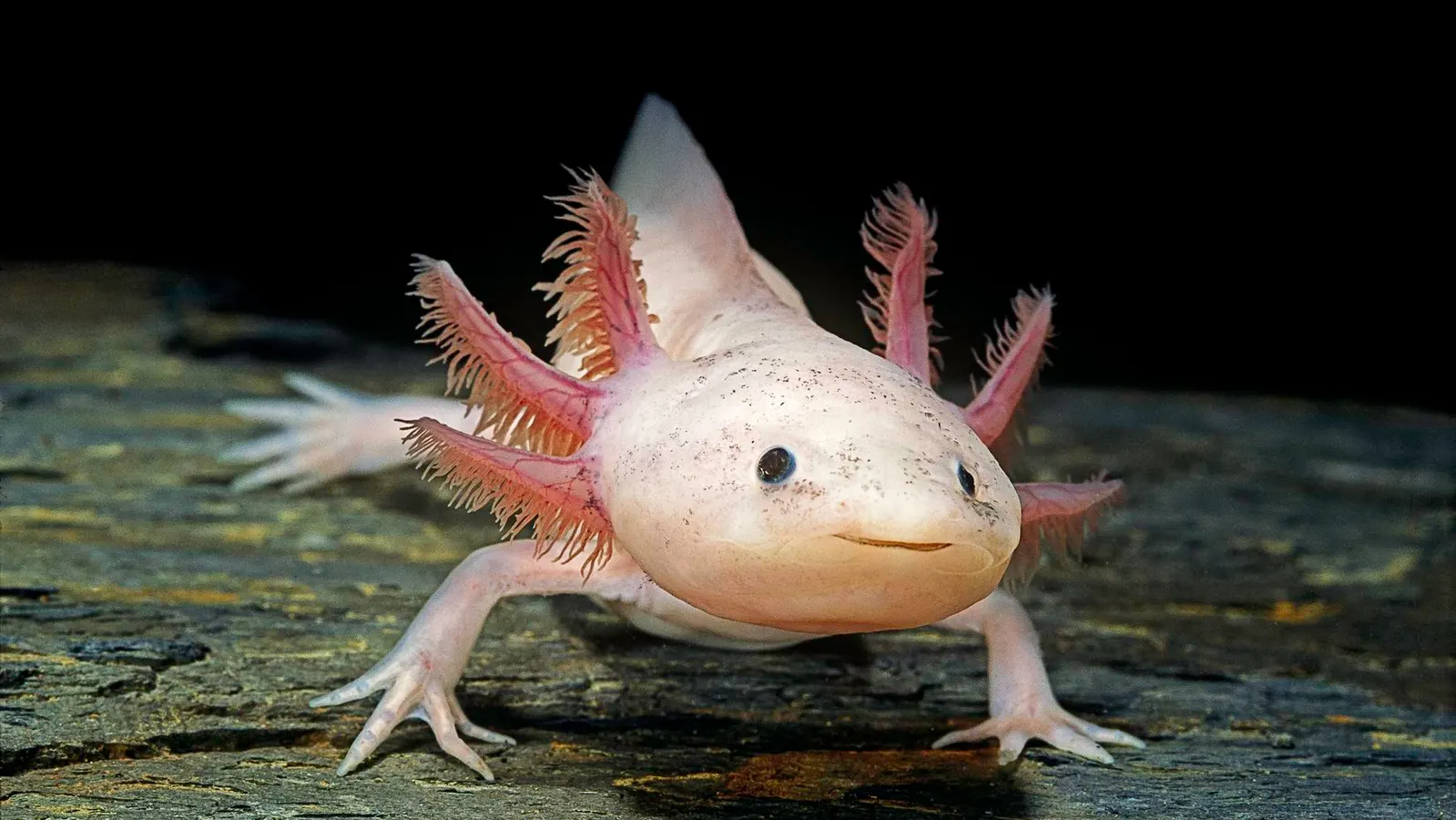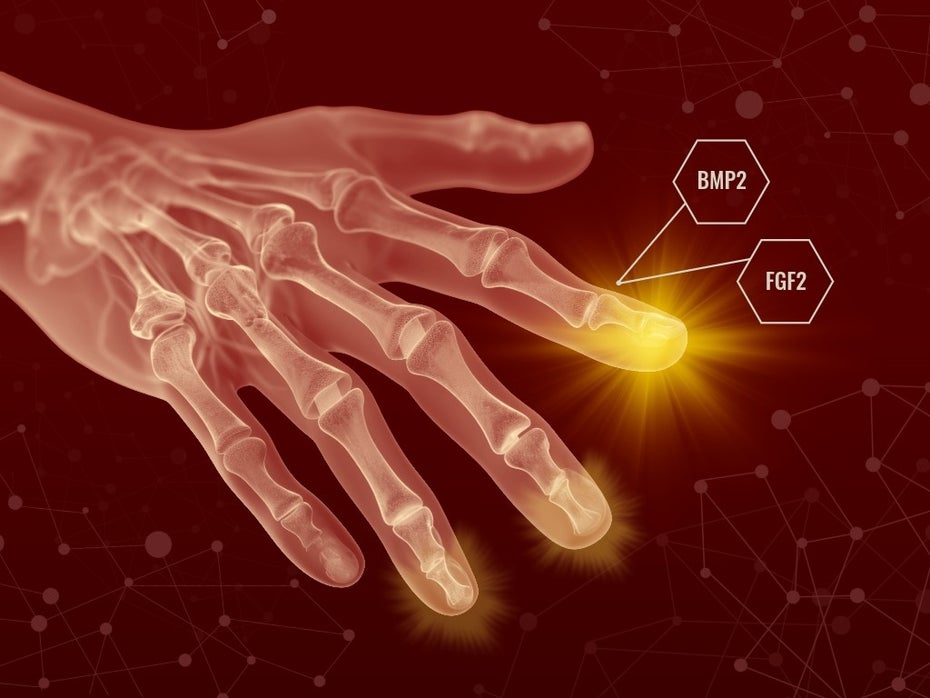
A salamander can lose a leg and grow a new one. Cut a zebrafish's fin and it simply builds another. Mammals, us included, got the consolation prize: a scar. For a century, biologists assumed that somewhere on the evolutionary road to becoming warm-blooded, fast-moving animals, we traded regeneration away for good.
Two research teams working on opposite sides of the planet have just made that assumption look wrong. The headline is almost hard to believe: the ability to regrow lost body parts may not have been deleted from our biology at all. It may simply have been switched off, and switches can be flipped back on.
The genetic "remote control" that stopped working
The first clue comes from a team at the National Institute of Biological Sciences in Beijing, working with genomics powerhouse BGI-Research. Publishing in Science, they zeroed in on a gene called ALDH1A2, the instruction sheet for an enzyme that turns vitamin A into retinoic acid, a molecule that acts like a foreman on a construction site, telling cells where to go and what to build during tissue repair.
Animals that regenerate freely crank this gene up at the wound site. Mice, it turns out, still carry the same gene. They've just lost the genetic "remote controls," the regulatory DNA that tells the gene to fire after an injury. The hardware is intact; the software command was disconnected somewhere in evolution.