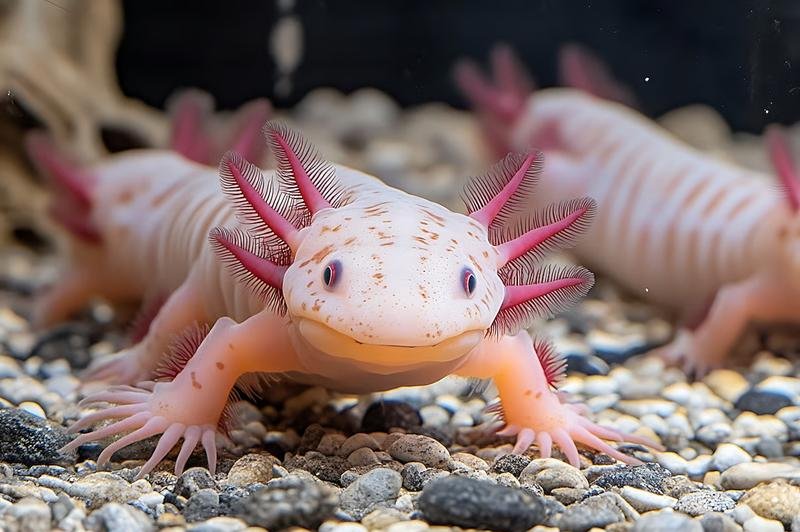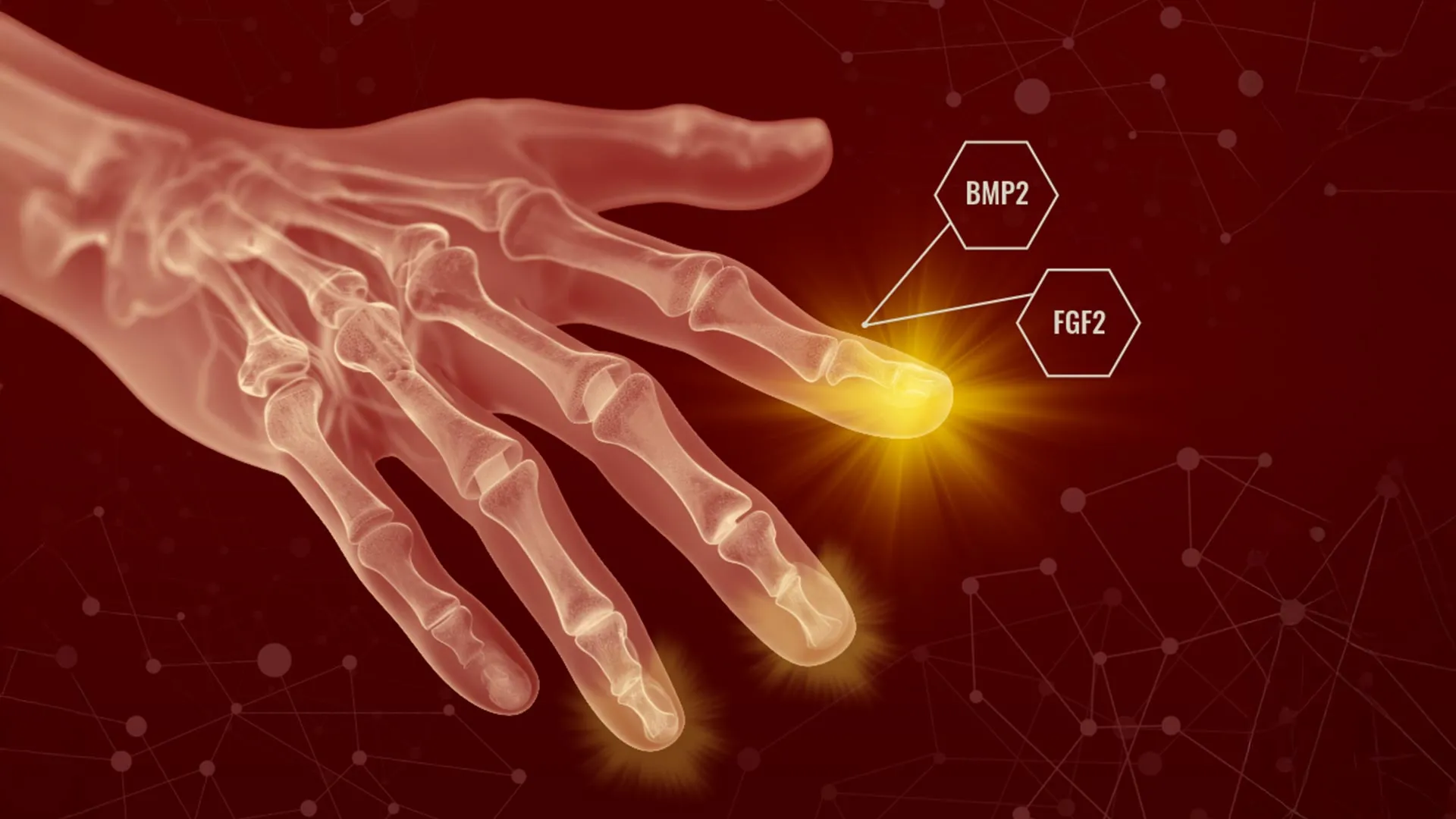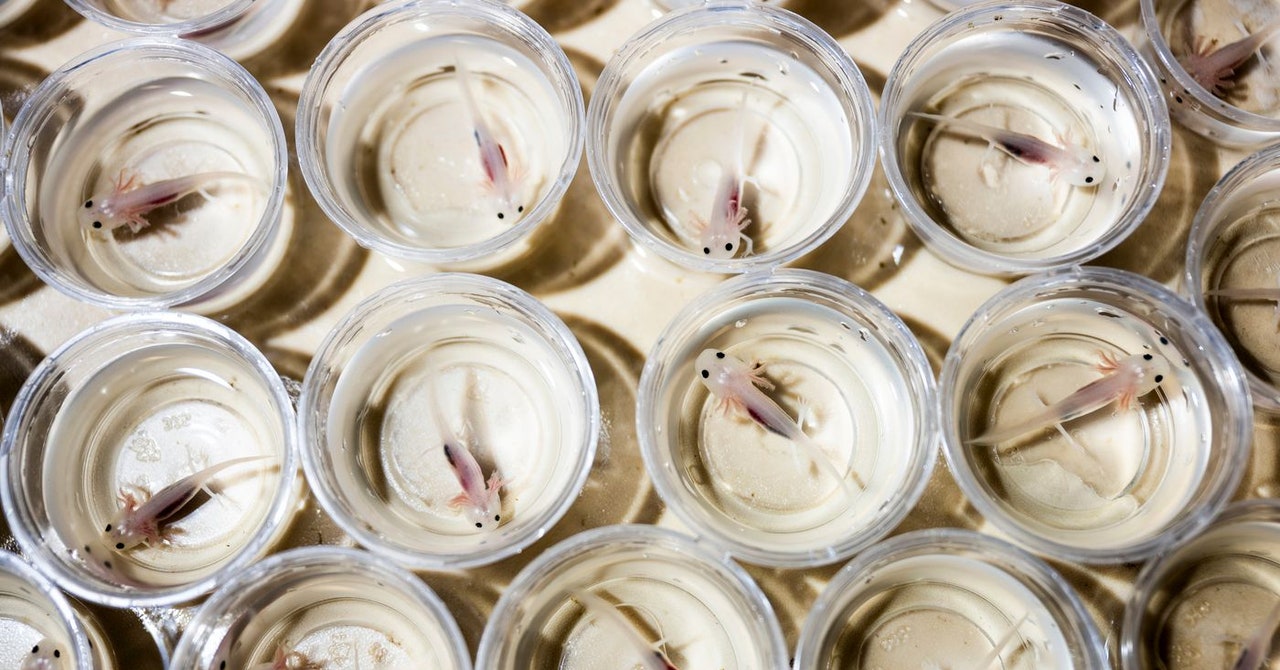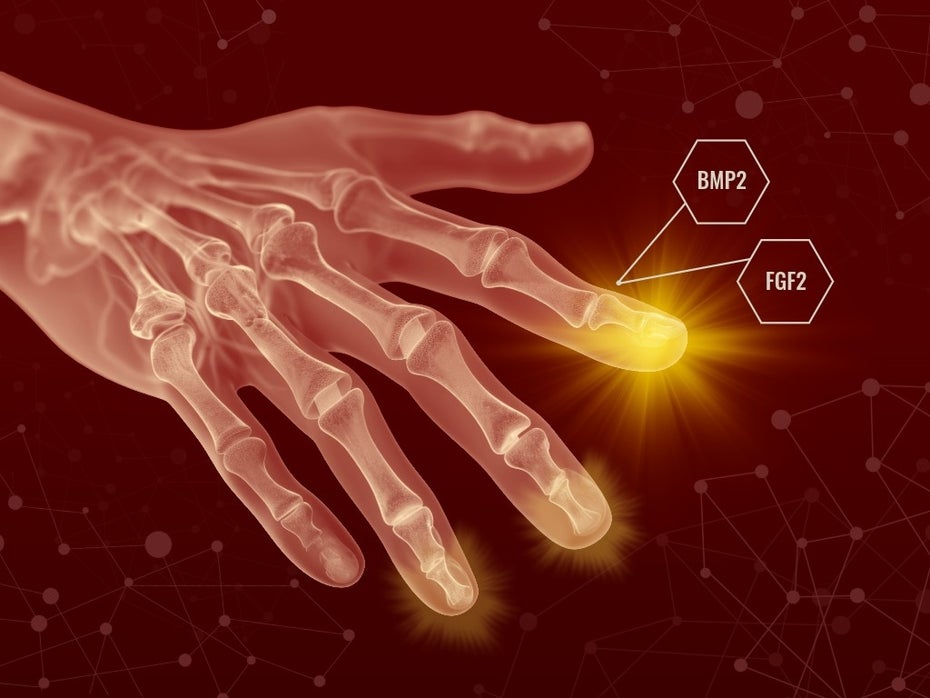
Scientists studying axolotls, zebrafish, and mice have uncovered a shared set of genes that could someday help researchers develop therapies for regrowing human limbs. The findings, published in the Proceedings of the National Academy of Sciences, point to a possible new direction for regenerative medicine and gene therapy.
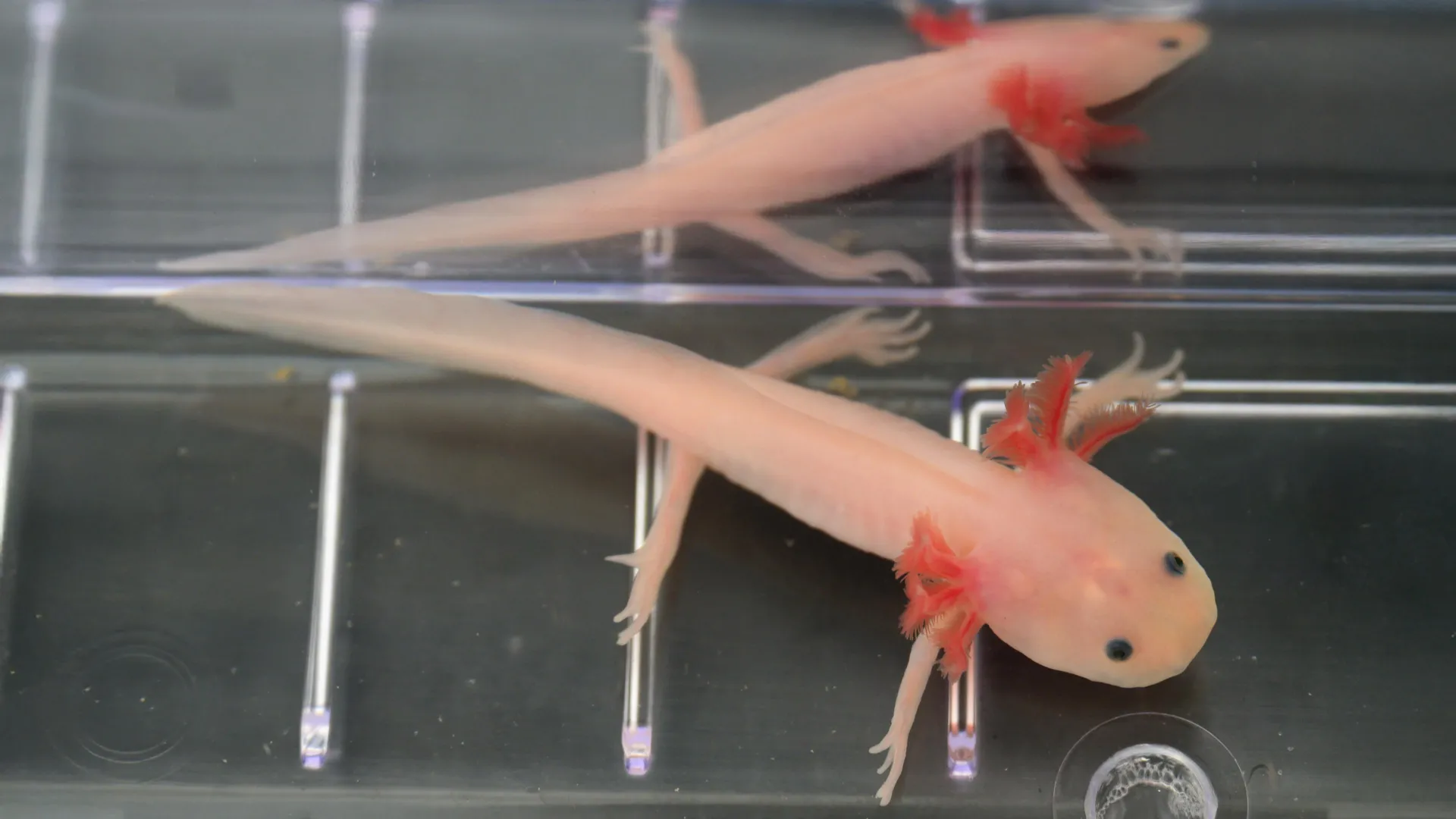
"This significant research brought together three labs, working across three organisms to compare regeneration," said Wake Forest Assistant Professor of Biology Josh Currie, whose lab studies the Mexican axolotl salamander. "It showed us that there are universal, unifying genetic programs that are driving regeneration in very different types of organisms, salamanders, zebrafish and mice."
The project also included Duke University plastic surgeon David A. Brown, who studies digit regeneration in mice, and Kenneth D. Poss of the University of Wisconsin-Madison, whose research focuses on fin regeneration in zebrafish.
Shared Regeneration Genes Across Species
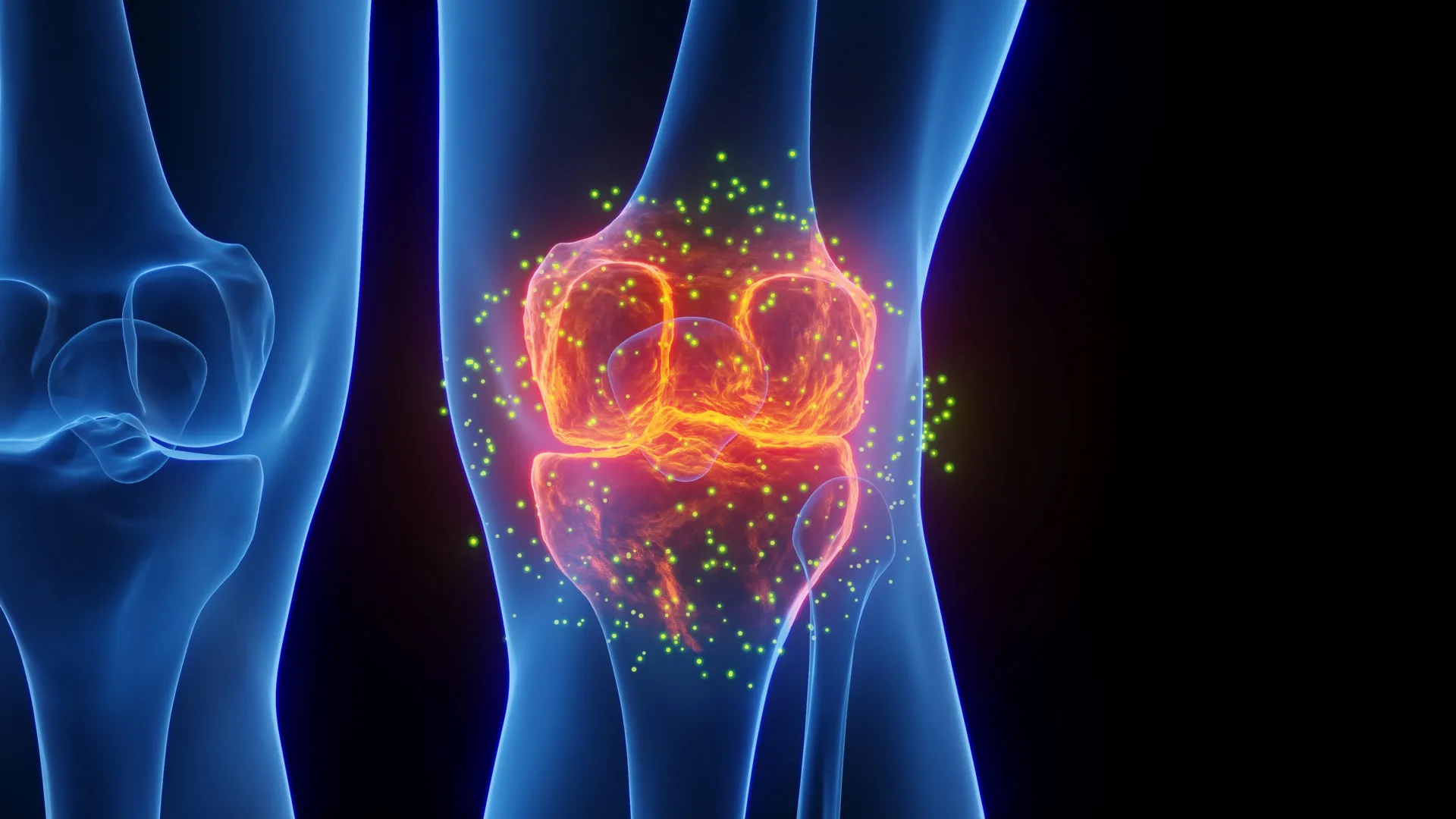
Around the world, more than 1 million amputations occur every year due to diabetes-related vascular disease, traumatic injuries, infections, and cancer, according to Global Burden of Disease statistics. Researchers expect that number to climb as populations age and diabetes becomes more common.