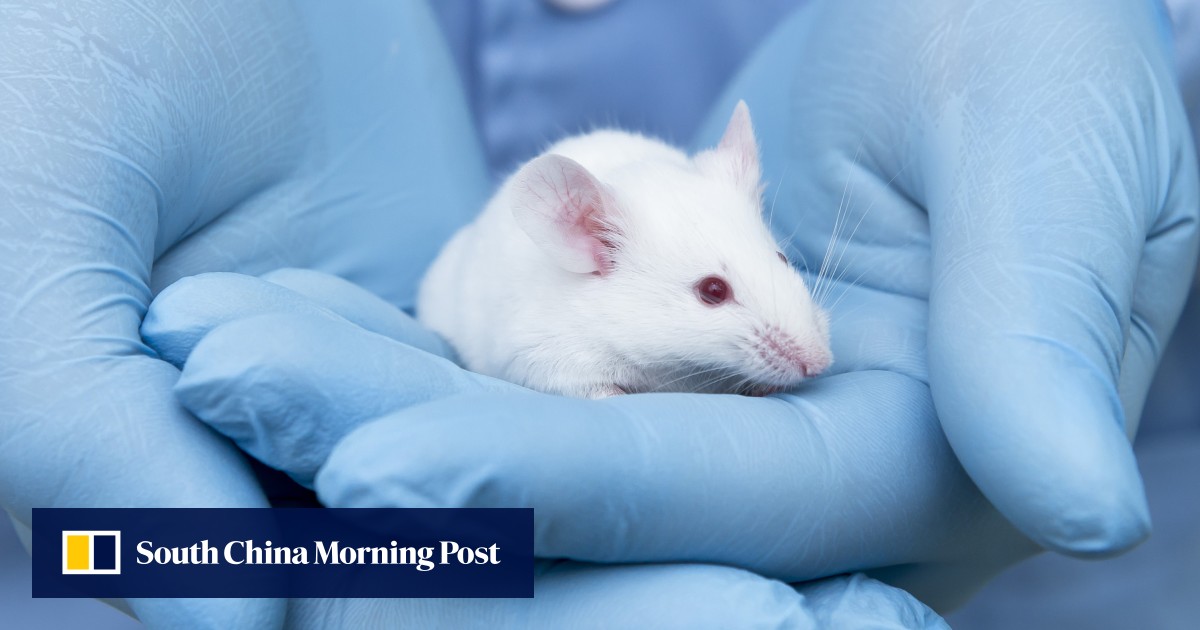
Scientists studying ability of mice to regenerate ear damage say therapies based on retinoic acid might work across various tissue types
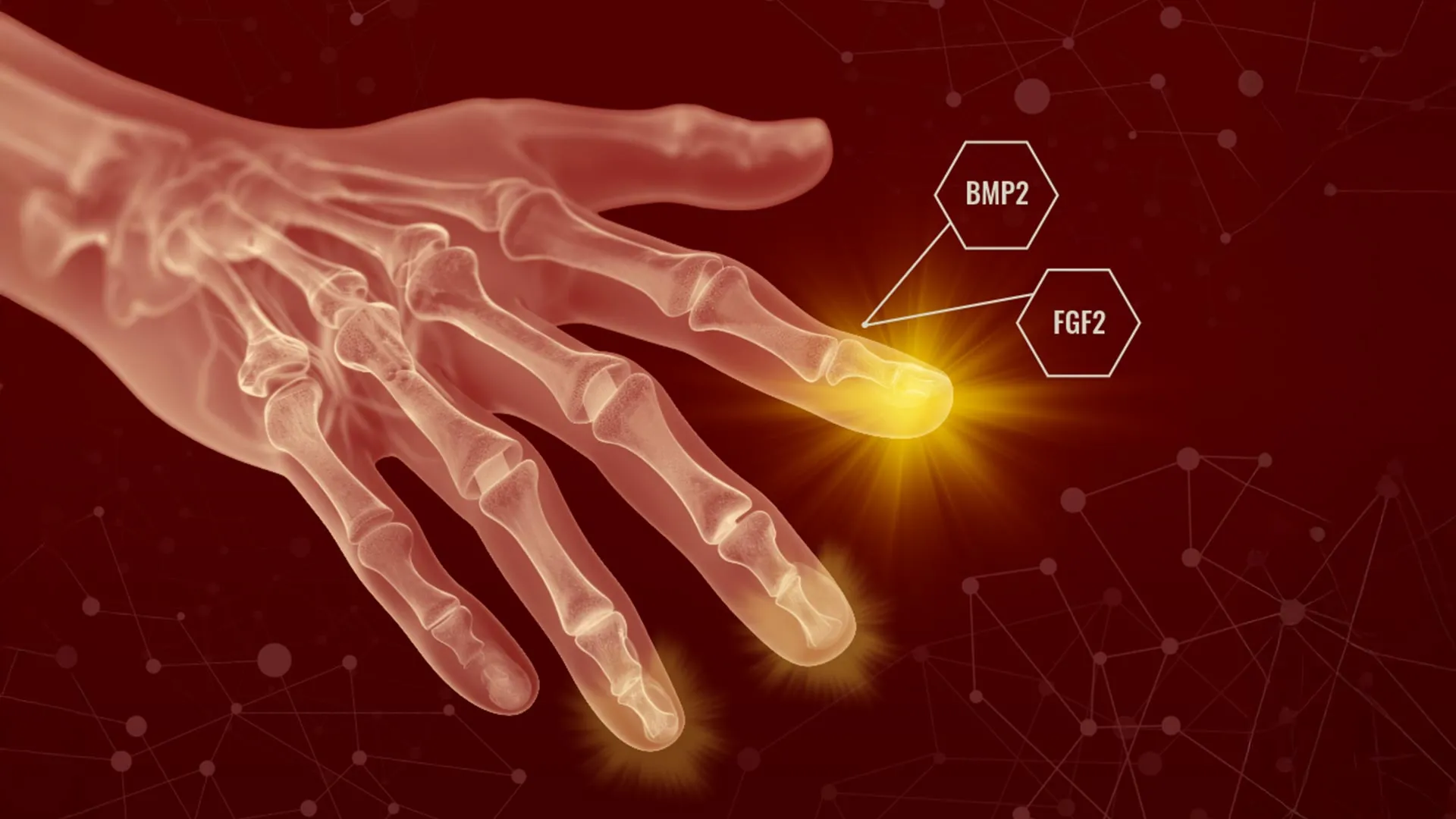
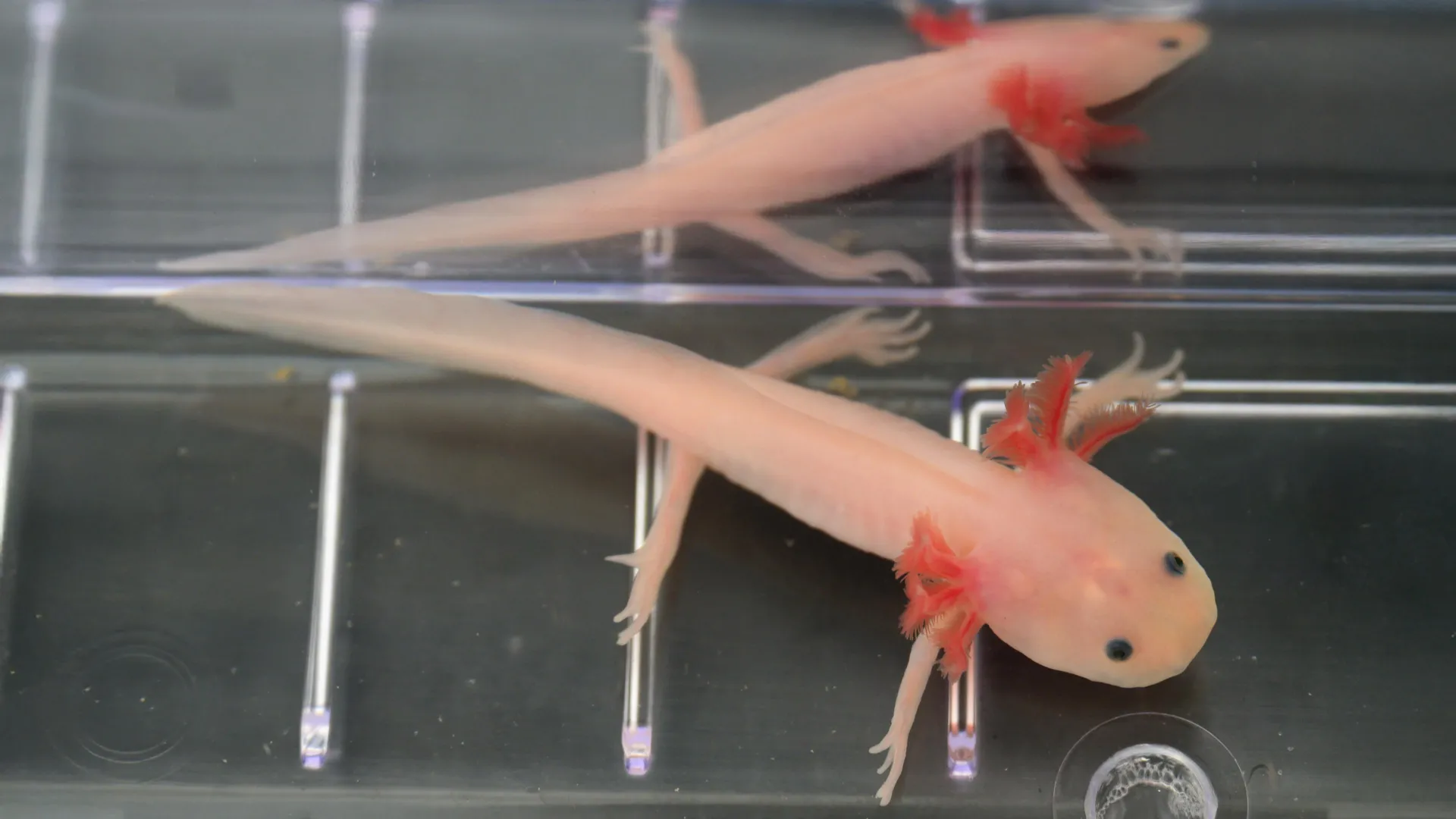
The researchers said the pathway they identified could be applied to different tissue types and play a significant role in advancing regeneration in vertebrates.
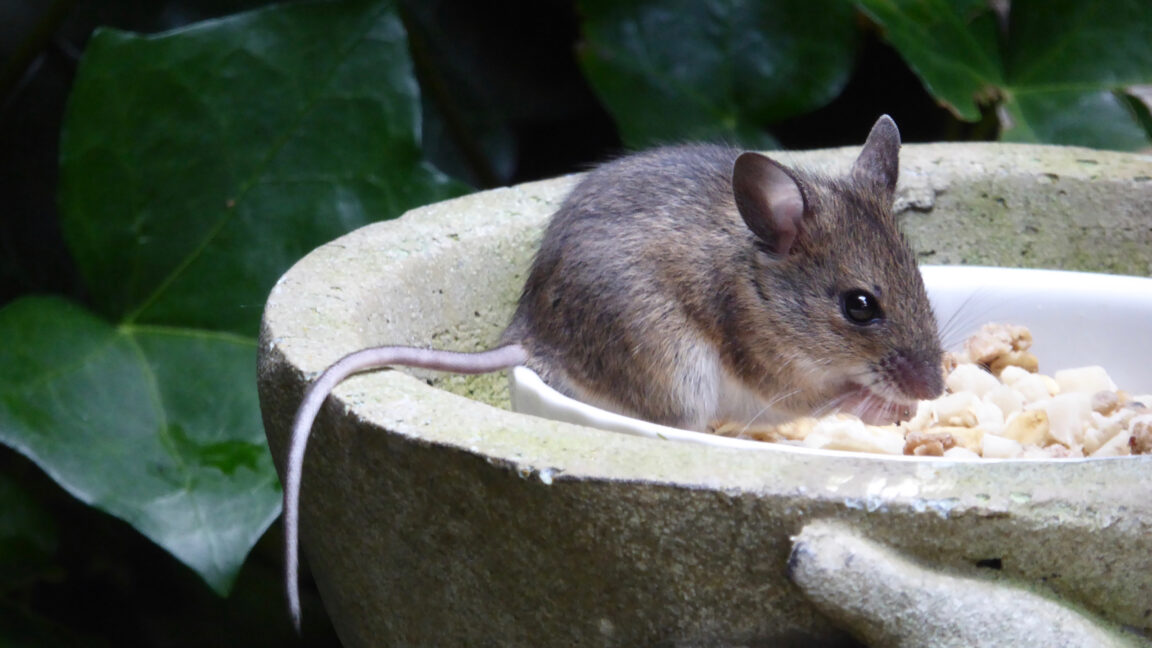
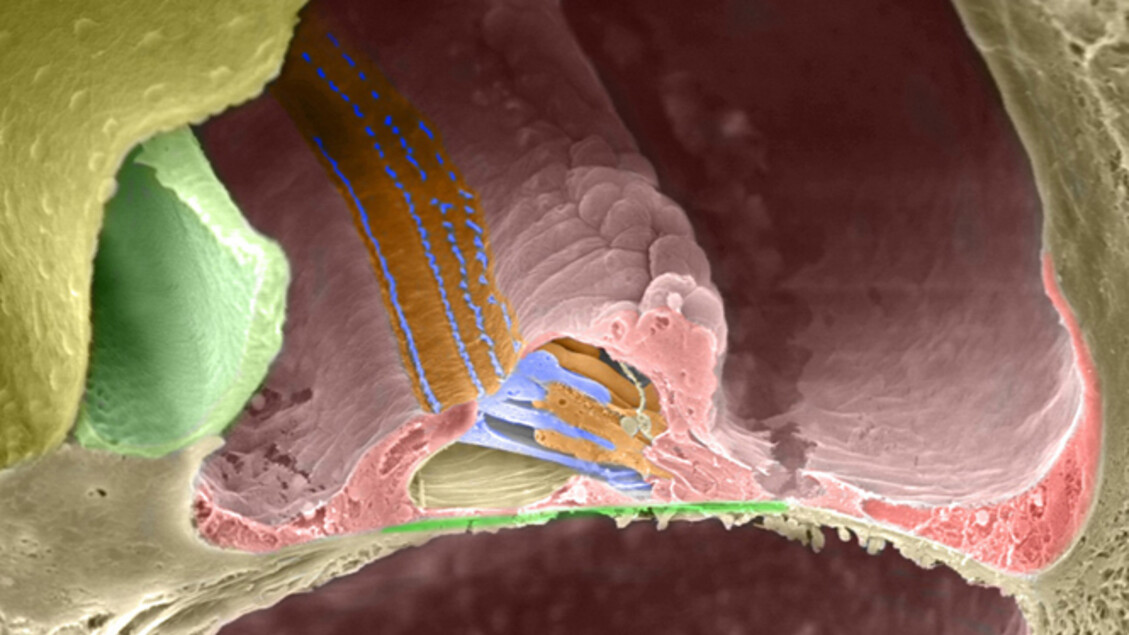
The team found that a mouse’s failure to regenerate stemmed from an inability to produce sufficient retinoic acid, a derivative of vitamin A that regulates what cell type emerges during a cell’s development and tissue repair.
Rise in Hong Kong infant eczema cases linked to ‘excessive’ Covid-19 cleaning habits
This was because mice had lost the DNA “remote controls” that switch on the gene that encodes an enzyme to convert vitamin A into retinoic acid, they found.