Therapeutic potential hailed as engineered neuron-like cells help lessen anxiety and resignation while increasing feelings of enjoyment
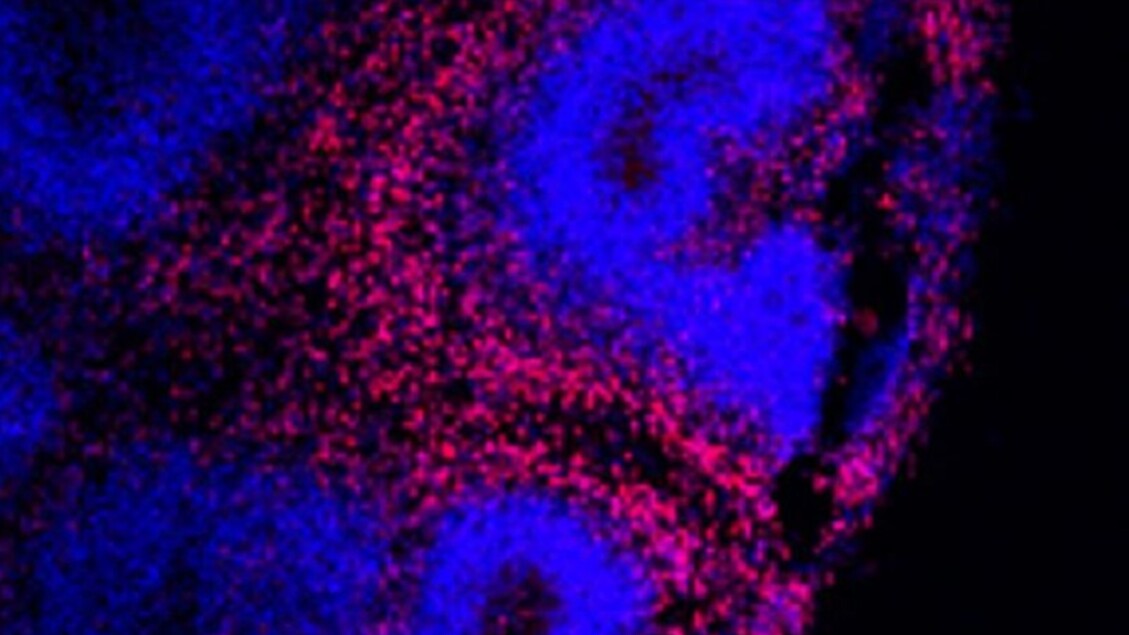
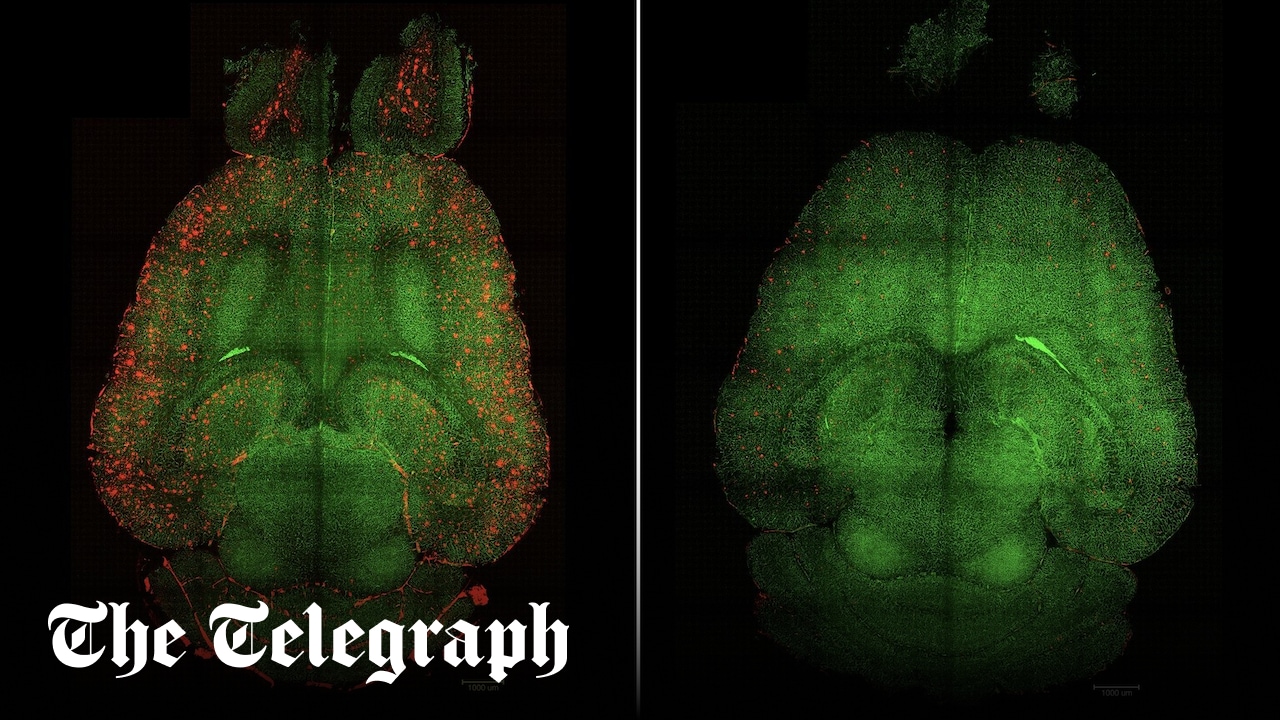
Chinese scientists have found a way to turn human stem cells into dopamine-producing brain cells, transplanting them into mice and helping reduce depressive behaviour and boost pleasure.
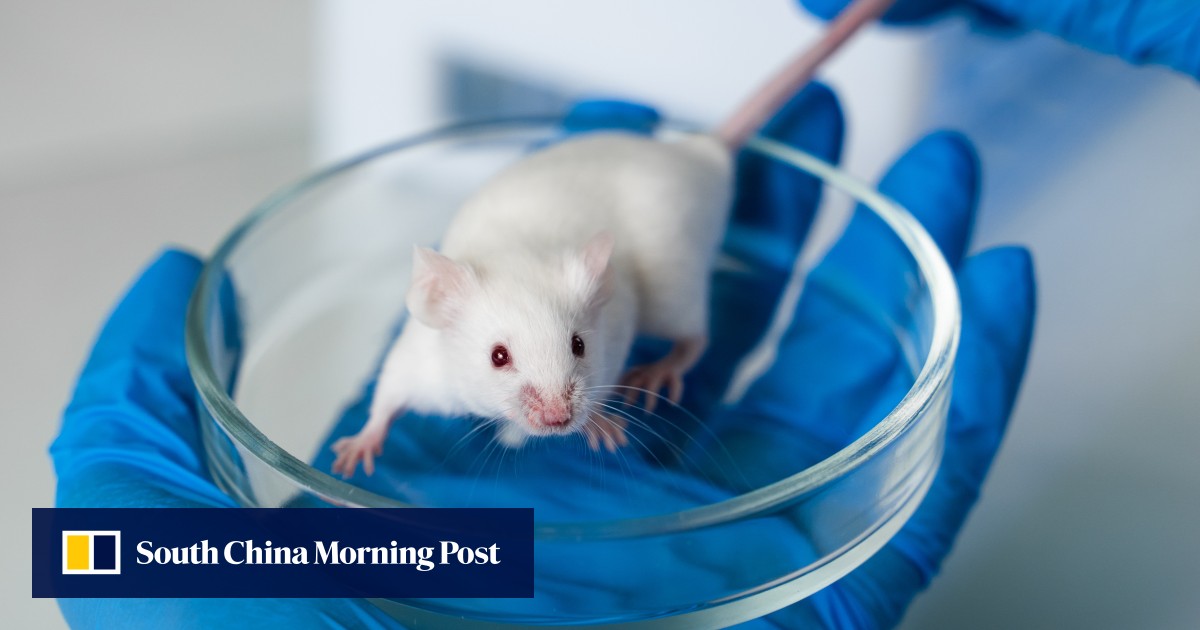
When the engineered neuron-like cells were grafted into depression-model mice, they helped lessen symptoms like anxiety and resignation while increasing feelings of enjoyment.
The development has the potential to be employed as a therapy to treat neuropsychiatric disorders by directly targeting and repairing parts of the brain involved in mood regulation.
“This study provides proof-of-concept evidence supporting the use of cell therapy to treat psychiatric disorders by specifically reconstructing dysfunctional neural circuits,” the researchers said in a paper published in the peer-reviewed journal Cell Stem Cell on August 11.