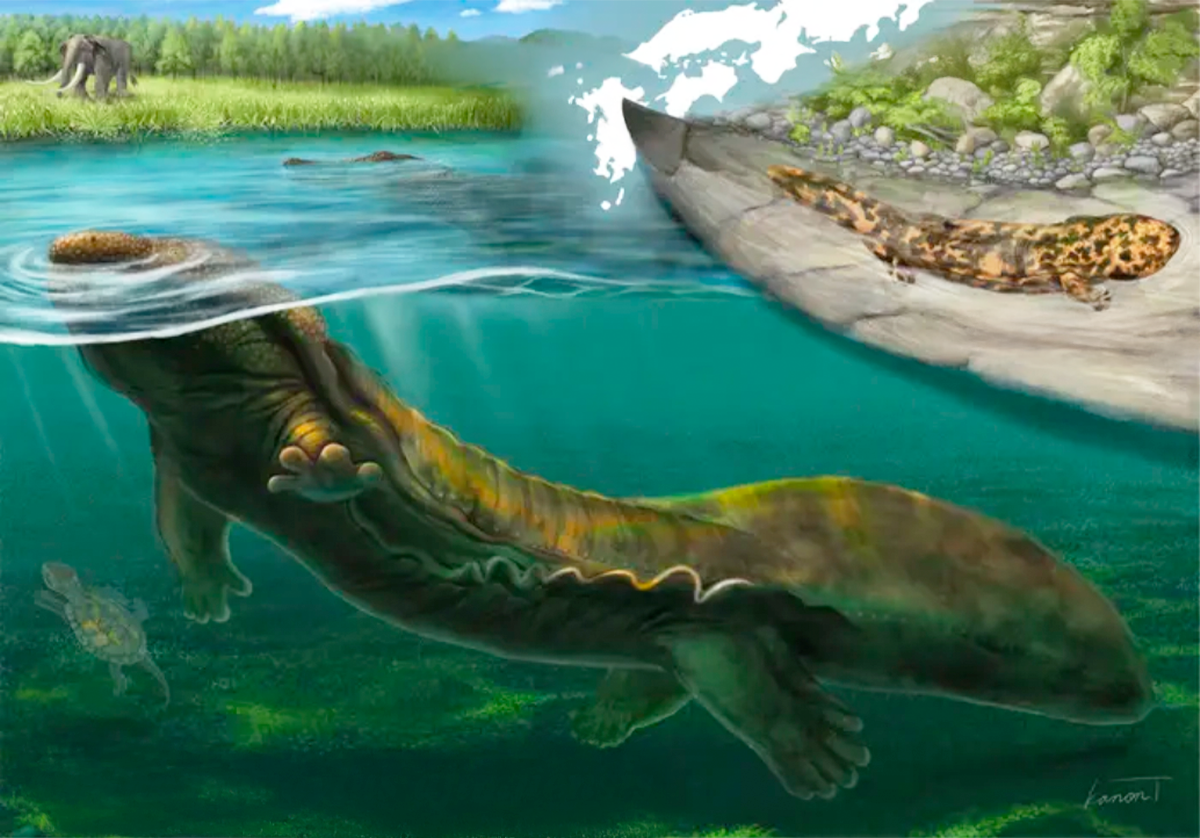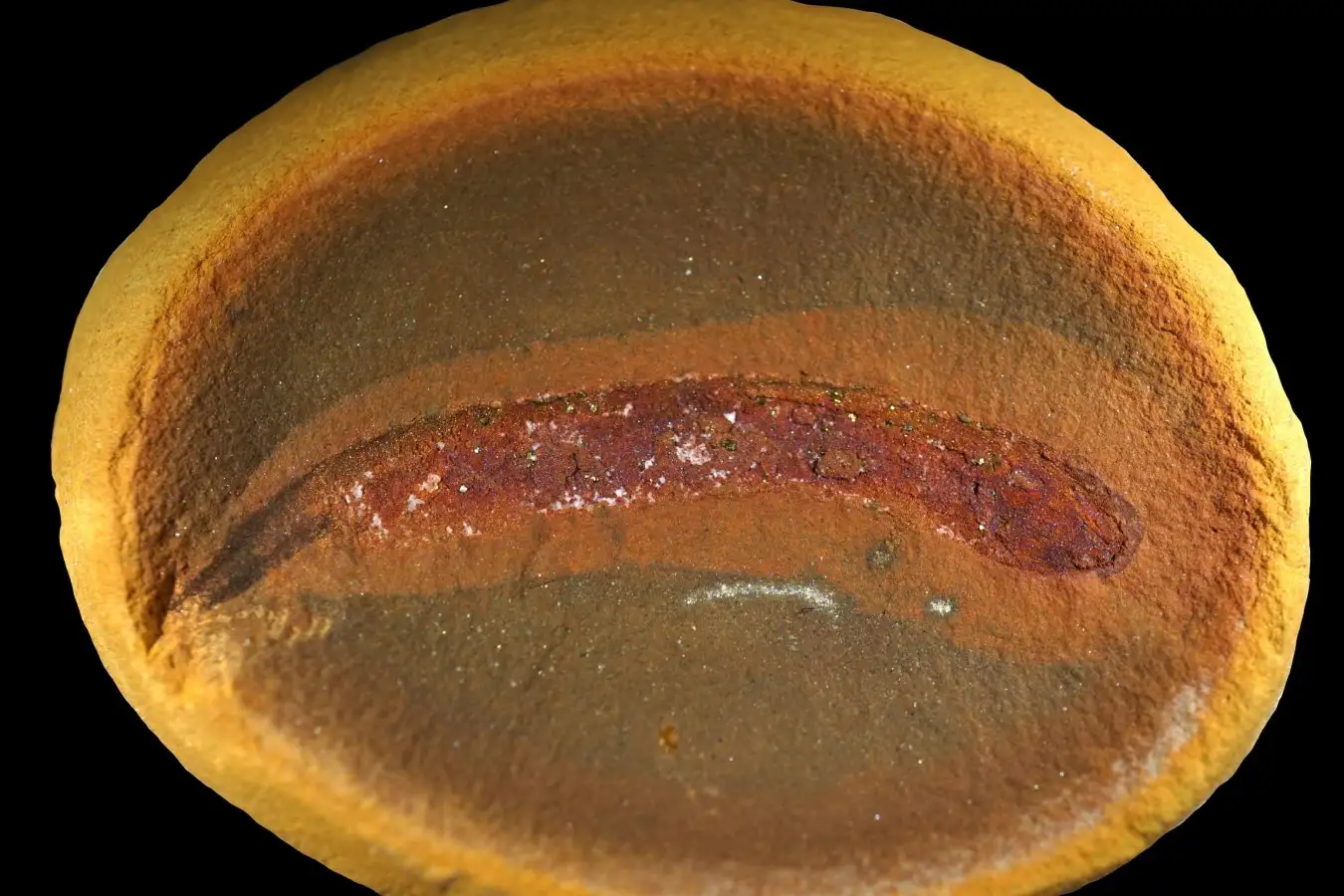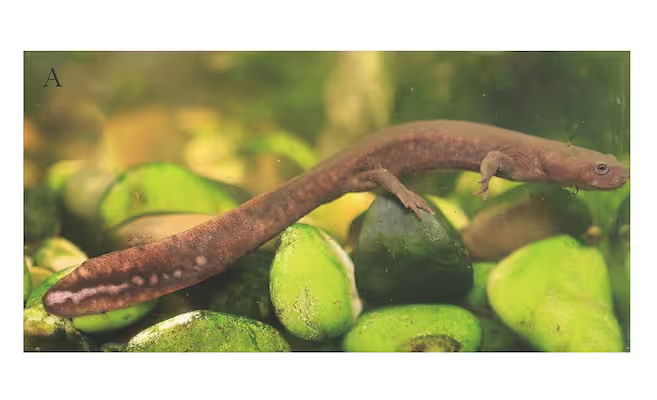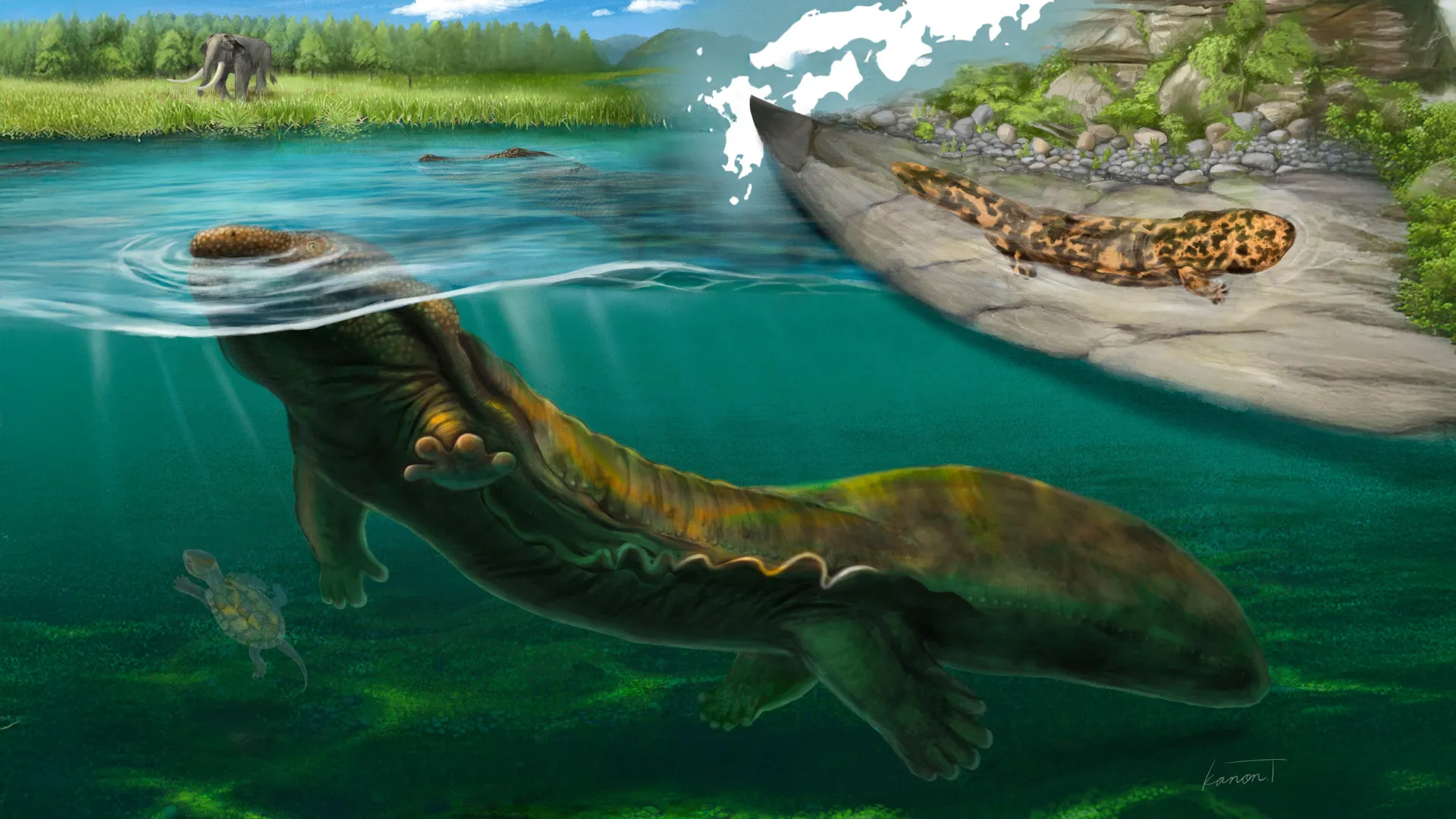
In the late 1990s, scientists working in the Ajimu area of Oita prefecture, Japan, uncovered three fossilized vertebrae from a giant salamander in the Cryptobranchidae family. The bones were preserved in the Tsubusugawa Formation, a layer of ancient lake sediments from the Pliocene dating to about 3.5 million years ago.
Other fossils found in the same formation include elephants and crocodiles, animals that are no longer native to Japan. Together, the remains point to a period when the region was considerably warmer and more humid than it is today.
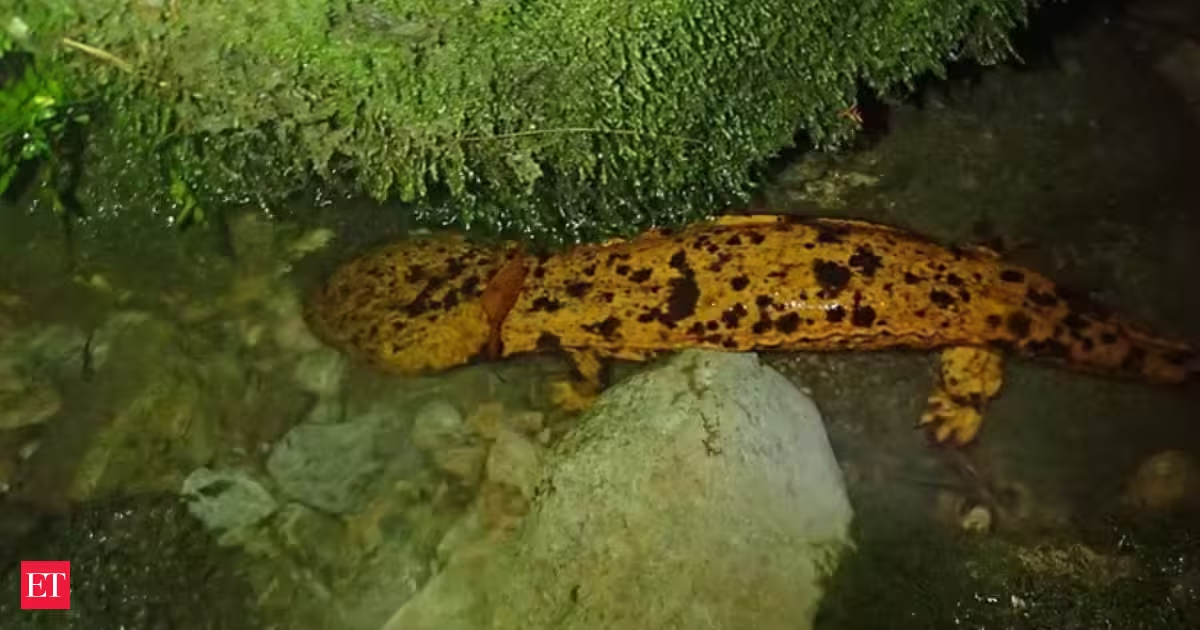
At first, researchers placed the Ajimu fossils in the genus Andrias, which contains the largest amphibians alive today. However, scientists lacked enough comparative material and anatomical research to determine exactly what kind of giant salamander the bones represented.
More than 20 years later, a Kyoto University research team has returned to the fossils and uncovered new details about their identity.
A Salamander Unlike Any Known Species