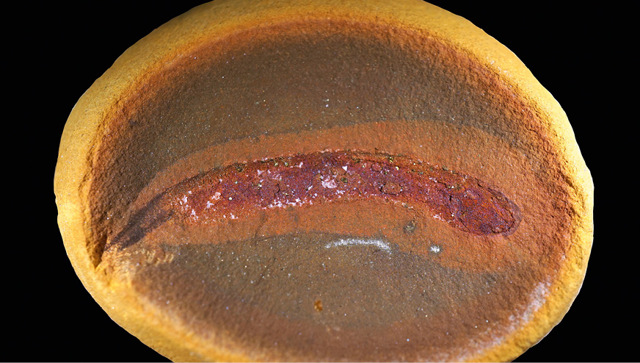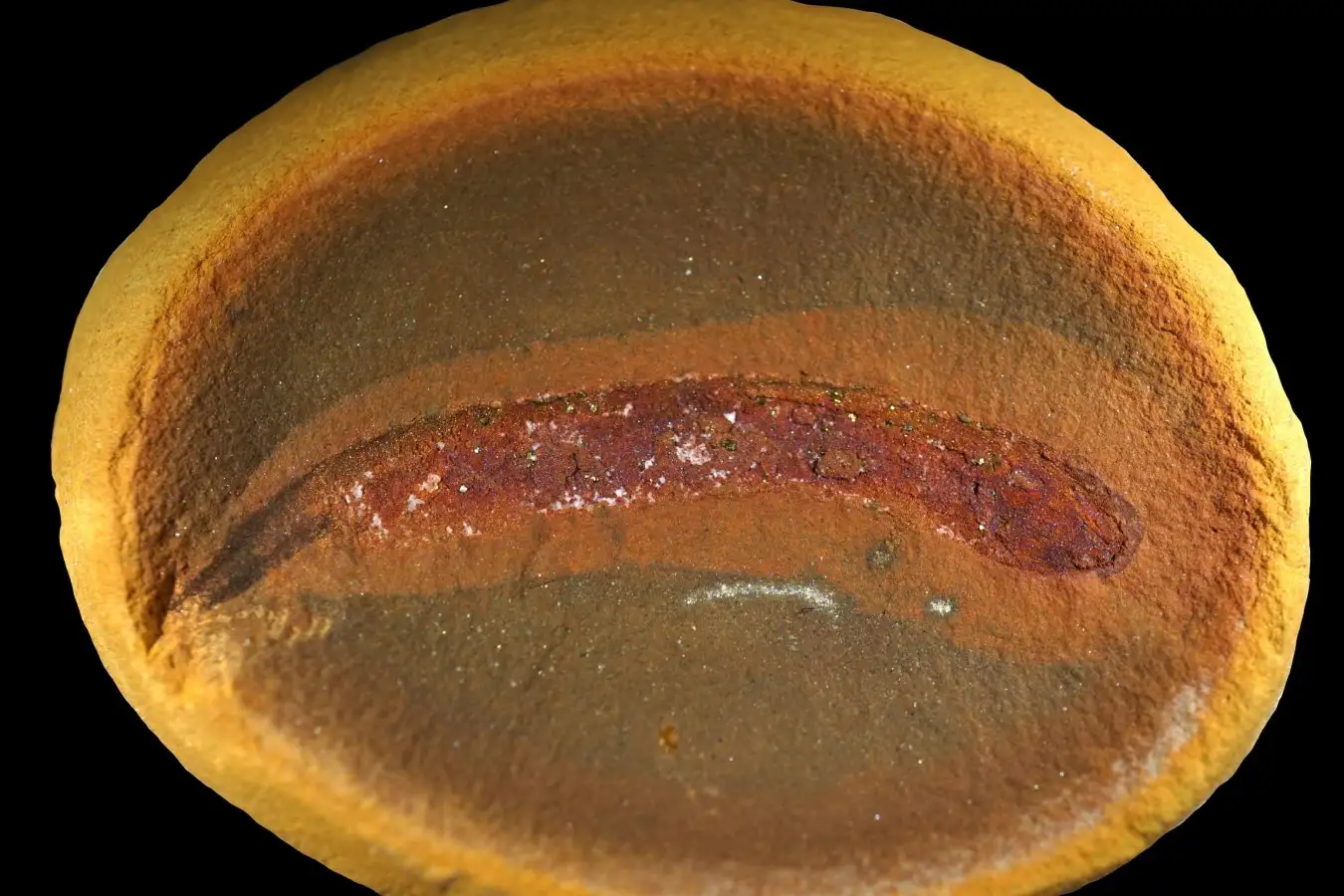
A fossil baby embolomere from Mazon Creek, IllinoisArjan Mann
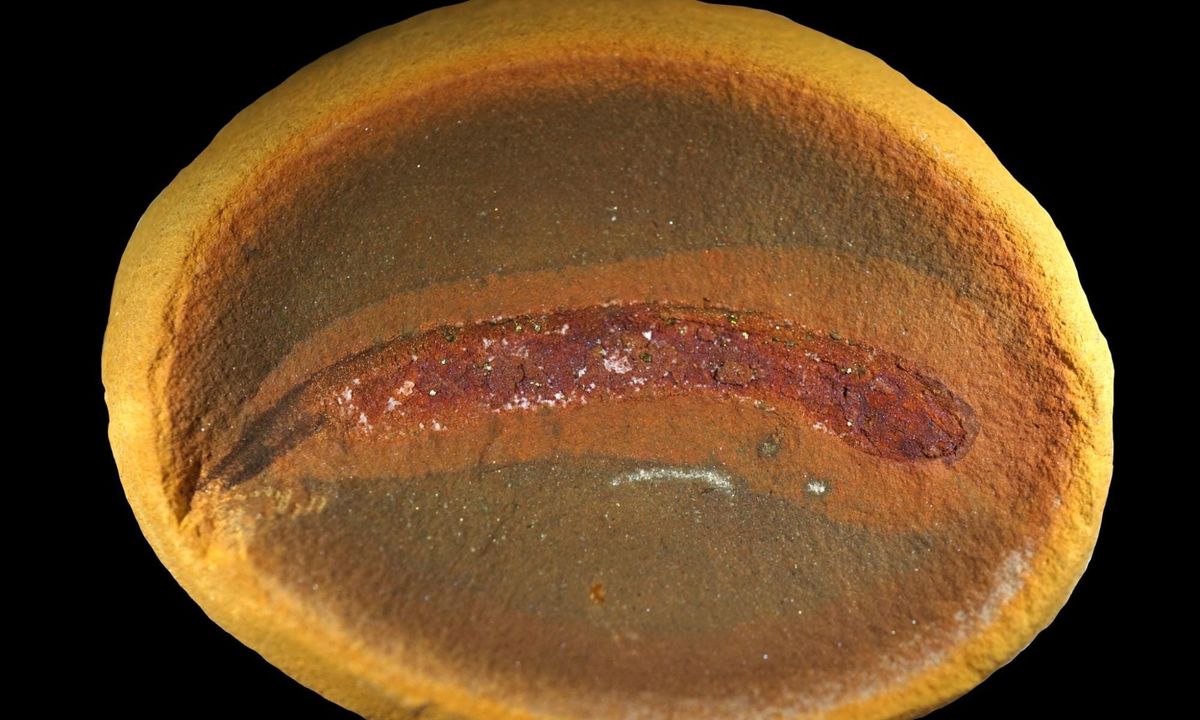
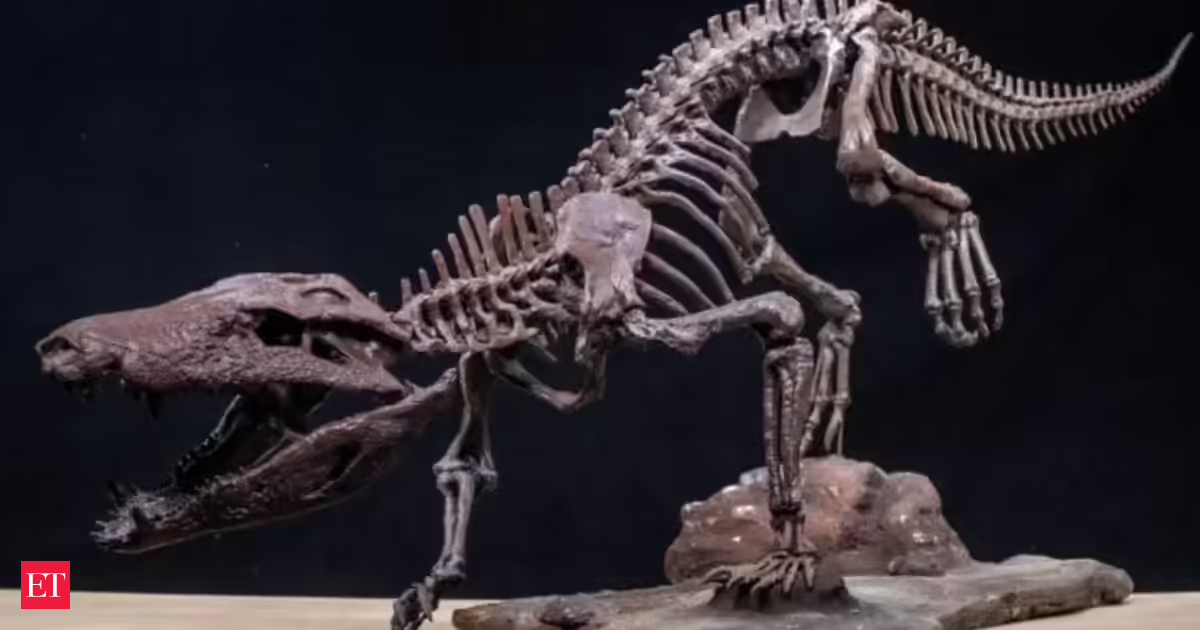
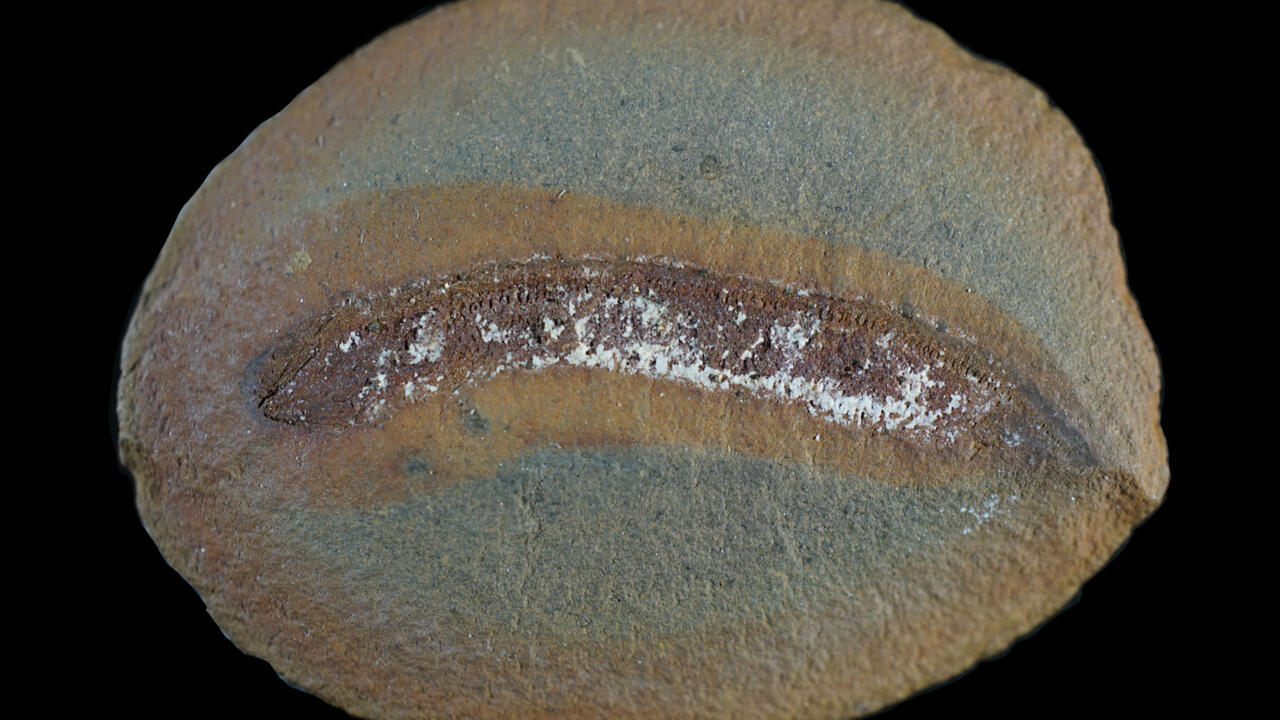
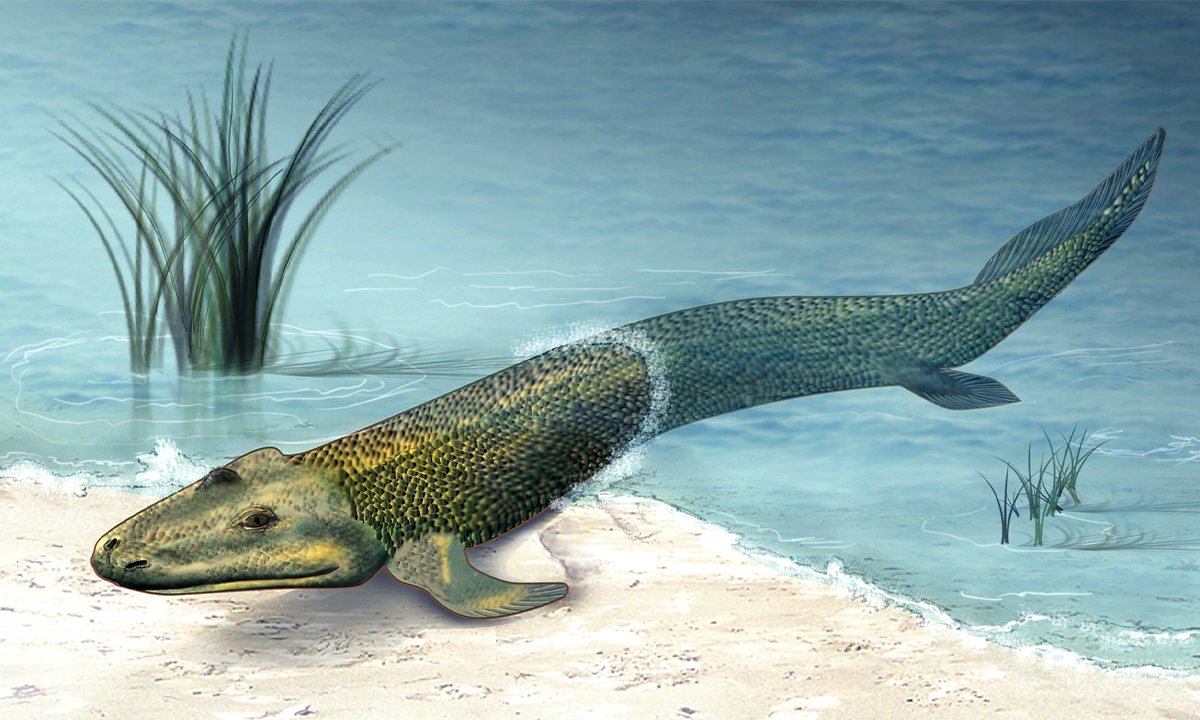
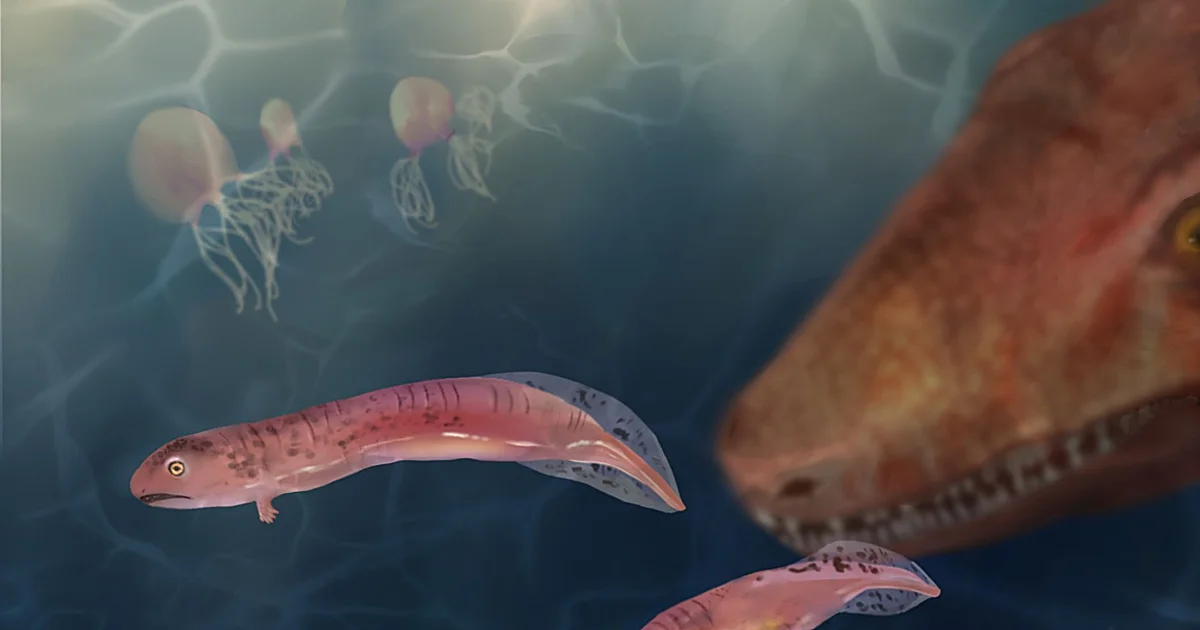
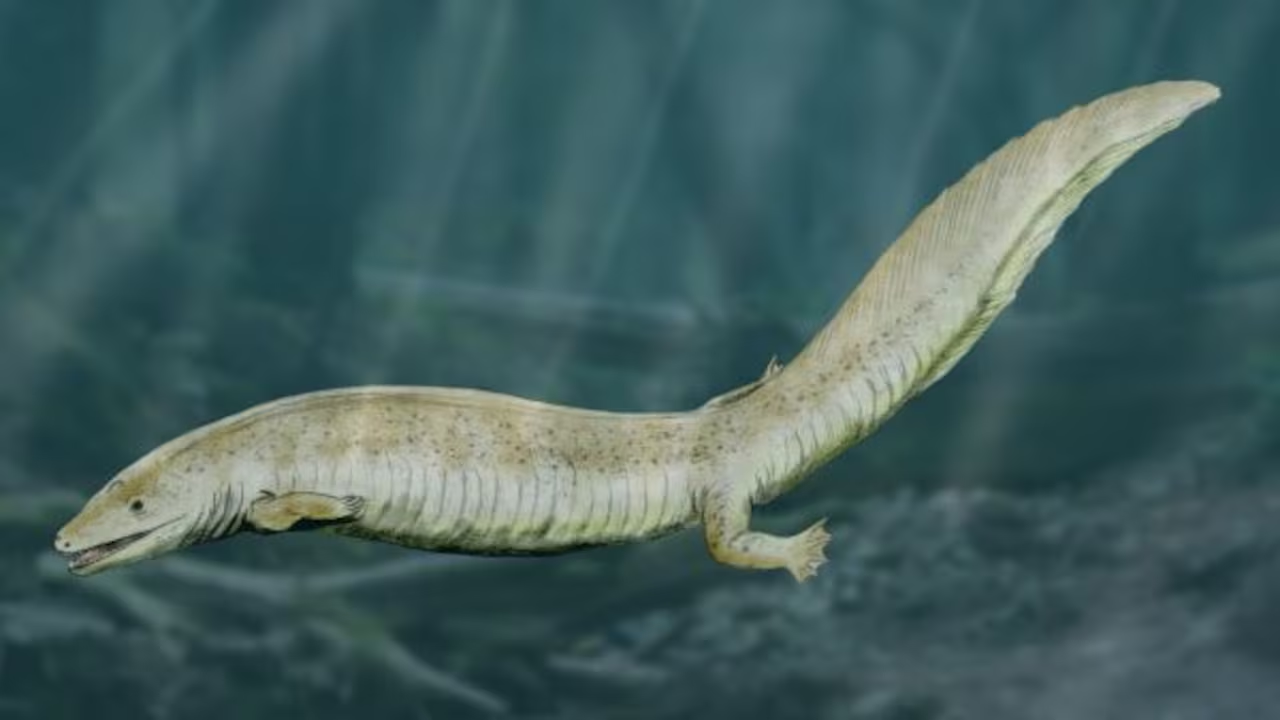
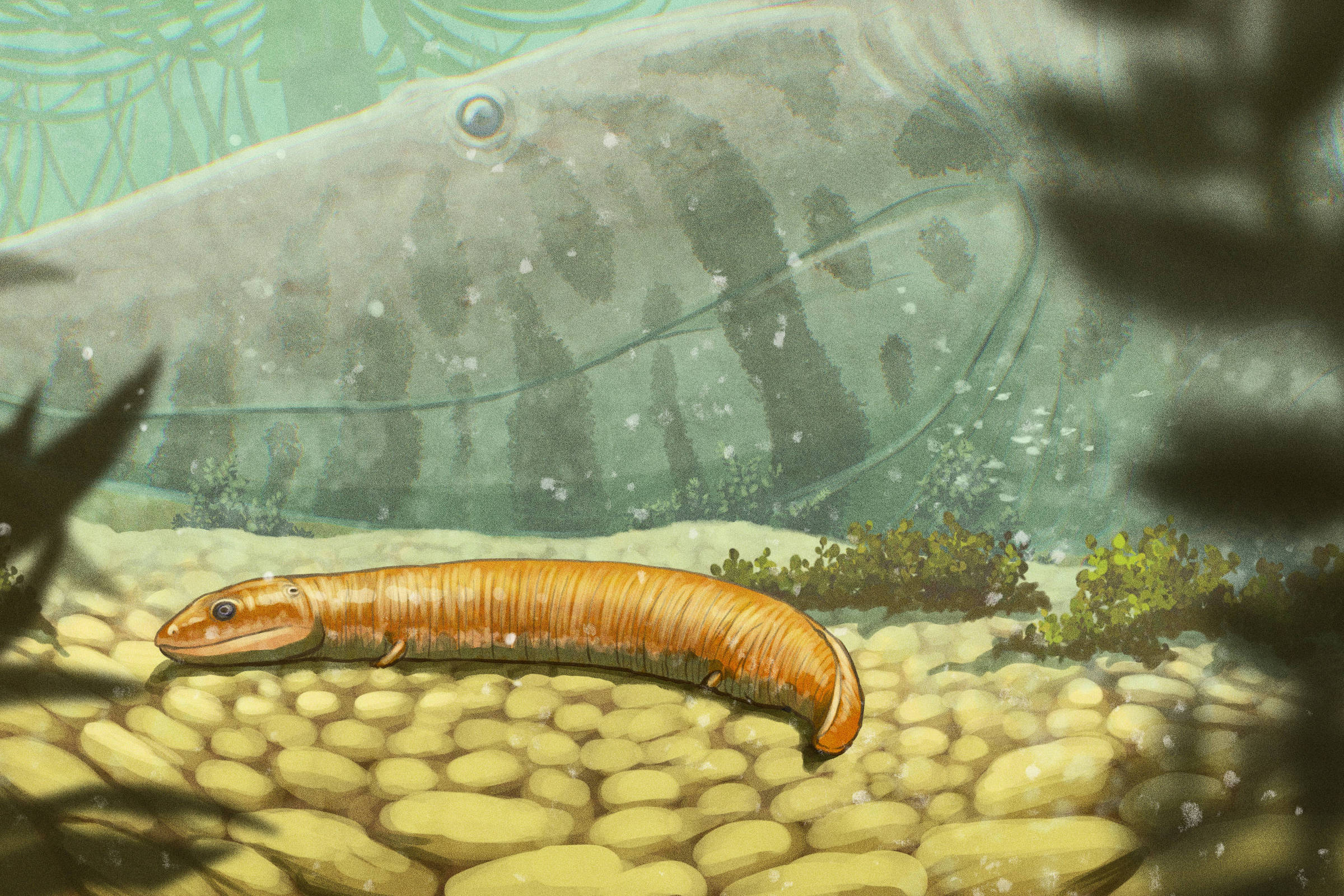
A set of exquisitely preserved 300-million-year-old fossils suggests that early four-limbed vertebrates did not undergo a metamorphosis between their juvenile and adult stages, challenging conventional ideas about the evolution of life on land.
“We have for a very long time assumed that these animals were broadly amphibian-like, and that this life cycle would have bridged the gap between life in the water and life on land,” says Jason Pardo at the Field Museum of Natural History in Chicago.
Today’s reptiles, birds, mammals and amphibians belong to a group called tetrapods, which evolved from lobe-finned fish around 390 million years ago. But almost nothing was known about the early developmental stages of these ancestral lobe-finned fish, says John Long at Flinders University in Adelaide, Australia.
Pardo and his colleague Arjan Mann, also at the Field Museum, examined a collection of fossils that were unearthed between the 1960s and 1990s at the Mazon Creek fossil site, south-west of Chicago. The preserved animals lived 307 million to 309 million years ago, during the Carboniferous Period.