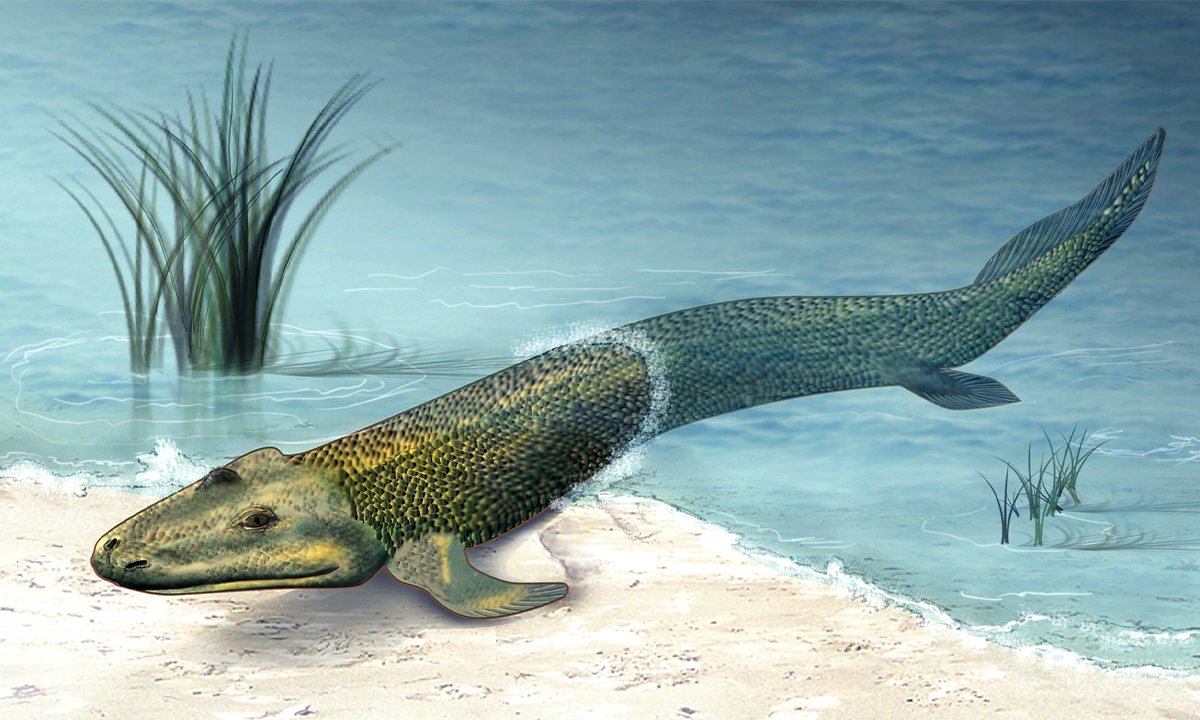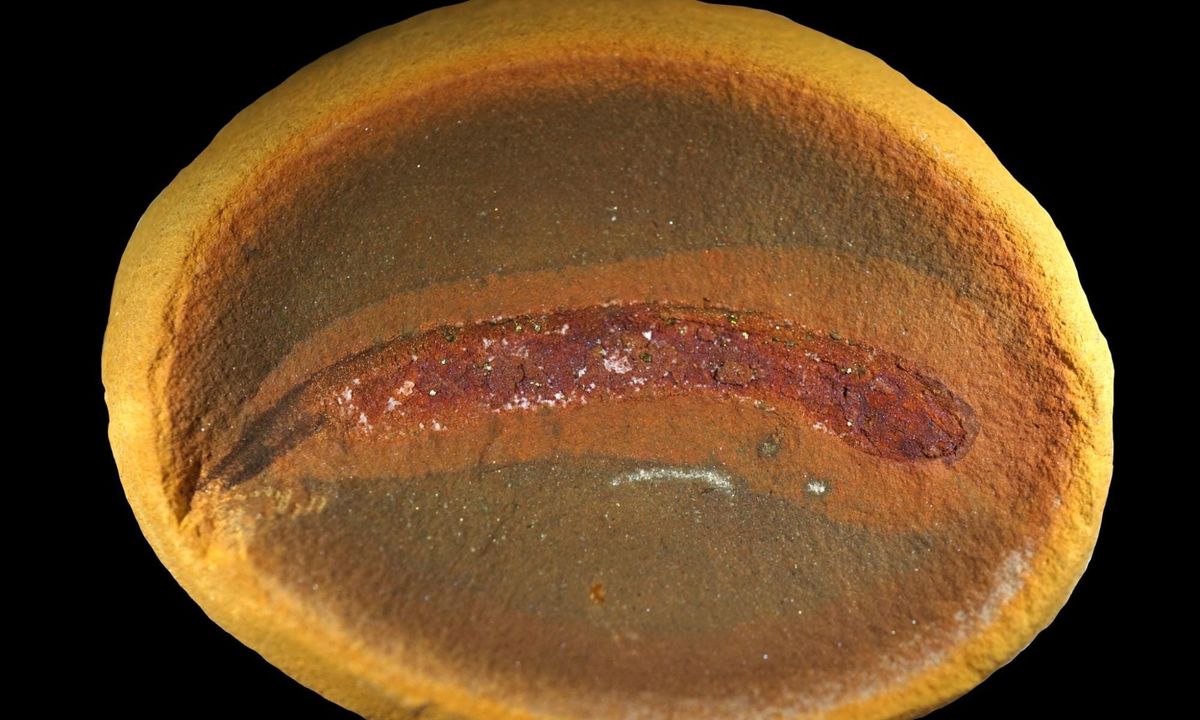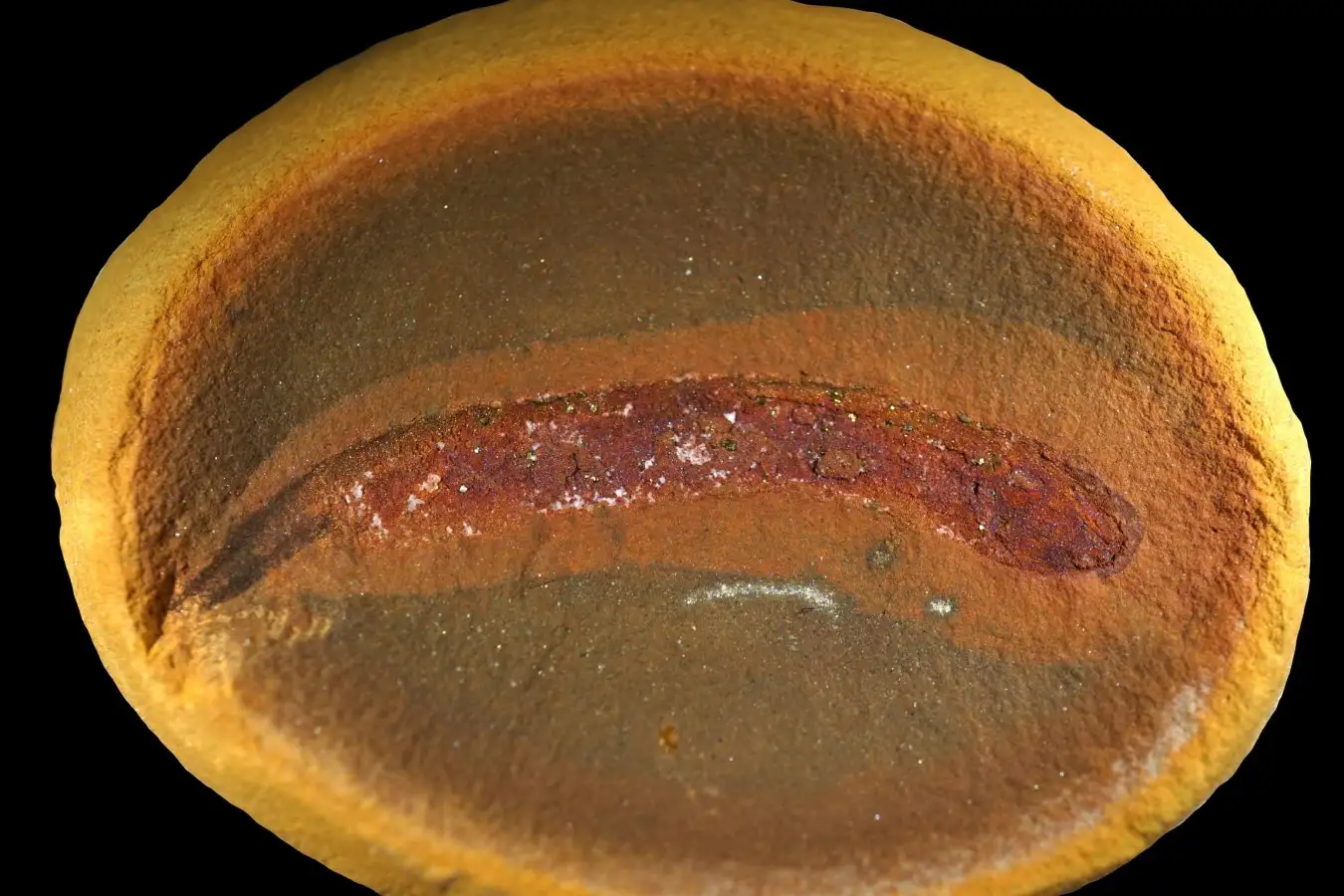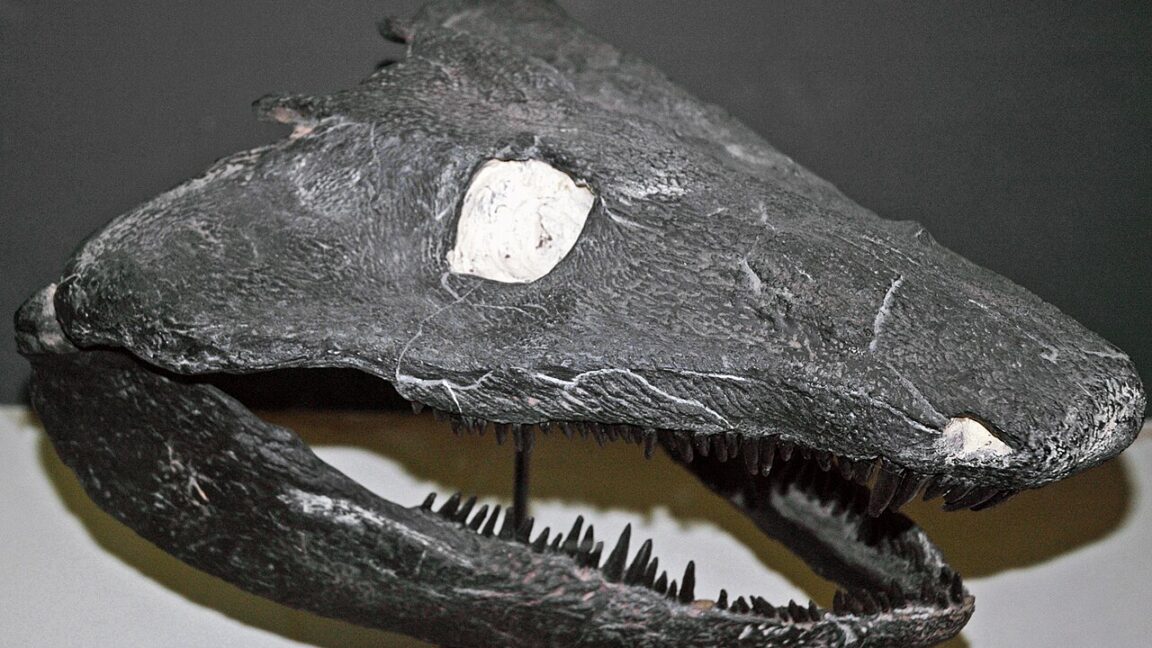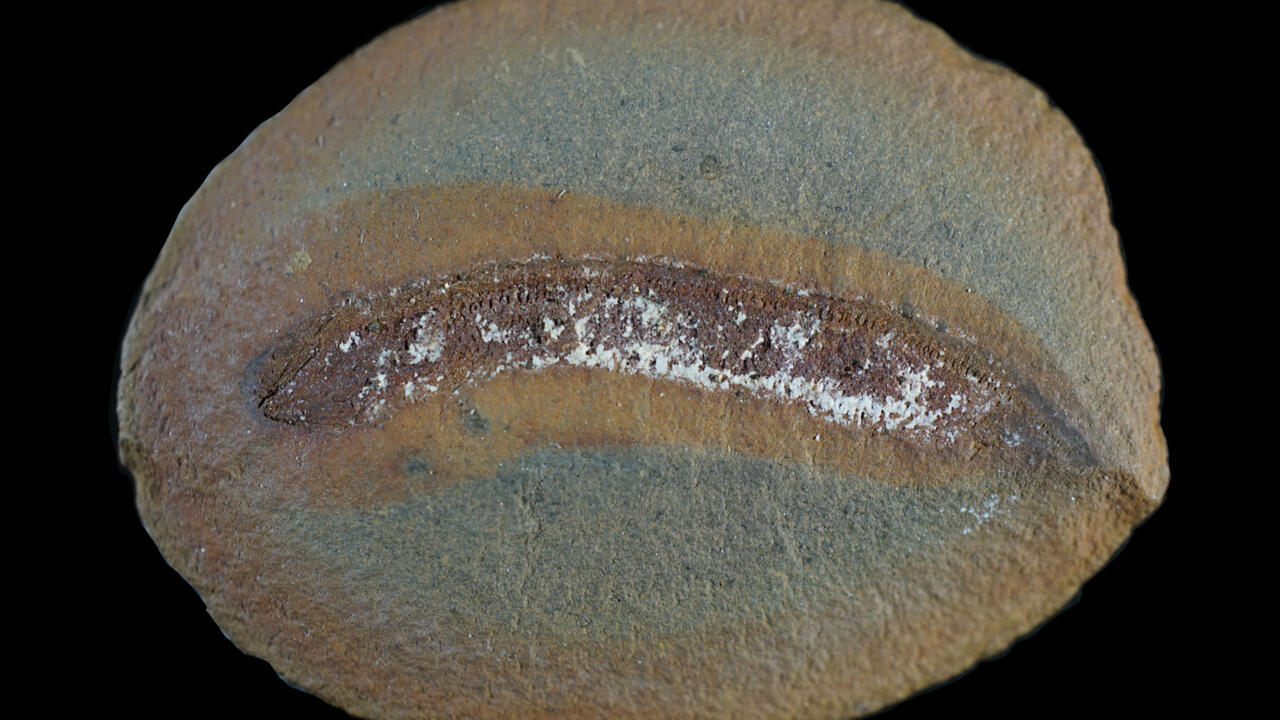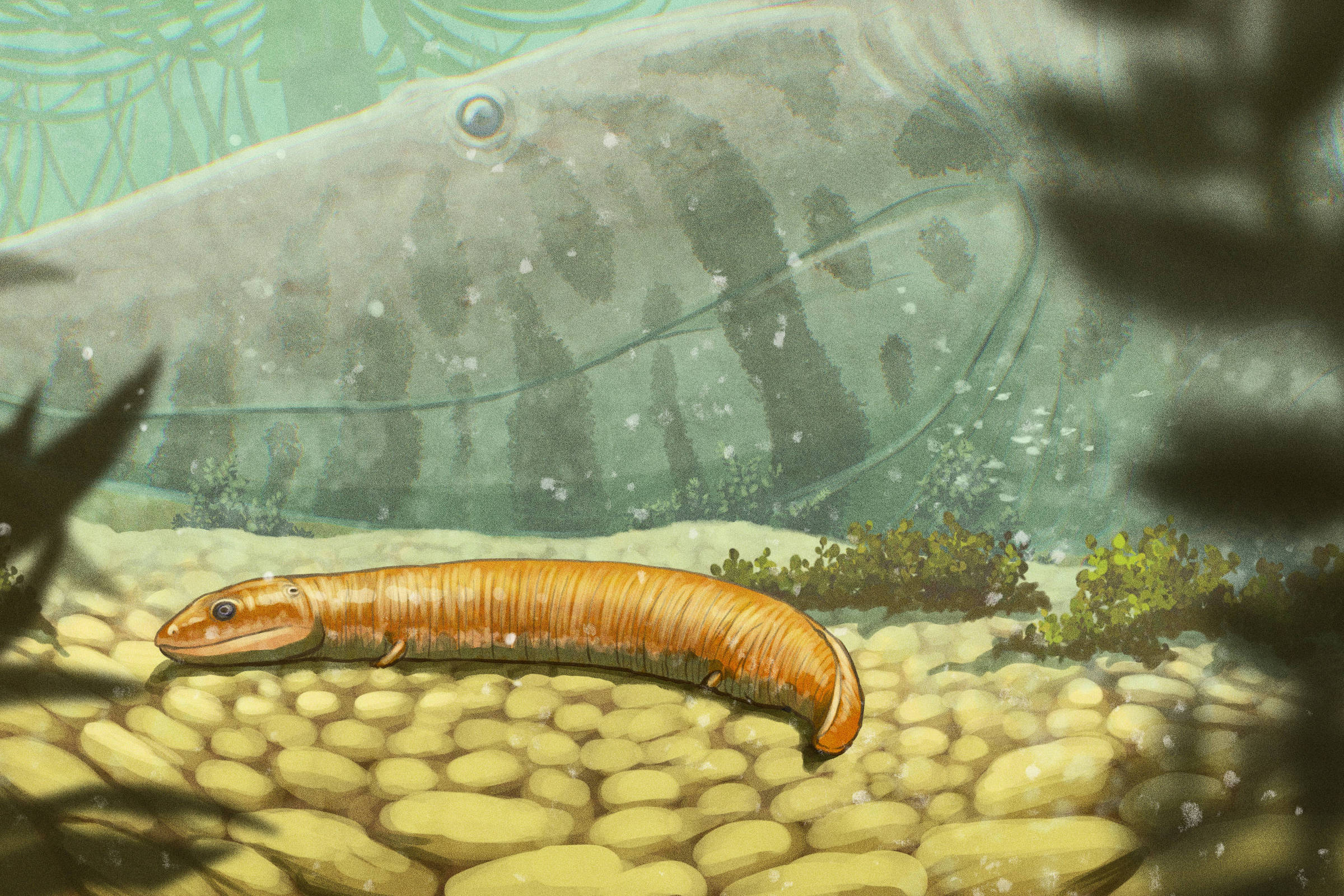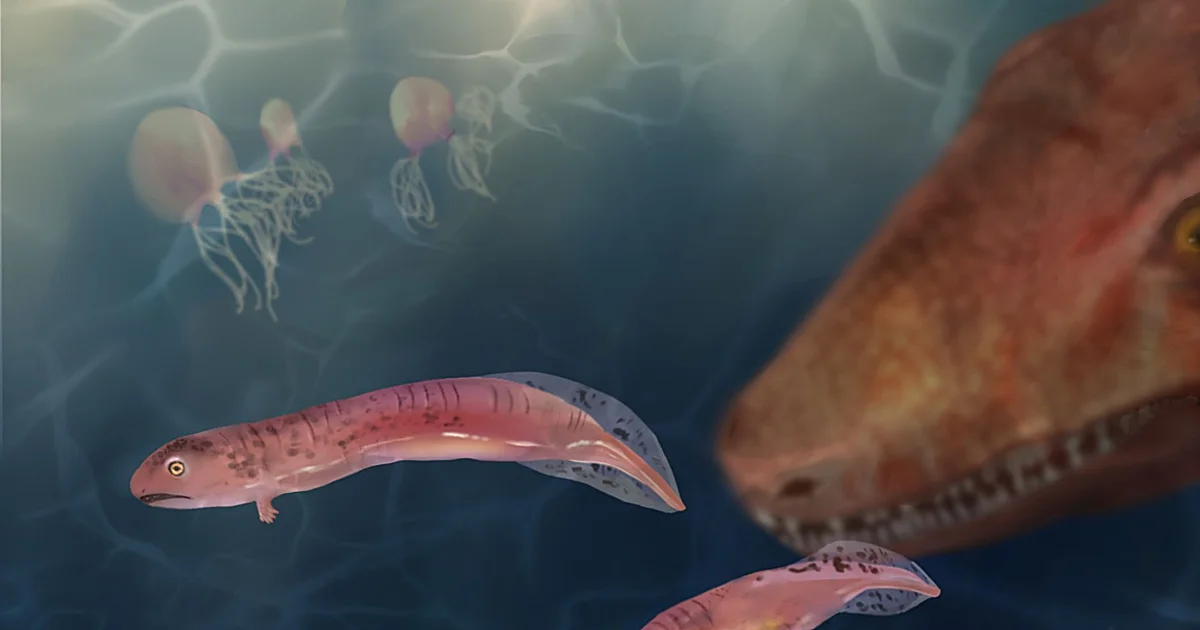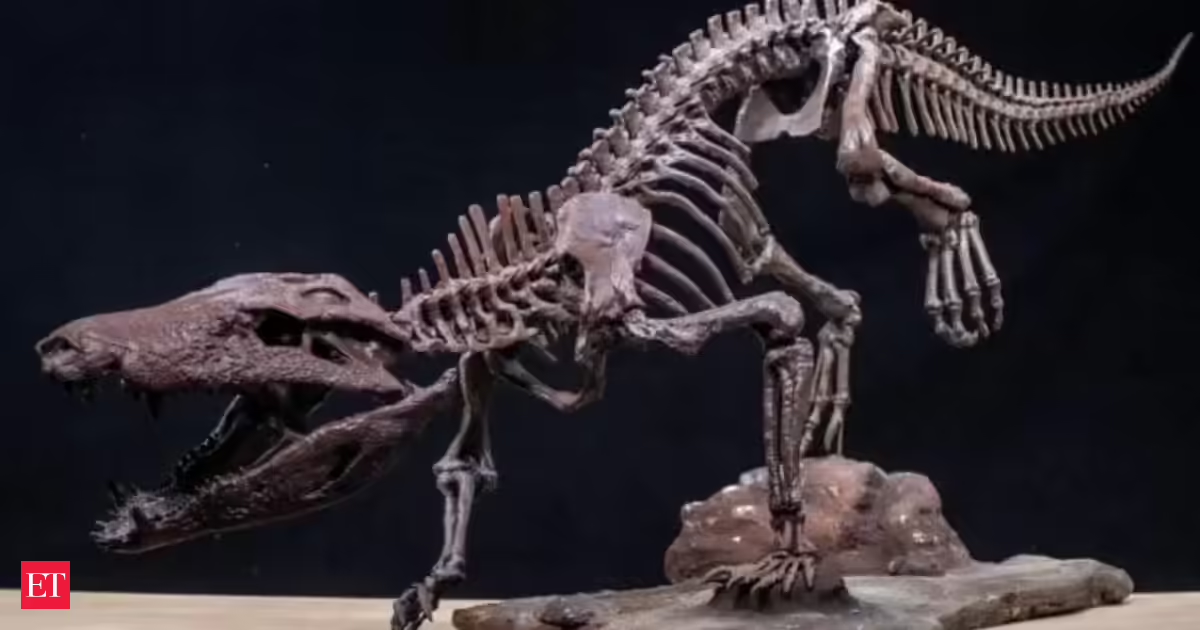
For millions of years, life remained connected to water before some animals made the incredible journey onto land. The first four-legged creatures, known as tetrapods, eventually gave rise to today’s mammals, birds, reptiles, and amphibians.Scientists believed these early land animals developed much like modern amphibians, beginning life as tadpole-like creatures before transforming into adults. But a new fossil discovery has challenged that long-standing idea. Tiny fossilized babies of ancient crocodile-like predators suggest the earliest tetrapods may have grown in a completely different way than researchers once imagined, as per a report by Phys Org.Did early land animals really grow like amphibians?For years, the accepted story of evolution was that early four-legged animals followed a path similar to modern amphibians. The idea was that fish evolved into amphibians, amphibians later developed into reptiles, and those groups eventually led to mammals and other vertebrates.However, a study published in the journal Science has challenged this explanation after researchers examined fossilized baby tetrapods.The fossils showed that some of the earliest land-dwelling vertebrates did not have the expected tadpole-like stage. Instead, they appeared to develop more like modern fish or other animals that grow directly into their adult forms.Jason Pardo, a research associate at the Field Museum and co-lead author of the study, explained the significance of the discovery."When a lot of us were in high school, we were taught this simplified story of evolution: that some fish evolved into amphibians, and some of those amphibians evolved into reptiles, and some of those reptiles evolved into mammals. And our study shows that this basic underlying premise, that the first four-legged vertebrates grew up like amphibians, is wrong," says Jason Pardo, as per a report by Phys Org.What did the baby fossils reveal?The breakthrough came from fossils found at Mazon Creek, a famous fossil site southwest of Chicago known for preserving delicate remains.The study focused on several fossils connected to the transition between fish and tetrapods. Two of the most important specimens were baby embolomeres, ancient crocodile-like predators that lived between 350 million and 280 million years ago.Adult embolomeres could grow more than 10 feet long and were among the top predators in rivers, lakes, and swamps. But the fossils discovered at Mazon Creek belonged to young individuals measuring only a few centimeters.Researchers spent years studying these unusual fossils. Arjan Mann, assistant curator of early tetrapods at the Field Museum and co-lead author, first noticed one of the baby fossils while working on his Ph.D.The specimen raised many questions because scientists were unsure exactly what animal it represented. After detailed analysis using scanning electron microscopy at the Canadian Museum of Nature, researchers confirmed that the fossil belonged to an embolomere.Mann described the importance of the fossil site, saying, "This is the first time we've had these early, early hatchling animals. This discovery is really a testament to the power of Mazon Creek, the site where these fossils came from."Why does this discovery change evolution theories?The surprising part was not just the identity of the fossil, but what it lacked. The baby embolomeres did have developing limbs, showing their connection to early land animals. But they did not have important features expected in amphibian tadpoles, such as frilly external gills.The same pattern appeared in another smaller embolomere fossil and other early tetrapod relatives. Researchers found that even species that experienced major changes while growing did not show evidence of true amphibian-style metamorphosis, as per a report by Phys Org.Pardo explained, "We looked at a number of different species that represent different lineages in the transition from fish to tetrapods, and what we found is that none of them have anything that looks remotely like a tadpole. And if you don't have a tadpole, then you don't have a metamorphosis."The findings suggest these early tetrapods had life cycles closer to those of fish or humans rather than modern amphibians.What does this mean for the history of life on Earth?The discovery changes how scientists view one of the most important moments in evolution — the movement of vertebrates from water to land.For a long time, researchers believed metamorphosis helped animals make that transition. But the new fossils challenge that idea."The story was that metamorphosis is the tool by which animals made the transition from water to land. That story doesn't work anymore, it's dust in the wind," says Pardo.The researchers also emphasized that this discovery was possible because of collaboration between scientists, fossil collectors, and volunteers.Mann noted that every specimen in the study came through teamwork involving the Earth Science Club of Northern Illinois, the Lauer Foundation for Paleontology, Science and Education, and the Field Museum.The fossils were made available by people including Paul Demkovich, Ben Riegler, Rich Rock, and Tom Testa, whose discoveries helped scientists rethink the origins of early tetrapods.This finding shows how even tiny fossils can completely reshape our understanding of life’s biggest evolutionary changes.FAQsWhat did the fossils reveal?Early tetrapods lacked a tadpole stage.What were embolomeres?Ancient crocodile-like land vertebrates.
These 300-million-year-old baby fossils just turned a major evolution theory upside down
Ancient fossilized babies of crocodile-like predators are rewriting evolutionary history. Previously, scientists believed early land animals hatched, underwent a tadpole phase, and then transformed, much like modern amphibians. However, new discoveries reveal these early tetrapods skipped the tadpole stage, suggesting their life cycles were more akin to fish or mammals, fundamentally altering our understanding of how life conquered land.
TL;DRAI
Fossils of 300-million-year-old baby embolomeres from Mazon Creek show early tetrapods lacked the tadpole stage present in modern amphibians. The discovery upends the accepted narrative that metamorphosis enabled the water-to-land transition, suggesting instead life cycles resembled fish or humans.
823 words~4 min read