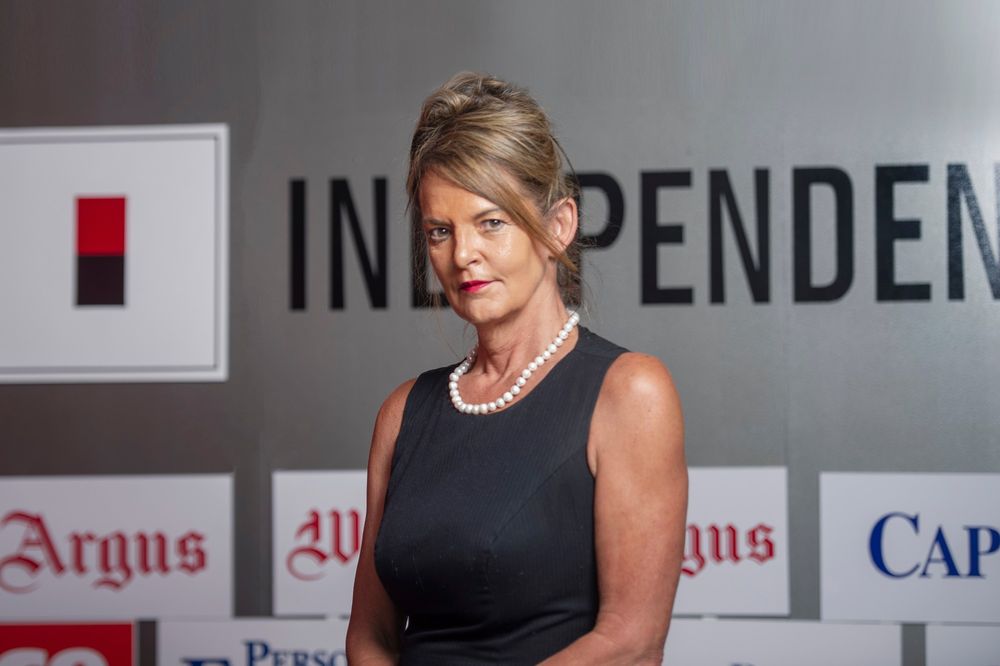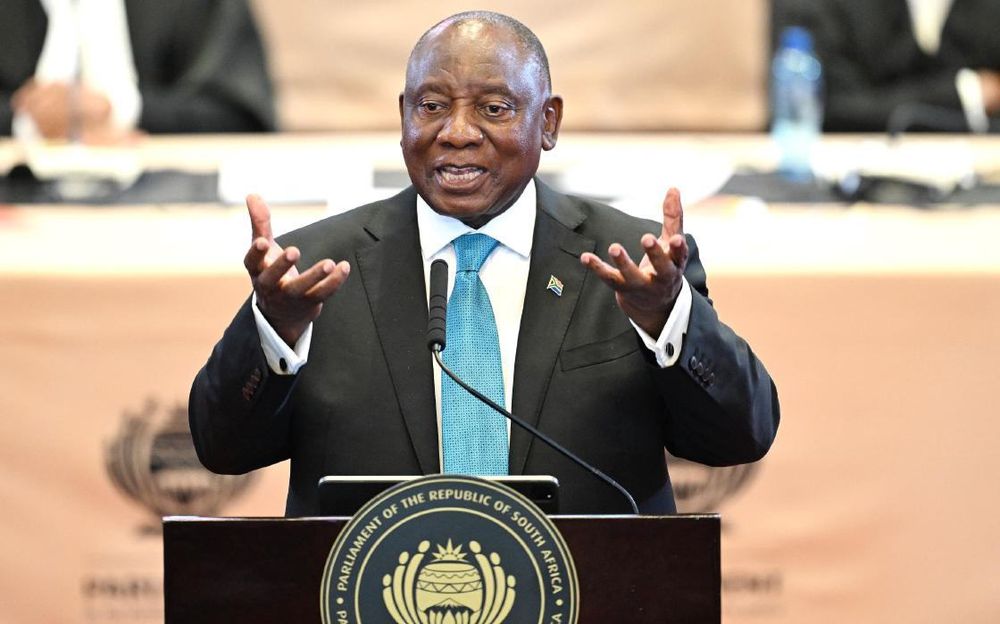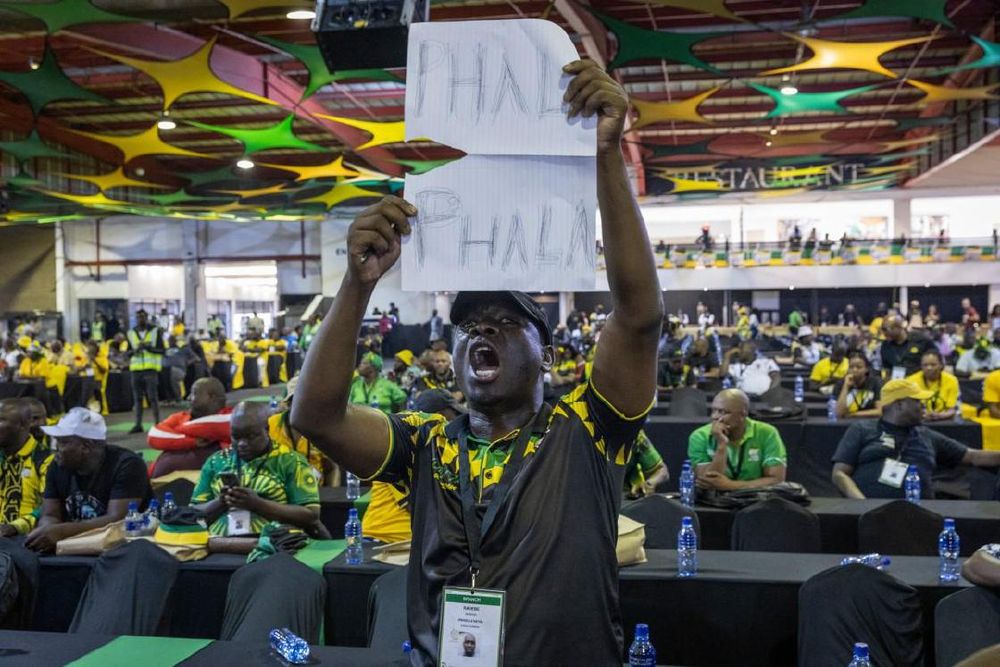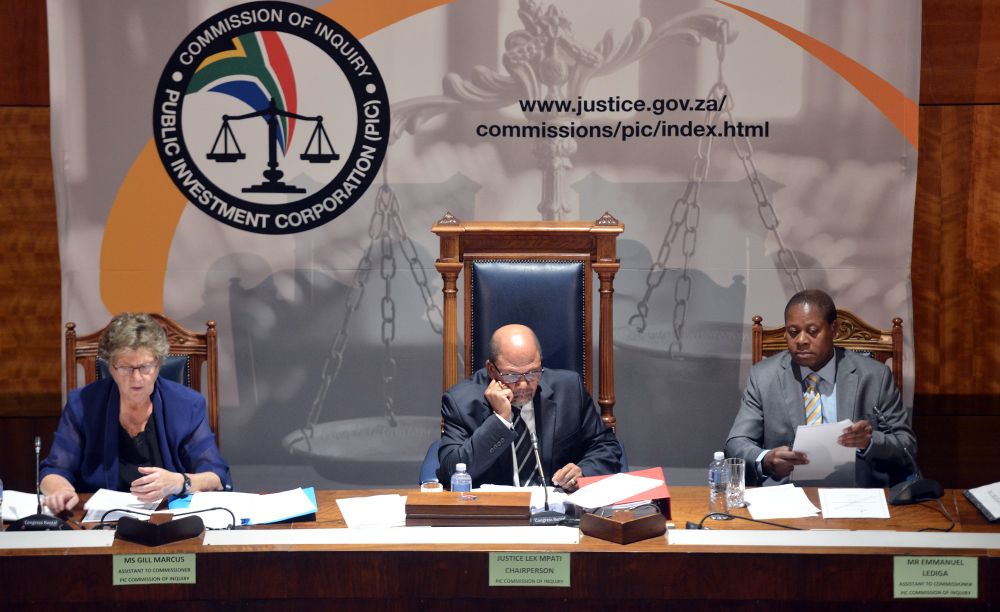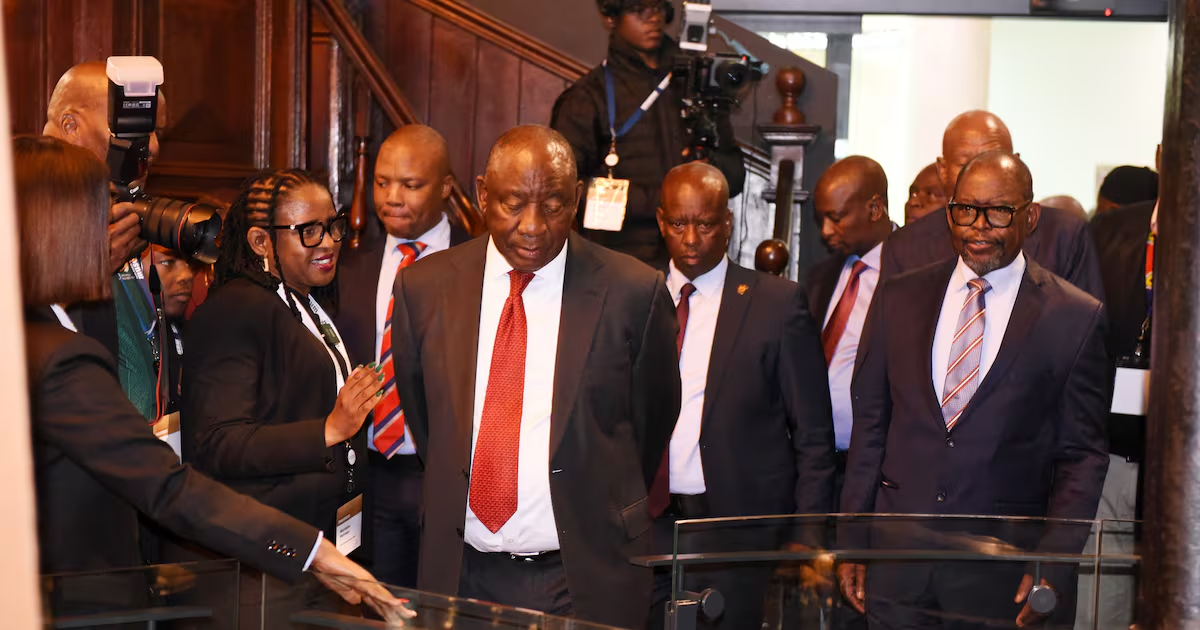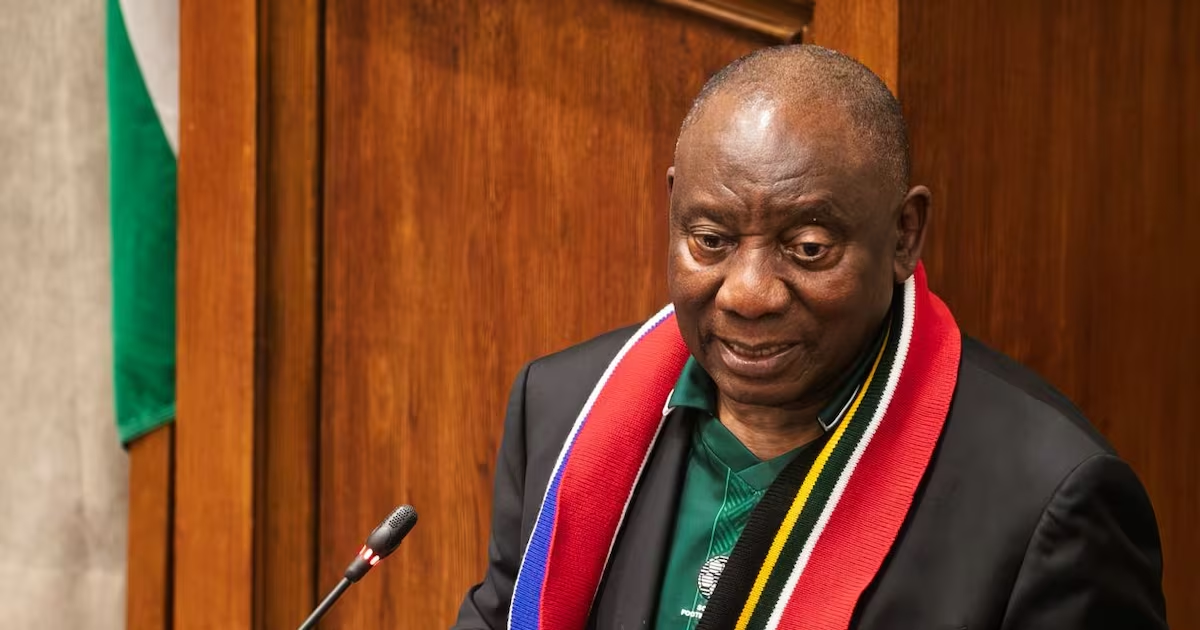
Everyone will know well the story of Marelize, the bike, the rugby posts and the exasperated mother. We can all sympathise with the mother at the moment, it would seem. The messiness of the Public Investment Corporation (PIC) CEO and board dramas and the Independent Directorate Against Corruption head Andrea Johnson (even the current blue-on-blue catfights): all these see a headlong collision with the rugby posts and exasperation. But they also hint at something deeper: people want simple binaries, yet none of them offer it. The seasickness I described in my most recent column appears to be getting worse, not better, but I will try to be optimistic. Perhaps this is exactly the feeling of going through a grand clear-out exercise in which, rightly, nothing ends up being sacred.The obvious follow-on questions awkwardly turn to what comes on the other side — what, perhaps “who”, is pulling us through to the other side and what does that world look like as an anchor point in the ground? There is a sense of a clock ticking down to the ANC’s next elective conference in December 2027 that is getting louder, amplified by the appointment of the previously fired Dina Pule as social development minister. “Ah”, but people around the ANC say to me with a knowing smile, “the women’s league needs to be kept on board.” I think it’s time to call impala droppings on this type of vibe. One unethical minister deployee must be replaced with another? Apparently, she had “training” and is now acceptable again. In no political world does a party need to keep a corrupt leader happy before local elections when the electorate has so clearly woken up to the smell. The electorate’s mathematics must rationally offset any consideration around the end of next year. Read: CEO Dlamini and CIO Van Heerden gone — turmoil at PICHerein lies the contradiction of the political moment — the ANC is expending not inconsiderable effort on trying to find the perfect mayoral candidates for November while then blowing it all out of the water in such a key portfolio, where key changes required for a sustainable social wage have not moved and stalemates have become embedded. I do fear all this creates so much eye-rolling among business and investment decision-makers that it reinforces low trust but also does little to assuage concerns over the ticking clock. But more damaging still I wonder at the levels of apathy among business that risk creeping in. There has been near silence at the dramas at the PIC for instance, and despite being such a huge shareholder and owner of many companies, most business leaders seem to be happy getting on with the knitting instead. All this suggests growth remains on the softer side, and with it gross fixed capital formation is not lifting off the appalling 13%-of-GDP kind of level it has fallen to recently.All this, then, raises the spectre of what the next 18 months will actually be “about”. People keep waving “legacy” around, which is a rather useful framing, actually, for a sense of what lasts here and what change is becoming more deeply institutionalised and embedded.The problem is most of it, while positive, will be quite dull: various technical changes to network industries, state-owned entity turnarounds, starting to drag the public sector off the bottom through the department of public service & administration, and macroeconomic reforms. These are policy wonkery legacies rather than growth or fixed direct investment levels or unemployment.Still, you have to take your wins where you can, and so I suggest diving fully into the policy wonkery regarding legacy and, in particular, focusing on regulators. Much of the ongoing reform is based on high rhetoric in speeches or presentations from a minister or an Operation Vulindlela report, rather than any green or white paper. The exception is the freight logistics roadmap, but even that didn’t cover all bases. The question continually hangs as we delve deeper into the complexities of reform specifics for rules and regulations of what the anchor point or centre of gravity is. People guess and read between the lines of the speeches, or try to infer things with various degrees of overreading where commas are placed in legislation to try to get a sense of direction. Here there is a key role for regulators through which so much of the “change” of reform must pass — such as market rules and access agreements and the like. What are the regulators’ guiding principles? Too often too much reform has become bogged down in the minutiae of this clause or that clause without a sense of these principles. Regulators such as the National Energy Regulator of South Africa (Nersa) often object to being given this rule. They say it’s the government’s job, which is only half true. It is government’s job to set policy and high-level frameworks, but the rules of the “game” should be spelt out and the policy transferred into regulatory principles that guide how regulators deal with and form views of reform changes. It is what all good regulators do globally and do so transparently and clearly to stakeholders. This top-down approach is missing and makes the bottom-up processes on reform seem somewhat at sea. Nersa often complains that it is under the thumb of the department of electricity & energy, and this may well be true, but that shouldn’t stop it laying out the guardrails within which it operates. All this would provide far more directional certainty to investors and operators and especially the financial sector, which must fund reform. The newly forming transport economic regulator is a key candidate with which to get this right from the start.Each regulator being required to lay out clearly its principles of regulation would be a sterling legacy in itself, possible in quite a short time and doing more than many other things in unlocking capital and building the plane as it’s taking off down the runway. • Attard Montalto leads on political economy, markets and infrastructure at Krutham, a South African research-led consulting company.Business Day
PETER ATTARD MONTALTO | Regulators may define Ramaphosa’s lasting legacy
Lasting reforms depend on regulators providing clear and stable rules for investors, rather than high-level political maneuvering or speeches
1,012 words~5 min read