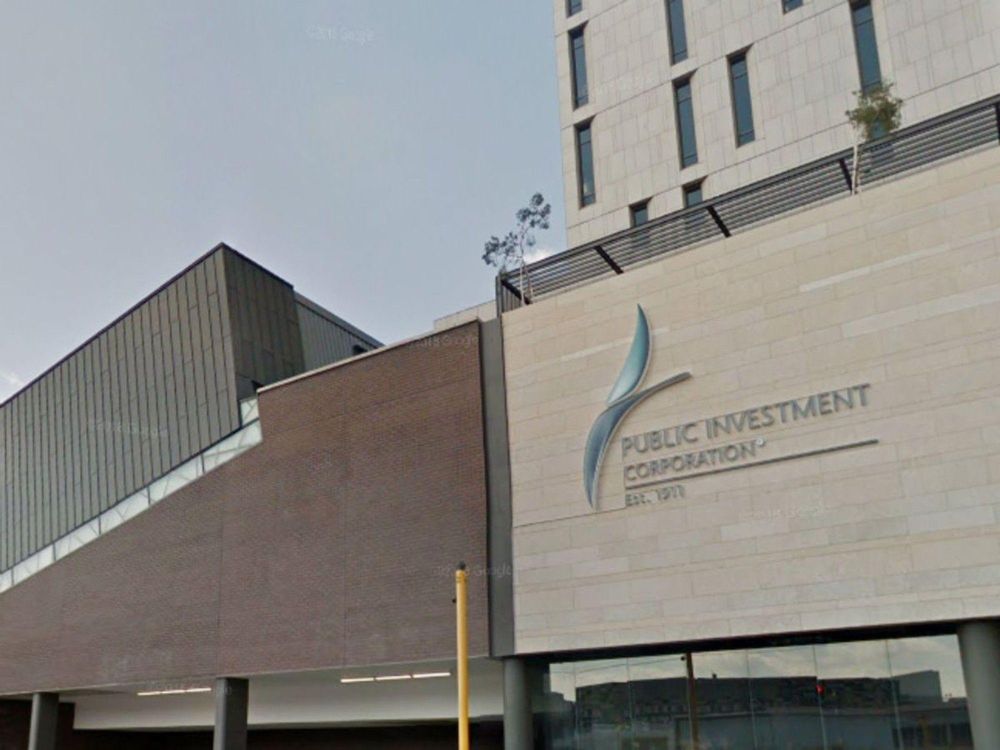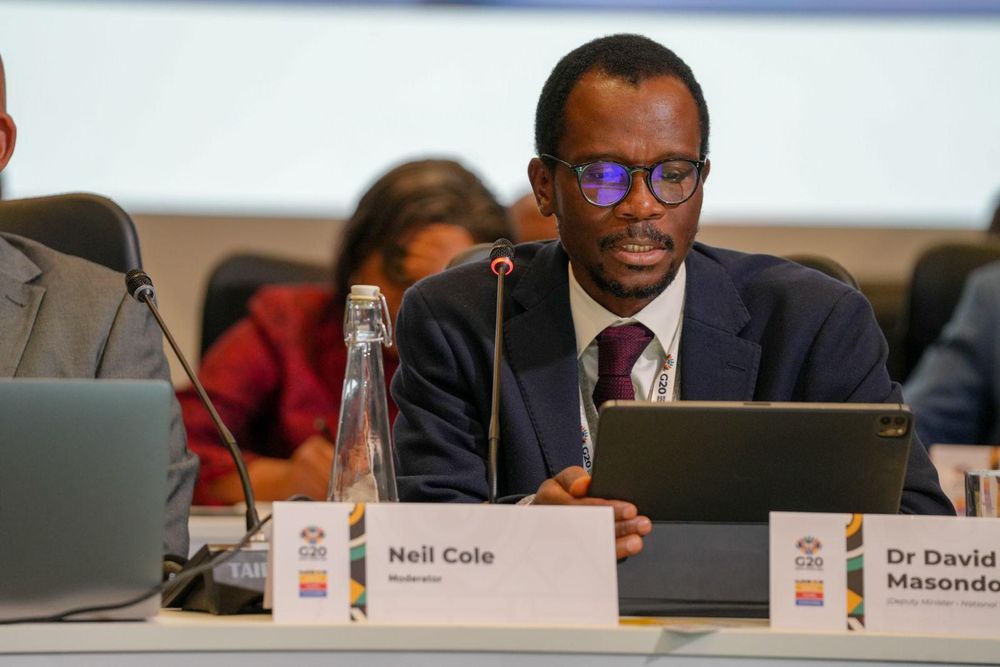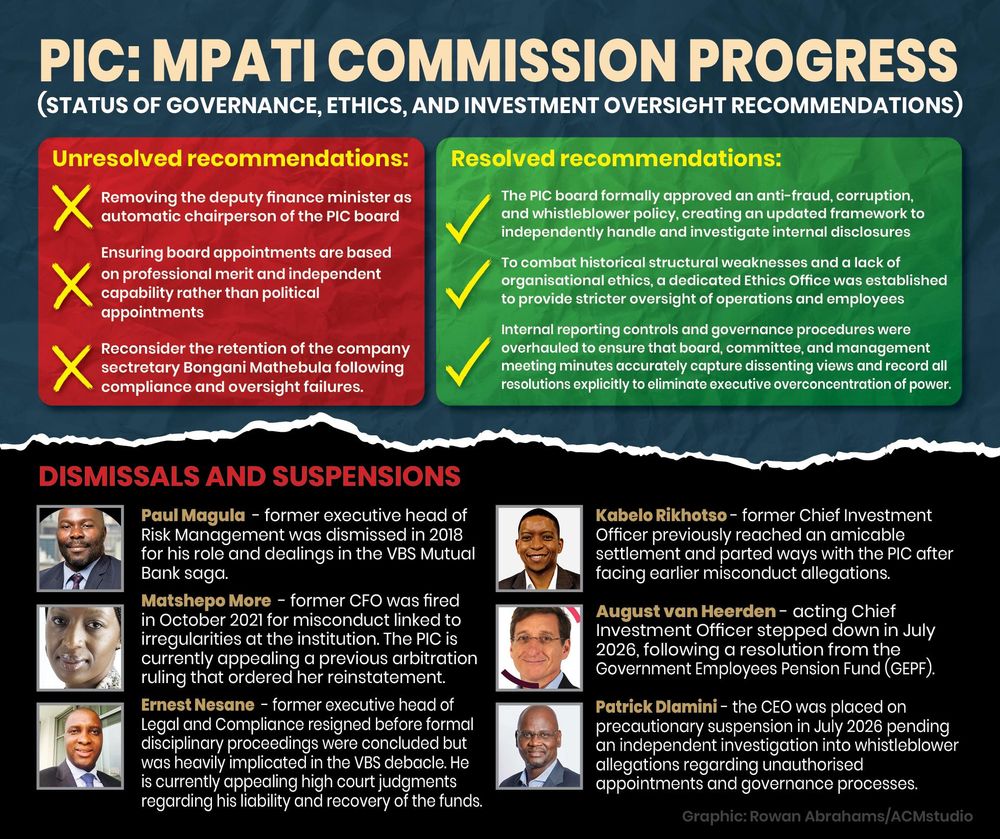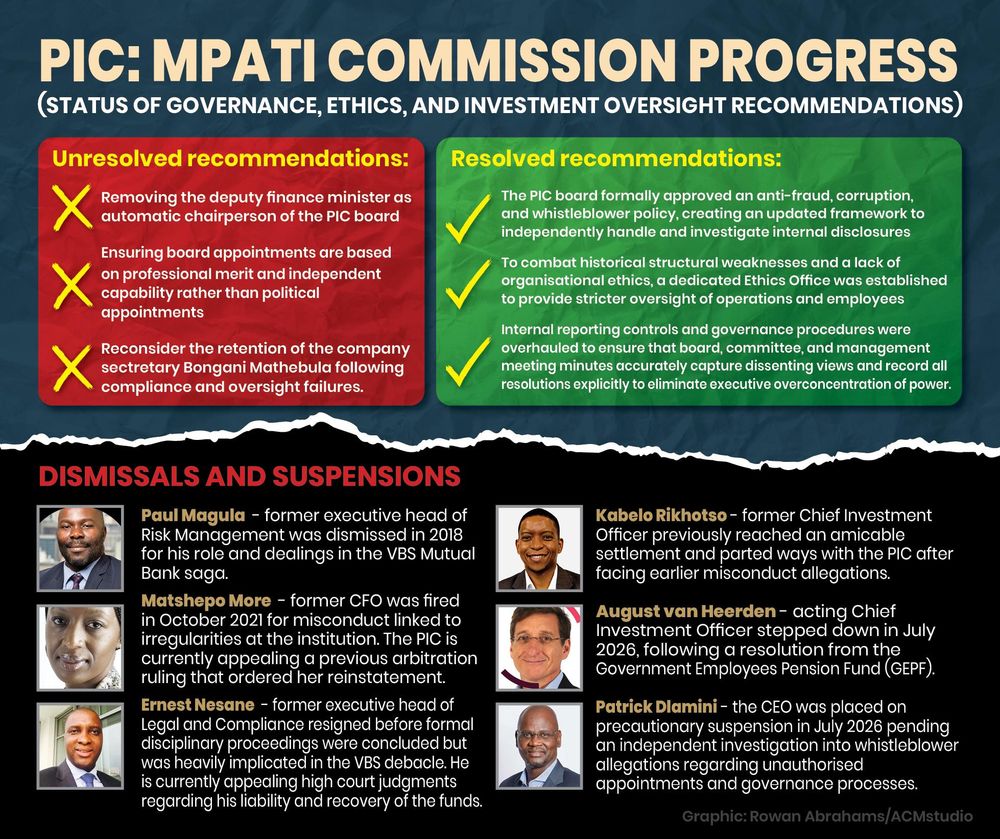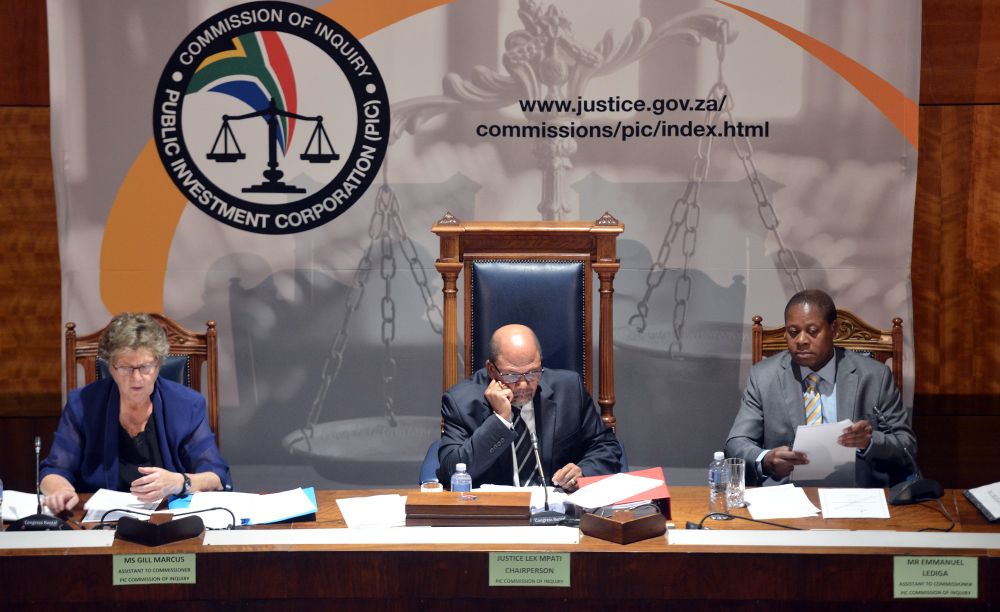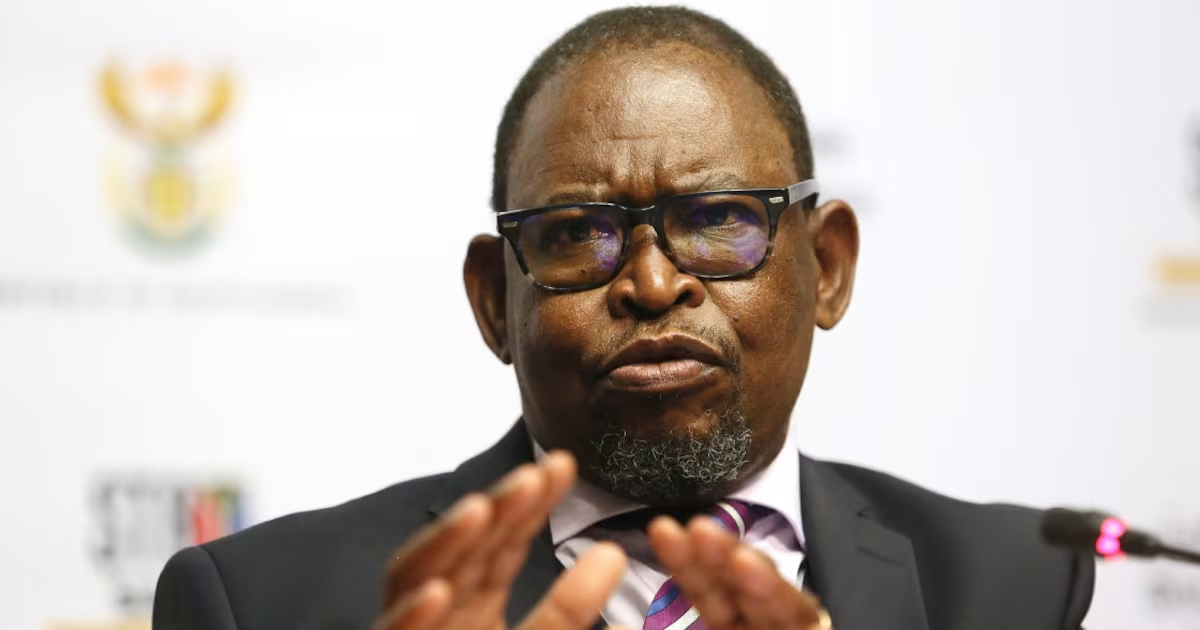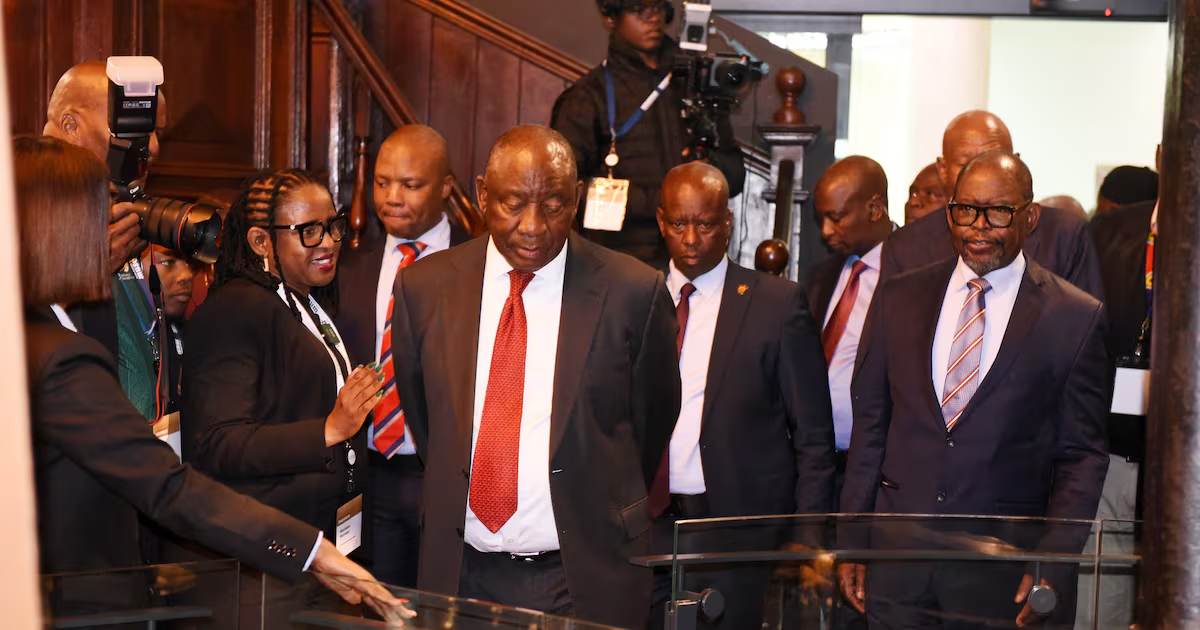
One of the first probes established by President Cyril Ramaphosa after taking office was the Judicial Commission of Inquiry into Allegations of Impropriety at the Public Investment Corporation (PIC).The commission, which was appointed in 2018 and finished its work in 2020, revealed serious governance and ethical failure at the PIC.Much progress has been made in implementing the Mpati commission’s recommendations, chief among them the separation of the role of CEO from that of chief investment officer.The commission made key recommendations that are worthy of a reminder, including:Strengthening the fiduciary integrity and independence of the PIC board;Establishing clear and transparent criteria for all investment decisions;Publishing regular disclosures on unlisted investments;Referring implicated individuals for disciplinary or criminal action; andDeveloping a code of conduct to prevent political influence.The cloud over the asset manager over the past eight months, which culminated in the suspension of the CEO this week and two nonexecutive members amid allegations of infighting at the board level, is a sober reminder that the work to clean up the PIC is an unfinished product.It is more concerning when the divisions at the board level seem to be influenced by political reasons and not the core mandate of the company.The reporting make-up of the PIC was always going to be a source of tension. The minister of finance as the shareholder representative appoints the board, which has historically been led by a deputy minister of finance ― in this case David Masondo.Reports that Masondo and finance minister Enoch Godongwana don’t drink from the same cup as it relates to governance at the PIC is concerning.It is time that Ramaphosa calls in the two gentlemen to explain themselves on the reputational damage the organisation is suffering, undermining confidence in the biggest investor on the JSE.A lot is at stake at the PIC. Armed with more than R3.6-trillion in asset management and a big mandate to invest in the unlisted space to bring in new players into the mainstream economy, there is a lot of money to fight over.It is thus important that the government reviews the way it appoints the board of the PIC and the technical skills needed for better oversight of the entity, which is responsible for growing the pensions of more than a million public servants.Good governance must be non-negotiable at the PIC and the president must insist on this. Both the minister and his deputies serve at the pleasure of the president. He has all the requisite authority to demand they fulfil their duties with the care and competence needed. This includes good governance at the PIC.The lack of criminal consequences following the findings and recommendations of the Mpati report has also served to embolden those who would seek to repurpose the PIC for their narrow and selfish ends to circle it again.The transformation imperatives on the PIC demand that it get its act together to fund and invest in legitimate transactions. The vacuum in leadership and the instability at the highest levels of the asset manager are sources of great concern and should worry all South Africans.Political capture of the PIC is a continuous and present danger. The government of national unity must find a lasting solution.The Financial Sector Conduct Authority will do well to complete its investigations into the allegations facing the PIC speedily and make its report public. There must not be any holy cows in cleaning up the entity of rogue elements.
EDITORIAL | Time for Ramaphosa to break his silence on the PIC
There must not be any holy cows in cleaning up the entity of rogue elements
567 words~3 min read