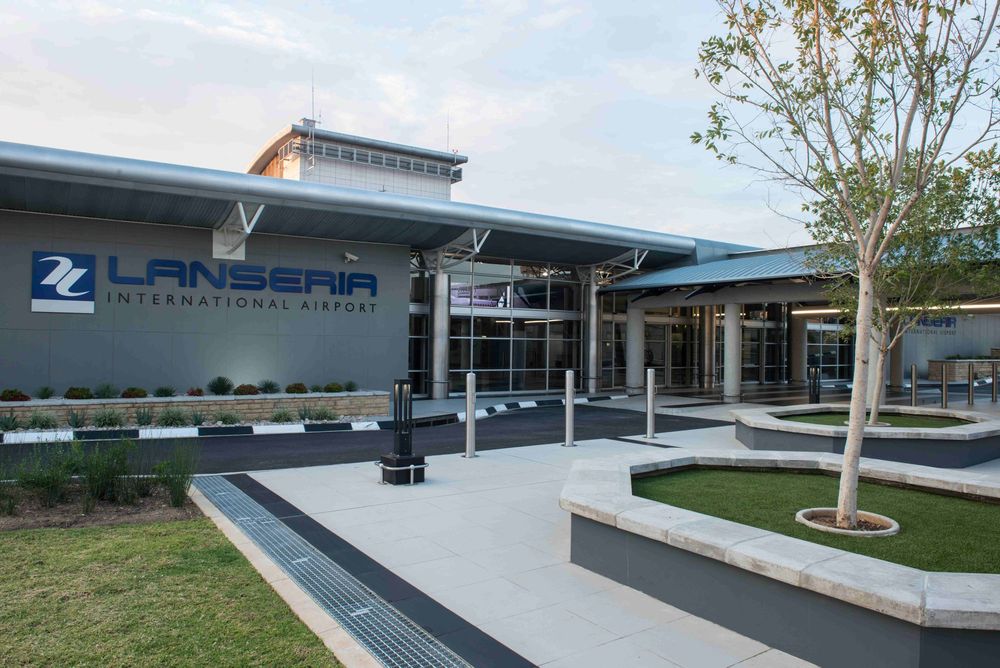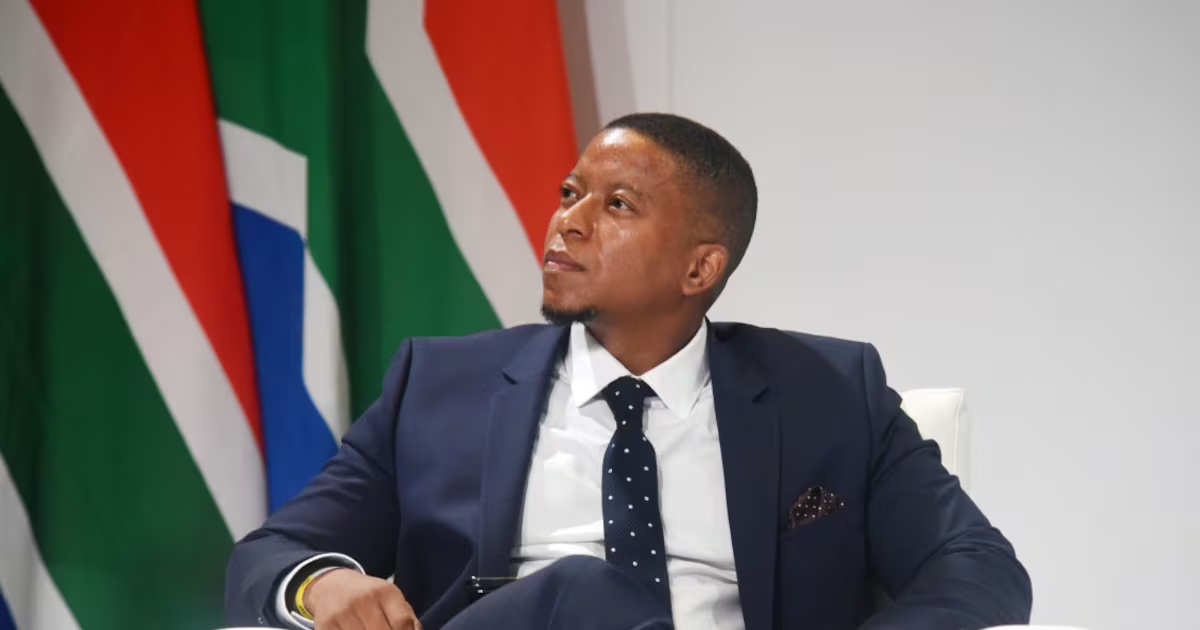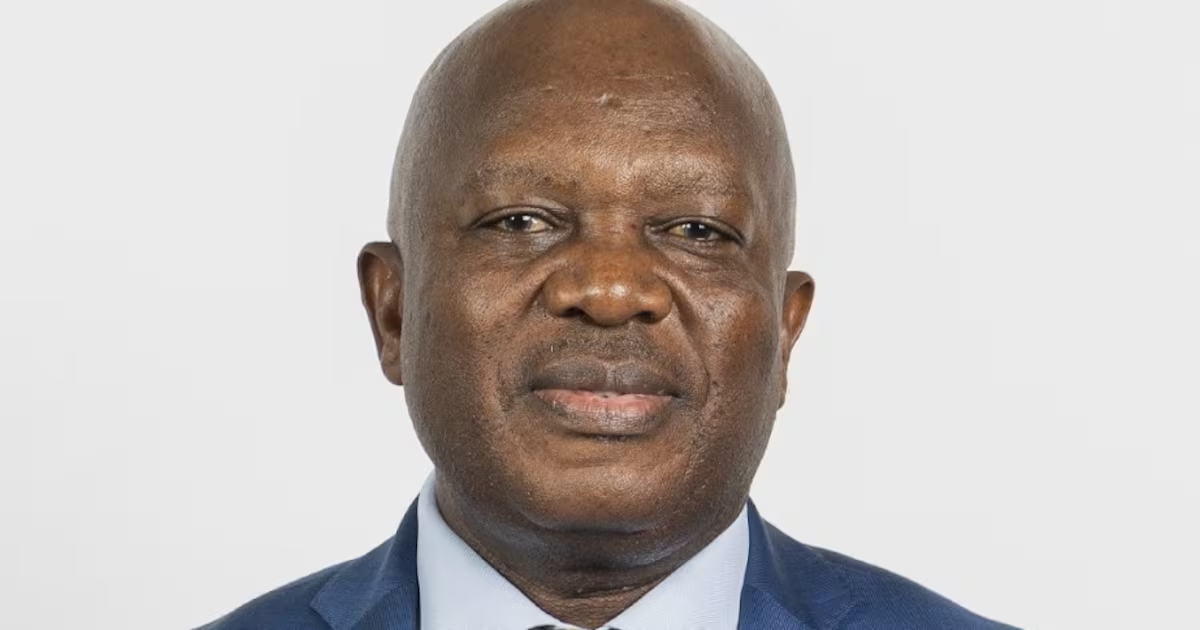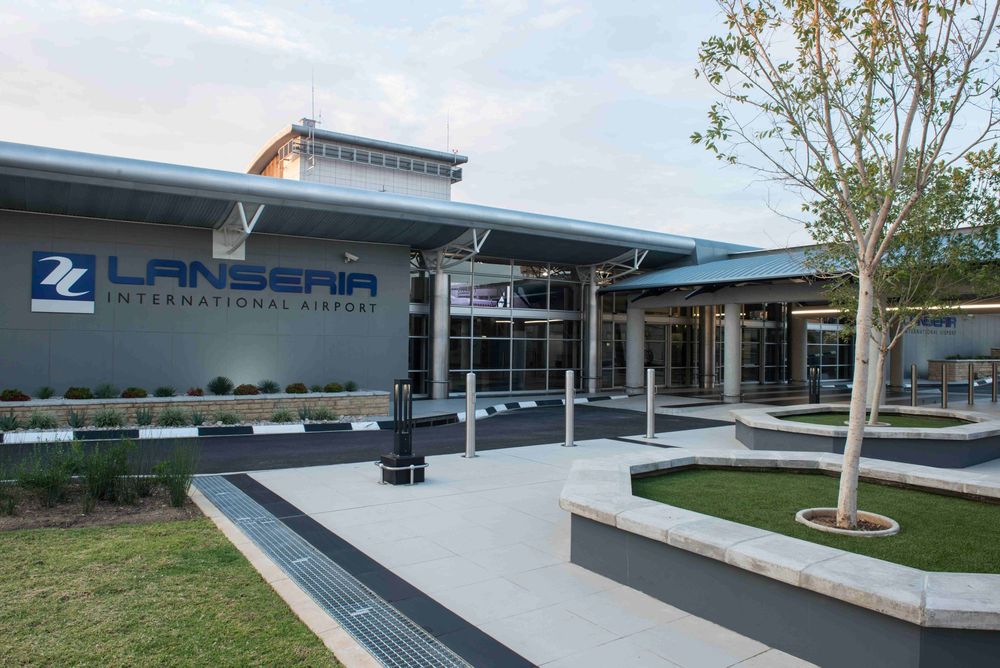
The Public Investment Corporation (PIC) has once again found itself in the news for all the wrong reasons.And again, it is the management of the asset manager’s multibillion-rand unlisted portfolio that is under scrutiny, particularly its funding for a black empowerment group that invested in Lanseria a few years ago.An investment that went pear-shaped, with Acapulco Trade and Invest having failed to pay back the money the PIC lent it but bizarrely walking away with a R400m golden handshake after an arbitration process.The controversial settlement is now before the Special Investigating Unit. That process must be allowed to proceed without hindrance and conjecture.The Lanseria transaction is not the only one that has seen the asset manager bleed government pensioners’ money.The list is too long to capture here. The unlisted portfolio, while it constitutes a tiny part of the PIC’s R3.6-trillion, remains integral in broadening economic participation.The unlisted portfolio, housed under the Isibaya Fund, cannot be allowed to rot and be an experimental ground for nonentrepreneurs to score a quick buck.The fund was established nearly 30 years ago to invest in projects that promote social responsibility, infrastructure, and transformation in South Africa and the rest of Africa.Its mission remains crucial today, as it was in 1997 when it was formed. The fund has had notable successes, but these have increasingly been crowded by bad investments.Parliament was told last year that more than 40% of its unlisted portfolio was in distress after a sustained period of underperformance.The PIC board and management must not allow this to be the norm. When PIC CEO Patrick Dlamini was appointed to the role a year ago, he was given a mandate to clean up its multibillion-rand unlisted portfolio.To this end, the company earlier this year went to market to seek a panel of experts to analyse and evaluate troubled companies in the unlisted portfolio and to return them to solvency or reduce the losses and exposure of shareholders and funders.The panel will be tasked with identifying the reasons for failing performance in the market and instituting corrective measures.One of the options that will be available to the turnaround panel is deciding on the support required for the investee company, which might include governance changes for an asset in which the PIC has a “high-influence or controlling” interest.This work of the panel must be transparent and supported at the highest levels of the organisation. Dlamini has also led a process to scrap the group chief investment officer (CIO) role in a leadership shake-up aimed at streamlining decision-making and strengthening accountability in investment decisions.The group has opted for a structure with three CIOs — responsible for listed investments, unlisted investments and properties and infrastructure — after a review of its corporate strategy and structure.The review considered that one CIO position was responsible for several investment teams across different asset classes, while the combined assets the PIC manages on behalf of clients now exceed R3.6-trillion.The new structure provides for the separation of the present CIO function into three CIO positions to enhance efficiency and more effective investment management across the listed and unlisted properties and infrastructure investment portfolios.This is a step in the right direction to clean up the unlisted portfolio. However, for this to happen, the PIC must be led by men and women of impeccable integrity. The board will do well to treat all allegations of wrongdoing with the seriousness they deserve, including those allegations levelled against Dlamini. The board must also put measures in place to not hound out capable executives based on mere allegations.
EDITORIAL | Horror investments make nonsense of noble mandate of PIC’s Isibaya Fund
The board should treat all allegations of wrongdoing with the seriousness they deserve
589 words~3 min read