Story audio is generated using AI
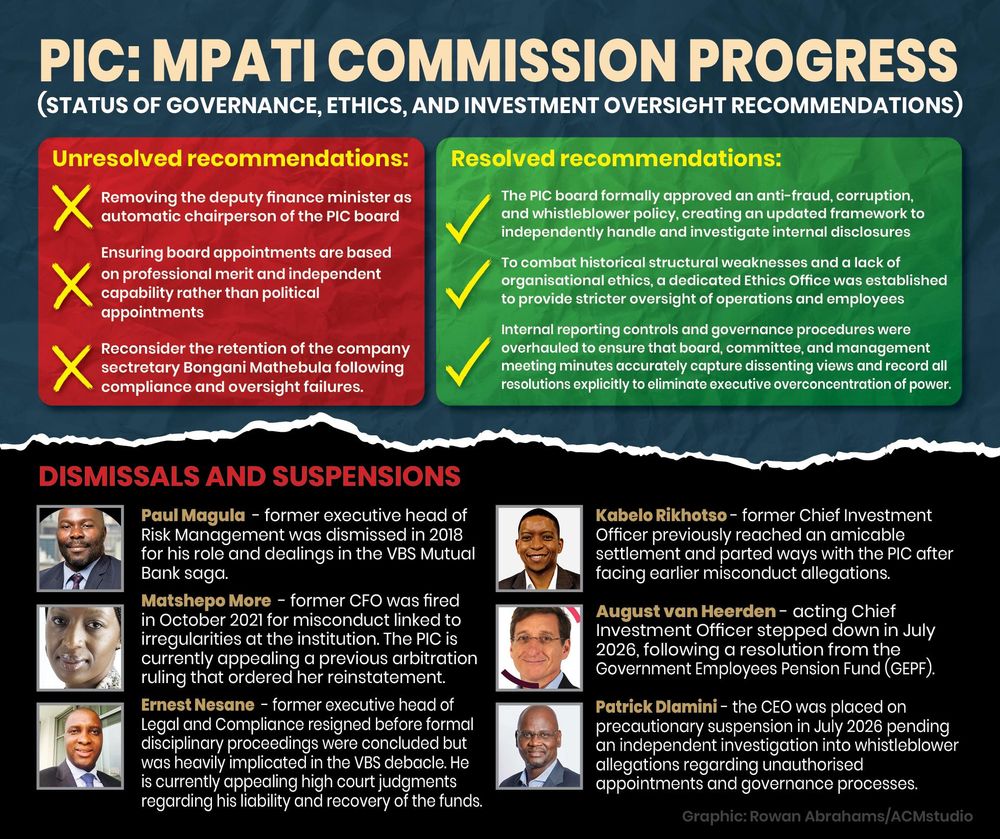
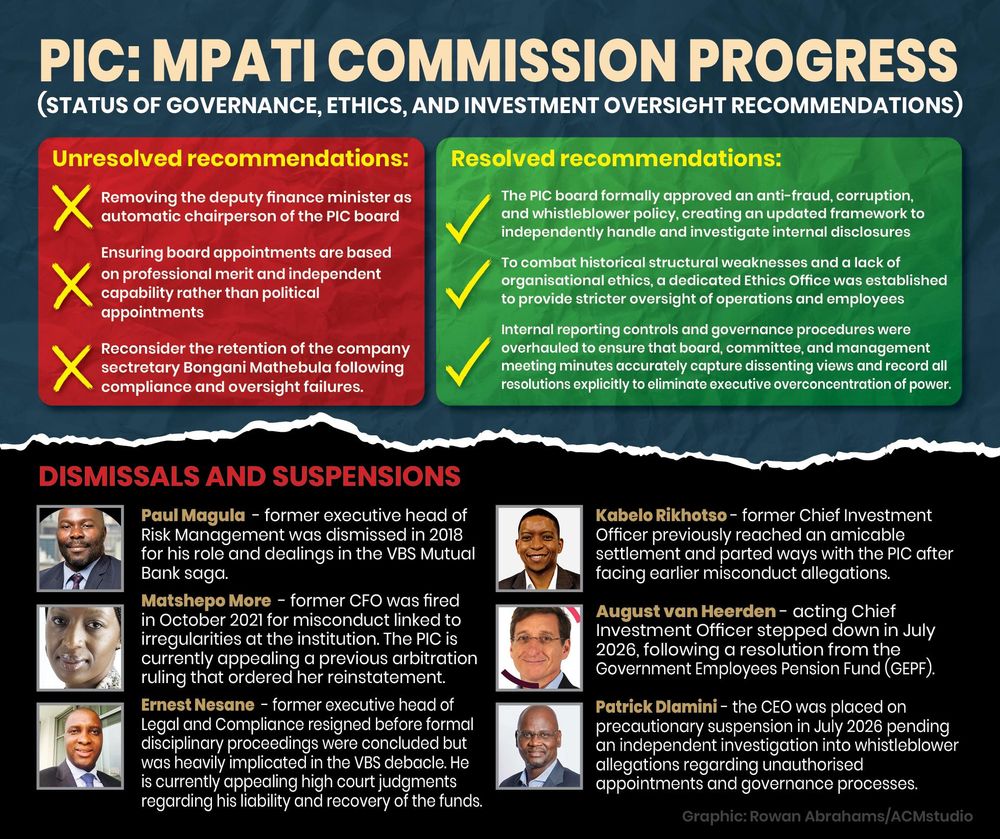
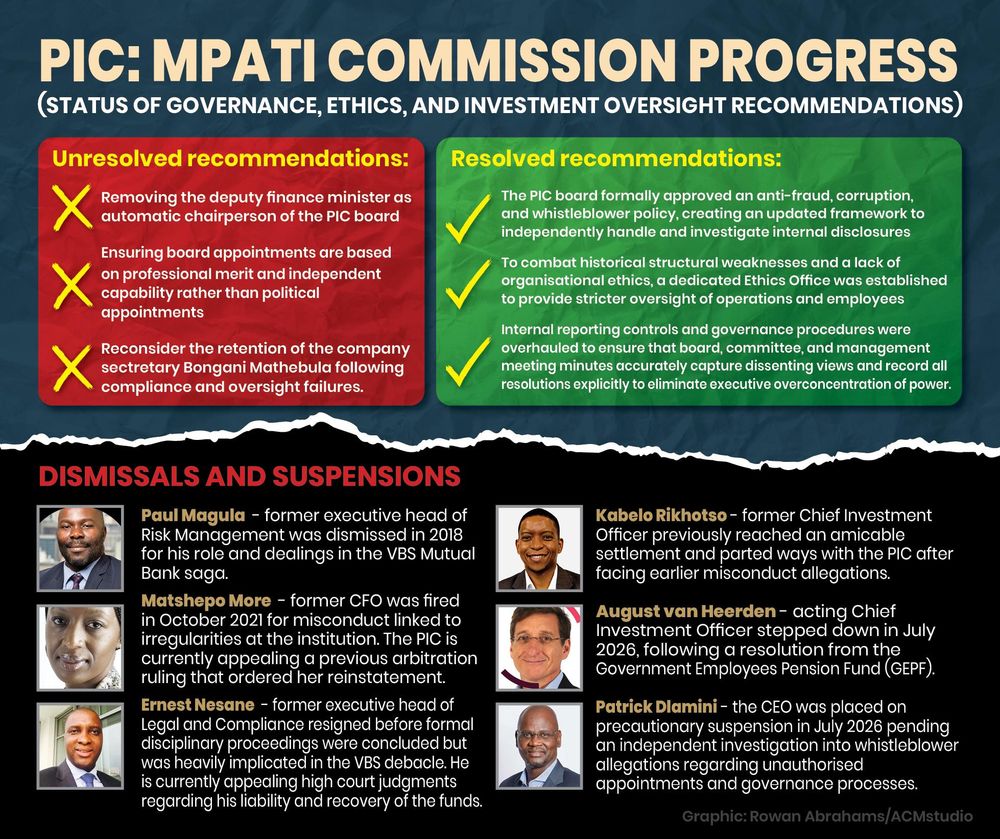
The recent debate surrounding the PIC’s Isibaya Fund has again placed the institution under intense public scrutiny. Headlines highlighting about R18.2bn in investments that recorded an internal rate of return of -100% have understandably raised concerns among pensioners, policymakers and the broader public.Those concerns are legitimate.The PIC manages about R3.7-trillion on behalf of public sector clients, including the Government Employees Pension Fund. Every investment made with pension savings must withstand the highest standards of governance, due diligence and accountability. Where investments fail, there should be transparency and, where appropriate, consequences.Yet good public policy demands more than identifying failures. It requires understanding what those failures tell us and, equally importantly, what they do not.The current debate risks judging a two-decade developmental investment portfolio almost entirely through the lens of its worst-performing investments. While those investments deserve scrutiny, they do not, on their own, provide a complete assessment of the portfolio or the institution responsible for managing it.The more meaningful question is this: what do the numbers tell us about the PIC today?Perhaps the most revealing aspect of the current debate is not the size of the losses, but when they originated.Approval PeriodValue of Major Failed InvestmentsPre-Mpati commissionR18.65 billionPost-Mpati commissionR667 millionTotalR19.32 billionAbout 96.5% of the value of the largest failed investments originated from transactions approved before the governance reforms that followed the Mpati commission. Only about 3.5% relates to investments approved after that reform period began. This does not excuse the losses. Nor does it lessen the need for accountability. It does, however, fundamentally change the nature of the debate.The public is largely evaluating the consequences of decisions taken during a period already characterised by the Mpati commission as one of weak governance, inadequate oversight and deficiencies in investment processes.The more relevant policy question is therefore not simply how much was lost. It is whether the reforms introduced since then have strengthened the institution and reduced the probability of similar outcomes.Another important distinction often overlooked is the nature of developmental finance itself. The Isibaya Fund was not established to mirror a conventional listed equity portfolio. Its mandate includes financing infrastructure, industrialisation, affordable housing, renewable energy, healthcare, transformation and enterprise development, areas that frequently require patient capital and carry higher levels of investment risk than traditional listed investments.This is true of development finance institutions around the world. The measure of success is therefore not whether every investment succeeds. Rather, it is whether the portfolio, taken as a whole, generates sustainable financial returns while advancing broader developmental objectives. Professional investors understand that private equity and developmental portfolios are expected to contain exceptional successes and significant failures.The relevant question is whether the successful investments generate sufficient value to offset inevitable losses.While much attention has been given to failed investments, considerably less attention has been paid to the broader performance of the portfolio.Portfolio IndicatorValueMajor failed investmentsR19.3 billionTop 10 value-creating investmentsR51.9 billionTop 20 investments by valueR67.6 billionDistributions from top 20 investmentsR28.5 billionRepayments since inceptionR96 billionTotal portfolio value since inceptionR165 billionThese figures do not erase the losses. They do, however, demonstrate why focusing exclusively on failed investments provides only a partial assessment of the portfolio.For every R1 represented by the largest failed investments, the portfolio’s 10 largest value-generating investments account for about R2.70 in value. That is not a defence of poor investments. It is an illustration of how portfolio analysis differs from analysing individual transactions.Has the institution improved?Ultimately, this is the question that matters most. The Mpati commission did more than expose governance failures. It prompted fundamental reforms to governance structures, investment approval processes, due diligence standards and oversight mechanisms. Any fair assessment of the PIC should therefore examine whether those reforms have translated into improved institutional performance.There are encouraging indicators.IndicatorPositionUnlisted portfolio value (2016)R45 billionUnlisted portfolio value (2025)R70 billionRecoveries from distressed investmentsR10 billionTotal repayments since inceptionR96 billionThese indicators do not prove that every investment made since the reforms has been successful. Nor do they suggest that scrutiny should diminish.Rather, they suggest that the institution should increasingly be assessed on its current governance framework and investment discipline, rather than solely on decisions taken during a period already subjected to judicial scrutiny.South Africa is not unique. Development finance institutions around the world have experienced significant investment failures while continuing to fulfil their mandates successfully.In the US, the collapse of Solyndra became the defining headline of a government clean-energy financing programme. Yet the same programme also supported companies such as Tesla and contributed to building one of the world’s largest clean-energy industries.There should be no disagreement that failed investments warrant investigation. There should be no disagreement that accountability is essential.But accountability should also be evidence-based.The available data suggests that the overwhelming majority of the largest losses originated during a period of acknowledged governance weakness. It also suggests that the broader portfolio continues to generate value, repayments and developmental impact.The debate should therefore evolve.Rather than asking only how much was lost, South Africans should also ask, “Have governance reforms reduced investment risk? Is the institution making better decisions today than it did a decade ago? Is the portfolio, viewed in its entirety, delivering value for beneficiaries and the economy?”Those are the questions that matter to pensioners. They matter to investors. And they matter to anyone interested in building strong public institutions. The R18bn headline is an important part of the story. It is simply not the whole story.Mofokeng is a community outreach officer in the office of the deputy minister of finance