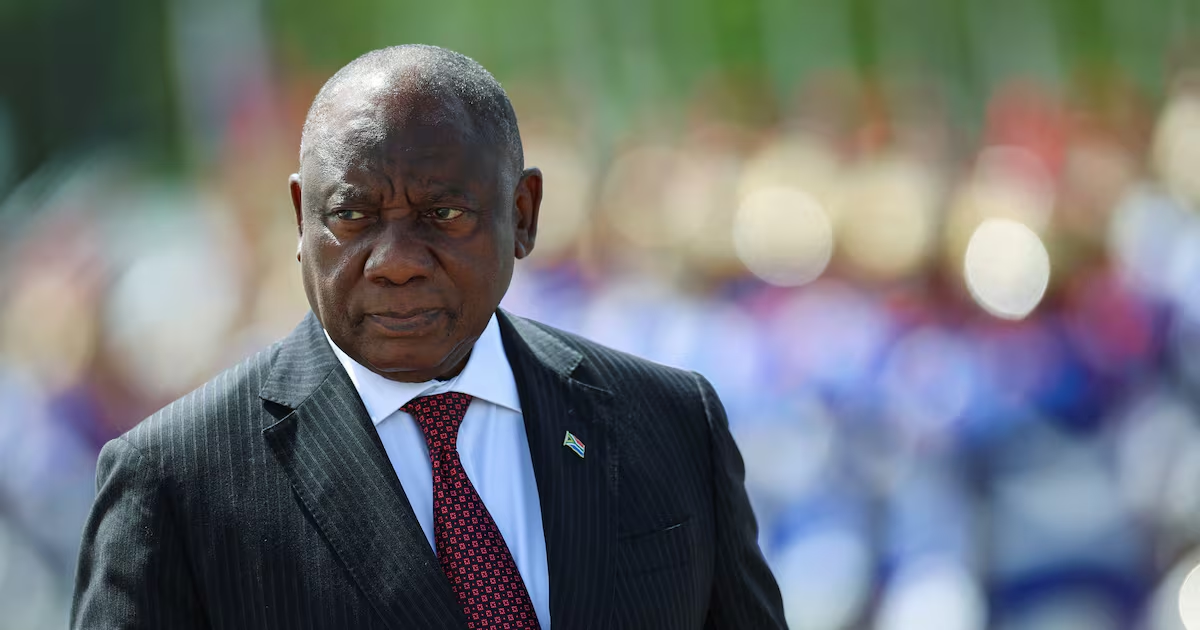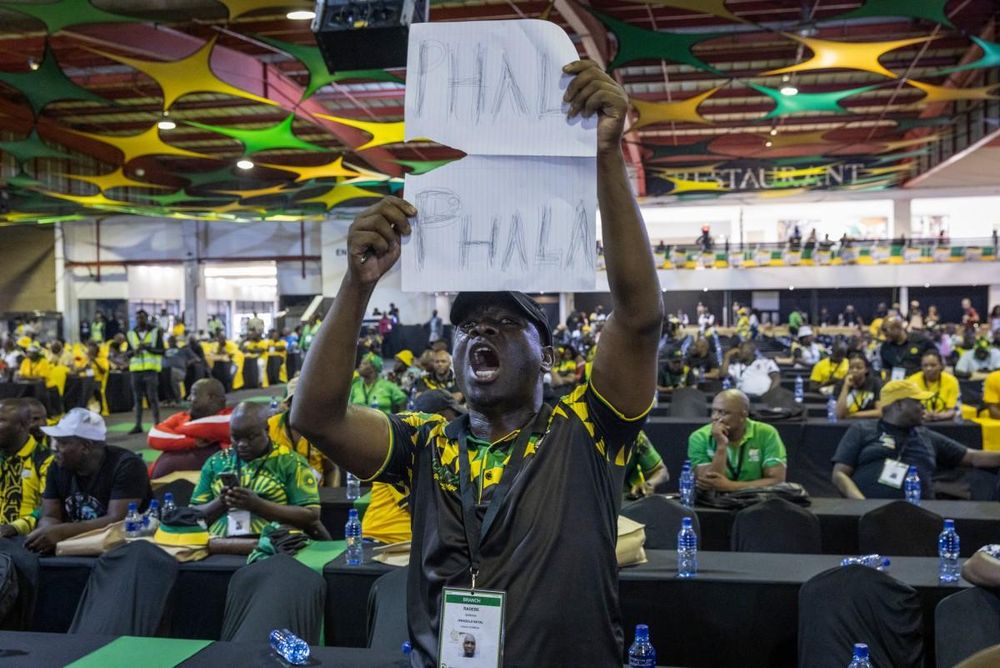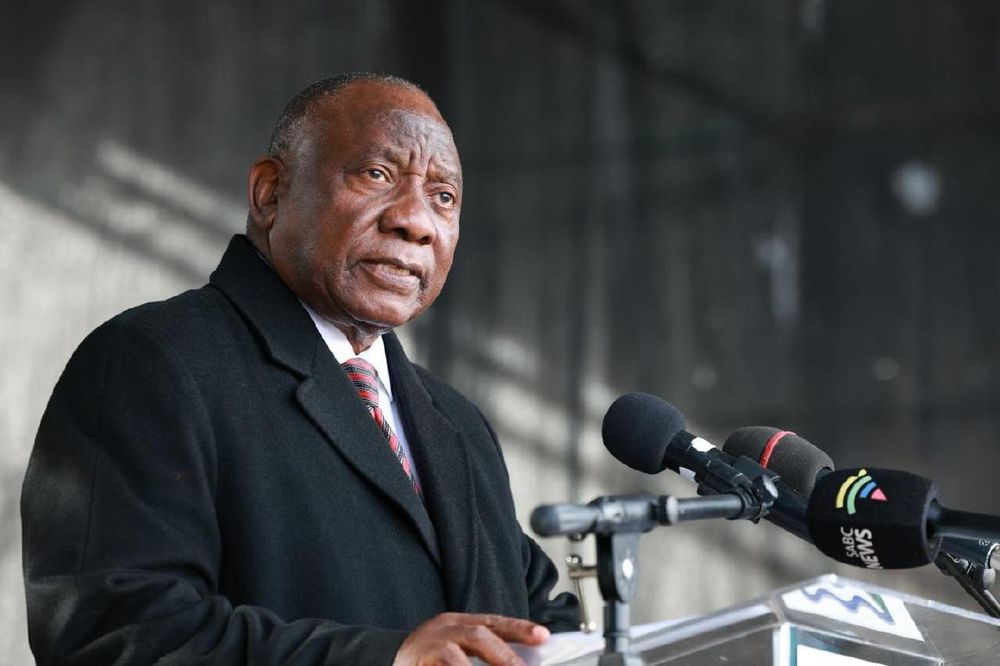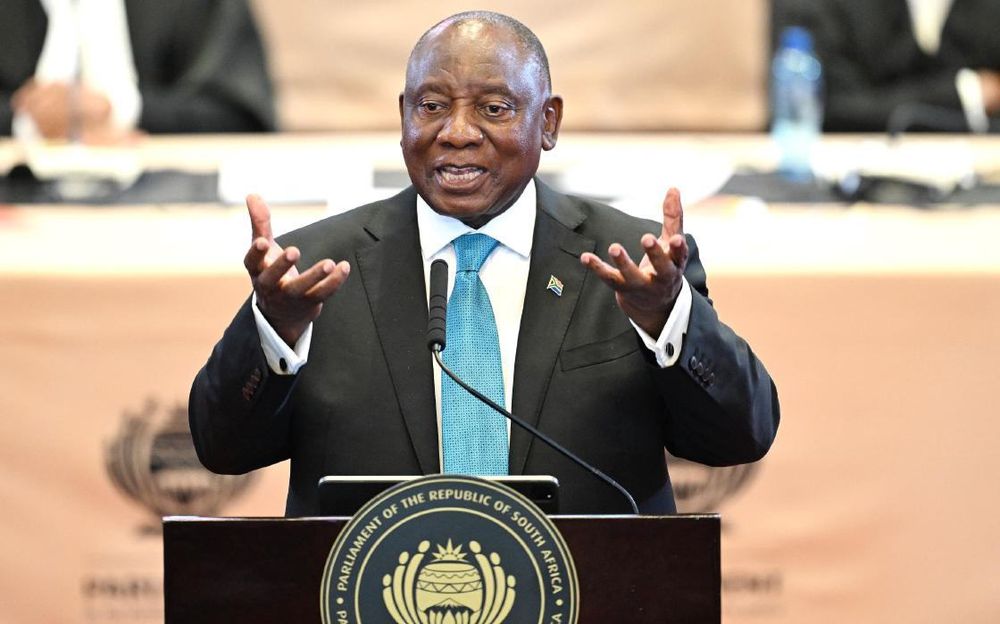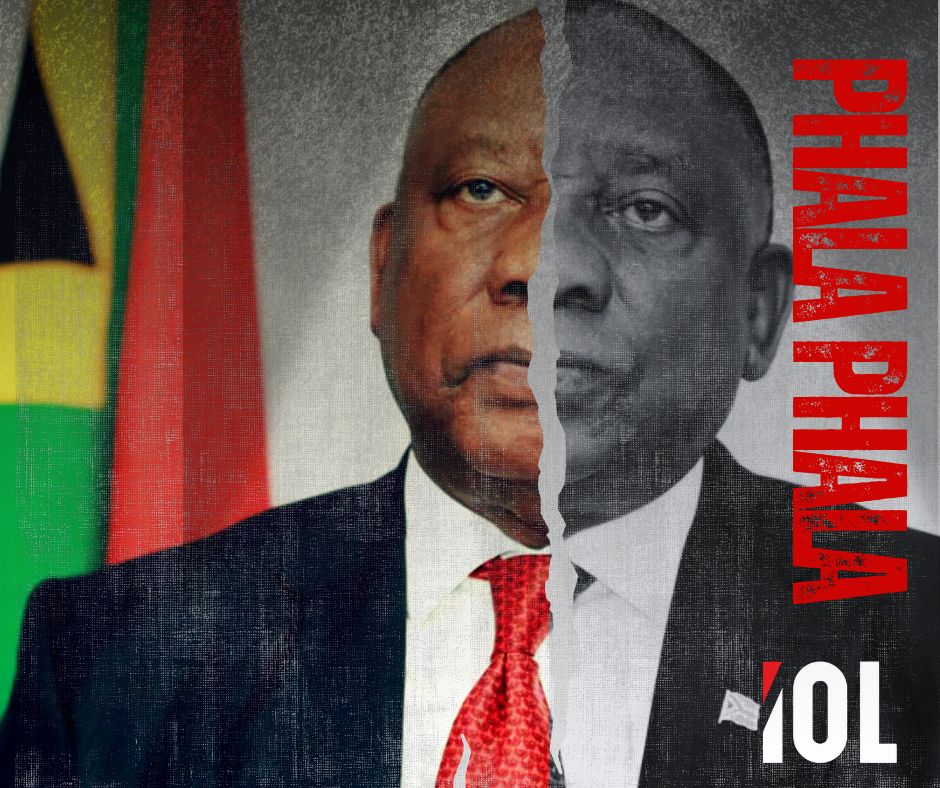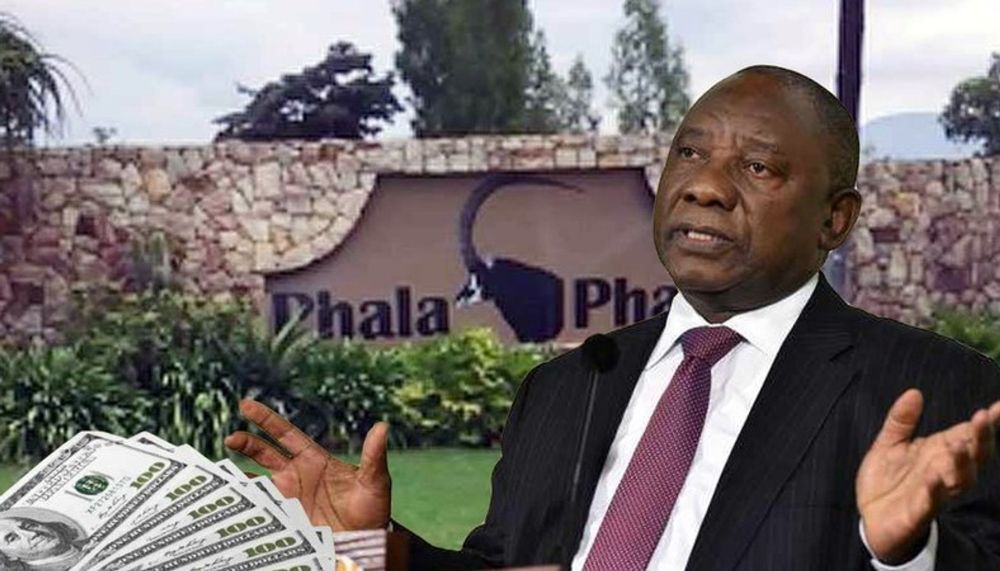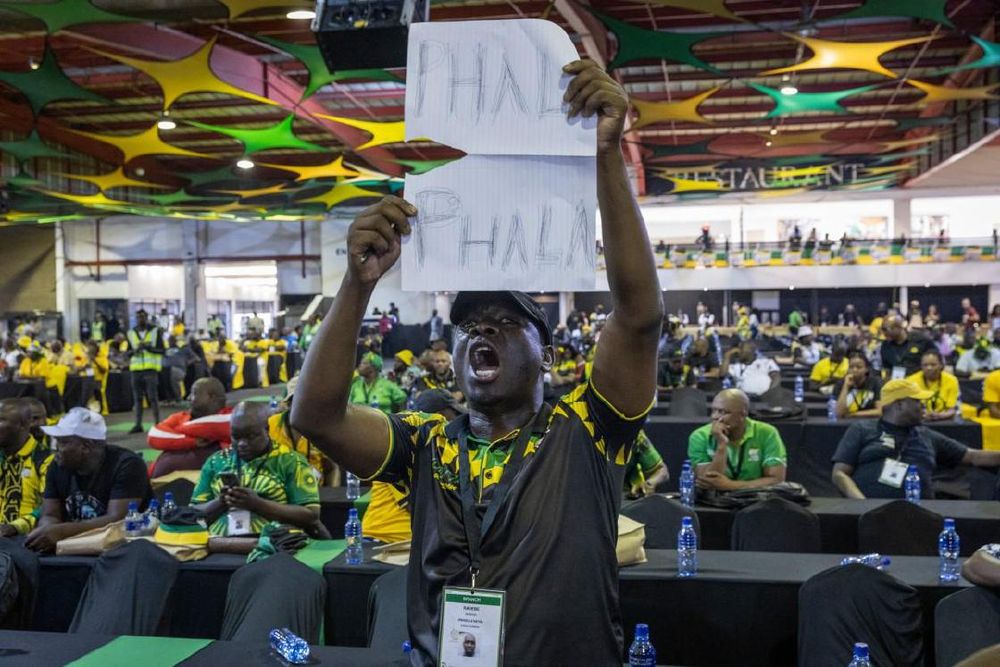
A DELEGATE holds a sign reading ‘Phala Phala’, referring to a theft that happened at President Cyril Ramaphosa’s farm with the same name, during the 55th National Conference of the ANC at NASREC in Johannesburg on December 16, 2022. President Cyril Ramaphosa’s Stalingrad tactics do not augur well for his political legacy. Importantly, he is delaying the inevitable, says the writer.
Prof. Bheki Mngomezulu
The Phala Phala saga is like a chronic disease. Like a cat, it has nine lives. When one thinks that it is over, it resurrects and creates even more confusion. Intriguingly, the protagonist in this narrative is the president of the country.
According to chapter 5, section 83 of the constitution of South Africa, the sitting president has three clearly defined roles: (a) is the Head of State and head of the national executive; (b) must uphold, defend and respect the constitution as the supreme law of the Republic; and (c) promotes the unity of the nation and that which will advance the Republic.
If these are the expected functions of the president, to what extent has the Phala Phala matter assisted Ramaphosa in abiding by these prescripts? For example, have his actions since the Phala Phala saga surfaced assisted him in upholding the requirements of his office? If not, what kind of legacy will he bequeath to his successors? Importantly, what picture does this incident paint about South Africa as a country?