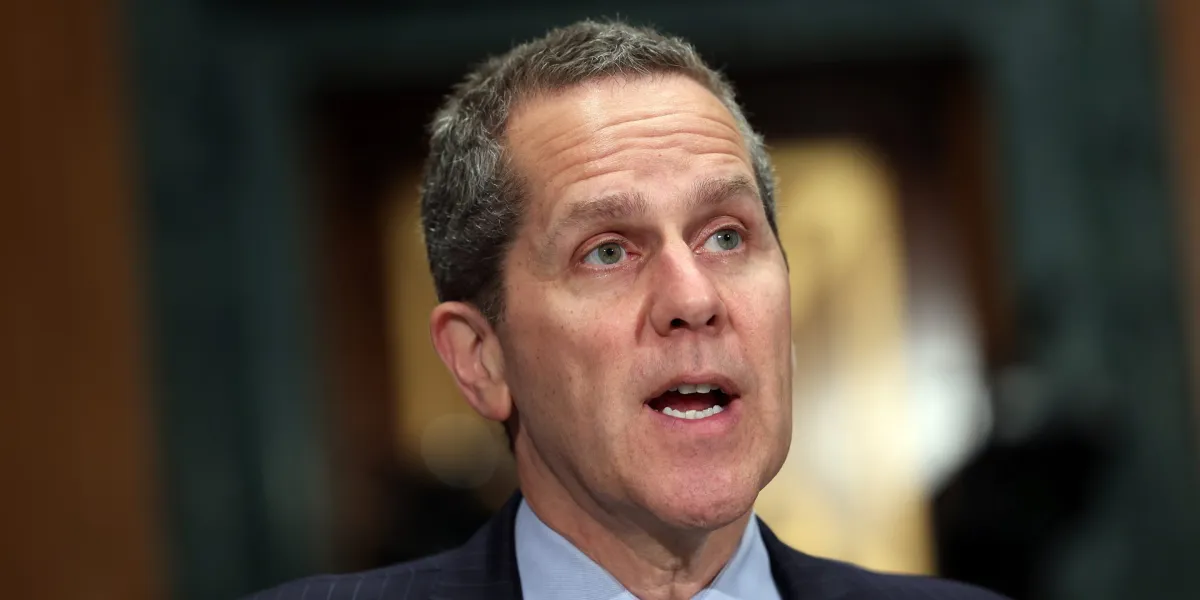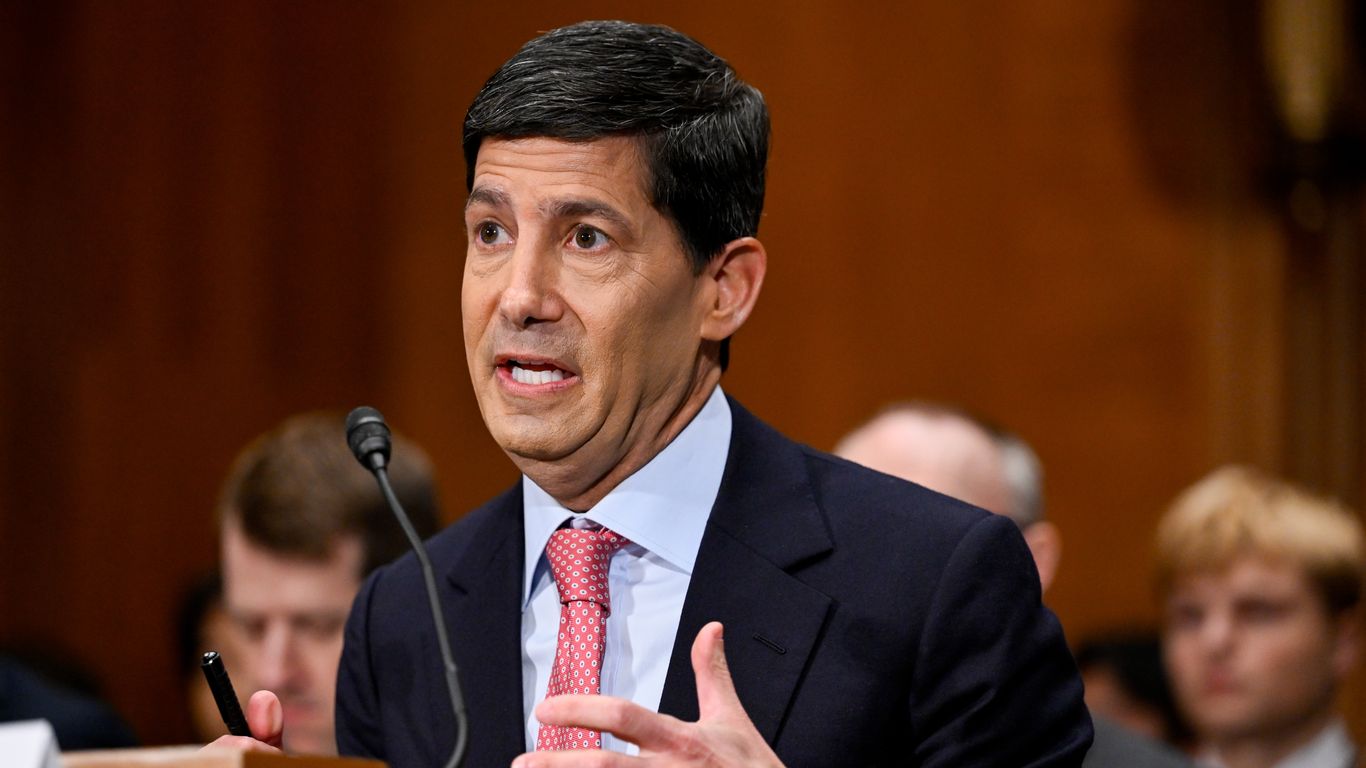
The Federal Reserve’s Michael Barr has a message for anyone expecting AI to lift all boats equally: don’t hold your breath.
In a speech titled “Artificial Intelligence and the Economy” delivered on February 17, 2026, the Vice Chair for Supervision argued that while AI stands to meaningfully boost productivity, the gains are likely to cluster among firms and workers who already have access to advanced tools.
The productivity promise, with a catch
He cited aggregate estimates suggesting AI could add between 0.3 and 0.9 percentage points to annual total factor productivity growth over the next decade.
Studies he referenced show that AI assistants can enhance worker efficiency, speed, and accuracy across a range of tasks. But those benefits accrue to people who actually have access to advanced AI systems, which increasingly means well-resourced companies with the budgets to deploy enterprise-grade tools and retrain their workforces accordingly.