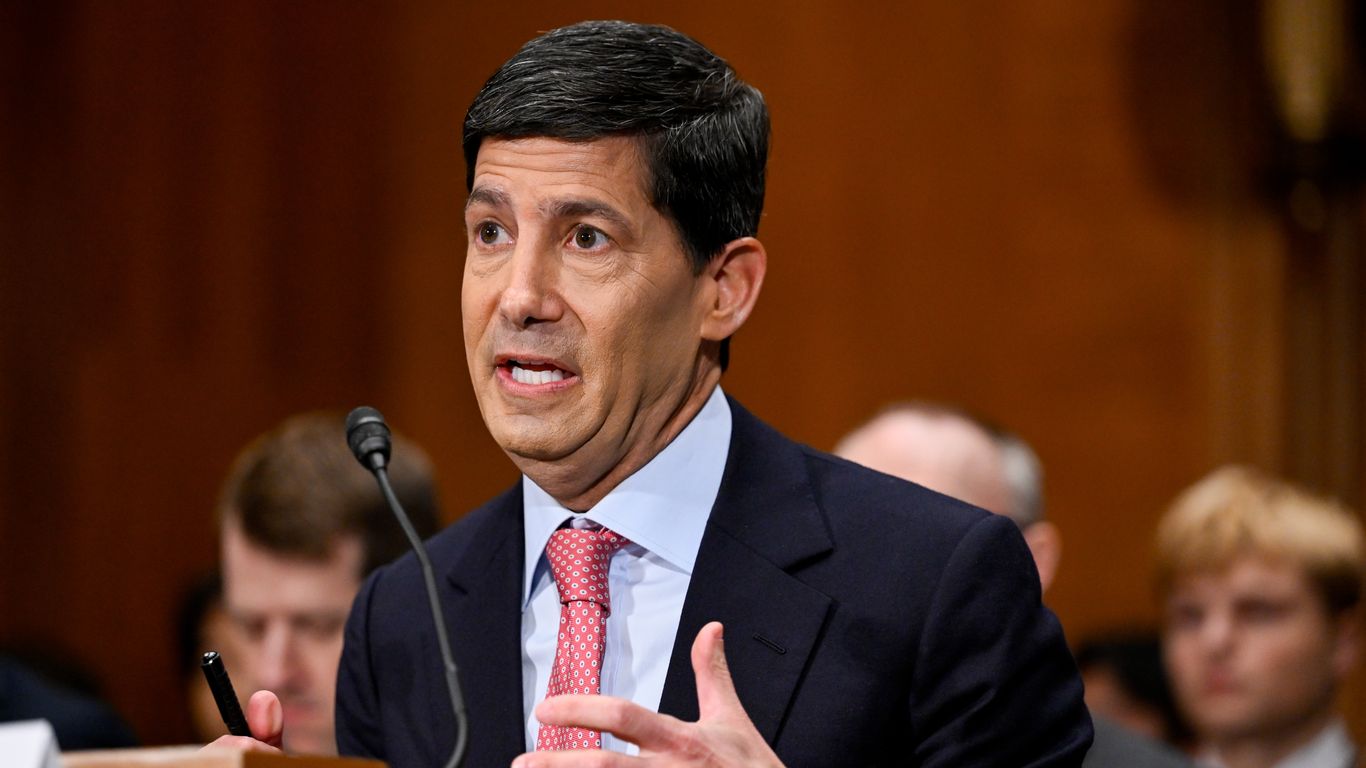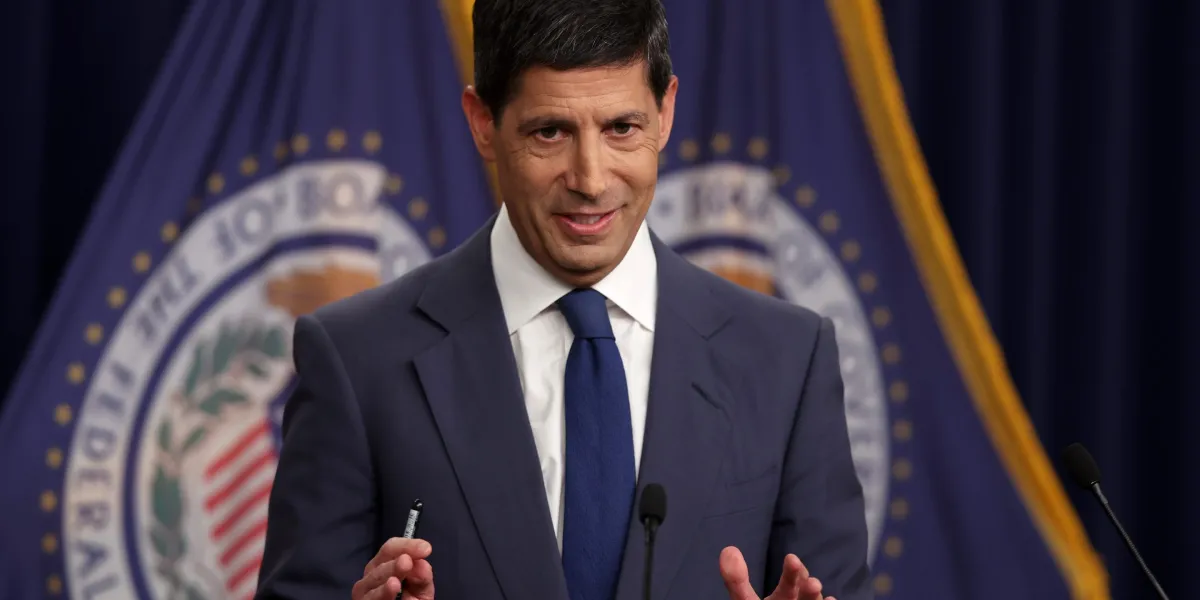
Federal Reserve Vice Chair Philip Jefferson told a Brookings Institution audience on February 6 that artificial intelligence is simultaneously reshaping both sides of the economic equation, boosting aggregate supply through productivity while supercharging demand through a wave of capital spending on data centers, chips, and energy infrastructure.
The problem, as Jefferson sees it: the demand part is showing up right now, and the productivity part is mostly still a promise. That sequencing matters a lot when you’re a central banker trying to keep inflation in check.
The demand-before-supply problem
Jefferson’s argument boils down to a timing mismatch. AI-related capital expenditures are generating real, measurable demand across multiple sectors right now. Construction labor is being absorbed. Chip orders are surging. Energy grids are being stressed.
That mismatch, Jefferson cautioned, could exert upward pressure on inflation if monetary policy doesn’t account for it. Long-term, widespread AI adoption should be disinflationary as businesses produce more with less. But in the interim, the capital spending binge looks a lot like a traditional demand shock.