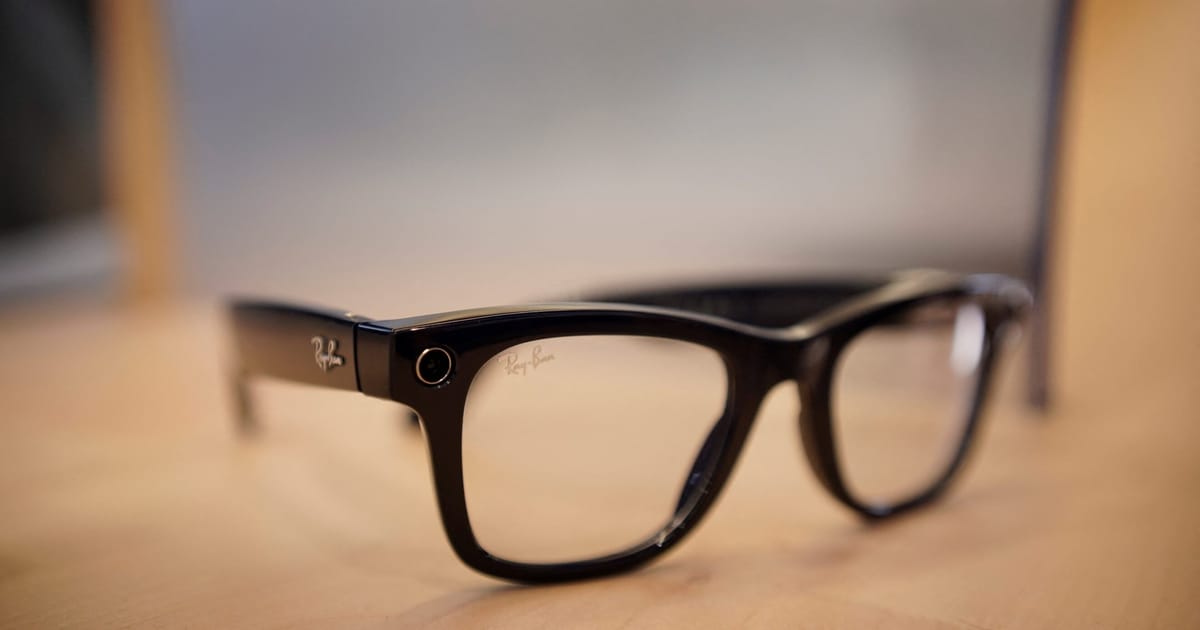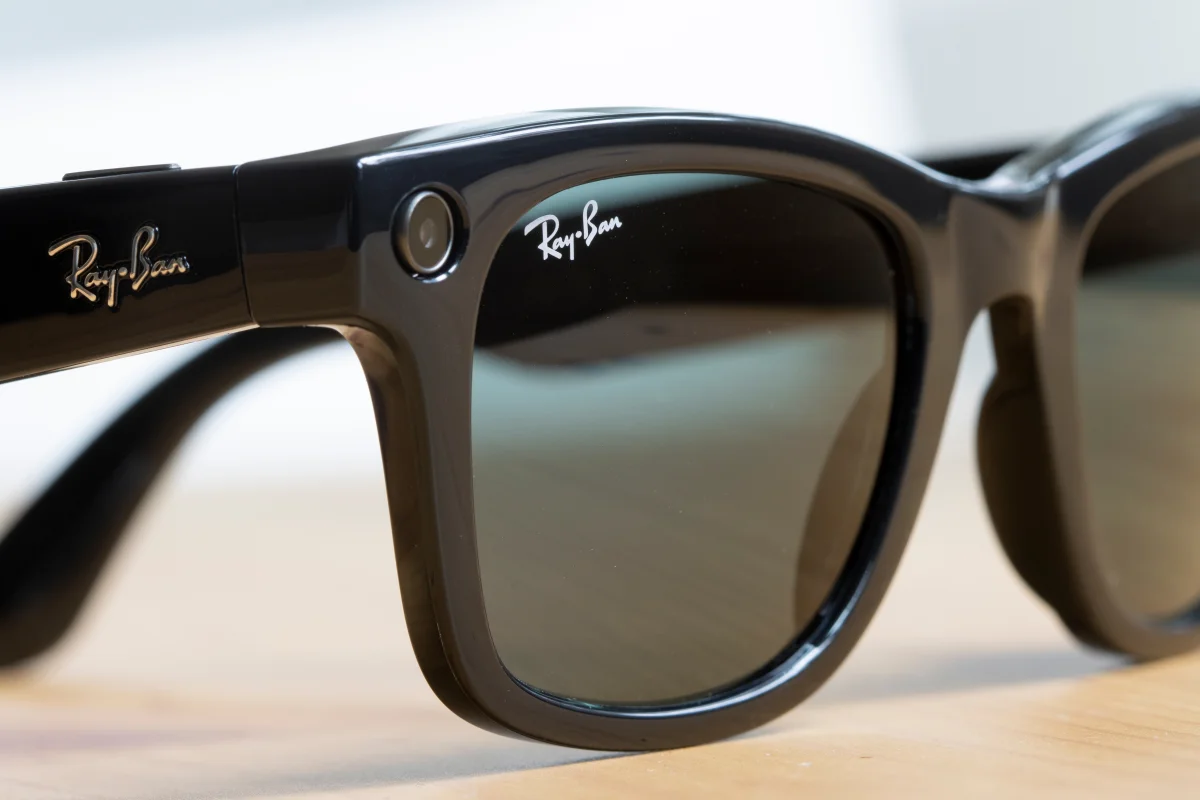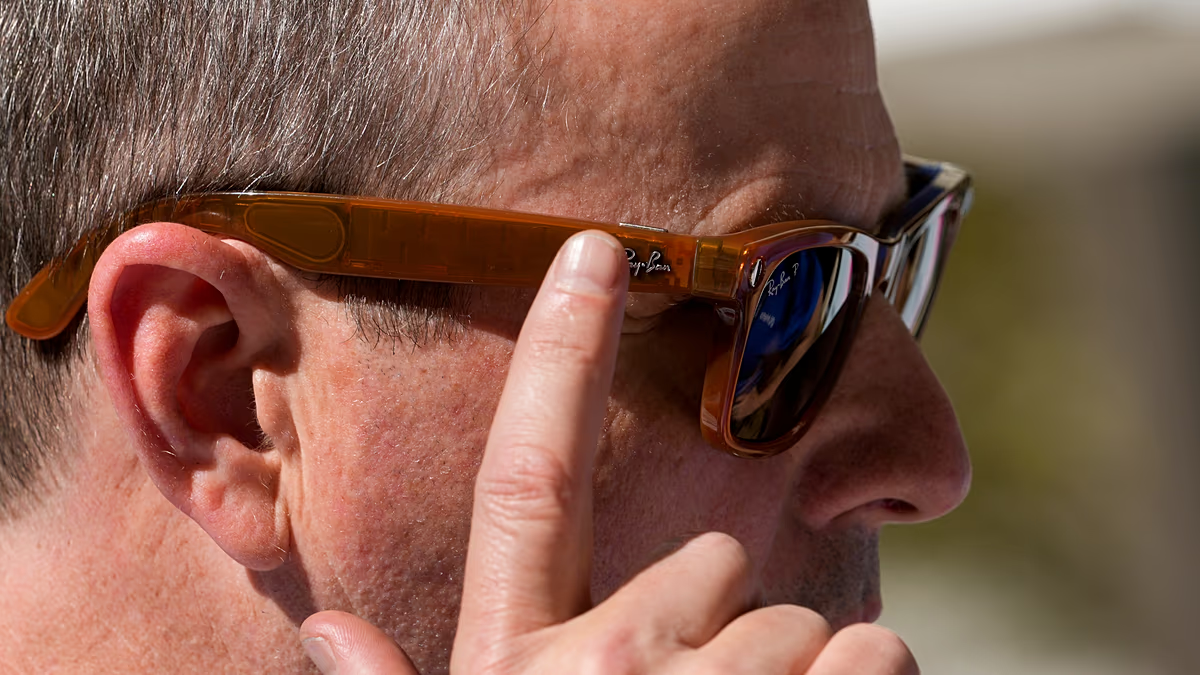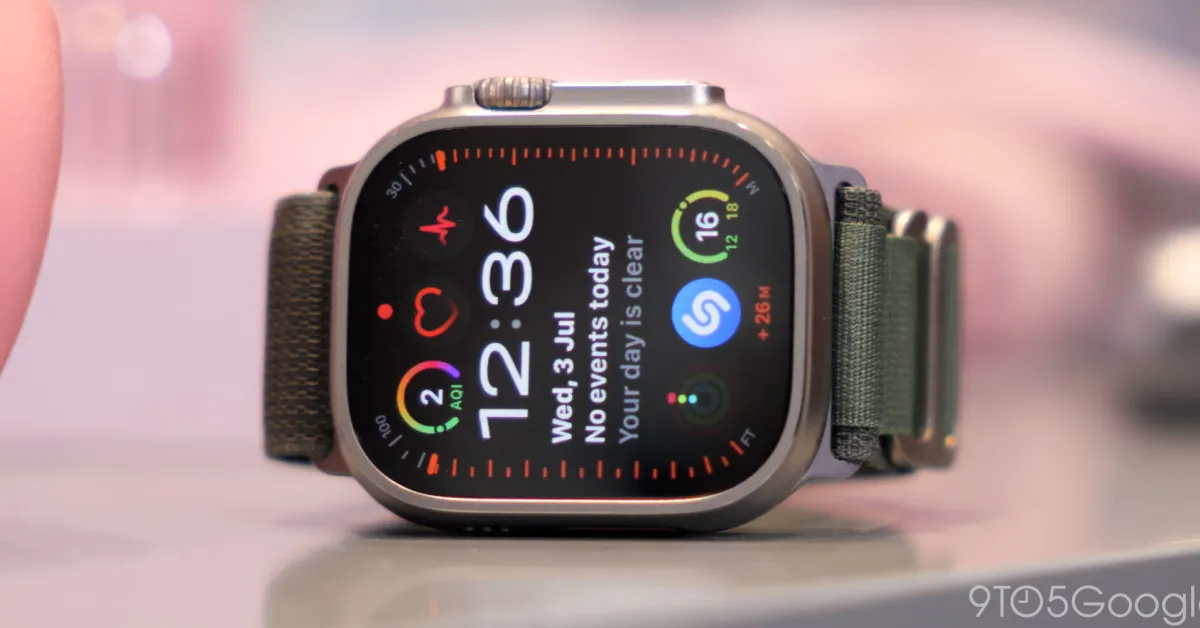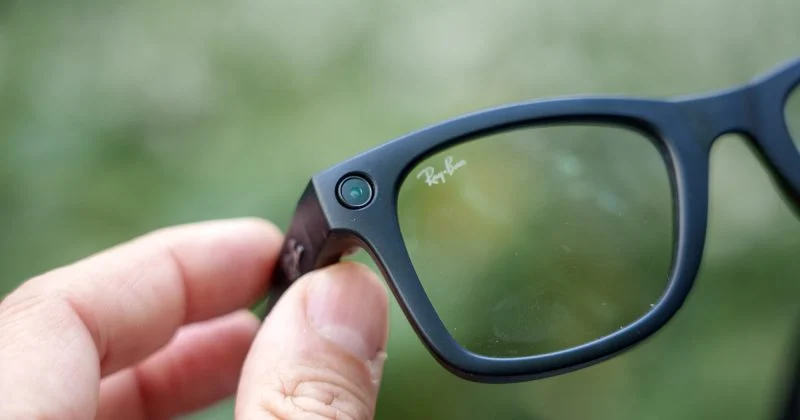
The European Commission just blinked. On Tuesday, EU regulators exempted wearable technology from rules requiring user-removable batteries, effectively clearing Meta’s Ray-Ban smart glasses for sale across Europe. The decision came after months of diplomatic pressure from Washington, a reminder that trade leverage still outweighs regulatory purity when billions of dollars in market access are on the line.
The EU Batteries Regulation, set to take full effect by February 18, 2027, mandates that consumer devices ship with batteries users can remove and replace themselves. Meta’s latest smart glasses, built in collaboration with EssilorLuxottica, feature integrated batteries that cannot be easily swapped out, making them non-compliant with the incoming rules and effectively stalling their European launch even as the product debuted in the US market in September 2025.
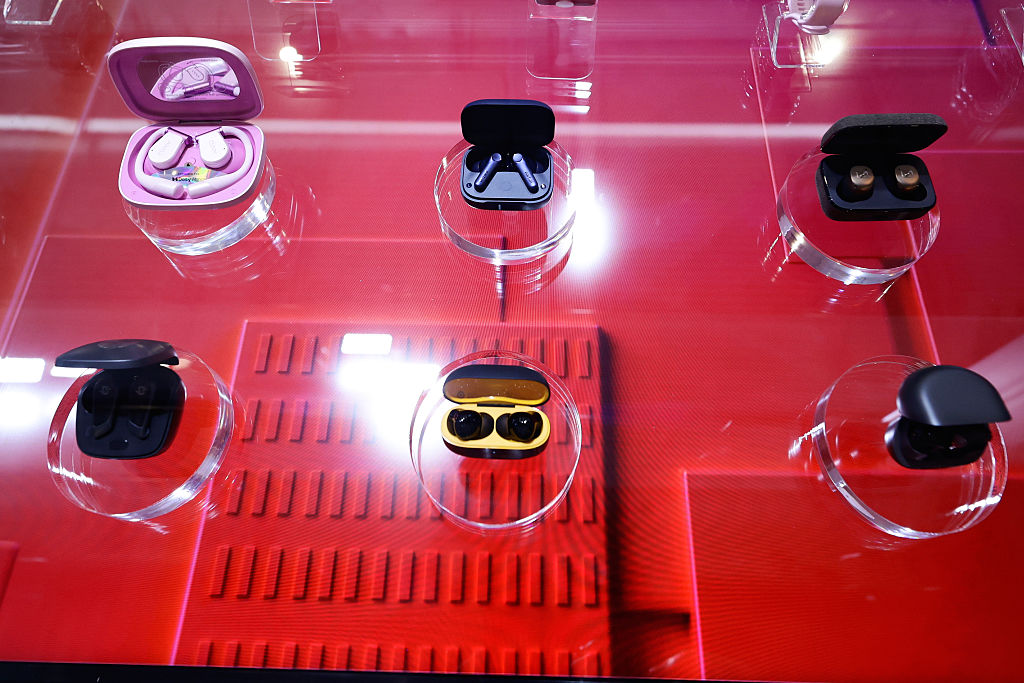
Enter US Ambassador to the EU Andrew Puzder, who publicly criticized the regulation back in March 2026. His argument was straightforward: the glasses are a joint product between American and European companies, and the battery rule was acting as a de facto trade barrier. The Commission apparently agreed. The exemption, reported on July 14, 2026, creates a carve-out for wearables broadly, meaning other manufacturers in the smart glasses and hearables space can breathe easier too.