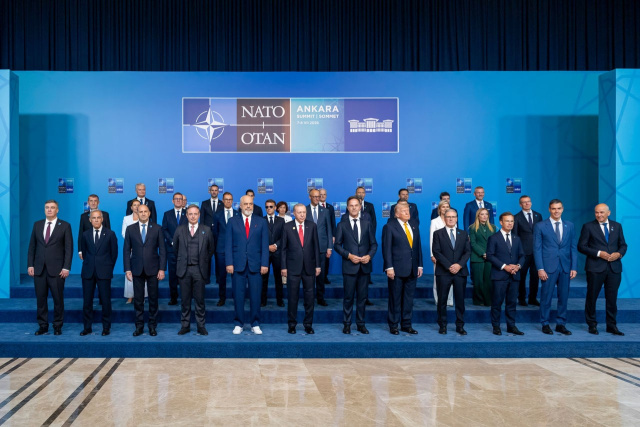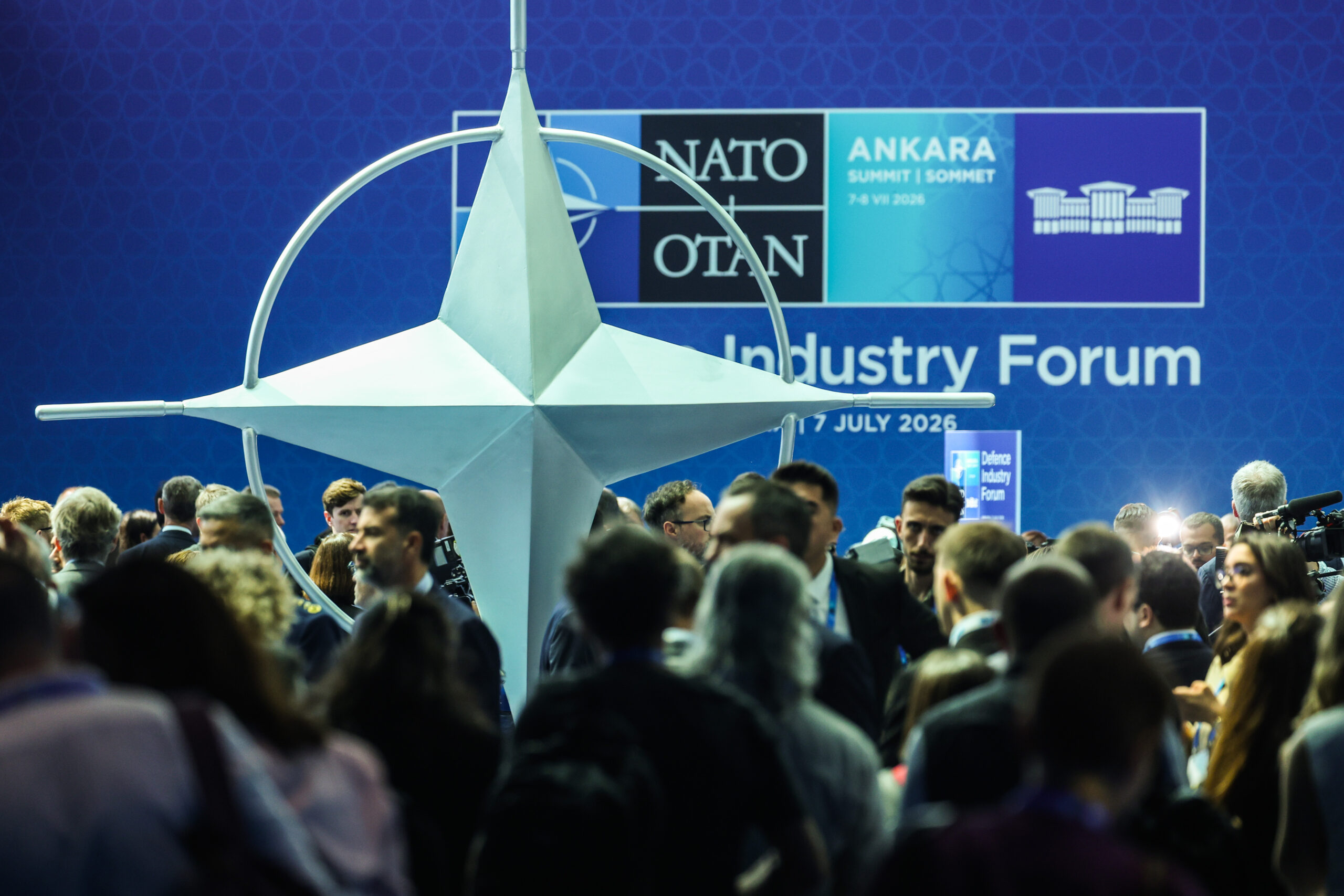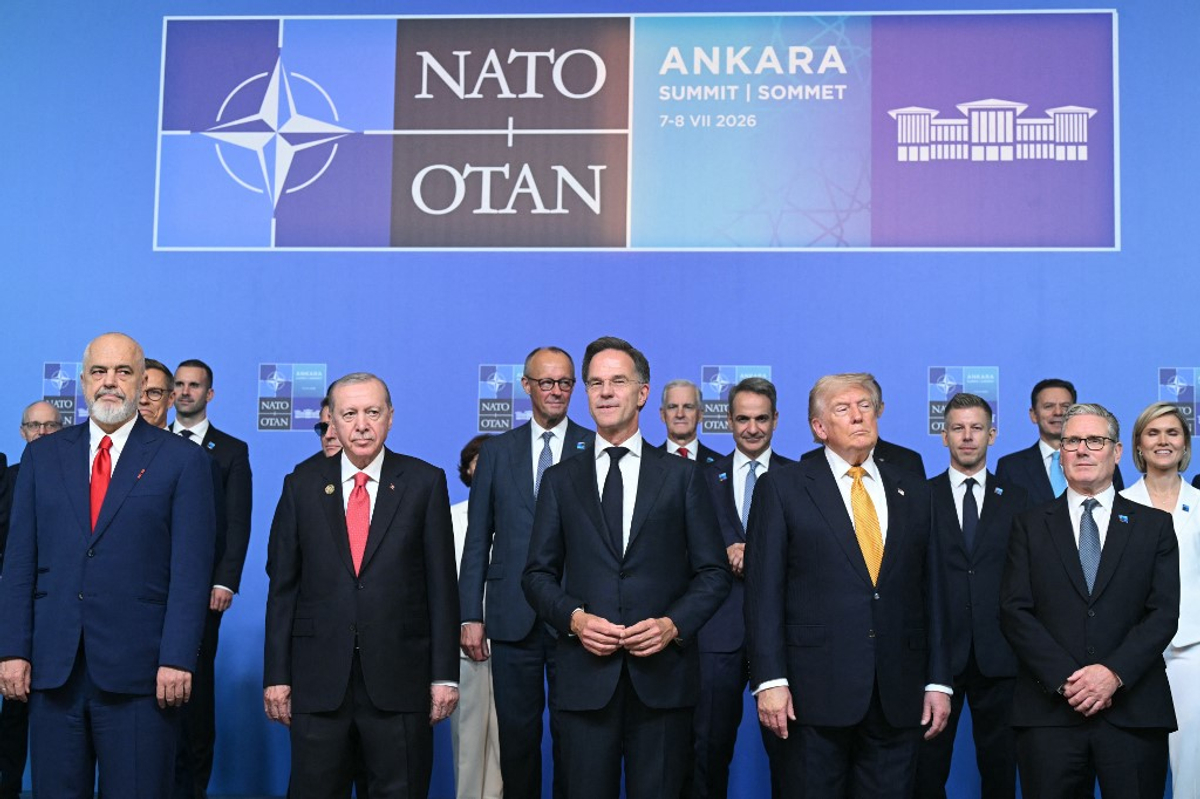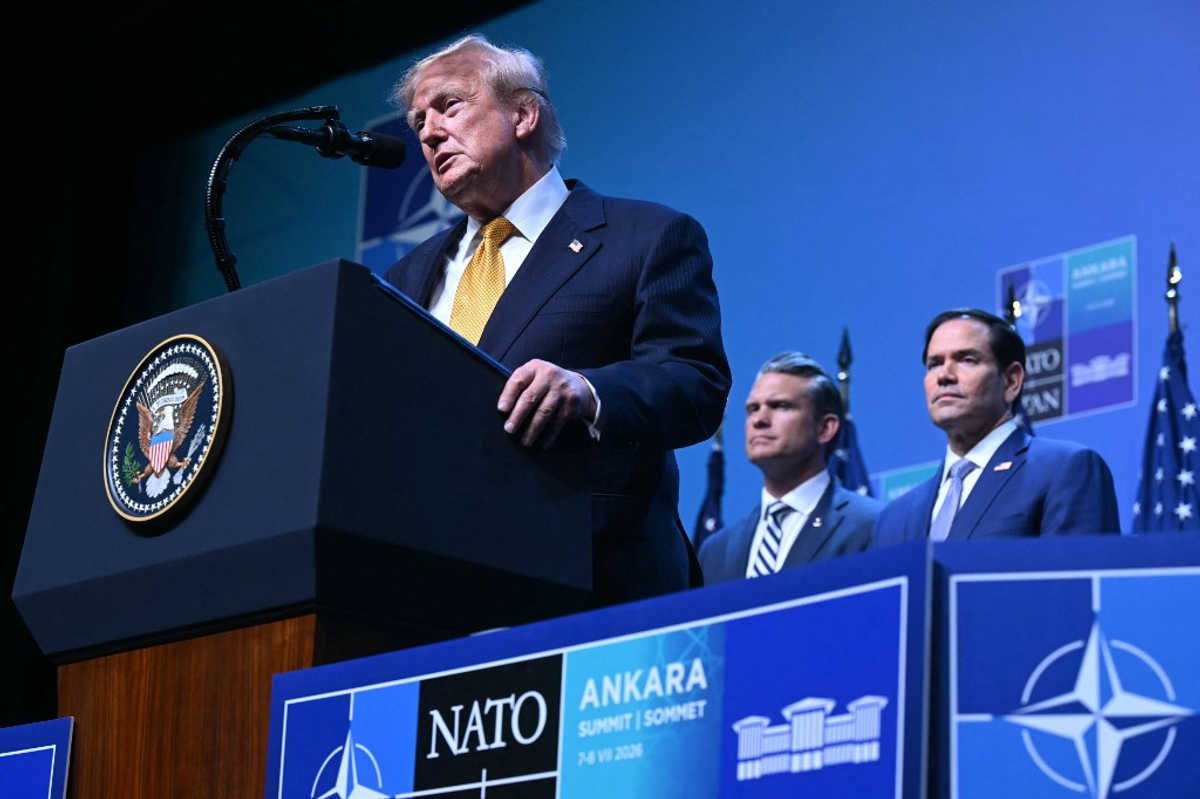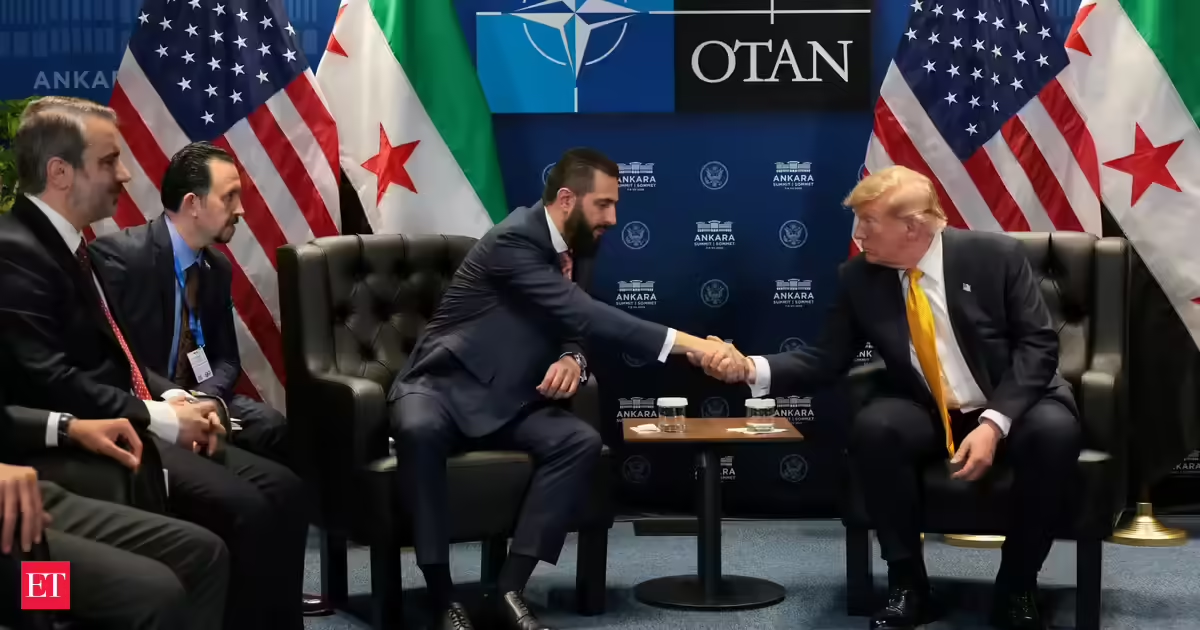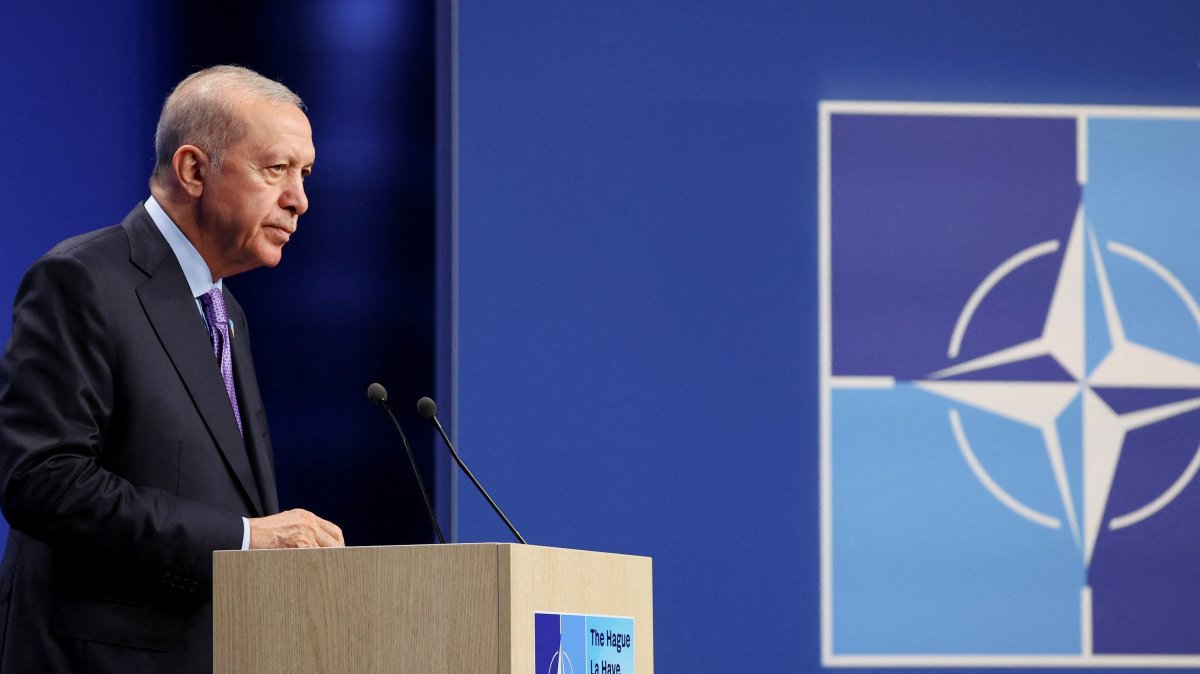
The NATO summit in Ankara was largely focused on how European allies would respond to what many see as more hesitant US support for the alliance.For all the latest headlines, follow our Google News channel online or via the app.The summit was partially overshadowed by military activity in and around the Strait of Hormuz.Overall, NATO members remained concerned about the strength of the US commitment to the alliance. While there was no major confrontation, European member states were also uneasy over US President Donald Trump’s renewed claims on Greenland.Perhaps even more concerning for European allies is that, during Trump’s first administration, the president appeared relatively isolated in questioning the extent of US engagement with NATO. This time, several senior figures in his administration, including Secretary of Defense Pete Hegseth, have also pushed for European allies to assume greater responsibility for their own defense.There is a growing recognition in Europe that the continent can no longer “outsource” its defense to the United States as it largely did between the collapse of the Soviet Union and the outbreak of the war in Ukraine.NATO allies have committed to investing 5 percent of GDP annually in defense and defense-related priorities by 2035. This includes at least 3.5 percent for core defense requirements and up to 1.5 percent for areas such as critical infrastructure, resilience and industrial capacity.Announced US force reductions and an ongoing review of the American military presence in Europe have further heightened the sense of urgency.An Atlantic Council analysis described the defense industry as NATO’s “honorary thirty-third member” during the summit week. Indeed, the NATO Summit Defense Industry Forum was again held in conjunction with the summit, underscoring the growing importance the alliance places on expanding defense production and industrial cooperation.On July 8, NATO also endorsed its Strategy for Industry-NATO Cooperation.The US military-industrial complex is a well-established framework. NATO has also cooperated with the defense industry for years through procurement agencies, industry forums, innovation initiatives and defense production programs. However, the new strategy represents an effort to deepen and systematize that cooperation across the alliance.This is a sign that NATO members understand the need to contribute more substantially to their own defense capabilities and that the era in which they could rely almost unequivocally on the United States for their security is increasingly consigned to history.The war in Ukraine and the conflict involving the United States, Israel and Iran have also shown that military stockpiles can be depleted faster than anticipated. This has made it increasingly important for the European defense industry to expand production and respond to growing demand.Approximately $50 billion in defense procurement agreements and initiatives involving companies including Lockheed Martin, Rheinmetall and Saab were announced during the summit.The war in Ukraine was front and center in the deliberations. President Trump said the United States would grant Ukraine a license to manufacture Patriot air-defense systems. However, experts have warned that establishing the required production capacity could take years.Overall, the summit proceeded smoothly and avoided major confrontations. NATO is expected to hold its next summit in Albania in 2027.All of the above, while important, may appear less immediately relevant when looking at the summit from a regional Middle East and North Africa perspective. It is therefore worthwhile examining the position of Turkey, which hosted the gathering.Turkey hosted a NATO summit for the first time since the 2004 gathering in Istanbul, while Ankara hosted the event for the first time.The country emerged from the summit in a stronger position, both from a defense and a diplomatic perspective.Turkey stands at the crossroads of Europe, the Middle East, the Black Sea and Central Asia. It has NATO’s second-largest military and is widely regarded as a strategically important member on the alliance’s southeastern flank.The war in Ukraine matters greatly to both Europe and the United States. Turkey has supported Ukraine within the NATO framework while maintaining a strong working relationship with Russia.Ankara’s ability to engage both Moscow and Kyiv helped Turkey, alongside the United Nations, broker the Black Sea Grain Initiative. The agreement facilitated Ukrainian food exports, while parallel efforts sought to ease obstacles affecting Russian food and fertilizer exports, particularly to developing countries.While Turkey’s purchase of Russia’s S-400 air-defense system caused a major dispute with Washington during Trump’s first administration, the Ankara summit appeared to reopen a possible path for Turkey to acquire F-35 fighter jets.Trump said he intended to lift sanctions imposed over the S-400 purchase and signaled openness to a future F-35 sale, although significant legal and congressional hurdles may remain.Ankara is also considering the US MIM-104 Patriot and the Franco-Italian SAMP/T systems as possible components of its planned Steel Dome air and missile-defense network.Turkey has developed a formidable defense industry, with strong prospects in both Western and Middle Eastern markets as governments continue to invest in strengthening their security and defense capabilities.Looking ahead, NATO must recognize that Turkey, while a member of the alliance, is also an integral part of the Middle East and the wider region.It occupies a strategic position linking Europe, the Middle East, the Black Sea and the Caucasus. Turkey shares borders with Iran, Iraq, Syria, Greece, Bulgaria, Georgia, Armenia and Azerbaijan, while maintaining close historical, political and economic ties with Russia and the countries of Central Asia.Former foreign minister and prime minister Ahmet Davutoğlu championed a foreign-policy doctrine commonly known as “zero problems with neighbors,” which sought to expand Turkey’s regional engagement and minimize disputes with surrounding states.Then came the Arab Spring.Still, Turkey continues to see value in maintaining constructive relations with both its immediate neighbors and more distant regional partners.The country has expanded coordination with regional powers including Saudi Arabia, Pakistan and Egypt through emerging diplomatic and security consultations. These efforts are separate from the bilateral Saudi-Pakistan Strategic Mutual Defense Agreement.Turkey also maintains close relations with Qatar and has sought to position itself as a diplomatic actor capable of engaging competing sides during regional crises.Ultimately, the international system will continue to need countries such as Turkey, Pakistan, Saudi Arabia and Qatar that can maintain dialogue across political divides and act as intermediaries when conflicts arise.
The summit in Ankara: NATO and beyond
The NATO summit in Ankara was largely focused on how European allies would respond to what many see as more hesitant US support for the alliance.For all
1,009 words~5 min read