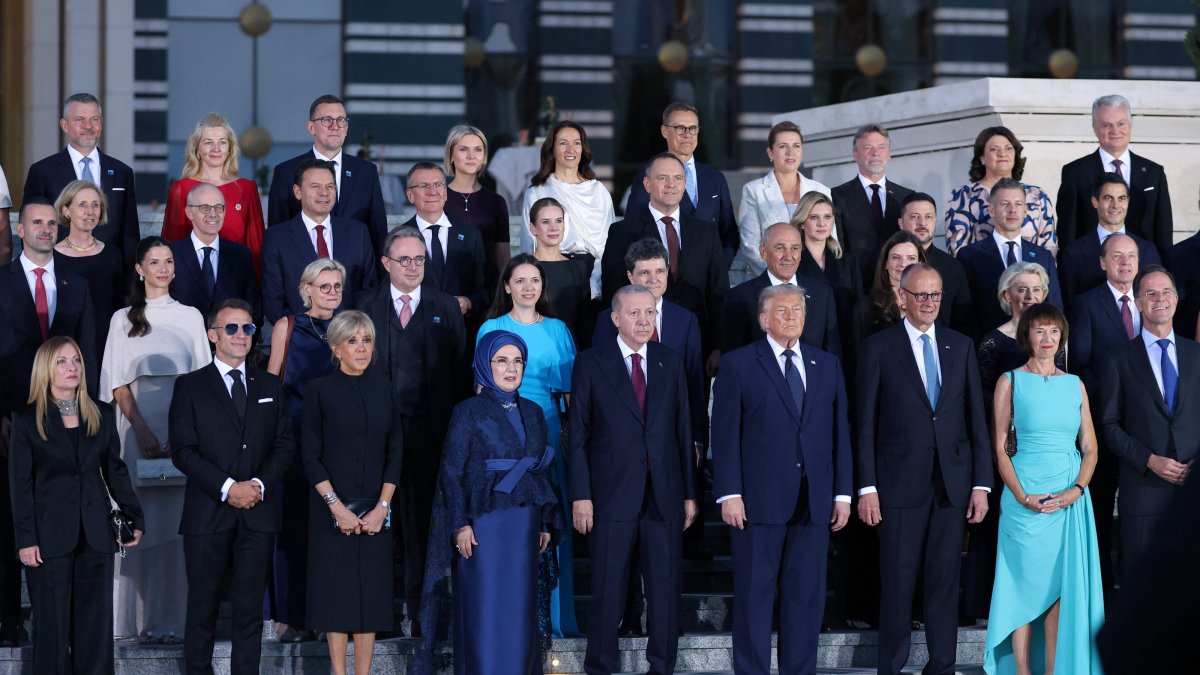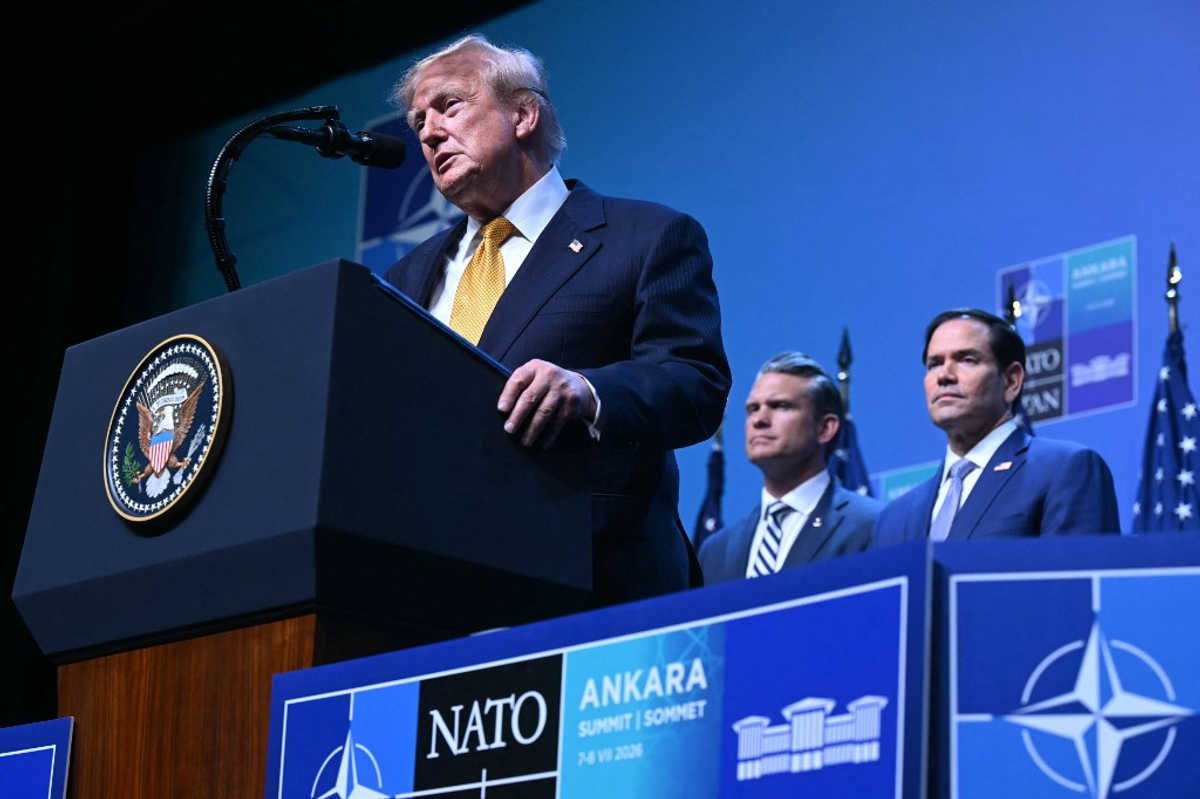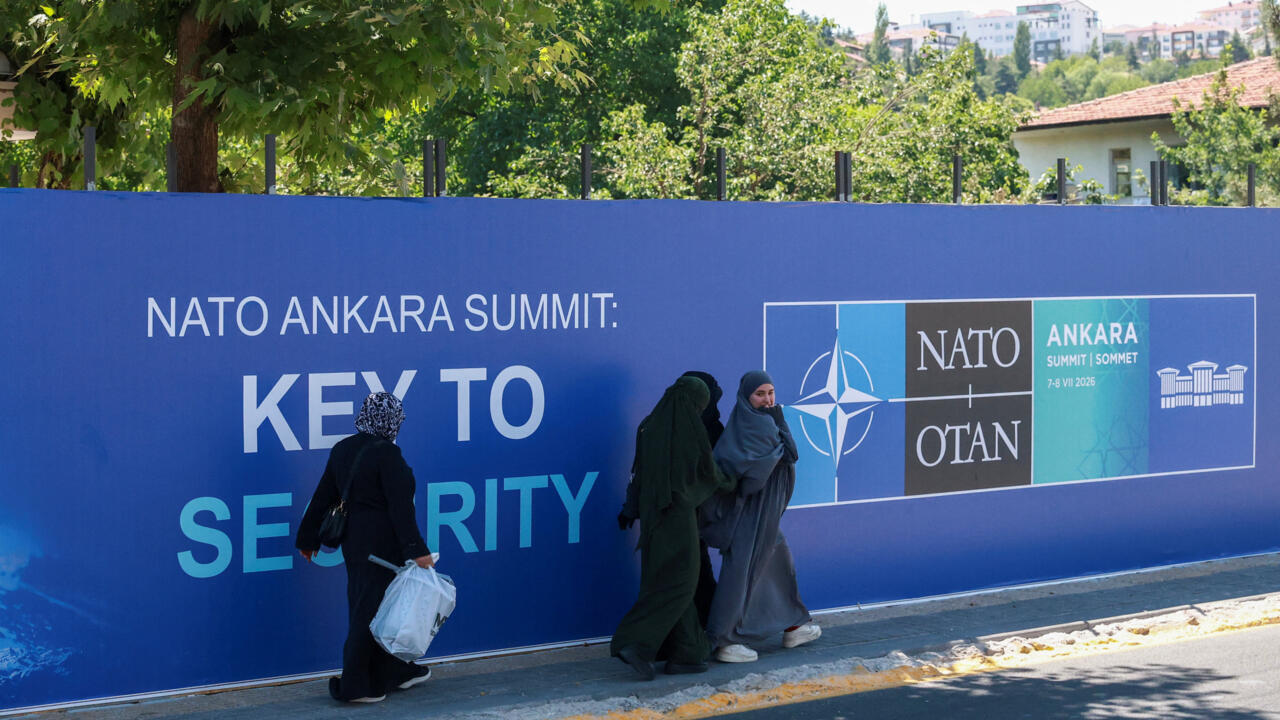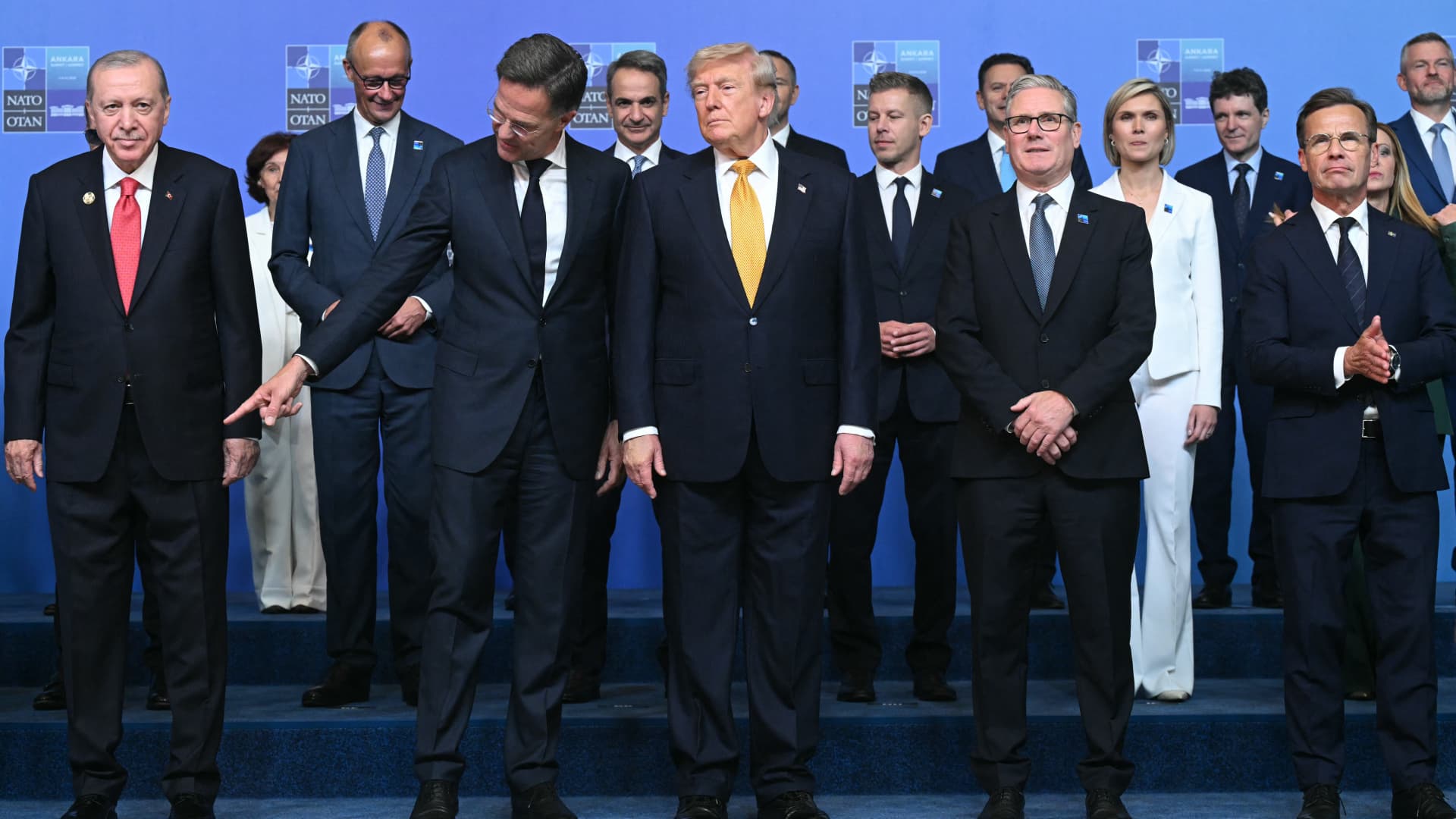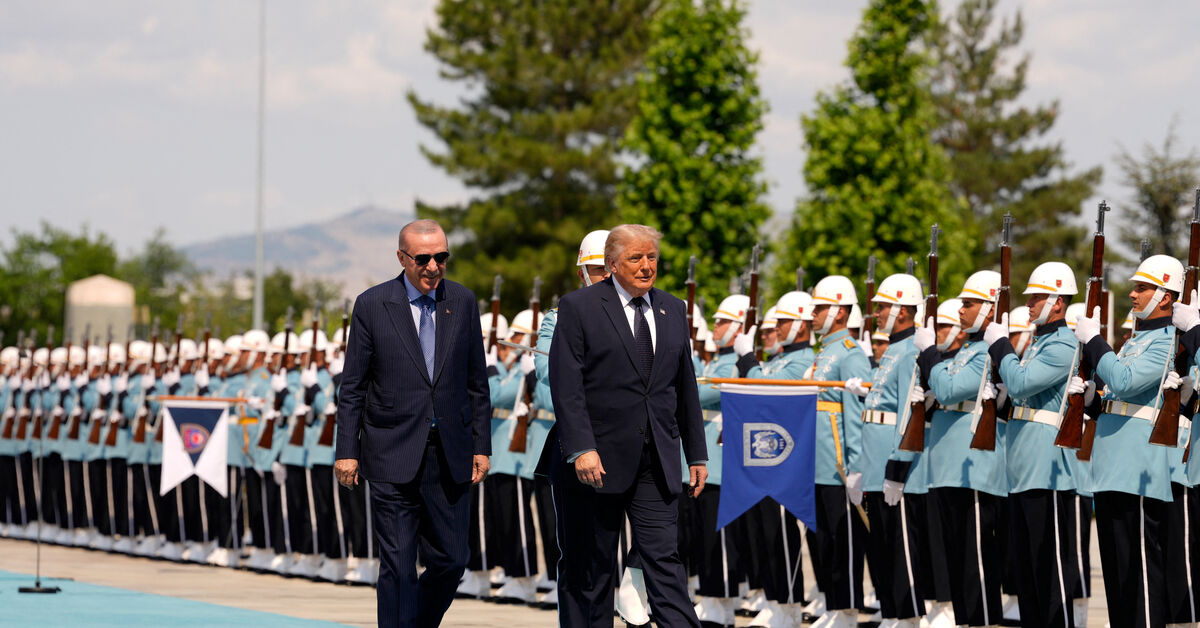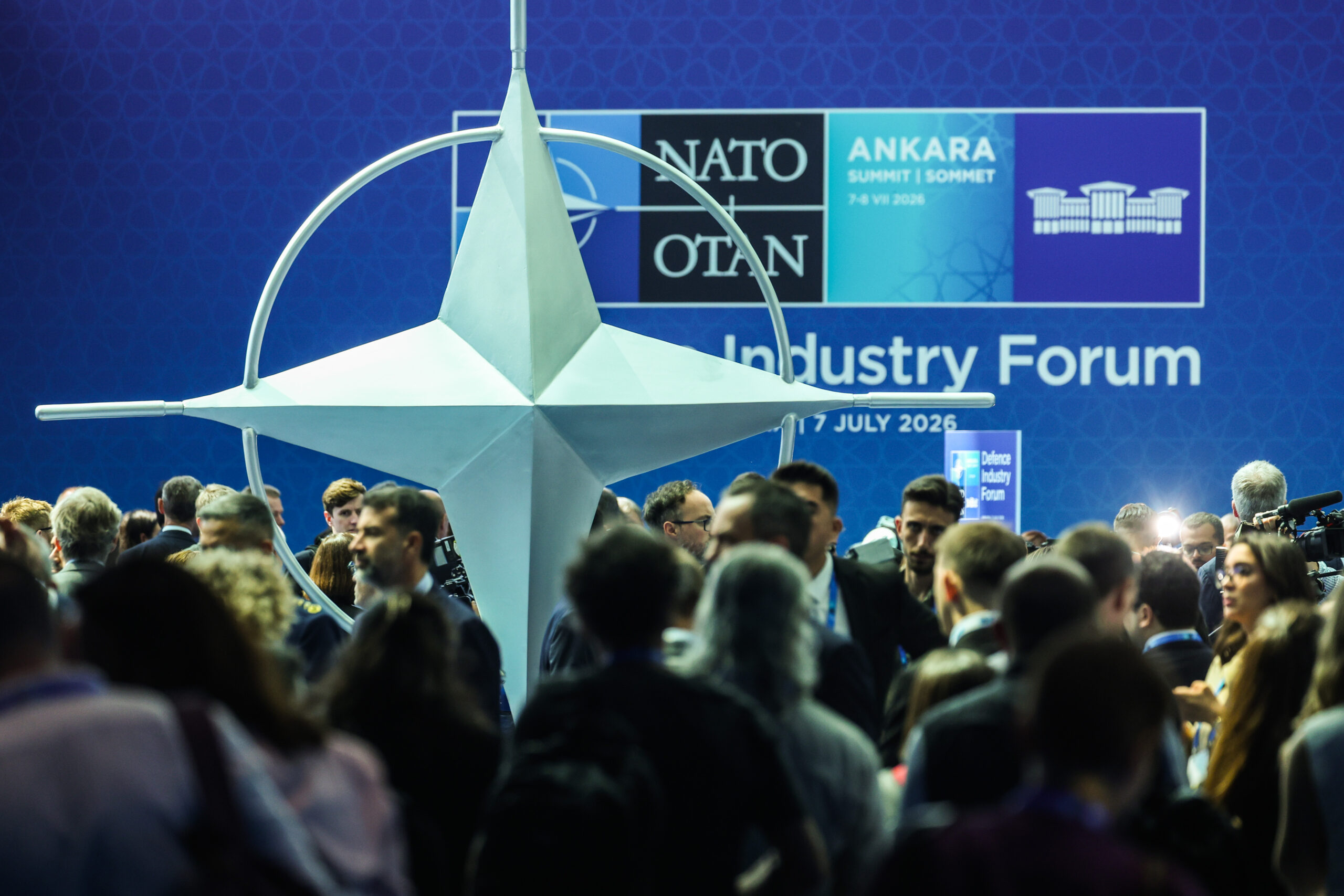
BRUSSELS—The United States’ relationship with its European allies took center stage at the recent NATO Summit in Ankara, as US President Donald Trump shifted between criticizing and praising European allies. Yet the presence at the summit of leaders from another region spoke to how a different, if less visible, relationship is developing in important ways.
Increasingly, Gulf security and Euro-Atlantic security are fused to the extent that it is difficult to explain one without the impacts on the other. As leaders from Bahrain, Kuwait, Qatar, and the United Arab Emirates—participants in the Istanbul Cooperation Initiative—gathered in Ankara for the NATO Summit, the central question was not whether the Gulf would move away from Washington following the Iran war. Instead, it was how Gulf countries would address growing security gaps while maintaining the United States as the core of their security architecture.
The war with Iran and the continued stalemate in the Strait of Hormuz, which shows no signs of resolution amid this week’s escalation in fighting, have accelerated a trend that was already underway: The Gulf, Europe, and NATO allies are deepening their cooperation. It’s easy to understand why, as Europe’s stability and energy security are increasingly tied to the Gulf, while Gulf states are looking to diversify, not replace, their security partnerships as they pursue a more assertive strategy of multi-alignment.