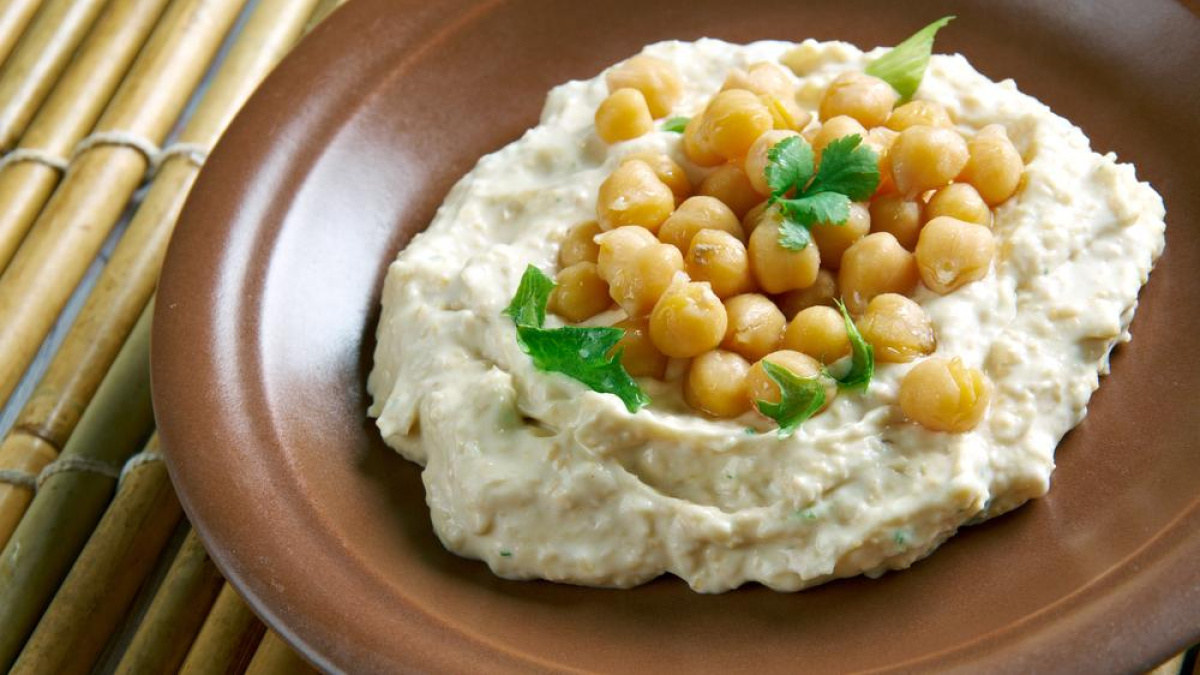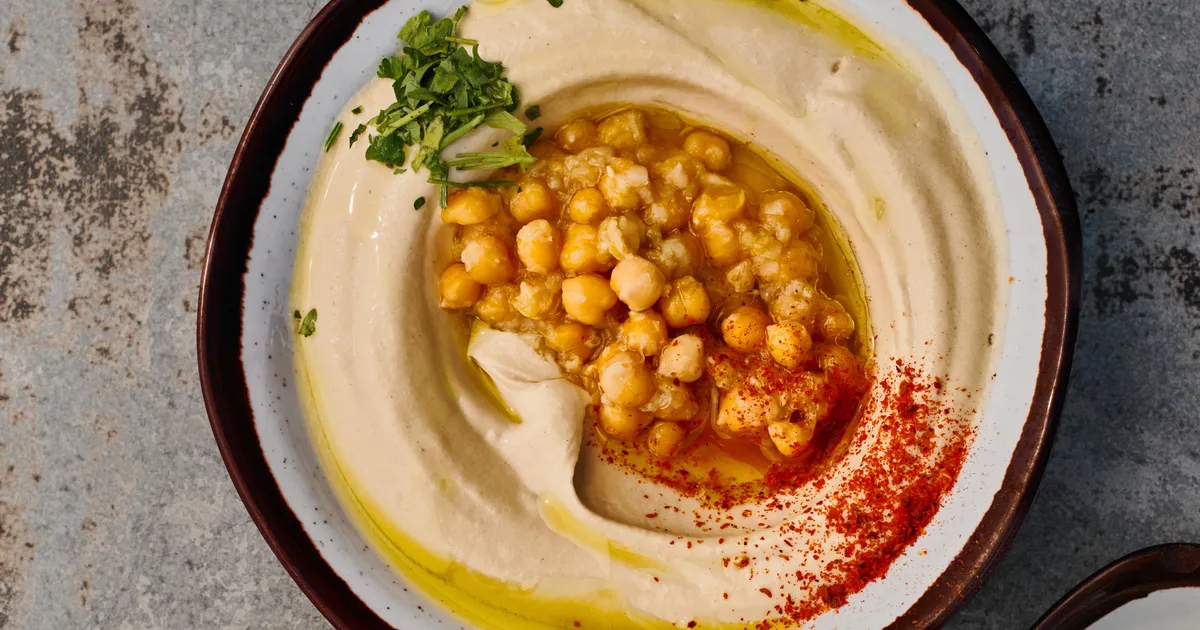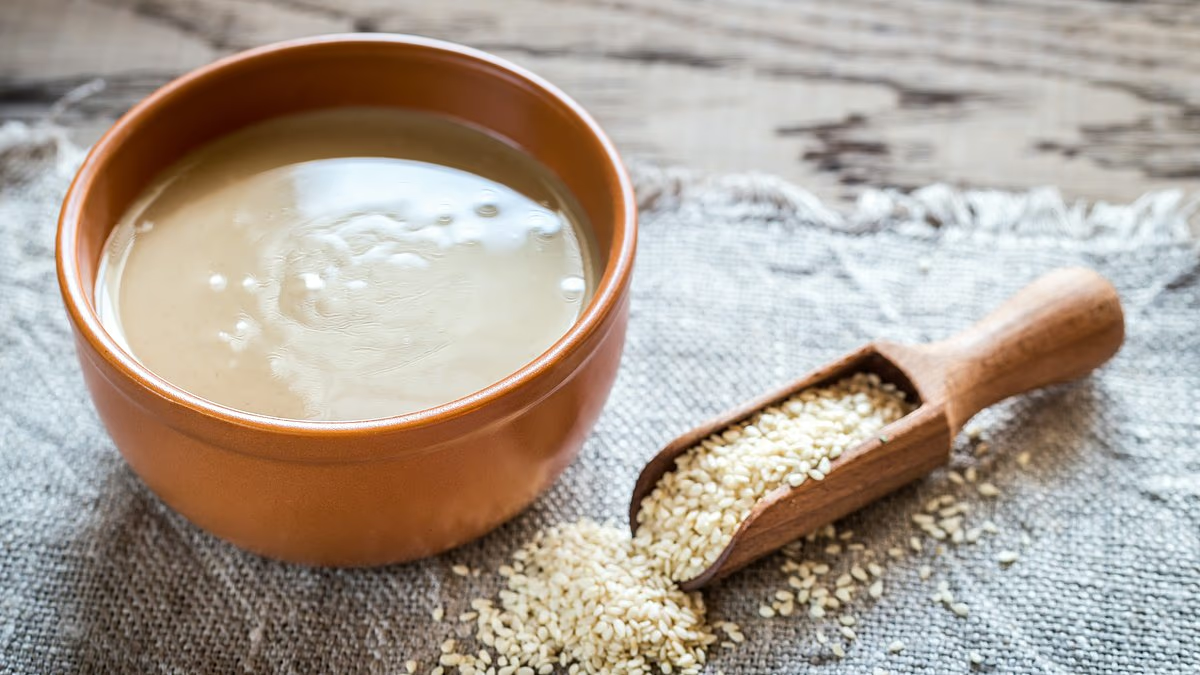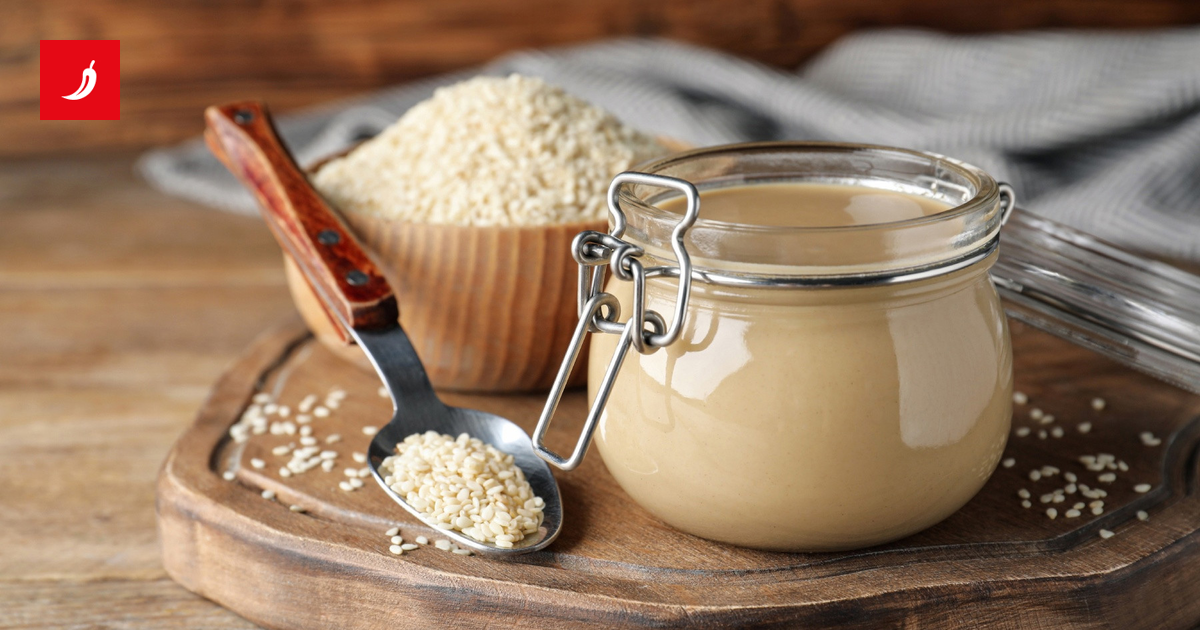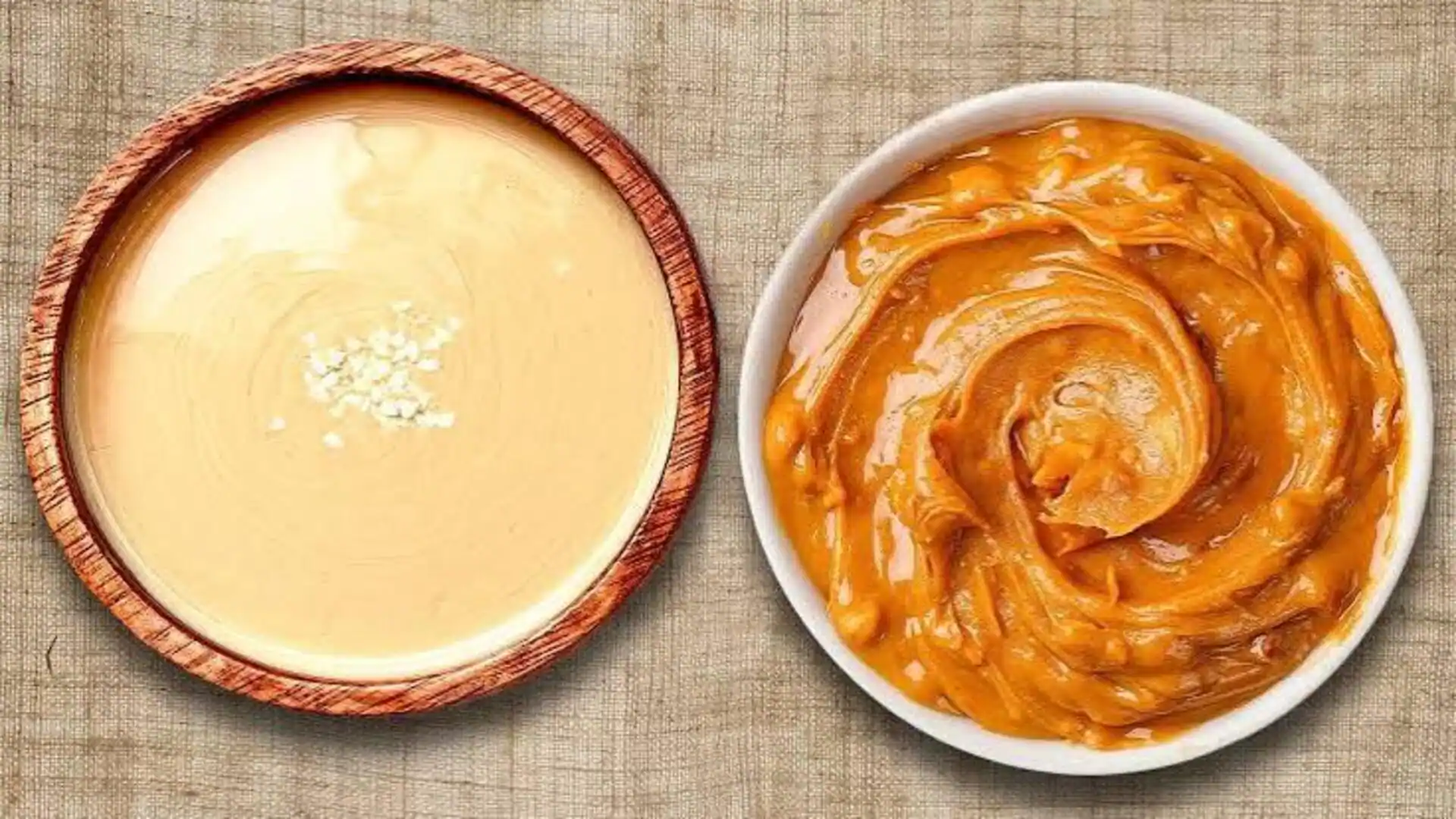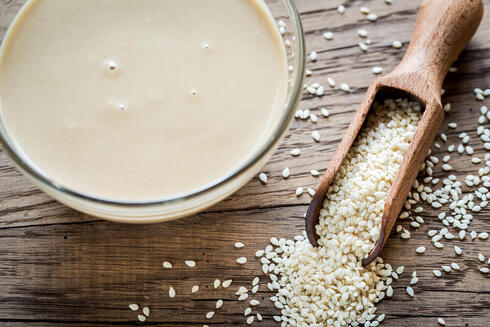
Tahini is a staple of Israeli cuisine, but choosing, preparing and storing it properly involves more than most people realize; Experts explain why ice water matters, what the oil layer means and whether whole sesame tahini is really healthierSapir Gordo|It is difficult to find an Israeli kitchen without a jar of tahini. It accompanies falafel and shawarma, is added to sandwiches, salads and cooked dishes, and even appears in desserts. Yet despite its popularity, many people know little about how it is produced, what distinguishes the different varieties and what makes one tahini better than another.Behind the seemingly simple sesame paste lies a history stretching back thousands of years, a carefully controlled production process and a long list of nutritional benefits. There are also several kitchen secrets: why ice water is considered essential for good tahini, whether the ingredients should rest before mixing and how to identify a quality product.GalleryTahini(Photo: Alexander Prokopenko / shutterstock)Much of the sesame used to produce tahini in Israel comes from Ethiopia. The Humera sesame is considered by many manufacturers to be among the finest varieties in the world because of its delicate flavor and high oil content.Tahini’s history, however, began long before Ethiopian sesame became prized by modern producers. The earliest evidence of sesame and tahini consumption dates back about 5,000 years to Mesopotamia, in what is now northern Iraq. Sesame cultivation later spread across the Fertile Crescent and eventually reached Egypt and the Land of Israel, where it became deeply embedded in the local culinary tradition.Mesopotamia, where it all began(Photo: Stock City / Shutterstock)Despite its short ingredient list, producing tahini involves several important stages. The sesame seeds are first cleaned and soaked in water to help remove their hulls. They are then dried and roasted at a controlled temperature, a stage that influences the color, aroma and flavor of the finished product.Finally, the seeds are ground into a paste. Traditional production uses slowly rotating millstones to prevent overheating, which can damage both the flavor and the quality of the oil.Tahini(Photo: Sapir Gordo)Several main types of tahini can be found on supermarket shelves. White raw tahini is made from hulled sesame seeds, giving it a pale color, mild flavor and smooth texture. Whole sesame tahini is made from unhulled seeds. It is darker, slightly more bitter and contains more fiber and minerals. Organic tahini is produced from sesame grown without synthetic pesticides, while flavored tahini spreads include additions such as chocolate, date syrup or pistachio and have become increasingly popular in recent years.The quality of tahini depends not only on the sesame itself, but also on how it is handled. To learn how to choose a good product and prepare the perfect dip, we spoke with Jonathan Borowitz, owner of M25 restaurant.Tahini(Photo: matka_Wariatka / Shutterstock)What should shoppers look for when choosing tahini?
Making tahini with tap water? This recipe shows what you’re doing wrong
Tahini is a staple of Israeli cuisine, but choosing, preparing and storing it properly involves more than most people realize; Experts explain why ice water matters, what the oil layer means and whether whole sesame tahini is really healthier
1,585 words~7 min read