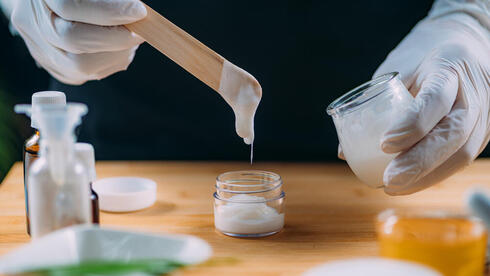
A growing DIY beauty movement is replacing store-bought toothpaste, deodorant and soap with kitchen-made alternatives; Supporters cite control, savings and sustainability, but experts warn of bacteria, burns, tooth damage and products that lack proper testingSapir Gordo|The next time you step into the shower or brush your teeth, take a look at the ingredient list on the packaging. For most people, it reads like an indecipherable string of Latin letters and chemical terms, but for a growing group of consumers, that list is precisely the reason to abandon the shelf and start making personal care products at home.What began as a niche trend among alternative-lifestyle enthusiasts has become a wider movement, fueled by social media: users, many of them women, who are replacing familiar drugstore and supermarket brands with shampoos, soaps, deodorants and toothpaste they mix themselves in their own kitchens.The main motivation is control. In home-cosmetics communities, common industrial ingredients such as SLS, parabens, fluoride and aluminum are increasingly viewed with suspicion, with some consumers linking them to dryness, irritation, disruption of the skin’s natural barrier and possible long-term health concerns.GalleryHomemade cosmetics. Deeply satisfying, but is it safe?(Photo: Microgen / Shutterstock)Beyond health concerns, DIY beauty gives users creative freedom and the ability to tailor products to their skin, hair and preferred scent. Supporters also cite long-term savings and an environmental upside, from cutting back on disposable plastic packaging to using raw materials they consider more natural and biodegradable.Soof, a Reiki and aromatherapy practitioner, began making his own grooming and toiletry products after spending four years in Italy, where he says he was exposed to an old rural tradition of using medicinal plants and preparing everyday products at home.He later decided to share that practical, nature-based knowledge with Israelis through social media, hoping, as he puts it, to promote greater health independence and revive knowledge he believes has been lost.Which ingredients on store-bought product labels scared or troubled you most?
‘Natural does not mean safe’: Israelis embrace homemade cosmetics, but doctors warn of hidden risks
A growing DIY beauty movement is replacing store-bought toothpaste, deodorant and soap with kitchen-made alternatives; Supporters cite control, savings and sustainability, but experts warn of bacteria, burns, tooth damage and products that lack proper testing
2,065 words~9 min read