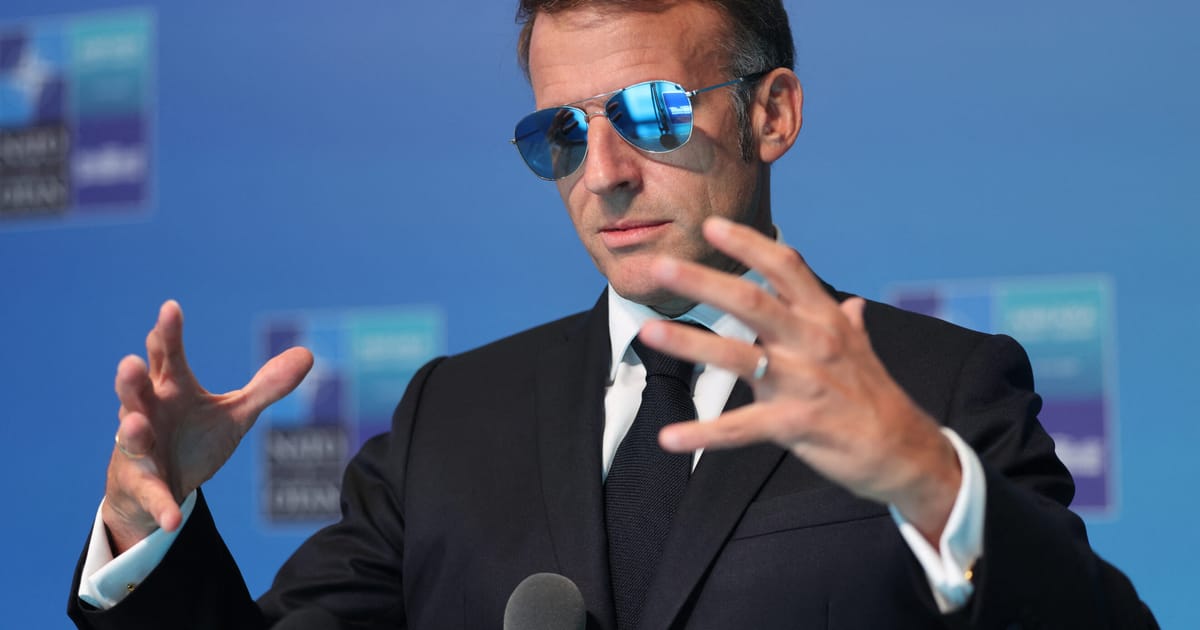
In November 2019, French President Emmanuel Macron declared: “What we are currently experiencing is the brain death of Nato.”
Seven years later, the largest and most successful defensive alliance in modern history is still standing. The harder question is whether it can fight with two equally capable fists: an American one and a European-Canadian one.
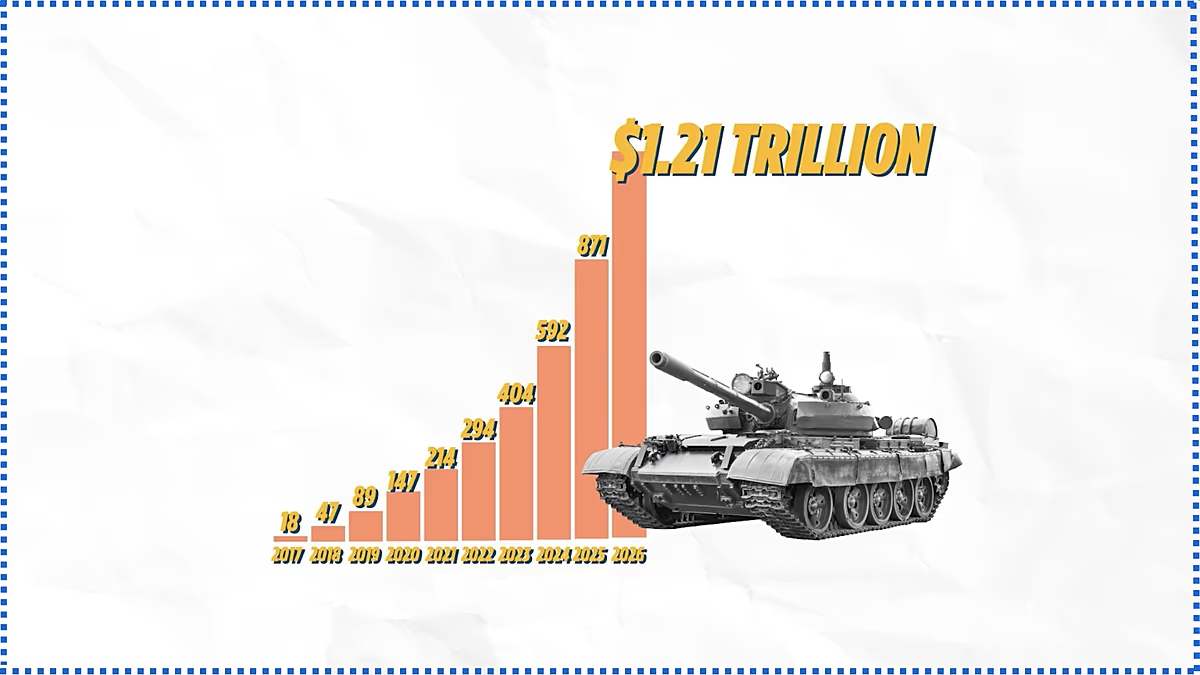
The imbalance remains severe. Nato’s latest estimates put US core defence expenditures at roughly $1.03 trillion in 2026, around 57 percent of the allies’ total. Yet Washington’s share of Nato’s common-funded budgets is only 14.9 percent, equal to Germany’s.
The deeper dependence is operational: Europe still relies heavily on the US for strategic intelligence functions, air-to-air refuelling, ballistic-missile defence and airborne electronic warfare. The wider dependency extends into cyber, maritime surveillance, space awareness, logistics for large-scale operations, and secure communications.
Most of Nato’s recovery was produced by Russian President Vladimir Putin’s strategic blunder in Ukraine. Moscow appears to have expected another Crimea-style fait accompli: limited sanctions, hesitant diplomacy and a frozen-war framework resembling the Minsk years.