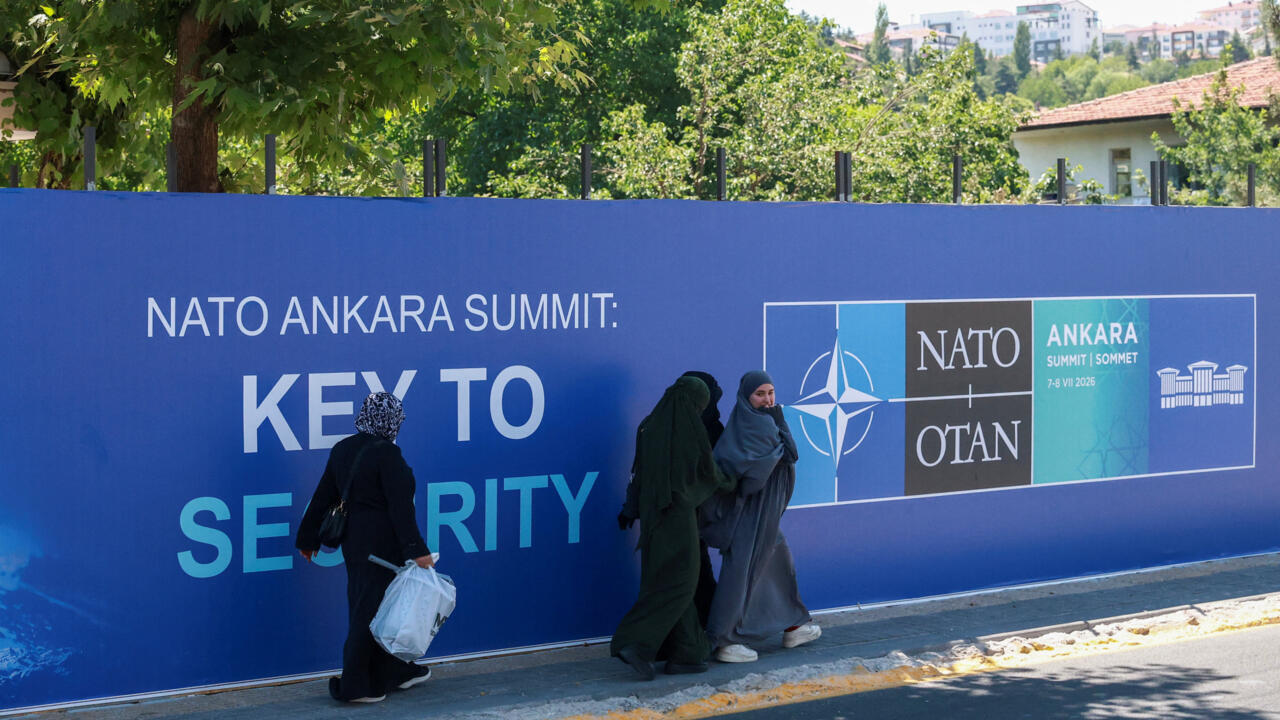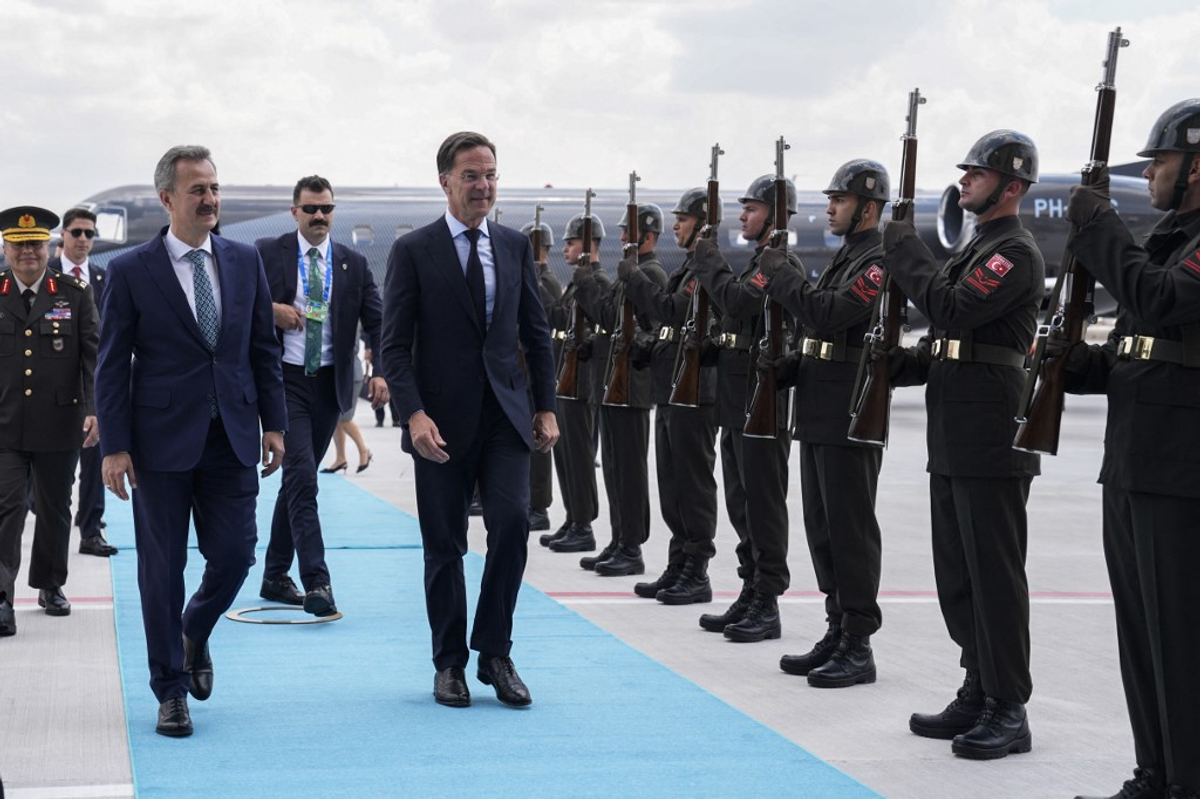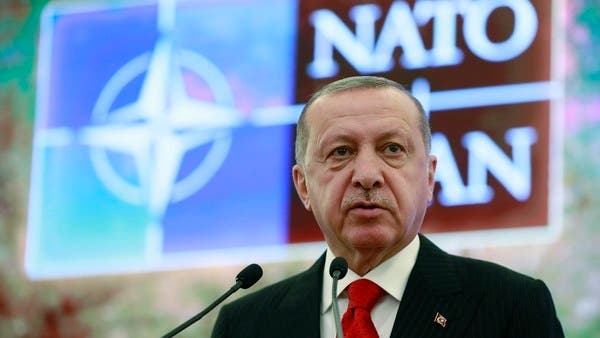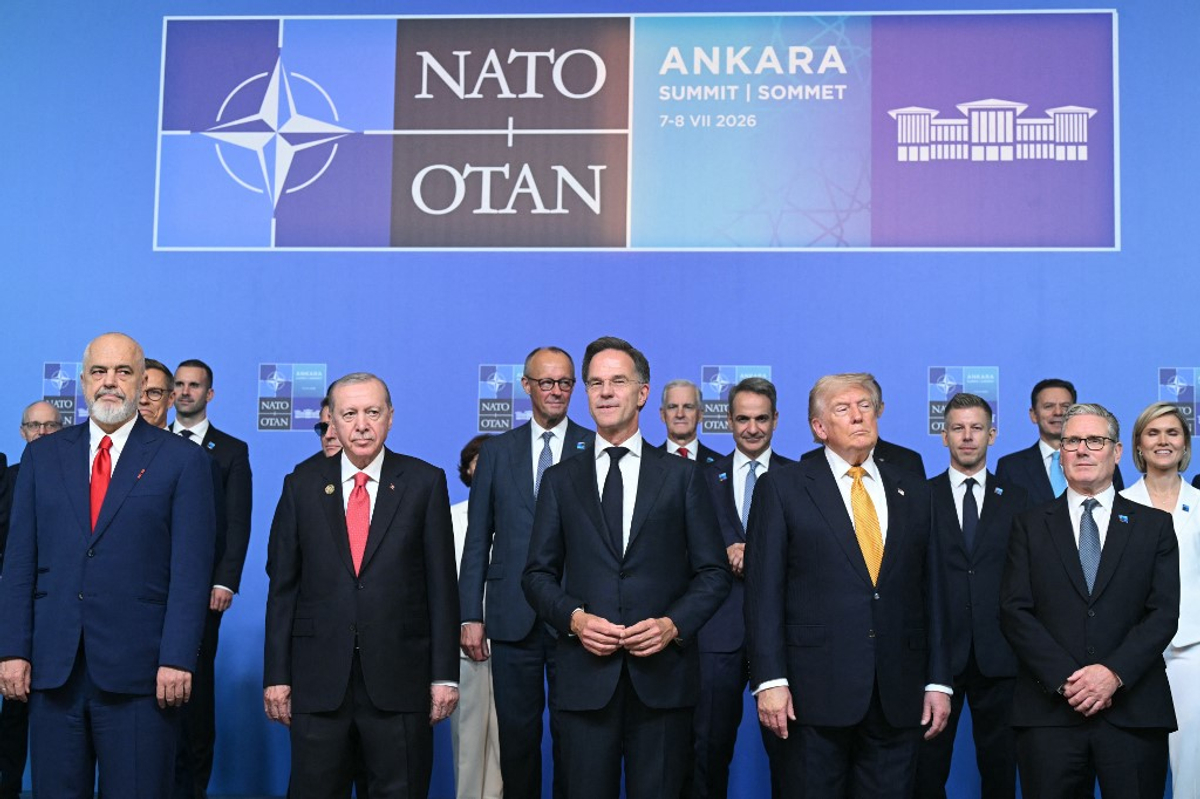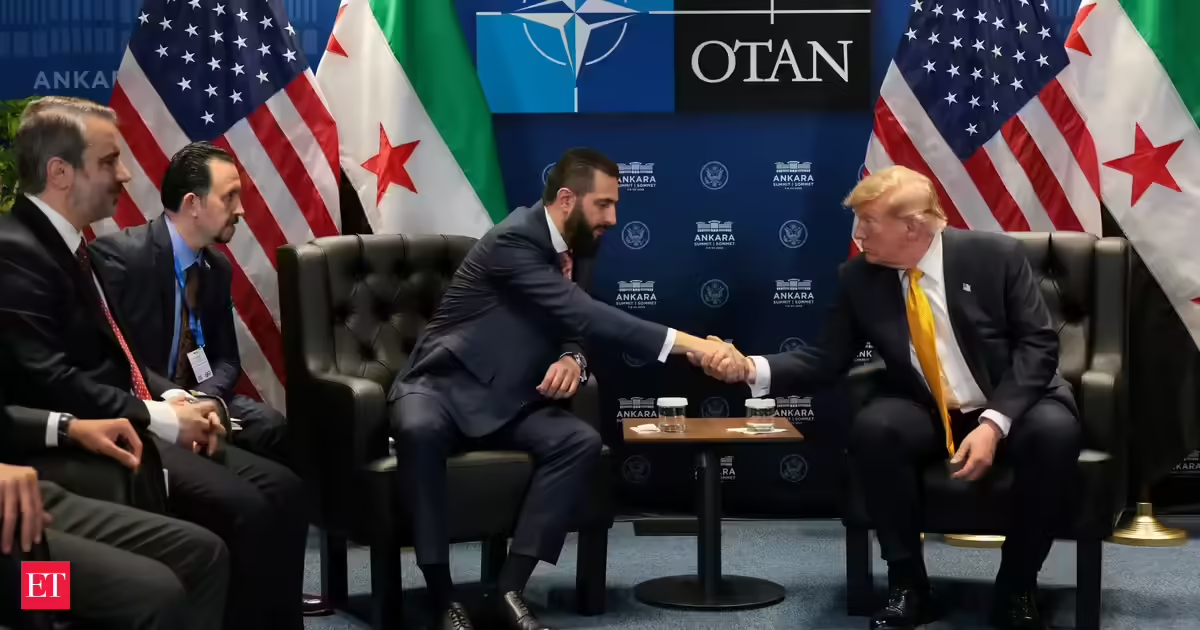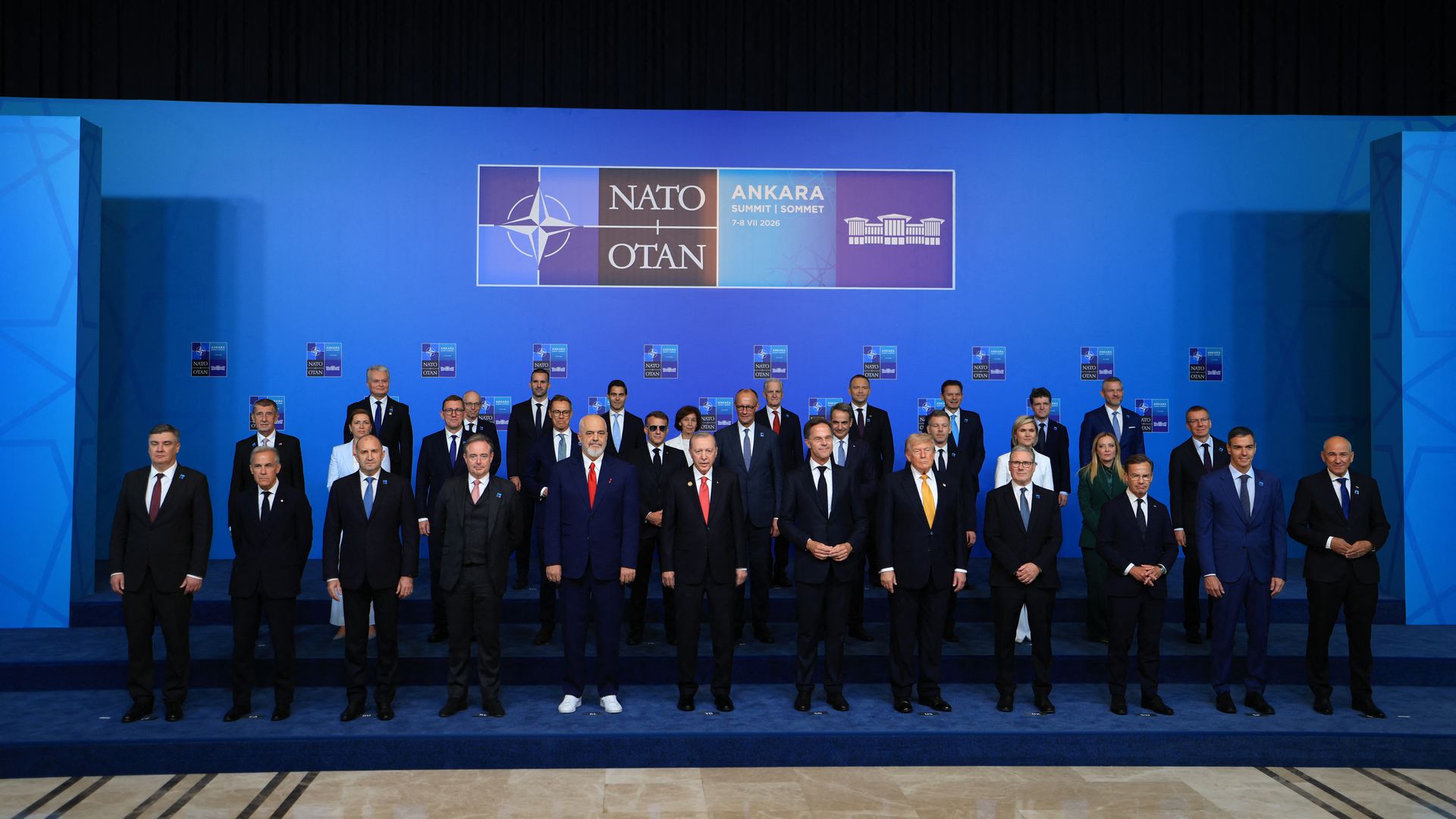
NATO leaders pose for a family photo during the NATO Summit at Bestepe Presidential Compound in Ankara, Turkey, July 8, 2026. (Ludovic Marin / AFP via Getty Images)The Ankara NATO summit held the facade of transatlantic unity, produced significant practical outcomes in defense-industrial cooperation, and brought greater clarity to sustained support for Ukraine.The central question, however, was left unresolved: the trajectory of continuing American disengagement from European security, and the terms and timetable on which Europe is to assume the resulting burden.U.S. disengagement remains opaqueThe summit did not alter the direction of U.S. force reductions in Europe, nor did it clarify what will happen and when.The Pentagon's six-month posture review, announced on June 18, is due to report later in 2026.The measures announced earlier in the year stood unchanged: the withdrawal of some 5,000 troops from Germany, the cancellation of the rotational brigade to Romania, and the adjustment of U.S. contributions to the NATO Force Model.U.S. messaging was pointedly critical of allies: President Trump again tied his demand for U.S. control of Greenland to the threat of further troop reductions, called Spain a poor contributor, and voiced disappointment with France.These interventions suggest that higher defense spending has not, in itself, eased political friction.Central and Eastern European states evidently calculated that exemplary spending would earn them new U.S. commitments, yet the results were mixed. Poland, NATO's top defense spender by share of GDP, secured the PAC-3 maintenance-hub signature but no commitment on permanent U.S. basing; the Baltic states won the upgrade of the Baltic Air Policing mission but not a permanent fighter presence; Germany, on course for the 3.5% core target by 2029, bears both the largest drawdown share and the sharpest criticism, its spending dismissed by Trump as "ridiculous".The quest for greater predictability has gone unrewarded.
The Ankara NATO Summit — A reality check on words and deeds
The Ankara NATO summit held the facade of transatlantic unity, produced significant practical outcomes in defense-industrial cooperation, and brought greater clarity to sustained support for Ukraine. The central question, however, was left unresolved: the trajectory of continuing American disengagement from European security, and the terms and timetable on which Europe is to assume the resulting burden. U.S. disengagement remains opaque The summit did not alter the direction of U.S. force re
963 words~4 min read