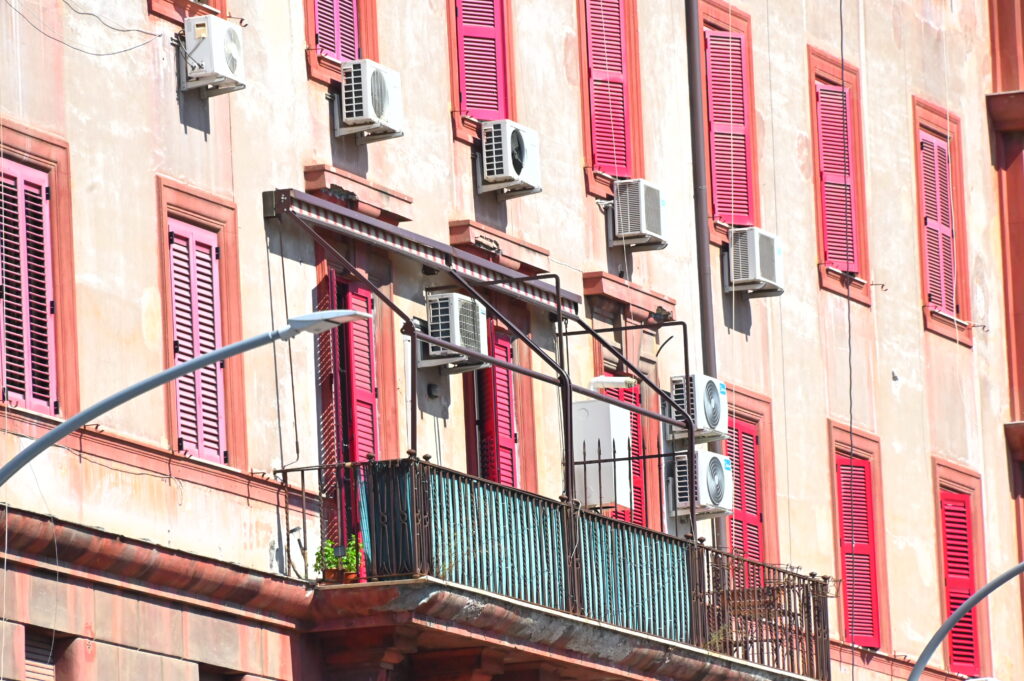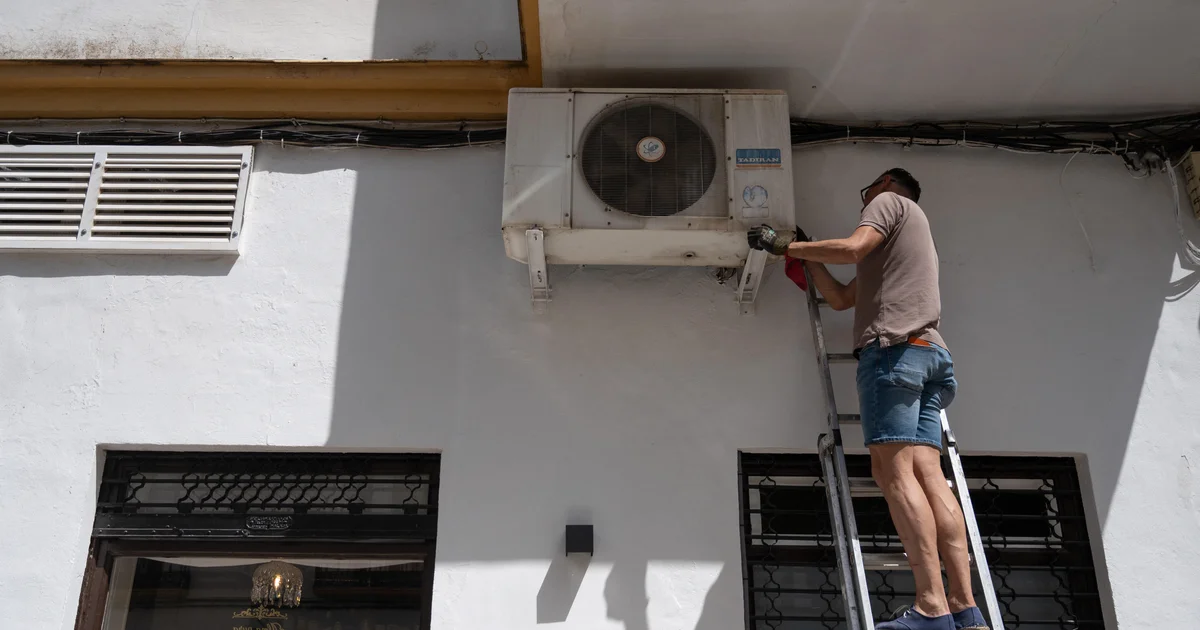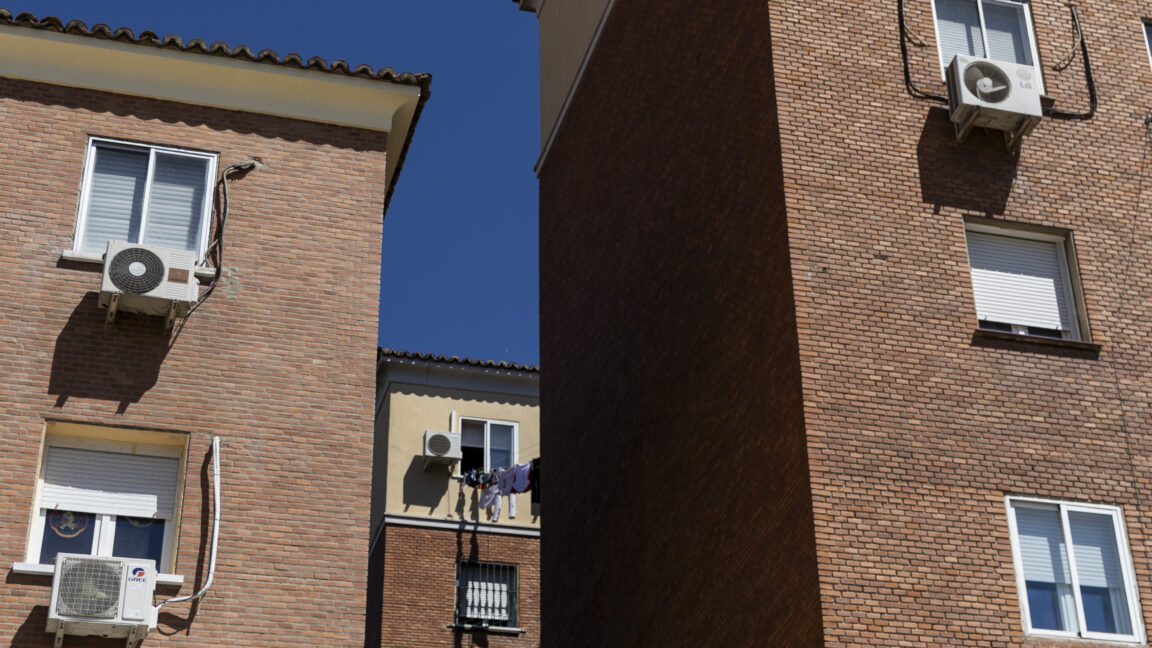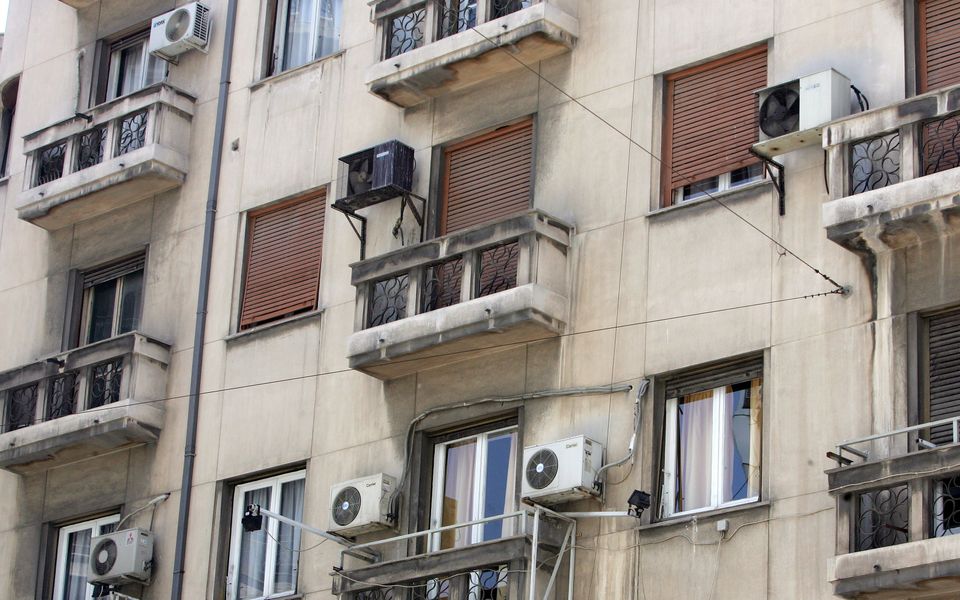
Approximately 70% of households in Greece have at least one air conditioner, with the country consuming 11,900 terajoules for cooling buildings in 2024, up from 5,850 TJ in 2018, according to data published by Eurostat a few days ago.
This means that 7.4% of the energy consumed by households in Greece is for cooling – the third highest in the European Union – while the corresponding percentage in 2018 was less than 4%.
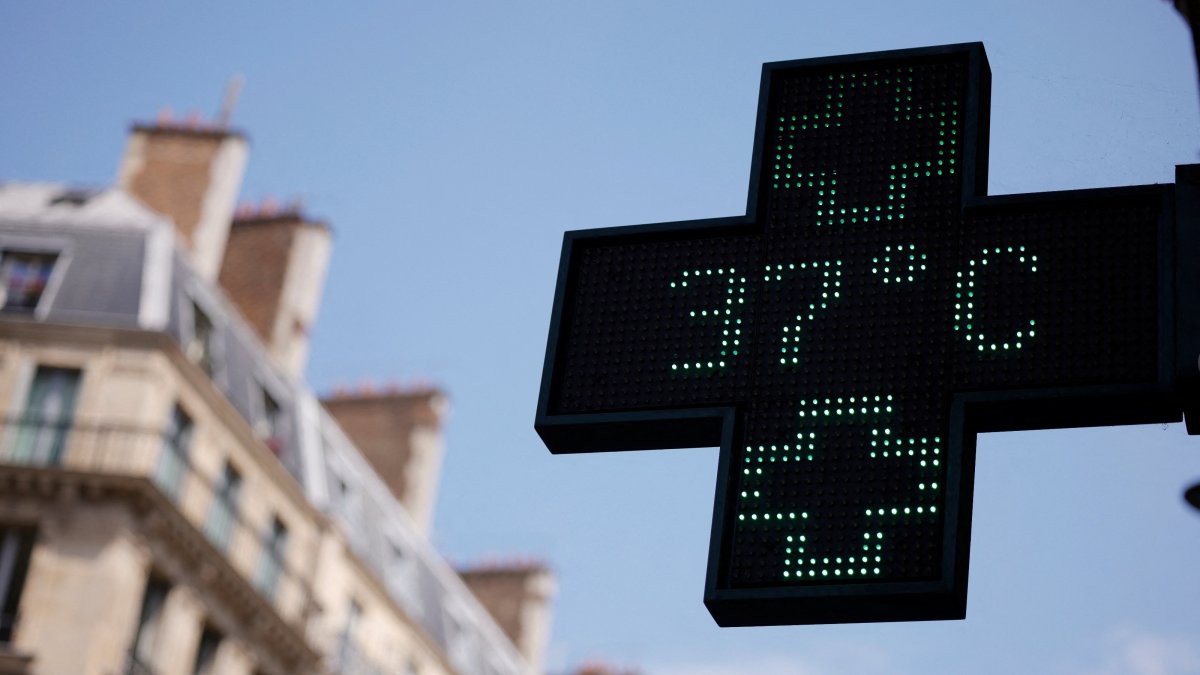
If air conditioning was viewed as a luxury a few years ago, today it has become a necessity, as almost every summer is hotter than the previous one and prolonged periods of intense heat become more frequent.
Another way that the climate crisis has affected household consumption relates to the clothing market: much milder winters and the prevalence of higher temperatures throughout the year are now leading consumers in Greece to buy less and less heavy clothing, with the four seasons for the clothing industry having effectively been abolished.
This is creating serious problems for retailers, who are required to manage significant inventories, which means higher costs and lower revenue.