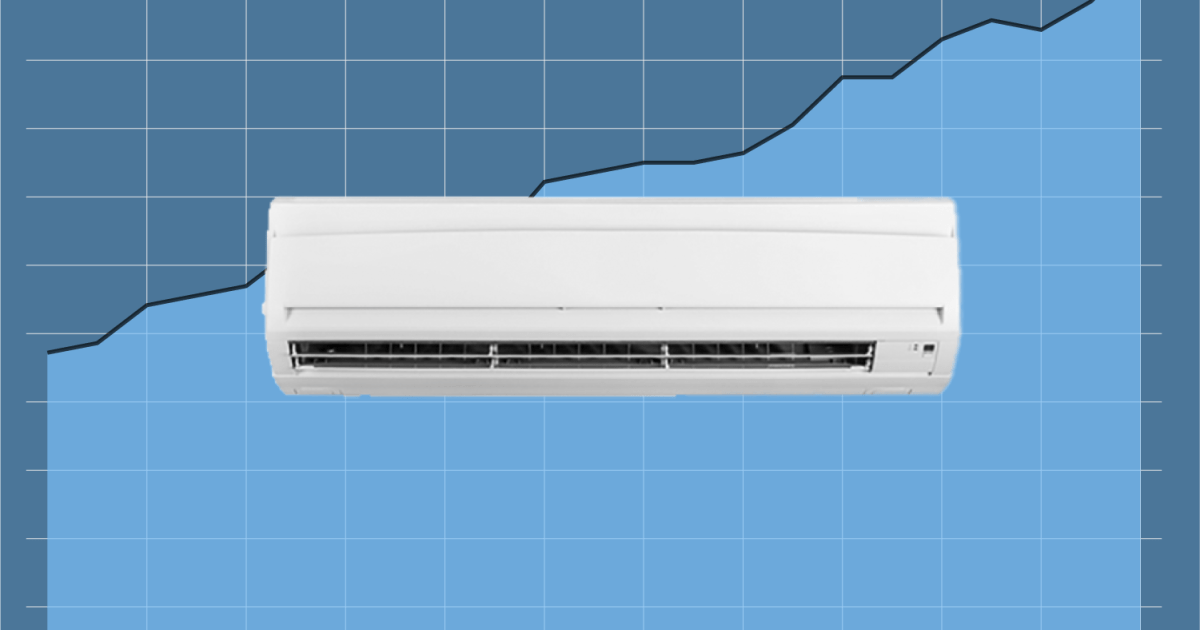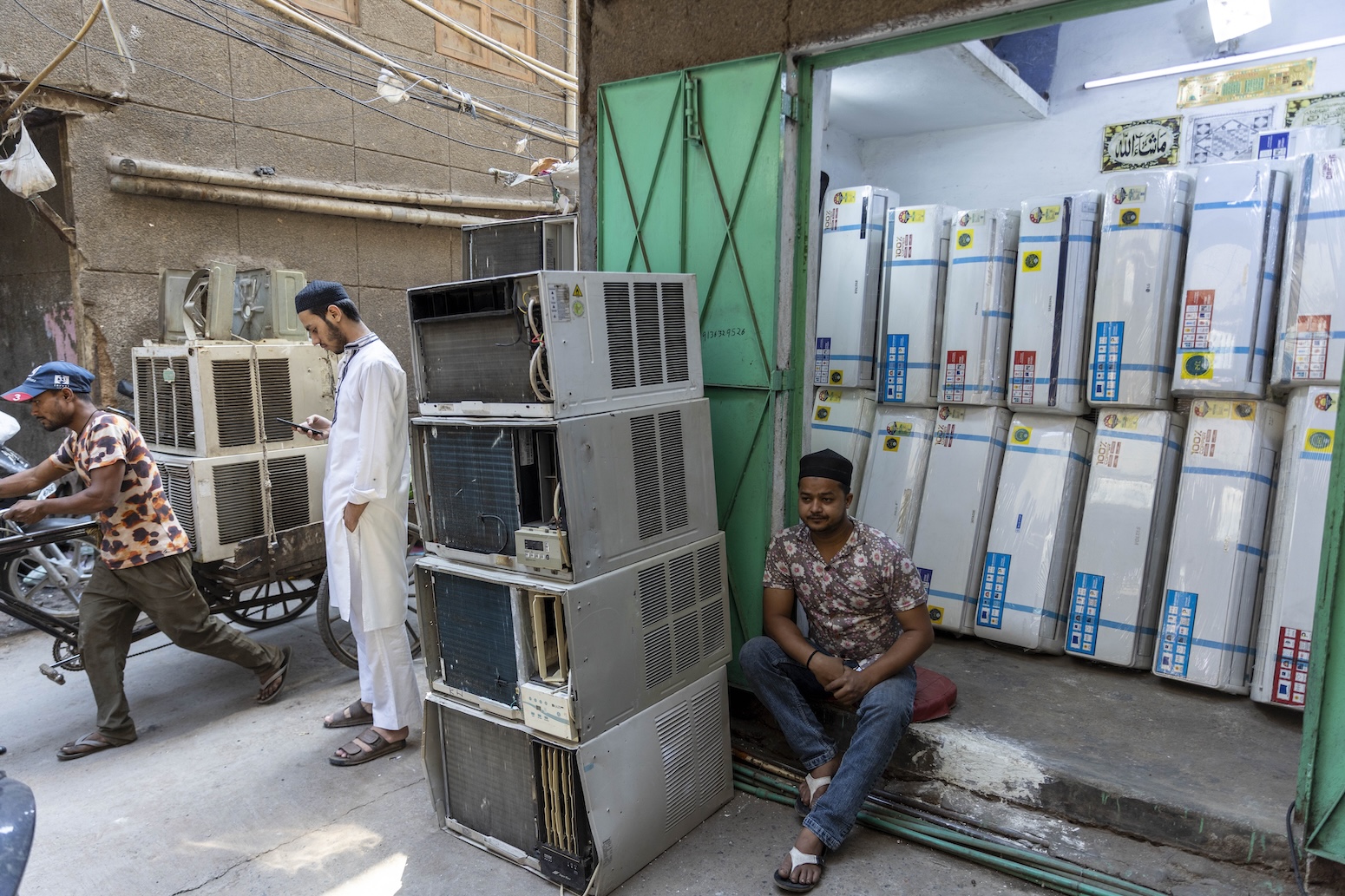
In 2022, cooling equipment consumed an estimated 5,000 terawatt-hours (TWh) of electricity globally — about the same as the entire electricity consumption of the United States today. According to RMI, by 2050, this demand is projected to more than triple to 18,000 TWh. We could, of course, take reasonable and rational steps to keep the Earth from getting hotter, but since that seems to be an impossibility, making more energy efficient cooling systems may be the next best thing.
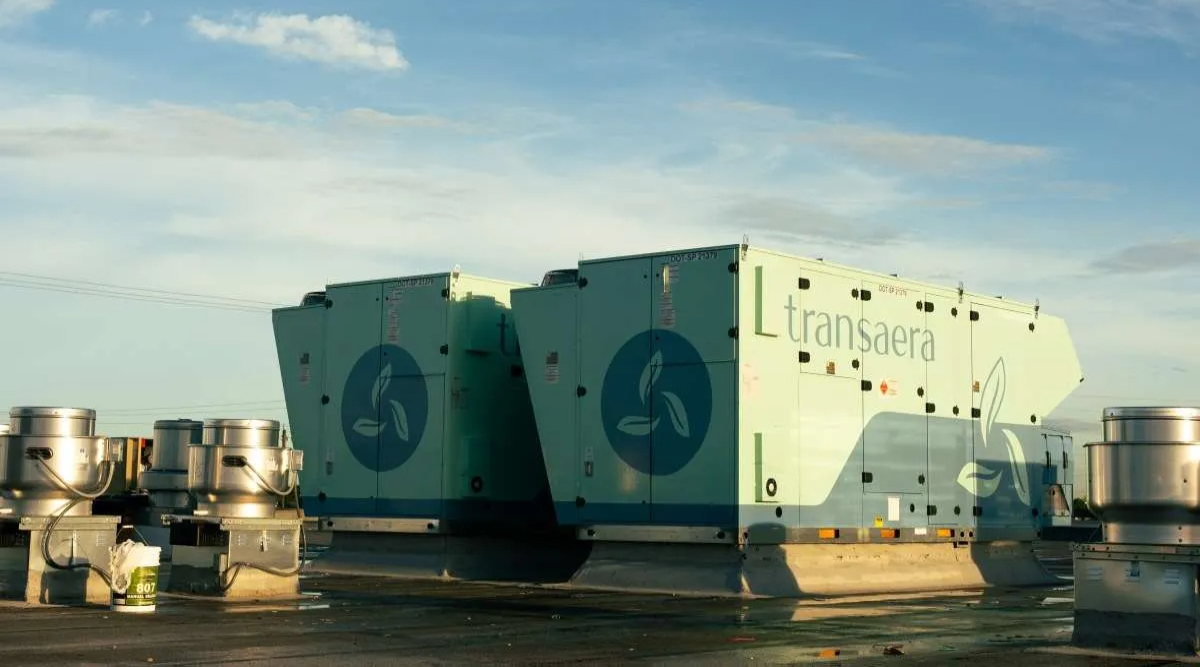
Transaera is one of many MIT spinoffs that focuses on using energy more efficiently to reduce the amount of carbon pollution from everyday activities, from cement, to process heat, to cooling. It has begun manufacturing the enormous rooftop air conditioning, ventilation, and heating systems we see on the roofs of big box stores and factories everywhere. The difference is that the equipment Transaera makes can cool those buildings using 40 percent less energy than traditional equipment.
The difference is that in addition to using heat pumps, Transaera employs new cutting edge MOF technology to remove moisture from the air separately from the cooling mechanism, which dramatically reduces the need for cooling. A room where the air is 80 degrees F and 10 percent humidity may be comfortable for most people, whereas the same room at the same temperature but with 90 percent humidity would be unbearably hot.