As record heatwaves boost demand for cooling, air conditioning becomes vital – but with a steep environmental cost.
Save articles to read later and create your own reading list.
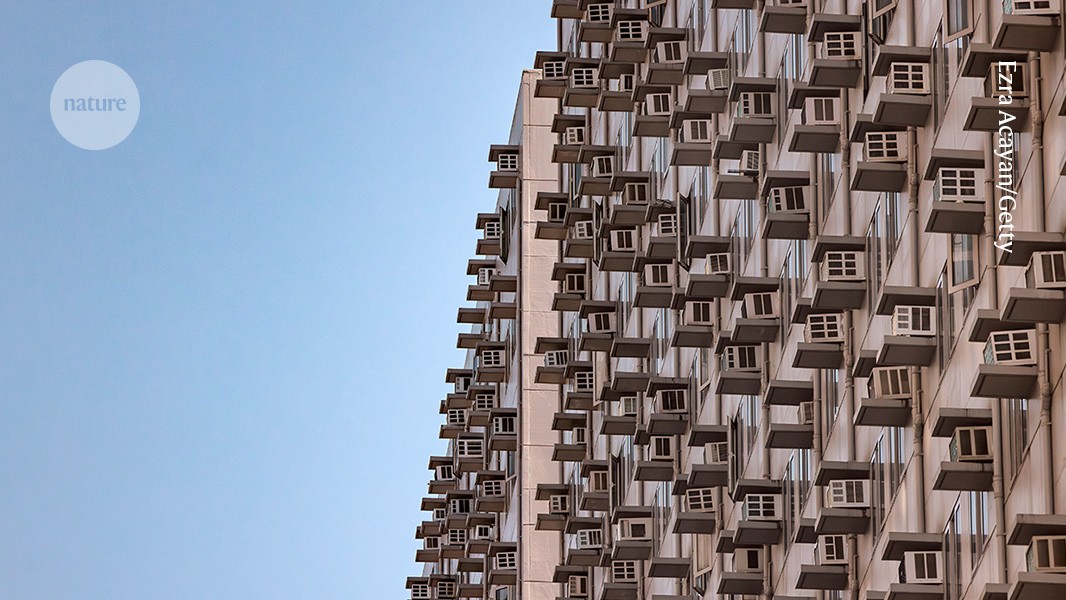
Heatwaves all over the world are becoming longer and more intense and the need for cooling is rising fast, putting strain not just on power bills but on electricity grids and the planet. With 2024 the hottest year on record and 2025 not far behind, air conditioning is no longer a luxury for many – it’s a lifeline.
Al Jazeera breaks down how air conditioners work, traces the history of cooling, and offers practical tips on protecting your AC and reducing energy costs.
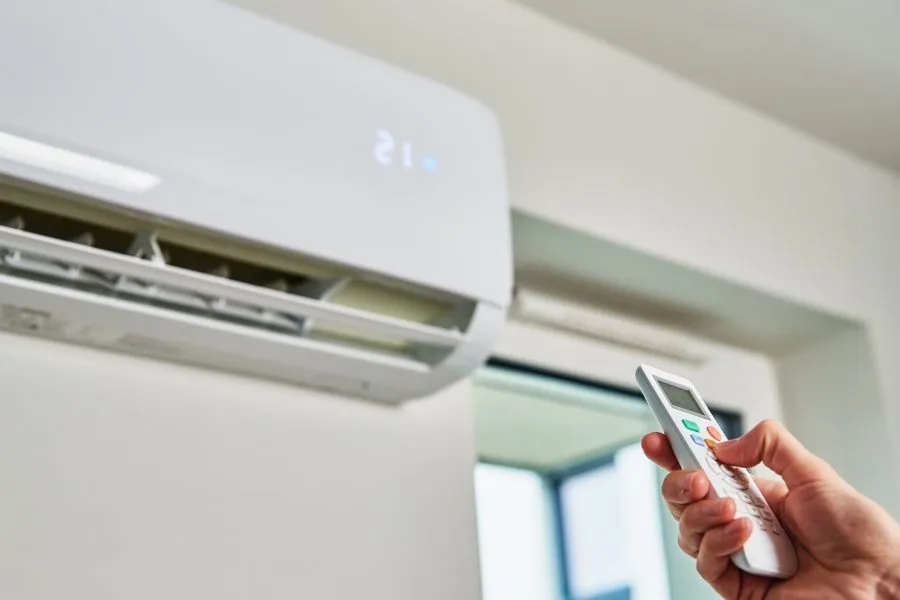
Air conditioners cool indoor spaces by moving heat from inside your home to the outside using a chemical fluid called a refrigerant. The process starts when the indoor unit draws in warm air from the room and passes it over evaporator coils filled with cold, low-pressure liquid refrigerant. As the air moves across the coils, the refrigerant absorbs the heat and evaporates into a gas, cooling the air in the process. A fan then blows the cooled air back into the room.