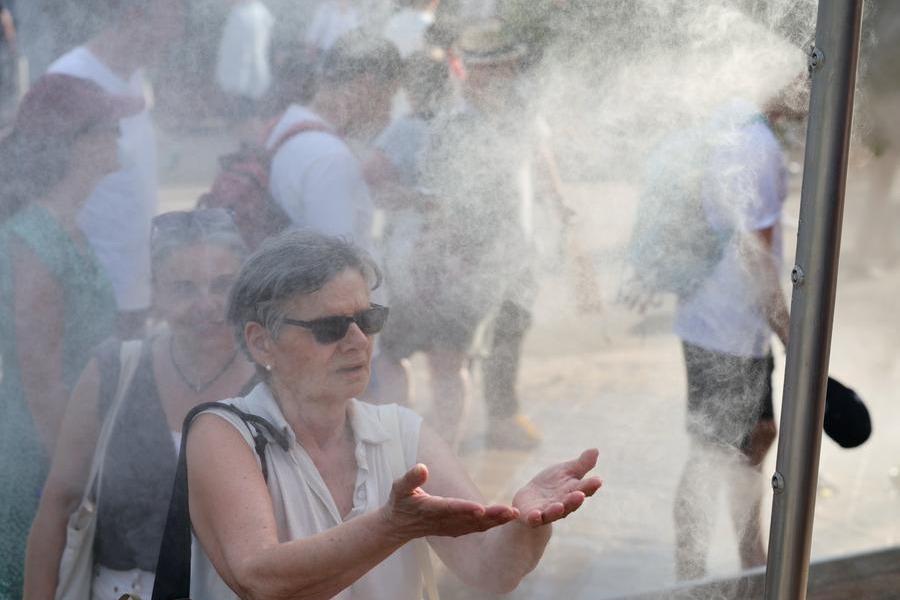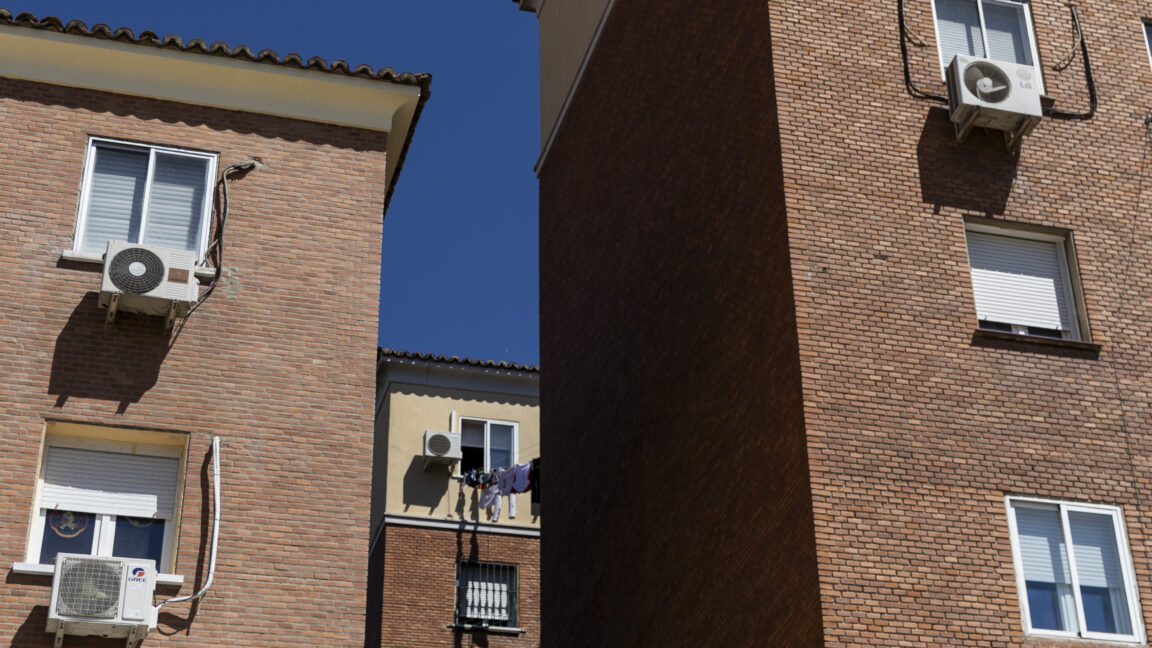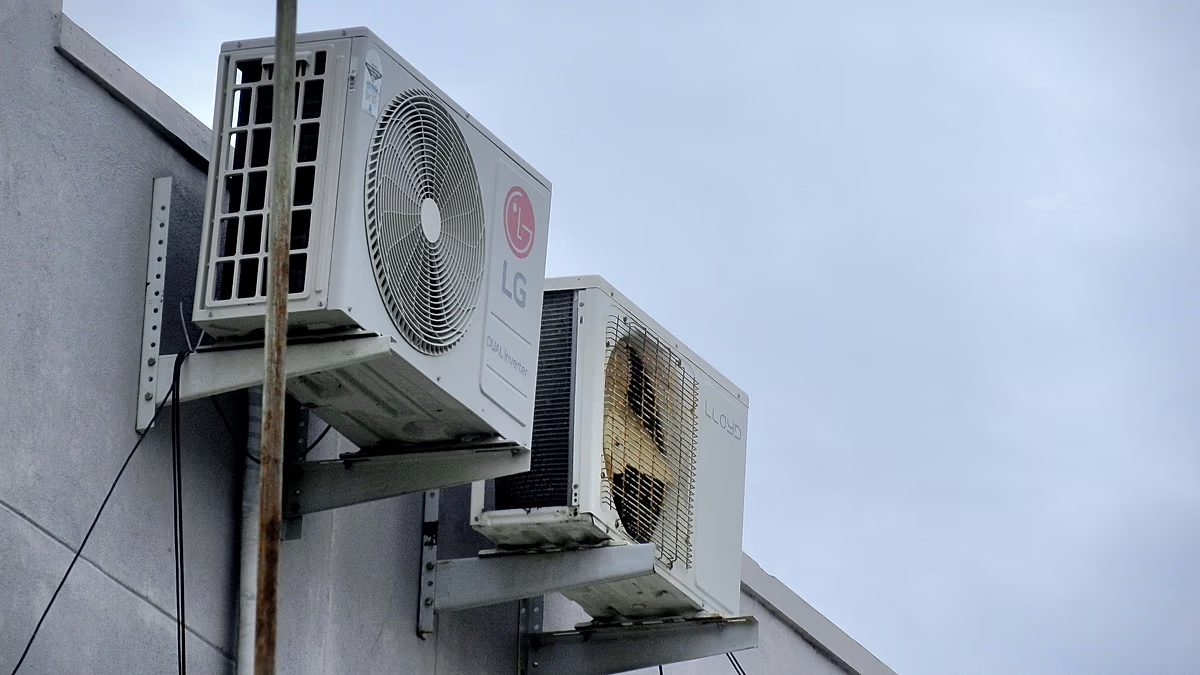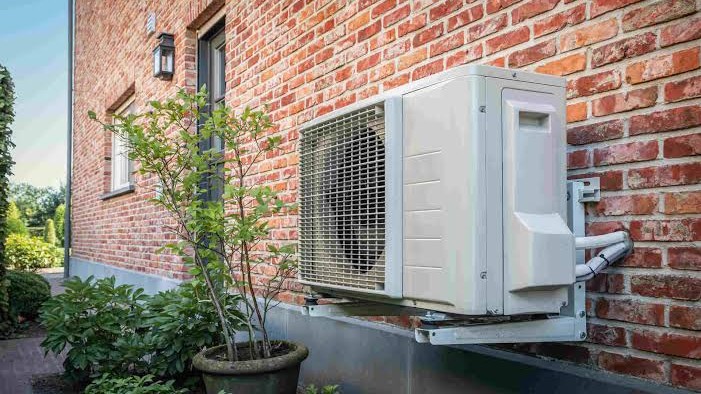
With Europe facing more frequent and hotter heatwaves, the uptake of air conditioning systems has soared across the region in recent years. This trend is driving energy demand and making it more difficult for countries to reduce reliance on fossil fuels in favour of renewable alternatives. Several countries across Europe have made ambitious green transition pledges, which is why many governments, companies, and researchers are exploring alternative, less carbon-intensive methods for cooling.Researchers have been investigating alternative cooling methods for years to reduce dependence on energy-hungry air conditioners. The United Nations Environment Programme (UNEP) highlighted this need in its publication, the Global Cooling Watch Report 2023: Keeping it chill. In the report, the UNEP forecast that the global installed capacity of cooling equipment would triple by 2050, more than doubling electricity consumption.Air conditioners and refrigerators have both indirect emissions from electricity consumption and direct emissions from the release of refrigerant gases, most of which are much more potent at warming the planet than carbon dioxide. To encourage a shift away from air conditioners, the UNEP launched its Nature for Cool Cities Challenge in 2023 as part of the Cool Coalition, a global network of over 80 partners aiming to drive the transition to efficient, climate-friendly cooling.Urban planning can significantly affect the impact higher temperatures can have on a town or city. One of the obvious ways to make new buildings cooler is to design and build them using innovative designs, techniques, and materials. For example, a building can incorporate bricks and other materials designed to absorb heat during the day and radiate it at night. Painting roofs white can also help reflect sunlight and keep buildings cooler.In Cambodia, the UNEP is working with partners to test passive cooling measures, such as insulation, shading, and targeted roof design, to assess their impact on heating and cooling in construction and to shape national building regulations and urban planning standards. Meanwhile, in South Korea, Seoul’s government dismantled a 10-lane road and a raised four-lane motorway to revitalise the Cheonggyecheon Stream, thereby reducing the heat island effect the city endures, with temperatures along the stream registering between 3.3°C and 5.9°C lower than on a nearby parallel road.In Paris, the government has established “cooling islands”, where water, vegetation, and shading structures help provide spaces that are several degrees cooler than surrounding areas. These areas include parks, pools, and some buildings. In Paris, the number of cooling islands increased from 800 in 2019 to over 1,400 in 2026. In Marseille, the government has announced plans to plant more trees across the city, which will provide shade and improve cooling through a natural process known as evapotranspiration, in which trees absorb water and emit it through their leaves while moisture from the soil evaporates.In the Netherlands, some cities, such as Rotterdam, are installing green roofs to reduce temperatures in their buildings, while Utrecht is greening its bus stop rooftops. Meanwhile, in the Spanish city of Barcelona, the government is using an artificial intelligence ventilation control system to monitor air quality and temperature to help reduce temperatures.In addition to shifting urban planning decisions to prepare for hotter temperatures, governments and private companies are increasingly using technology to improve cooling methods. District cooling is a method used in several cities to distribute chilled water to multiple buildings via an underground network. The method uses less energy than individual air-conditioning systems and can be powered by local sources, such as seawater or river water.The European Commission’s Energy Efficiency Directive requires cities with over 45,000 inhabitants to establish local heating and cooling plans to tackle rising temperatures. Euroheat & Power’s 2025 District Heating and Cooling Market Outlook showed that demand for district cooling (DC) is rising, with DC infrastructure in Europe expanding by over 3 per cent in 2023.Paris is home to one of the world’s largest DC networks. The 120-km system was developed in the 1990s and consists of underground pipes that transport chilled water to museums, offices, hospitals, schools, and other public buildings. The system distributes cold water from the Seine River to buildings through one pipe and transports warm water back via a second pipe.Heat pumps, which have become increasingly popular in the European market in recent years, are another source of cooling. Air-to-air heat pumps, rather than air-to-water pumps, consist of an outdoor unit connected to one or more indoor fans. They warm the air inside a building and can also transfer warm air from inside to outside. These types of systems are becoming increasingly affordable as demand increases.Air conditioning systems still dominate the cooling market due to the lack of availability or higher cost of alternative systems. However, the market is expected to expand significantly in the coming decades as consumers seek energy-efficient cooling alternatives. Meanwhile, governments can help to tackle higher temperatures by improving urban planning, updating building standards, and, where possible, installing district cooling systems. By Felicity Bradstock for Oilprice.comMore Top Reads From Oilprice.comU.S. LNG Exporter Reaps Windfall as Middle East Turmoil Drives Fees HigherOil Prices Jump After Iran Attacks Commercial VesselsUS Crude Oil, Product Inventories Fall Even As Hormuz Traffic Begins to Flow
Can Europe Beat the Heat Without More Air Conditioners? | OilPrice.com
Europe is increasingly adopting sustainable cooling technologies, smarter urban planning, and energy-efficient infrastructure to cope with intensifying heatwaves while limiting fossil fuel dependence.
849 words~4 min read